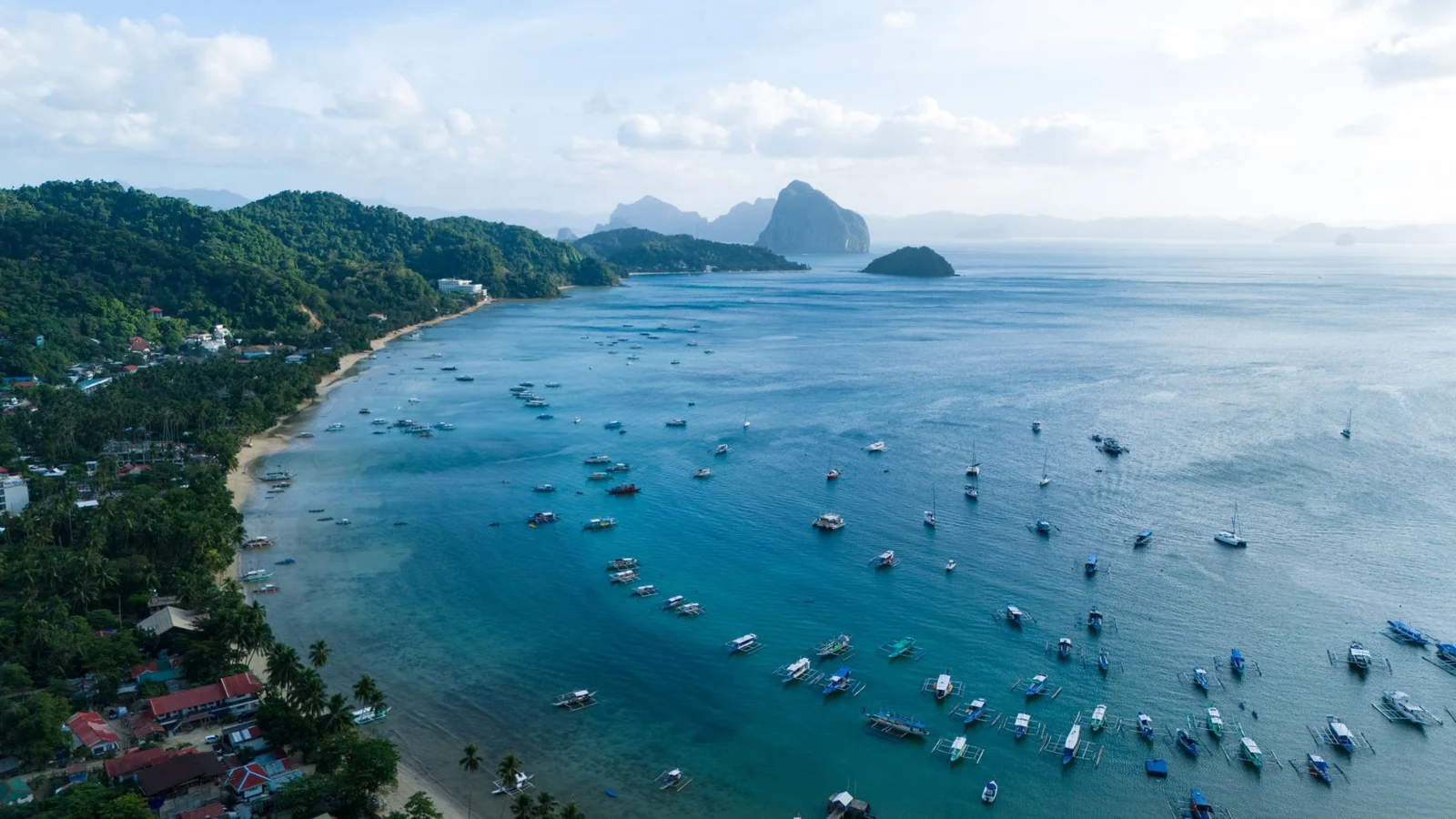
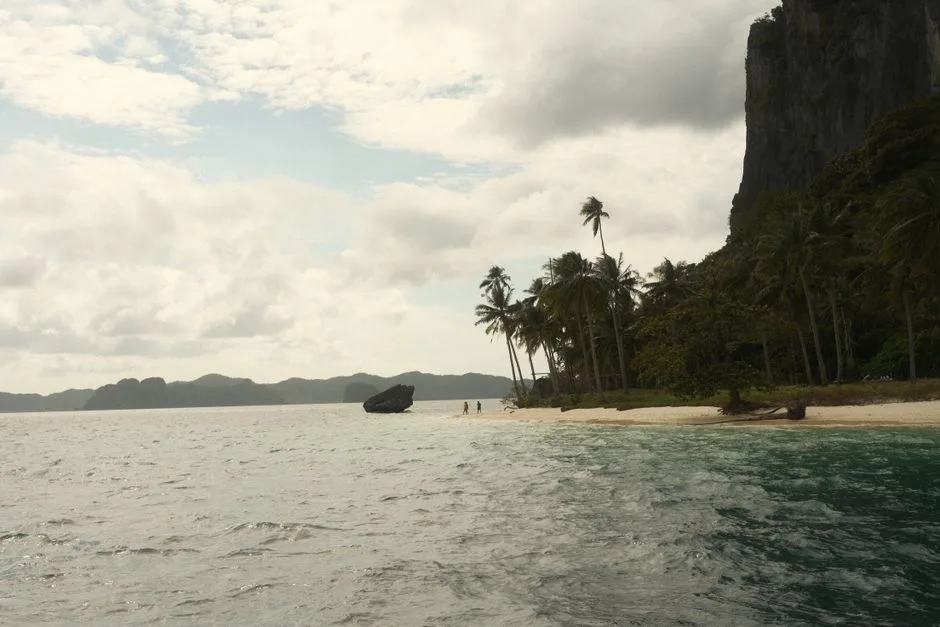
“Japanese warships from a 1944 American air raid sit upright in shallow water, and behind the limestone cliffs are freshwater lakes with thermoclines that hit 38°C, Coron is two destinations in one.”
About Coron Island
On September 24, 1944, American aircraft sank at least 12 Japanese ships sheltering in Coron Bay. The wrecks now sit colonised by coral in 10-24 metres of water, making them accessible to recreational divers.
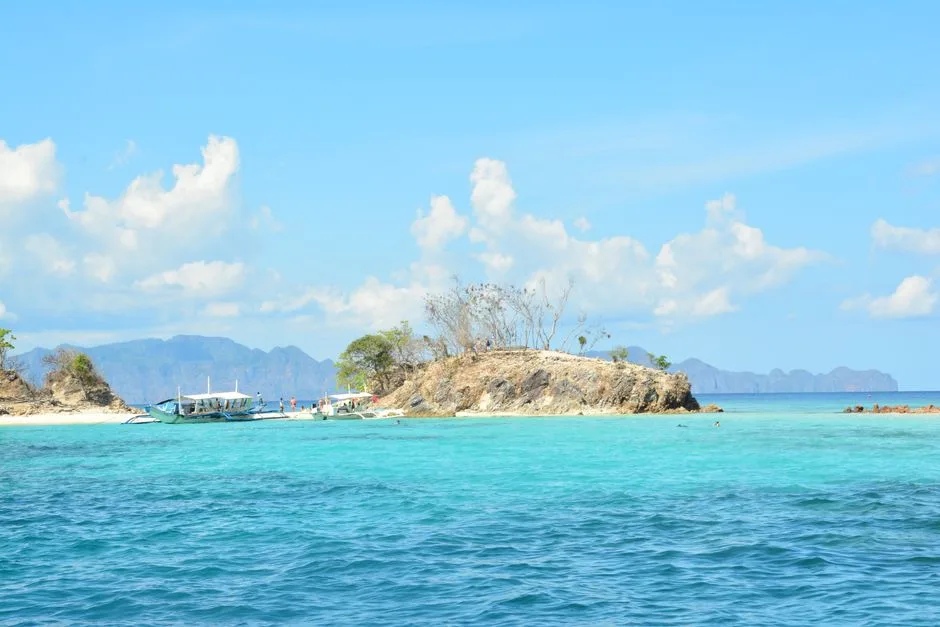
Coron Island
Coron is famous for two things: Japanese warships sunk during World War II sitting in diveable shallow water, and freshwater lakes hidden behind limestone cliffs. The combination makes it one of the most unusual island destinations in the Philippines. The wreck diving is world-class and accessible even to relatively new divers, several wrecks sit in 10-24 metres of water.
Coron is famous for two things: Japanese warships sunk during World War II sitting in diveable shallow water, and freshwater lakes hidden behind limestone cliffs.
On September 24, 1944, American carrier-based aircraft attacked a Japanese fleet sheltering in Coron Bay, sinking at least 12 ships. The wrecks now sit upright on the sandy bottom, colonised by coral and inhabited by schools of fish. Some, like the Irako, a refrigeration ship, are so large you can swim through the cargo holds. The Tagbanua indigenous people consider Coron's interior lakes sacred, and access is regulated.
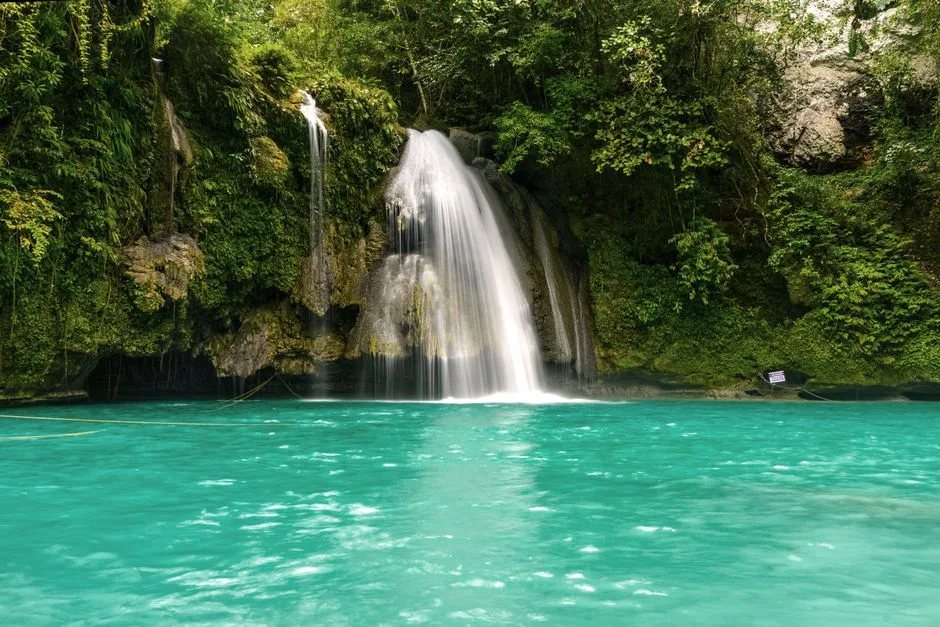
Kayangan Lake is the poster image , crystal-clear water surrounded by jagged karst formations, reached by climbing over a rocky ridge. The water is half freshwater on top, warm saltwater underneath, creating a thermocline that distorts your vision when you dive through it. Barracuda Lake has the same phenomenon but warmer, the deep layer can reach 38°C. For wreck divers, the Okikawa Maru and the Irako are the highlights. Island-hopping tours hit several beaches and snorkelling spots, with lunch cooked on the boat.
Flights from Manila to Francisco B . Reyes Airport (Busuanga) take about an hour. From the airport it's a 30-minute van ride to Coron town. Boats connect Coron to El Nido but the crossing is 7-8 hours and weather-dependent.
From the airport it's a 30-minute van ride to Coron town.
The Experience
Dive through the cargo holds of the Irako, swim through the thermocline at Barracuda Lake where the water hits 38°C, and climb over the ridge to Kayangan Lake's crystal-clear karst pool.
Why It Matters
One of the best wreck diving destinations in the world, combined with freshwater lakes sacred to the indigenous Tagbanua people.
Why Visit
Few places offer both world-class wreck diving and surreal freshwater lakes in the same day trip. The thermocline experience at Barracuda Lake is genuinely bizarre and unique.
✦ Insider Tips
- 1
The Okikawa Maru and Irako are the best wrecks, book a dive operator in Coron town.
- 2
Kayangan Lake has a 200-peso entrance fee separate from tour costs.
- 3
The El Nido to Coron boat is 7-8 hours, take motion sickness medication.
- 4
Bring an underwater camera. The wrecks and lakes are incredibly photogenic.