“A wooden cross planted in 1521 to mark the first Christian baptism in the Philippines, the original is supposedly encased inside to stop devotees from chipping off pieces as relics, but nobody's actually verified that.”
About Magellan's Cross
Planted by Magellan's crew on April 14, 1521 after converting Rajah Humabon and 800 followers. Magellan was killed weeks later on Mactan Island. The cross has been a pilgrimage site for 500 years.
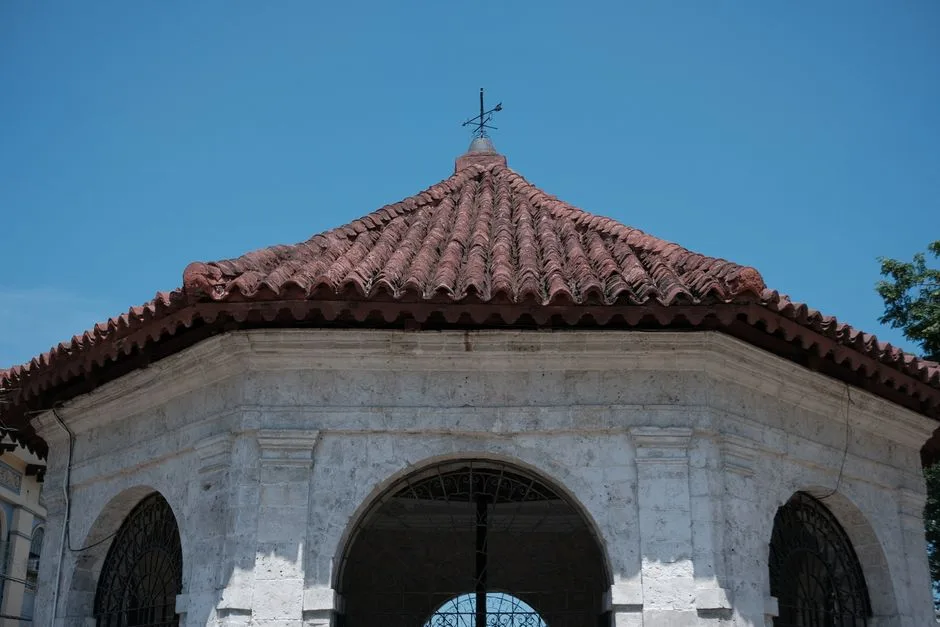
Magellan's Cross
A wooden cross in a small octagonal chapel on the Cebu City waterfront, supposedly planted by Ferdinand Magellan's crew on April 14, 1521 to mark the first Christian baptism in the Philippines. The original cross is claimed to be encased inside the current wooden shell, locals historically chipped off pieces as religious relics, so the authorities covered it. Whether the original is actually in there is genuinely debatable.
A wooden cross in a small octagonal chapel on the Cebu City waterfront, supposedly planted by Ferdinand Magellan's crew on April 14, 1521 to mark the first Christian baptism in the Philippines.
Magellan arrived in Cebu during his circumnavigation attempt and converted the local chieftain Rajah Humabon and about 800 followers to Christianity. The baptism is considered the birth of Christianity in the Philippines, a country that is now about 80% Catholic. Magellan himself was killed a few weeks later on nearby Mactan Island when he picked a fight with chieftain Lapu-Lapu, who refused to convert. The cross has been a pilgrimage site ever since, though historians argue over whether any part of the original 1521 timber survives.
The chapel is small and always busy with devotees lighting candles and saying prayers. The ceiling murals painted by local artist Juan Luna depict the baptism scene and the arrival of the Spanish, they're more interesting than the cross itself, honestly. The Basilica del Santo Nino is right next door and houses the country's oldest religious relic, a figure of the Christ Child given to Rajah Humabon's wife. Street vendors outside sell candles, santo nino figurines, and dried mangoes. The cross is in downtown Cebu City, walkable from most city-center hotels. It's next to the Basilica del Santo Nino and close to Colon Street, the oldest street in the Philippines. A visit takes about 20 minutes unless you spend time in the basilica.
The Experience
Visit the small octagonal chapel, study the ceiling murals depicting the 1521 baptism, then walk next door to the Basilica del Santo Nino which houses the country's oldest religious relic.
Visit the small octagonal chapel, study the ceiling murals depicting the 1521 baptism, then walk next door to the Basilica del Santo Nino which houses the country's oldest religious relic.
Why It Matters
Marks the founding event of Christianity in the Philippines, a faith now held by roughly 80% of the population.
Why Visit
It's a 20-minute stop that gives context to why a Southeast Asian archipelago became the most Catholic country in Asia. The ceiling murals alone are worth the visit.
✦ Insider Tips
- 1
The ceiling murals are the best part, look up.
- 2
Combine with the Basilica del Santo Nino right next door.
- 3
Visit during the Sinulog Festival in January for the full cultural experience.
- 4
The dried mangoes from the street vendors are actually good and cheaper than airport prices.