“The highest peak in the Philippines and sacred to the Bagobo people, a two-to-three day climb through rainforest, sulphur vents, and mossy boulder fields to a summit at 2,954 metres with views across Mindanao.”
About Mount Apo
Sacred to the Bagobo people who believe the god Apo Sandawa lives on the mountain. First climbed by a foreigner in 1880. Home to the Philippine eagle, fewer than 800 remain in the wild.
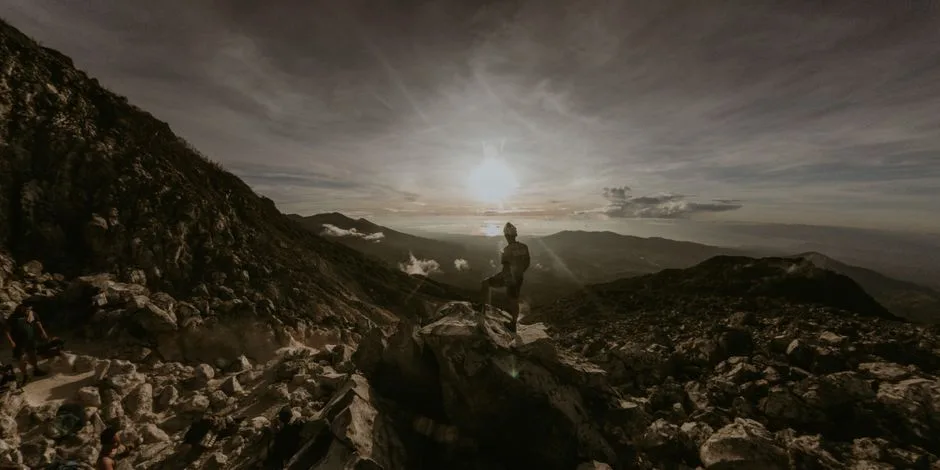
The highest peak in the Philippines at 2,954 metres, an active stratovolcano on the island of Mindanao. The climb takes two to three days through rainforest, sulphur vents, mossy boulder fields, and eventually a summit that gives you views across Davao and the southern Philippines. It's not technical, you don't need ropes, but it is demanding, especially in the wet season when the trails turn to mud.
The highest peak in the Philippines at 2,954 metres, an active stratovolcano on the island of Mindanao.
Mount Apo is sacred
Mount Apo is sacred to the indigenous Bagobo people who believe it is home to the god Apo Sandawa. The mountain's name means 'master' or 'grandfather' in several local languages. The first recorded ascent by a foreigner was in 1880 by a German scientist. It became a Natural Park in 1936 and is home to the Philippine eagle, one of the largest and rarest raptors in the world, with fewer than 800 left in the wild.
Most climbers take the Kidapawan Trail or the Kapatagan Trail, both requiring a permit and a registered local guide. The first day is dense rainforest, humid, muddy, with the sound of birds you'll hear but not see. Day two passes through sulphur vents that stink of rotten eggs and mossy boulder fields where the temperature drops. The summit push is usually done before dawn to catch the sunrise. Lake Venado, a small lake near the summit camp, sits in a volcanic crater and is eerily still. The hot springs at Lake Agco on the Kidapawan side are the reward on the way back down. Fly to Davao City, then it's about a 2-hour drive to Kidapawan or the Kapatagan trailhead. Register with the local tourism office for permits and guide assignment. The climb is regulated and guides are mandatory.
The Experience
Two to three days of climbing through dense rainforest, past sulphur vents and mossy boulders, to a pre-dawn summit push with views across southern Philippines. Lake Venado near the summit camp sits in an eerie volcanic crater.
Two to three days of climbing through dense rainforest, past sulphur vents and mossy boulders, to a pre-dawn summit push with views across southern Philippines.
Why It Matters
The highest point in the Philippines, a sacred Bagobo site, and one of the last habitats of the critically endangered Philippine eagle.
Why Visit
It's the roof of the Philippines. The climb is tough but non-technical, the biodiversity is extraordinary, and the summit sunrise over Mindanao is earned, not given.
✦ Insider Tips
- 1
Register for permits at the Kidapawan tourism office at least a day before.
- 2
Guides are mandatory and non-negotiable. Budget about 1,500-2,500 pesos.
- 3
Bring warm layers, summit temperatures drop near freezing before dawn.
- 4
The hot springs at Lake Agco are the perfect post-climb recovery.