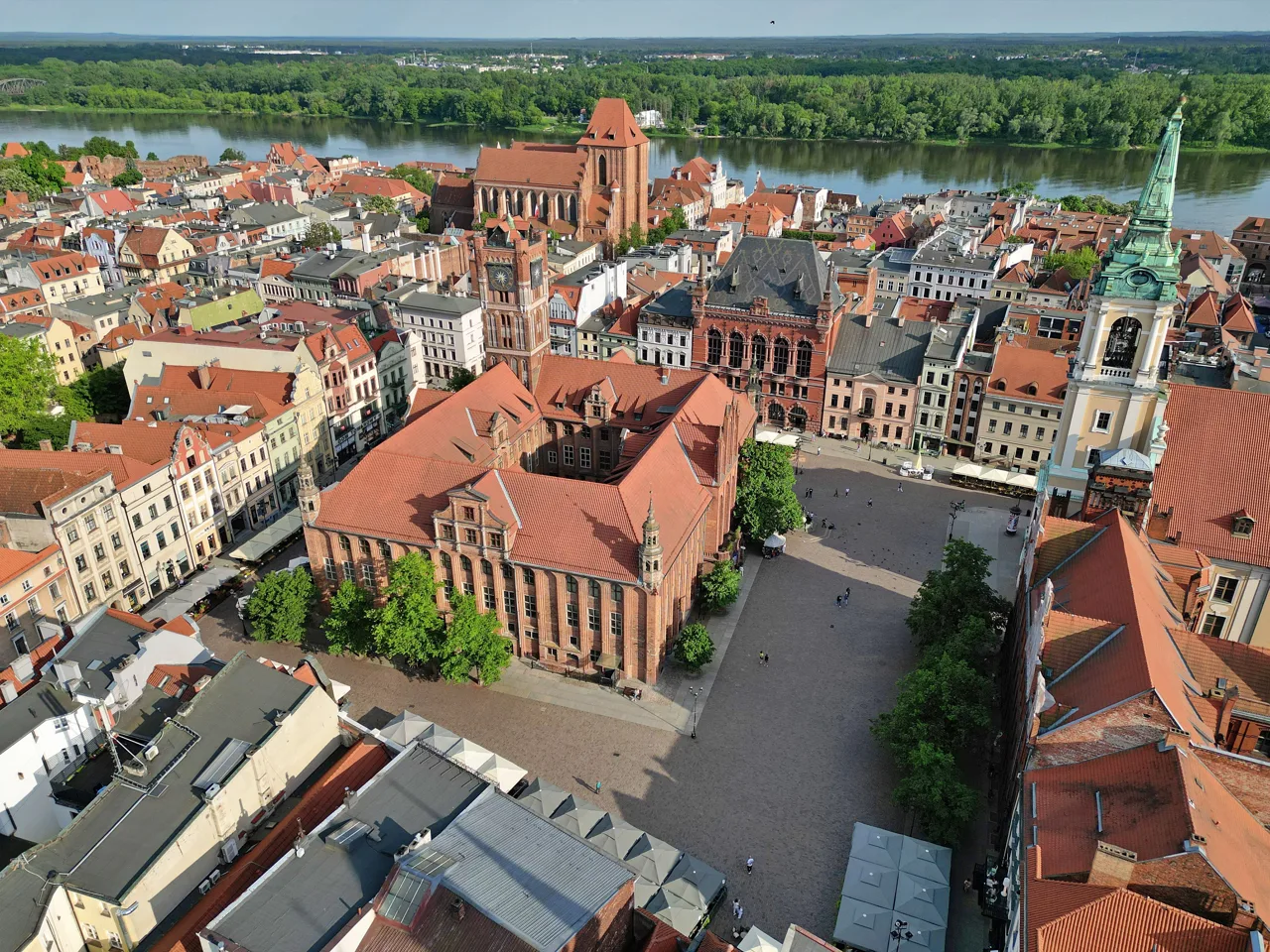
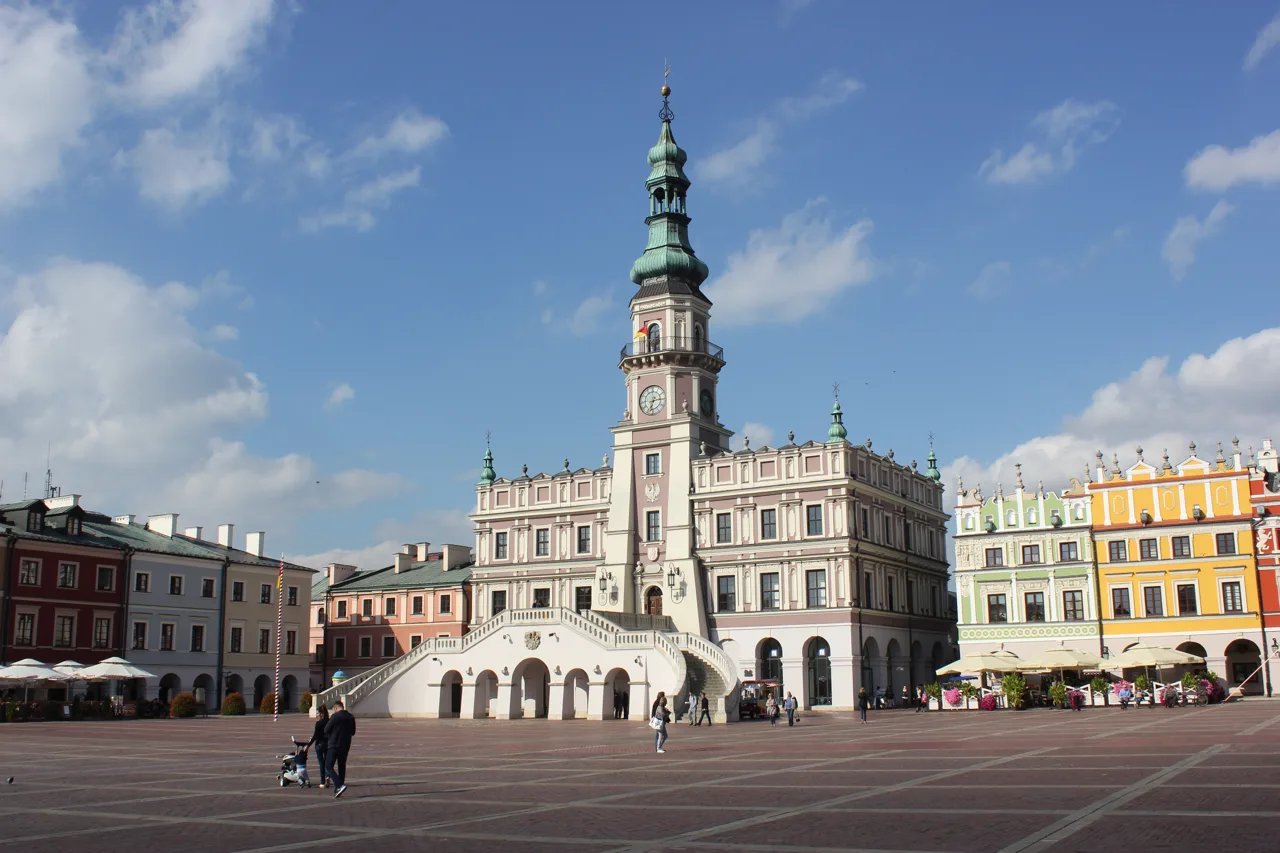
Main Town — historical landmark in Poland
📍 historicalPoland

Main Town

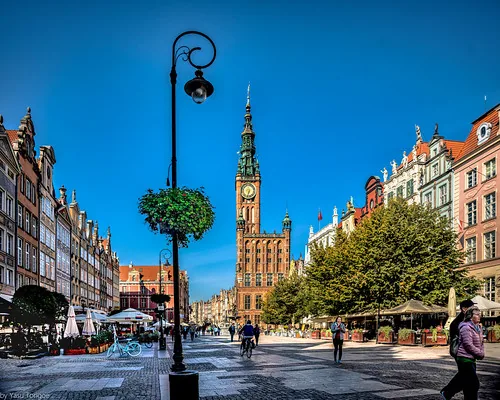
A 14th-century maritime powerhouse defined by the brick-Gothic Crane and the slender Long Market merchant houses; the Motława River reflects the high-stepped gables and hand-forged ironwork of the Hanseatic port; walk Ulica Mariacka at midnight when the yellow streetlamps highlight the amber jewelry in the window displays; the air smells of river silt and ancient pine resin while the wind whistles off the Baltic.

Scroll to read

The scent of Baltic salt and fossilized resin fills the air in a city that looks like a Dutch masterpiece but carries a fiercely Polish soul.

About Main Town

The Main Town was established in the 14th century by the Teutonic Knights, who laid out the grid that remains today. It eventually shook off the Knights' rule to become a royal city of the Polish Crown, enjoying immense privileges. The district was the stage for the opening salvos of World War II at nearby Westerplatte and later became the birthplace of the Solidarity movement that ended communist rule in Europe. Its reconstruction after 1945 was not just an architectural feat but a political statement, reclaiming the city's Polish and Hanseatic heritage from the rubble of the Prussian past.

Main Town in Poland
Main Town — Poland

Overview Gdańsk’s Główne Miasto, or Main Town, feels more like a Dutch merchant’s dream than a typical Polish city. Narrow, towering houses with ornate gables and stone stoops line the Long Market, their facades painted in pastel shades of sage, rose, and cream. The air smells of the salt from the nearby Baltic Sea and the sweet, resinous scent of amber being polished in dozens of small workshops. At the center of the Royal Way, the Neptune Fountain stands as a bronze reminder of the city's seafaring power. This district was once the wealthiest port in the north, a place where German, Dutch, and Polish cultures blurred into a unique Hanseatic identity that still lingers in the architecture and the spirit of the people.

Overview Gdańsk’s Główne Miasto, or Main Town, feels more like a Dutch merchant’s dream than a typical Polish city.

Main Town in Poland — photo 2
Main Town, Poland

The Story Behind It For centuries, Gdańsk was a Free City, a semi-autonomous powerhouse that controlled the flow of grain and timber from the Polish interior to the rest of Europe. The Main Town reached its golden age in the 17th century, attracting master builders from the Netherlands who gave the city its distinctive look. However, the 20th century brought total devastation. In 1945, the retreating German army and the advancing Soviet forces turned the Main Town into a graveyard of brick dust. Unlike other cities that chose modernism, Gdańsk’s survivors spent decades rebuilding the district block by block, using old photographs and architectural drawings to restore its former Hanseatic glory.

What You'll Experience Walking down Ulica Mariacka, you experience the most atmospheric street in Europe. Gargoyles shaped like dragons' heads spit rainwater from the gutters into stone basins, and the sound of bells from St. Mary’s Church—one of the largest brick churches in the world—vibrates through the air. You notice the texture of the amber jewelry in the window displays, ranging from clear honey to deep, cloudy butterscotch. Along the Motława River embankment, the medieval wooden crane, or Żuraw, looms like a giant dark bird over the water. By dusk, the lights reflect in the river, and the outdoor cafes fill with the sound of clinking glasses and the smell of fried Baltic herring.

Getting There Gdańsk is well-connected by air through the Lech Wałęsa Airport and by high-speed Pendolino trains from Warsaw, a journey of roughly two and a half hours. The Main Town is a ten-minute walk from the Gdańsk Główny railway station. The district is best explored on foot, as many of the most beautiful streets are restricted to pedestrians. Ferries and water trams provide a scenic way to see the city from the water, departing from the waterfront near the Green Gate.

Getting There Gdańsk is well-connected by air through the Lech Wałęsa Airport and by high-speed Pendolino trains from Warsaw, a journey of roughly two and a half hours.

The Experience

You notice the peculiar play of light on the granite stoops of Mariacka Street, where the narrowness of the buildings creates deep, dramatic shadows even at noon. The air is slightly cooler near the massive brick walls of St. Mary's, which took 159 years to build. You feel the history in the unevenness of the Royal Way, the path taken by Polish kings during their visits to the port. The sound of the river against the wooden piers of the waterfront provides a constant, soothing backdrop to the city's hustle. Most visitors miss the small 'astronomical clock' inside the Basilica, a 15th-century marvel that tracks the phases of the moon and the positions of the saints.

Why It Matters

The Main Town is a living testament to the resilience of Hanseatic urban culture. It represents a rare architectural synthesis of Northern European styles, serving as a reminder of a time when trade and maritime law created a cosmopolitan society that transcended national borders. It is also a symbol of post-war recovery, having been rebuilt with a level of detail that borders on the miraculous.

Why Visit

Visit for the sheer visual delight of a city that looks like it belongs in a storybook but possesses a gritty, real-world history. Gdańsk offers a coastal elegance that Kraków and Warsaw lack. It is the only place where you can buy a piece of jewelry made from 40-million-year-old resin while standing under a 15th-century crane that once lifted the world's heaviest masts.

✦ Insider Tips

  • 1

    Climb the 400 steps of St. Mary's Church tower for a view that reveals the red-roofed geometry of the entire Main Town.

  • 2

    Look for the 'Danzig's gold'—Goldwasser—a liqueur with real gold flakes that has been produced here since the 16th century.

  • 3

    Explore the riverside at dawn to see the Żuraw crane without the crowds and catch the early morning mist on the Motława.

  • 4

    The Amber Museum in the Great Mill offers a fascinating look at the 'Gold of the North' and its role in the city's wealth.

  • 5

    Walk through the Green Gate at the end of the Long Market to find the best local bakeries hidden just across the bridge.

Free Travel Tools
Games & Discover

Featured

Conquer the World

195 nations. One dart. Build your empire.

New Game

FateLand

Three darts. The world decides your fortune, heartbreak & legacy.

FateLand
Fortune. Heartbreak. Legacy. Throw & find out.
Show on Map