All landmarks and tourist attractions in Poland
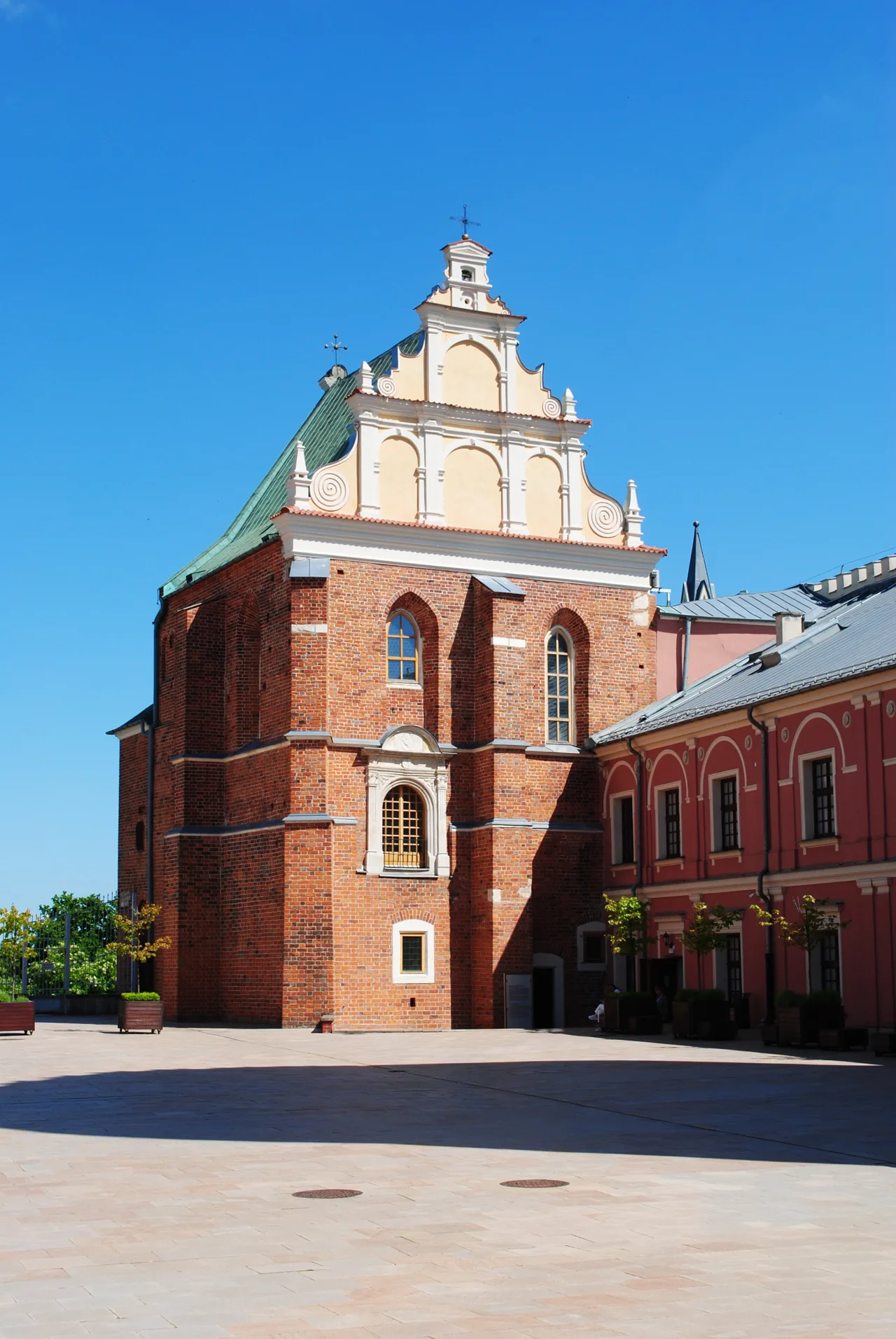
Lublin Castle and Chapel of the Holy Trinity
A 15th-century king with a foot in two worlds ordered Eastern Orthodox painters to decorate his Roman Catholic chapel, creating a shifting mix of color that survived centuries of burial under white li
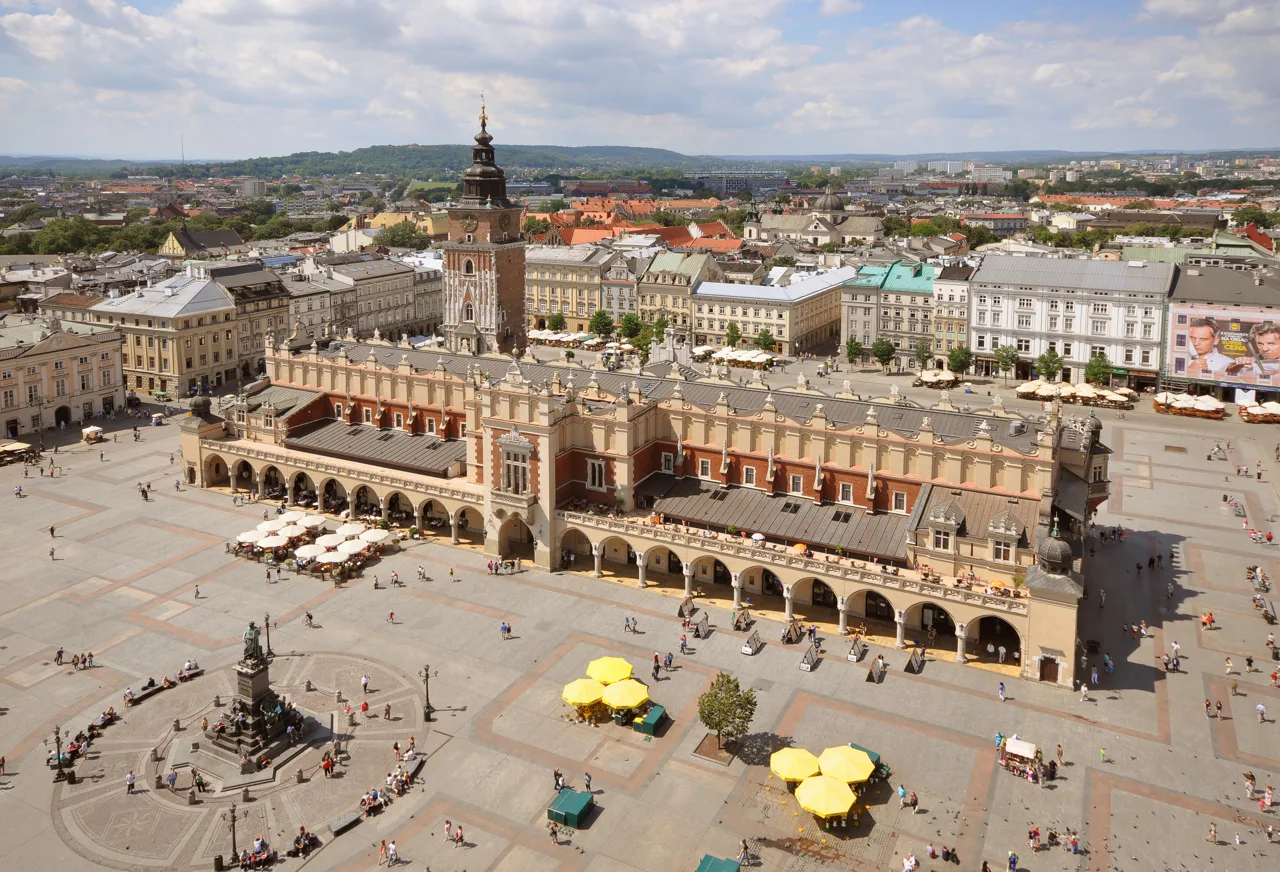
Main Market Square
Four acres of medieval stone carry the weight of seven centuries, where a trumpeter still plays a melody that ends in a sudden, violent silence every single hour.
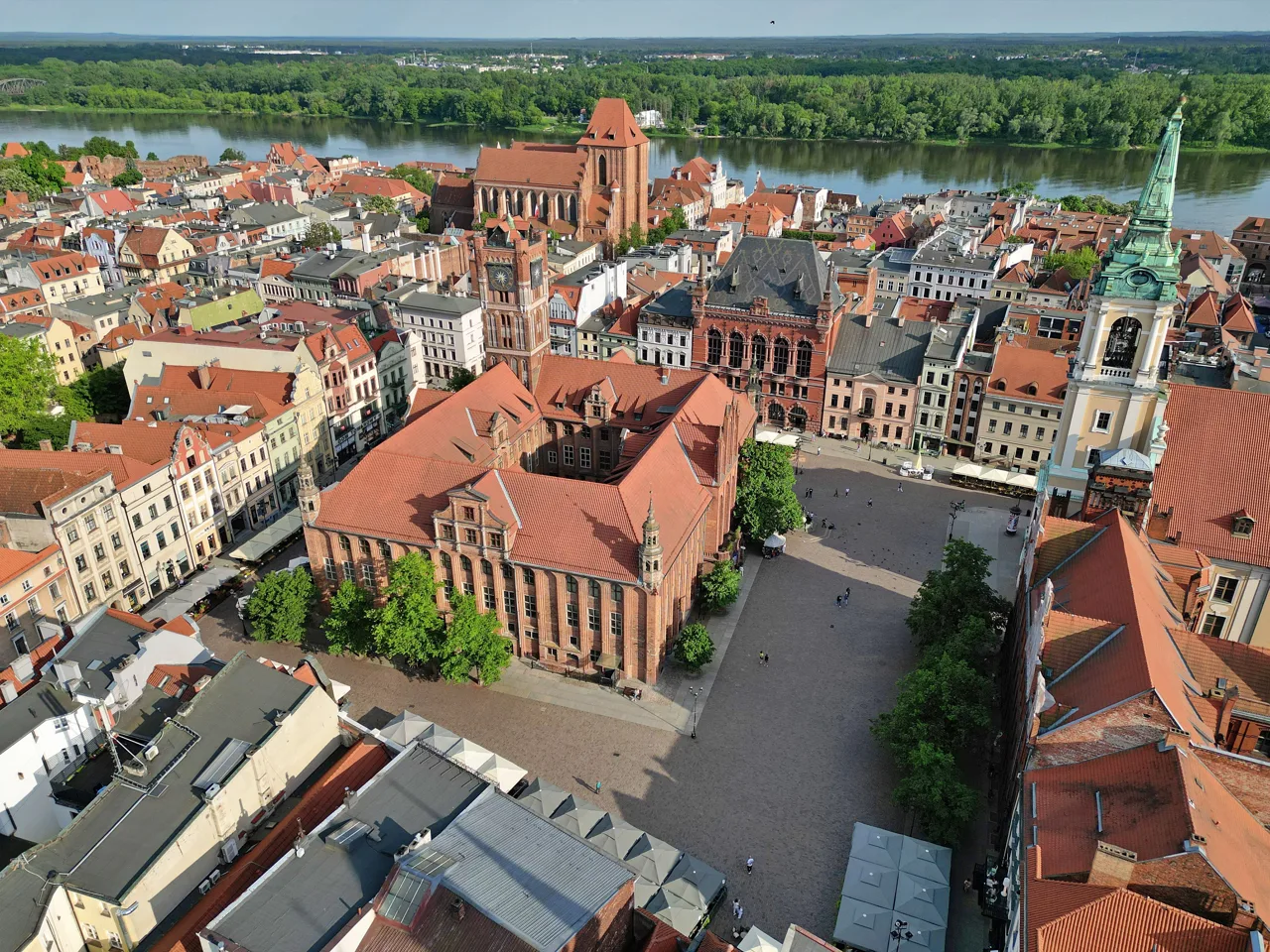
Medieval Town of Toruń
While the rest of Europe’s medieval hearts were shattered by war or sanitized by modern wealth, this red-brick fortress on the Vistula survived with its crooked soul entirely intact.
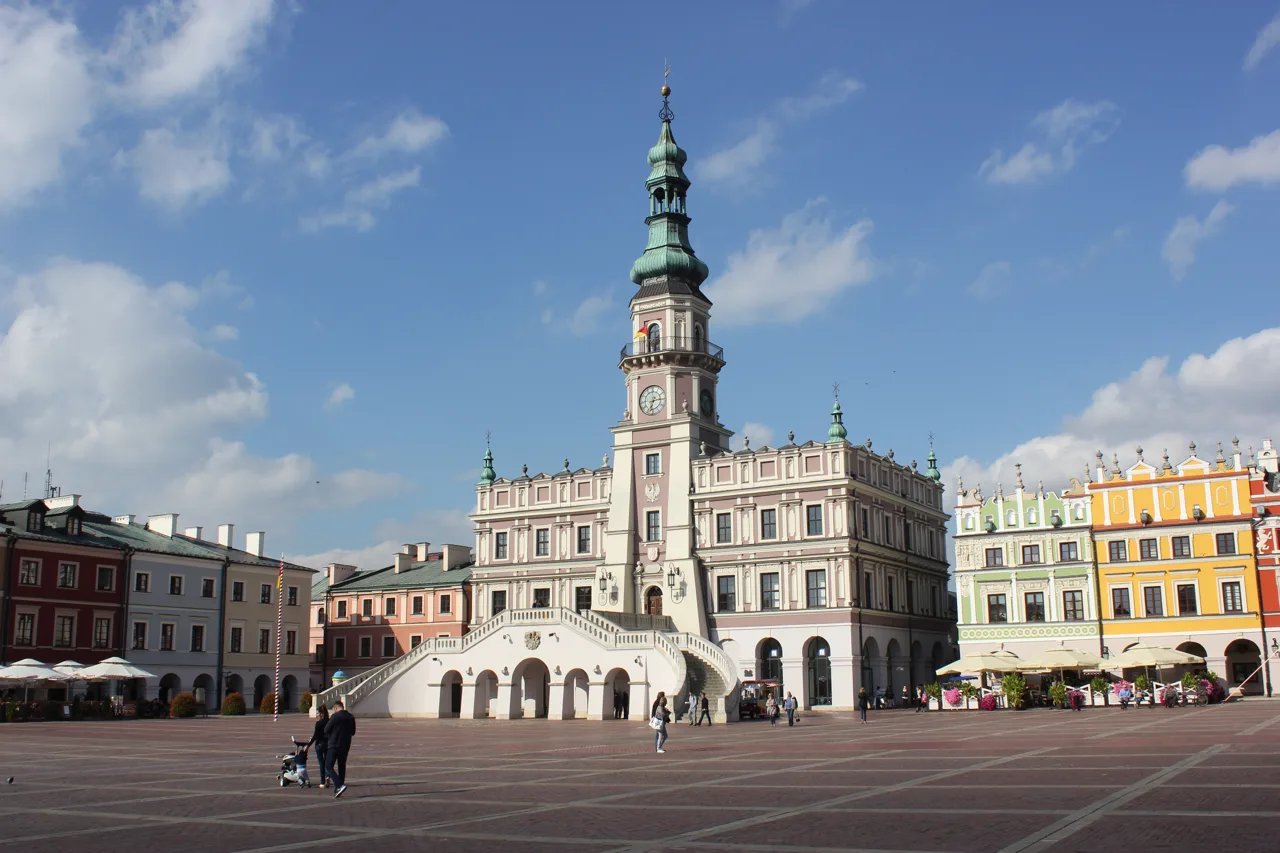
Old City of Zamość
Deep in the Polish countryside stands a perfect Italian Renaissance city, a 16th-century billionaire’s fever dream of symmetry and color that has survived untouched for four hundred years.
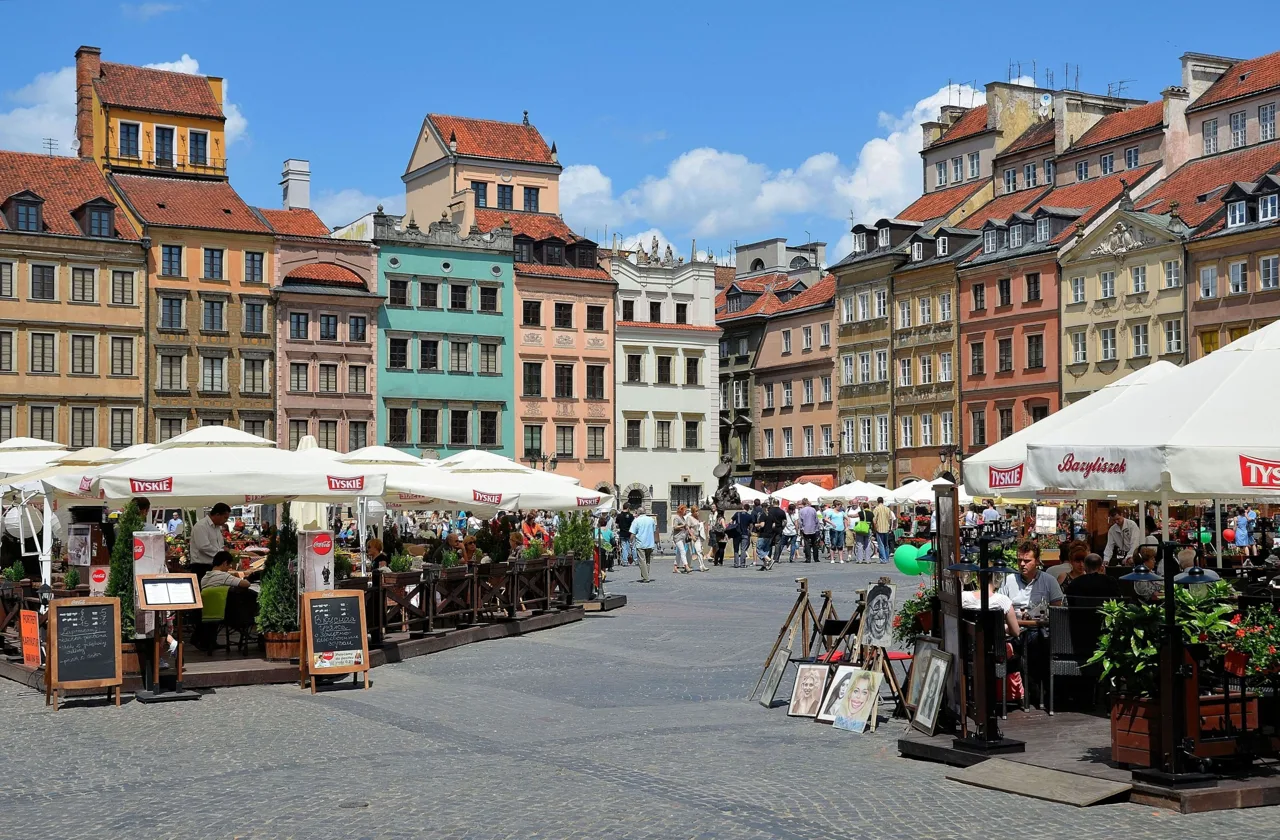
Old Market Square
Every brick in this medieval square was hand-laid in the 1950s, a meticulously forged masterpiece of historical memory that rose from a field of total devastation.
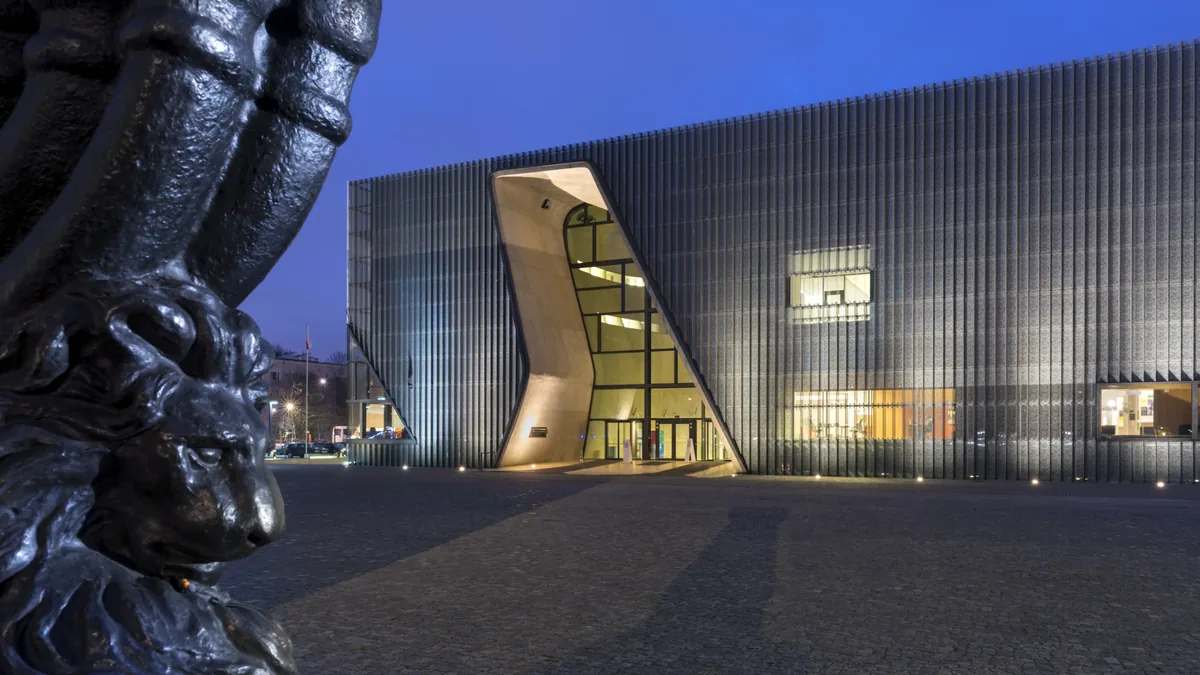
POLIN Museum of the History of Polish Jews
One thousand years of vibrant cultural evolution are often eclipsed by twelve years of tragedy, but this glass sanctuary in Warsaw demands that you witness the centuries of life first.
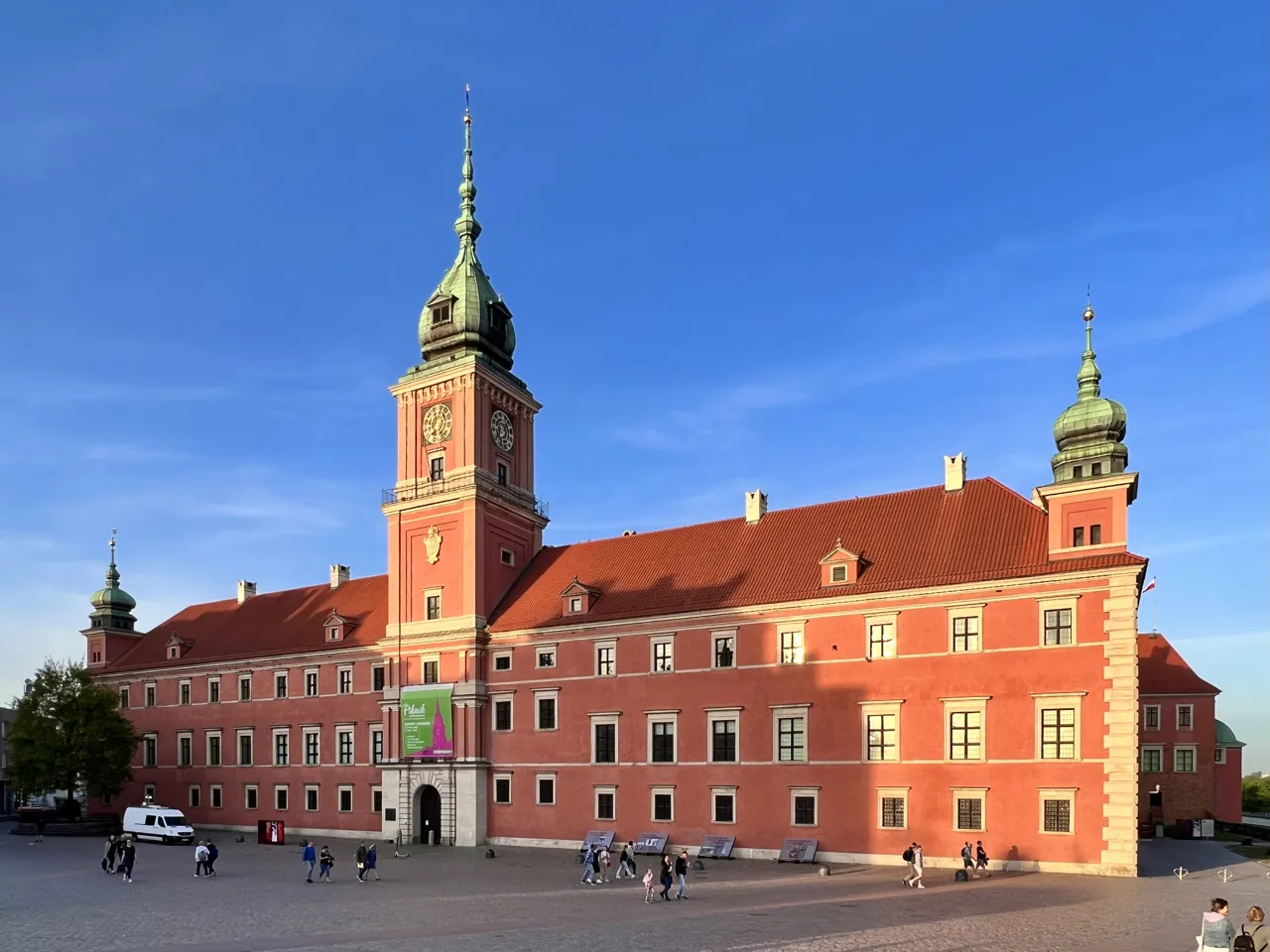
Royal Castle in Warsaw
Every single brick in this royal residence was laid twice, once for the kings of the 17th century, and once for the citizens of the 20th who refused to let their history stay buried.
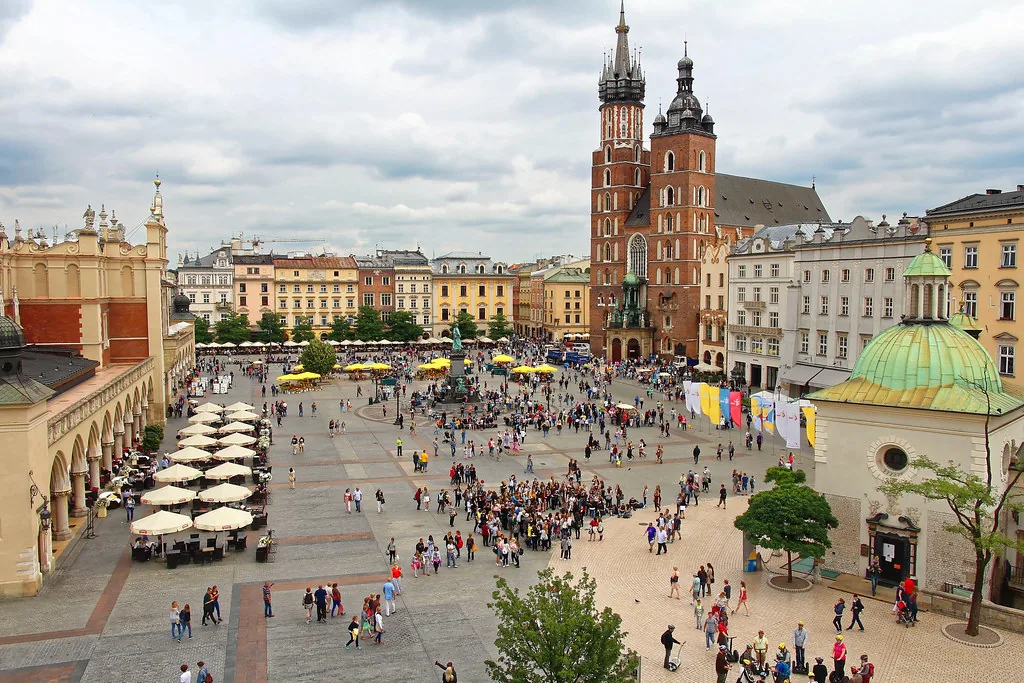
Main Market Square
Europe’s largest medieval square remains centered on the 14th-century Renaissance Cloth Hall; its rhythmic arches and hand-carved mascarons define the heart of the UNESCO-listed Old Town; listen for the Hejnał Mariacki, the broken trumpet signal, sounding from St. Mary's Basilica at the top of every hour; the cobblestones turn a slick ink-black during a light evening rain while the scent of roasted chestnuts permeates the air.
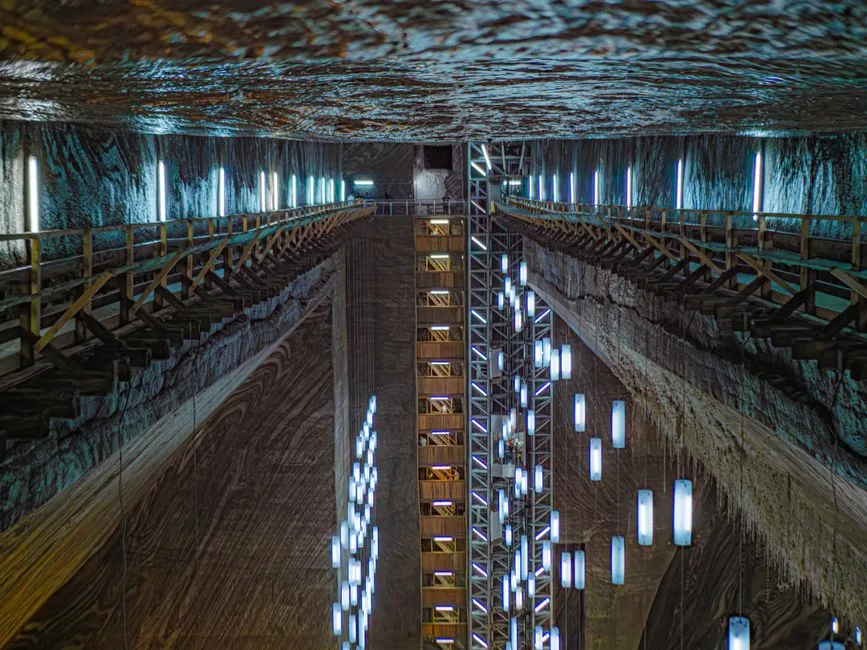
Wieliczka Salt Mine
A subterranean labyrinth of 300 kilometres reaching depths of 327 metres; carved entirely from grey rock salt over seven centuries; the Chapel of St. Kinga features salt-crystal chandeliers and biblical reliefs etched into the mineral walls; enter the underground chambers at 9 am before the humidity rises; the air is cold and carries a distinct metallic tang of saline while the silence is profound.
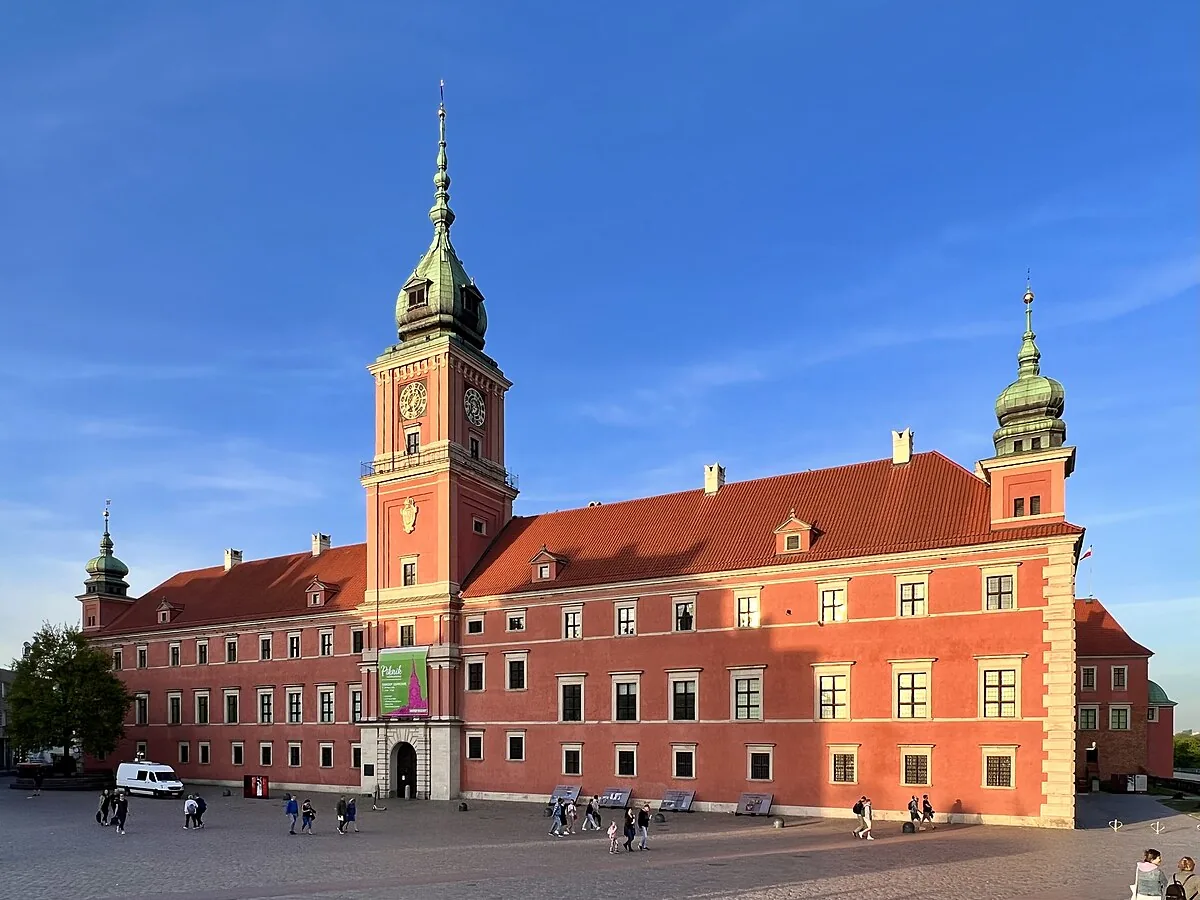
Royal Castle in Warsaw
The 16th-century brick fortress was meticulously reconstructed from ruins using original 18th-century architectural plans after its 1944 destruction; the Great Assembly Hall features gilded stucco and a ceiling fresco by Marcello Bacciarelli; stand in the Castle Square at sunset when the red-brick facade absorbs the orange light; the sound of the Sigismund's Column bells marks the transition from old history to modern metropolis.
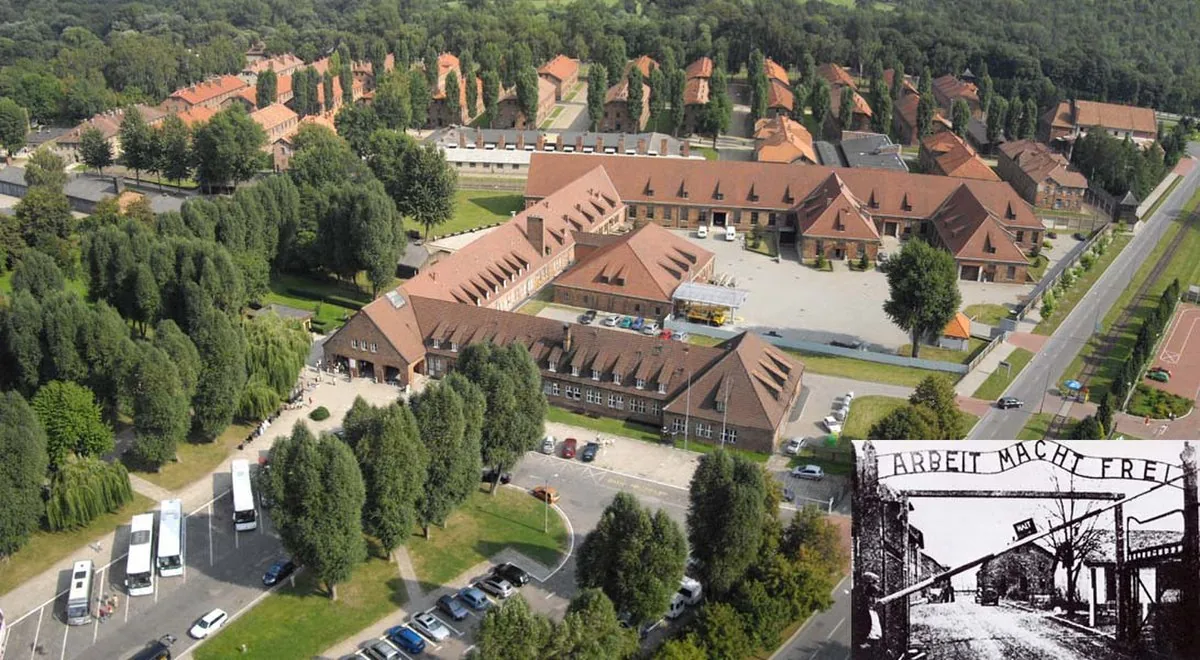
Auschwitz-Birkenau
The preserved infrastructure of the 1940 Nazi concentration camp remains a harrowing testament to the Holocaust; the brick barracks of Auschwitz I and the vast wooden ruins of the Birkenau chimneys span 191 hectares; walk the railway tracks toward the Gate of Death at dawn when the frost clings to the rusted barbed wire; the absolute silence is a heavy; physical weight that precludes any aesthetic interpretation.
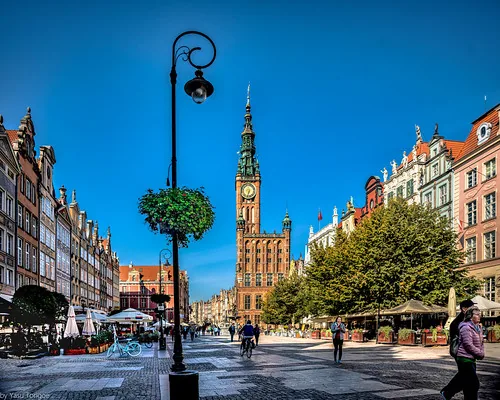
Main Town
A 14th-century maritime powerhouse defined by the brick-Gothic Crane and the slender Long Market merchant houses; the Motława River reflects the high-stepped gables and hand-forged ironwork of the Hanseatic port; walk Ulica Mariacka at midnight when the yellow streetlamps highlight the amber jewelry in the window displays; the air smells of river silt and ancient pine resin while the wind whistles off the Baltic.
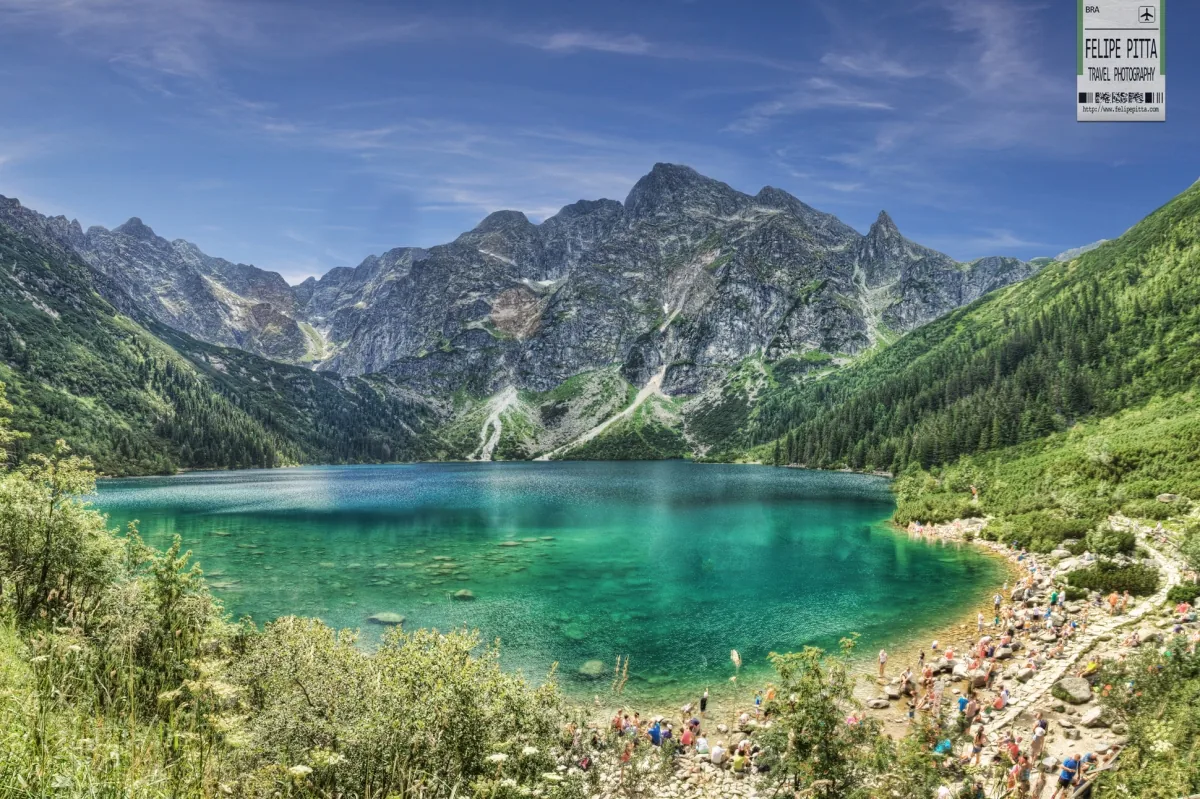
Morskie Oko
A deep emerald glacial lake cradled by the jagged granite peaks of the High Tatra Mountains at 1;395 metres elevation; the sawtooth silhouette of Mount Rysy provides a vertical backdrop to the alpine water; reach the stone shoreline at 7 am before the mist lifts from the pine forest; the water is a flat sheet of lapis lazuli; broken only by the occasional ripple of a rising trout.
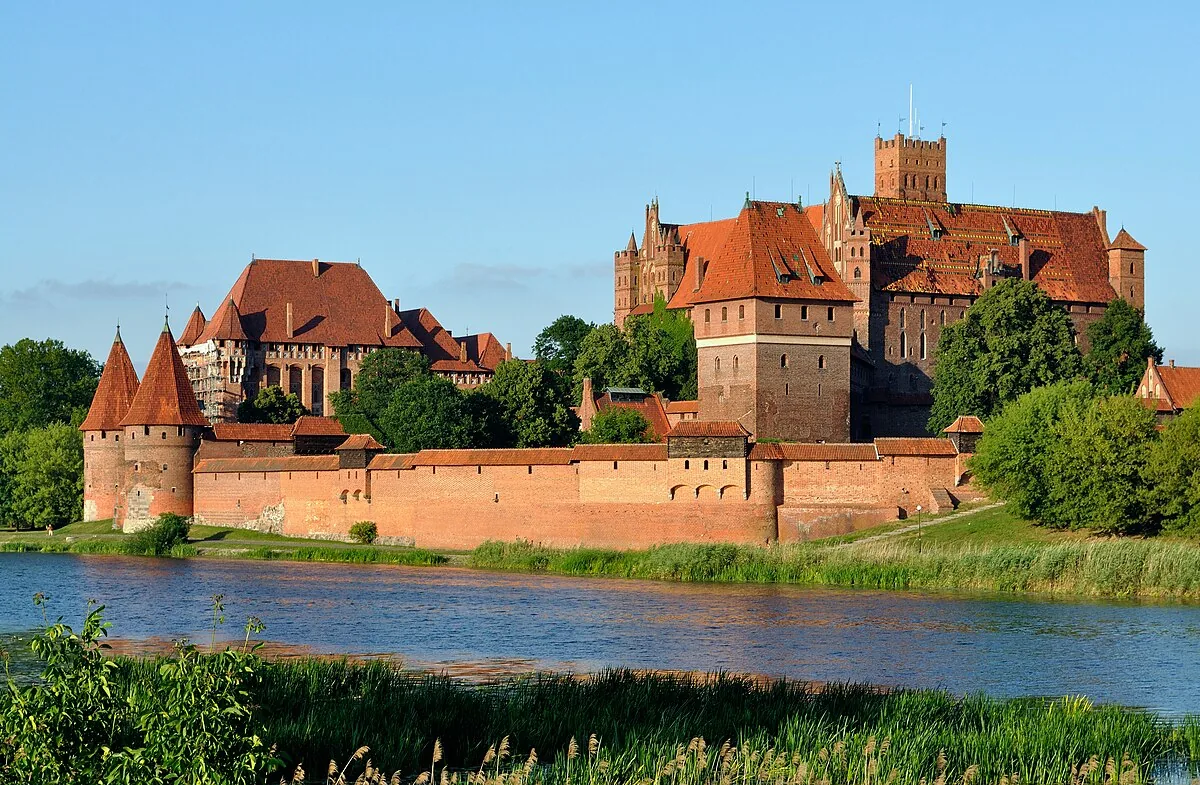
Malbork Castle
The world’s largest brick castle, a 13th-century Teutonic fortress constructed from over 4.5 million hand-moulded bricks; the high-Gothic vaults and defensive ramparts dominate the Nogat River bank; explore the Grand Master's Palace during the late afternoon when the red clay turns a deep terracotta; the thick stone corridors remain icy even in mid-summer; carrying the scent of damp masonry and cold iron.
POLIN Museum of the History of Polish Jews
Rainer Mahlamäki’s copper-and-glass masterpiece features a cavernous; fractured entrance hall representing the crossing of the Red Sea; the permanent galleries trace a thousand-year narrative through immersive; multi-sensory displays; visit the 'Forest' installation at opening; the clinical light through the glass panels highlights the vertical timber columns; creating a space where the air feels thin and charged with memory.
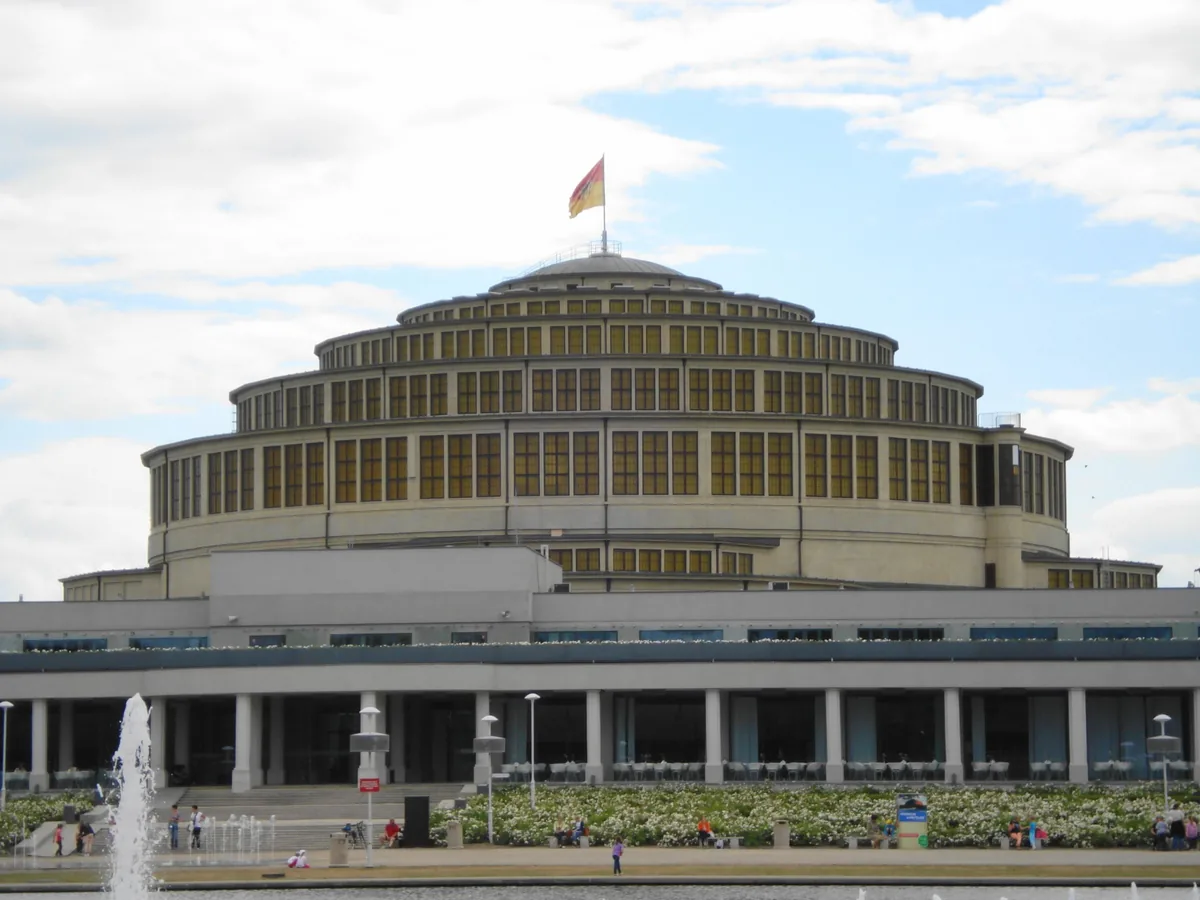
Centennial Hall
Max Berg’s 1913 modernist pioneer features a reinforced concrete dome with a 65-metre span, the largest in the world at its completion; the interior is a skeletal masterpiece of early industrial engineering and raw geometric form; stand in the center of the rotunda at noon; the light through the high-tiered windows creates a grid of shifting shadows on the concrete floor; the acoustics turn a whisper into a rhythmic echo.
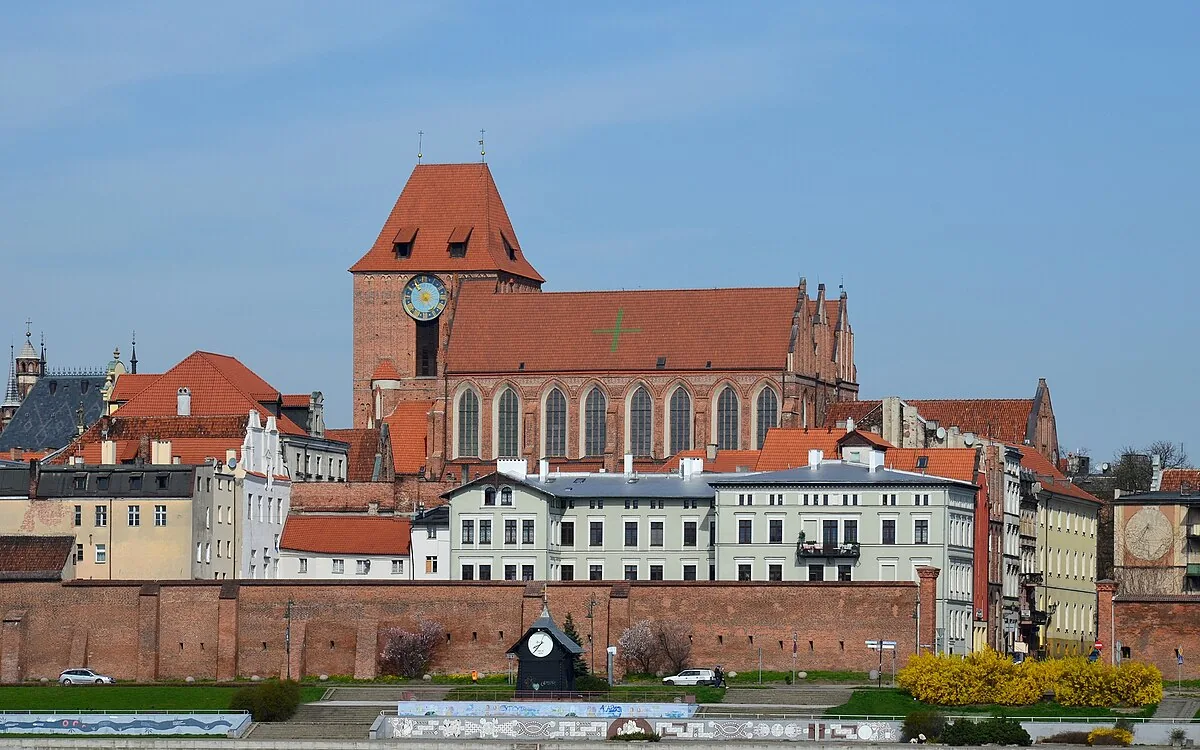
Medieval Town of Toruń
A 13th-century brick-Gothic settlement that remains physically unchanged since the birth of Nicolaus Copernicus; the leaning tower and the massive Cathedral of SS. Johns define the Hanseatic skyline; walk the riverfront walls at dusk; the smell of traditional gingerbread, spiced with pepper and honey, drifts from the subterranean bakeries; the red-brick facades appear to glow against the darkening Vistula water.
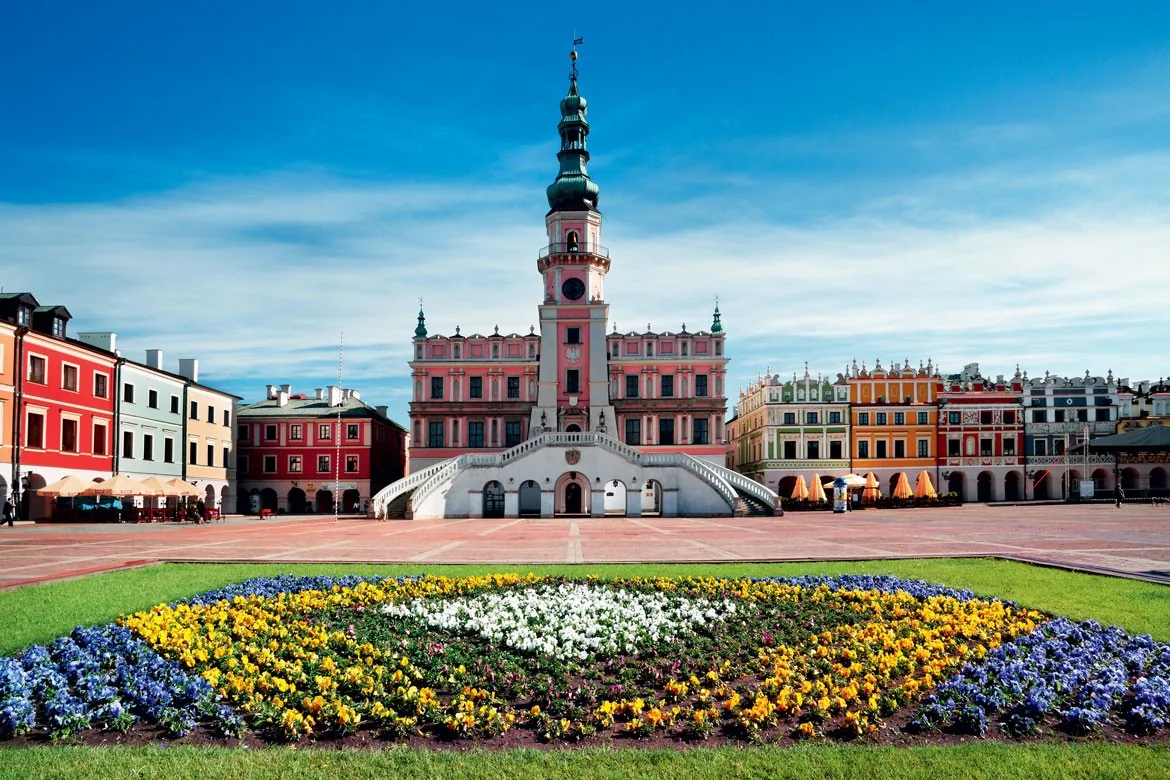
Old City of Zamość
A late 16th-century 'ideal city' designed by Bernardo Morando in the Italian Renaissance style; the Great Market Square is enclosed by arched arcades and high-stepped Mannerist facades painted in ochre and blue; stand in the center of the square at 10 am; the symmetry of the architecture creates a clinical; mathematical beauty; the sound of the town hall bugle call provides the only break in the quiet.
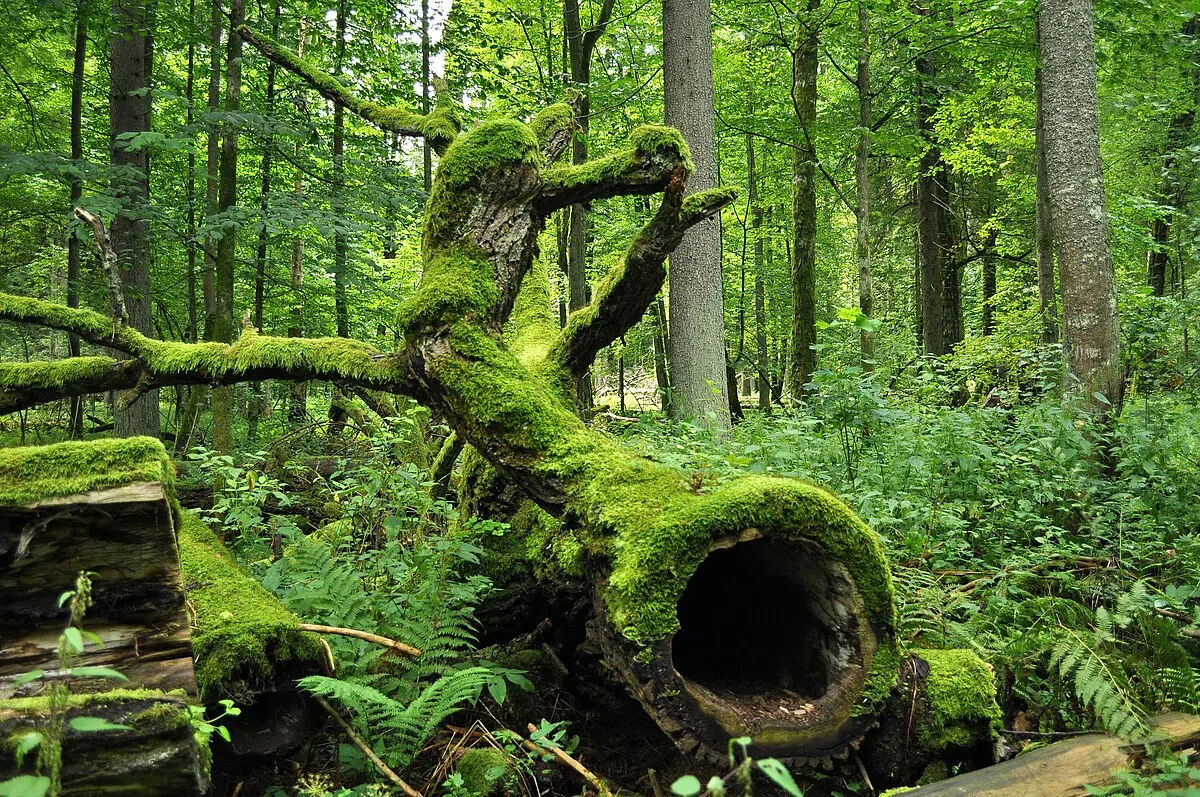
Białowieża Forest
Europe’s last remaining primeval forest protects a 10;000-year-old ecosystem where 800-year-old oaks and wild European bison roam; the UNESCO-listed core is a moss-slicked wilderness of rotting timber and ancient canopy; join a guided trek at 5 am; the pre-dawn air is thick with the scent of damp fern and decaying wood; the primeval silence is broken by the deep; guttural call of a bison.
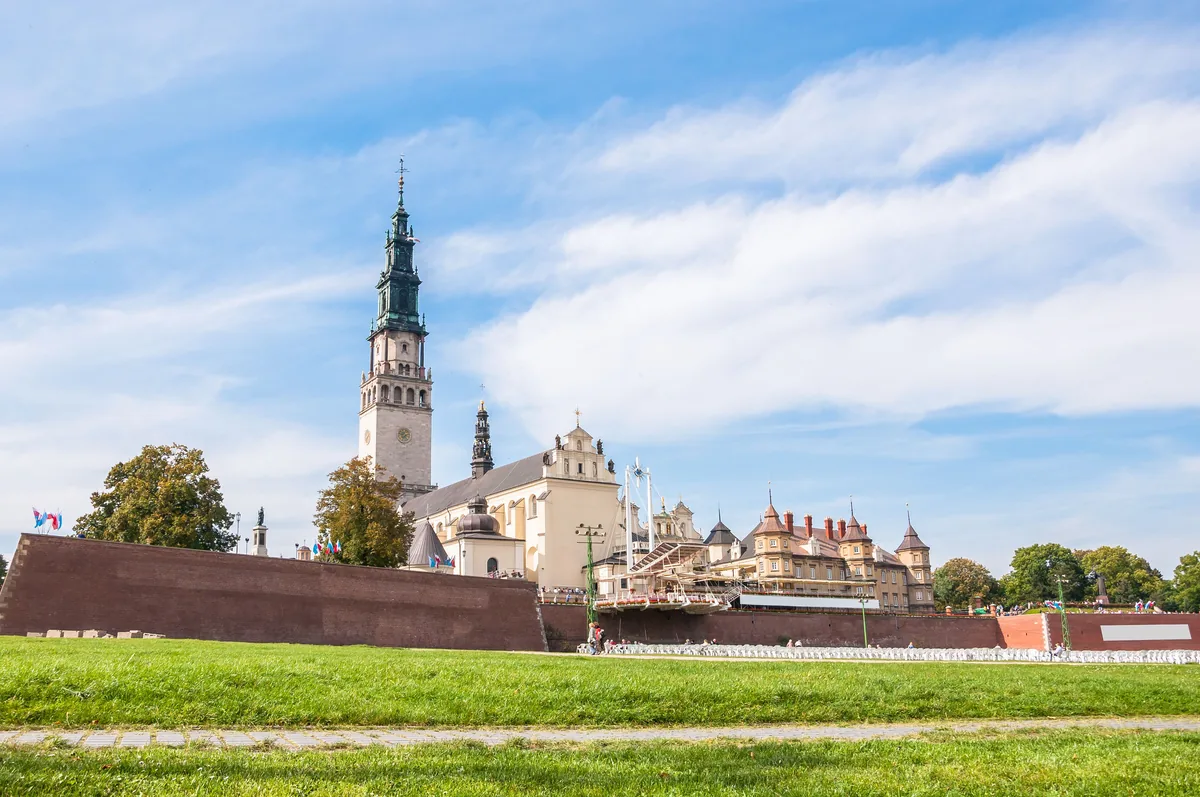
Jasna Góra Monastery
A 14th-century Pauline monastery that serves as the spiritual heart of the nation; housing the Black Madonna icon pockmarked with historical scars; the Baroque interior is a riot of gilded altars and silver votive offerings; attend the unveiling of the icon at 6 am; the sound of the fanfare trumpets is deafening while the smell of heavy incense and melting wax creates a saturated; feverish atmosphere.
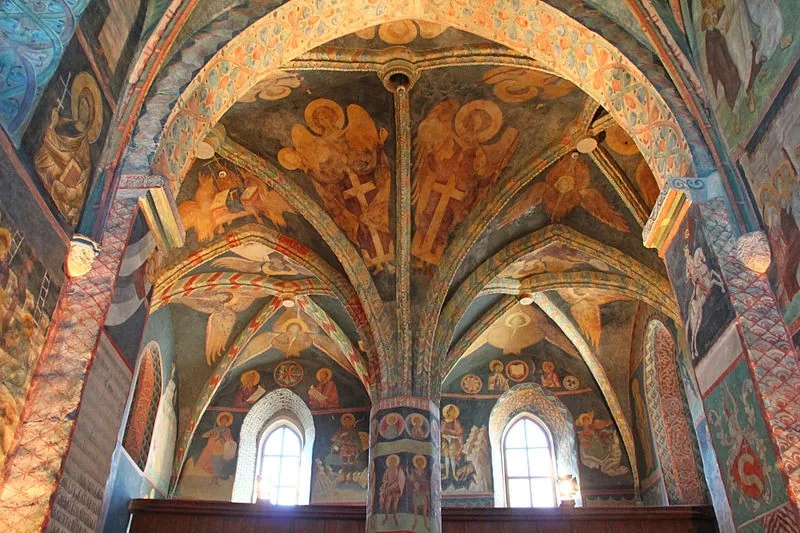
Lublin Castle and Chapel of the Holy Trinity
The 14th-century chapel features a unique fusion of Romanesque architecture and Russo-Byzantine frescoes completed in 1418; the interior walls are entirely covered in hand-painted biblical scenes of Eastern Orthodox tradition; stand in the nave when the sun is at its zenith; the light illuminates the saturated lapis and gold pigments; the contrast between the Gothic stone and the vibrant murals is jarring.
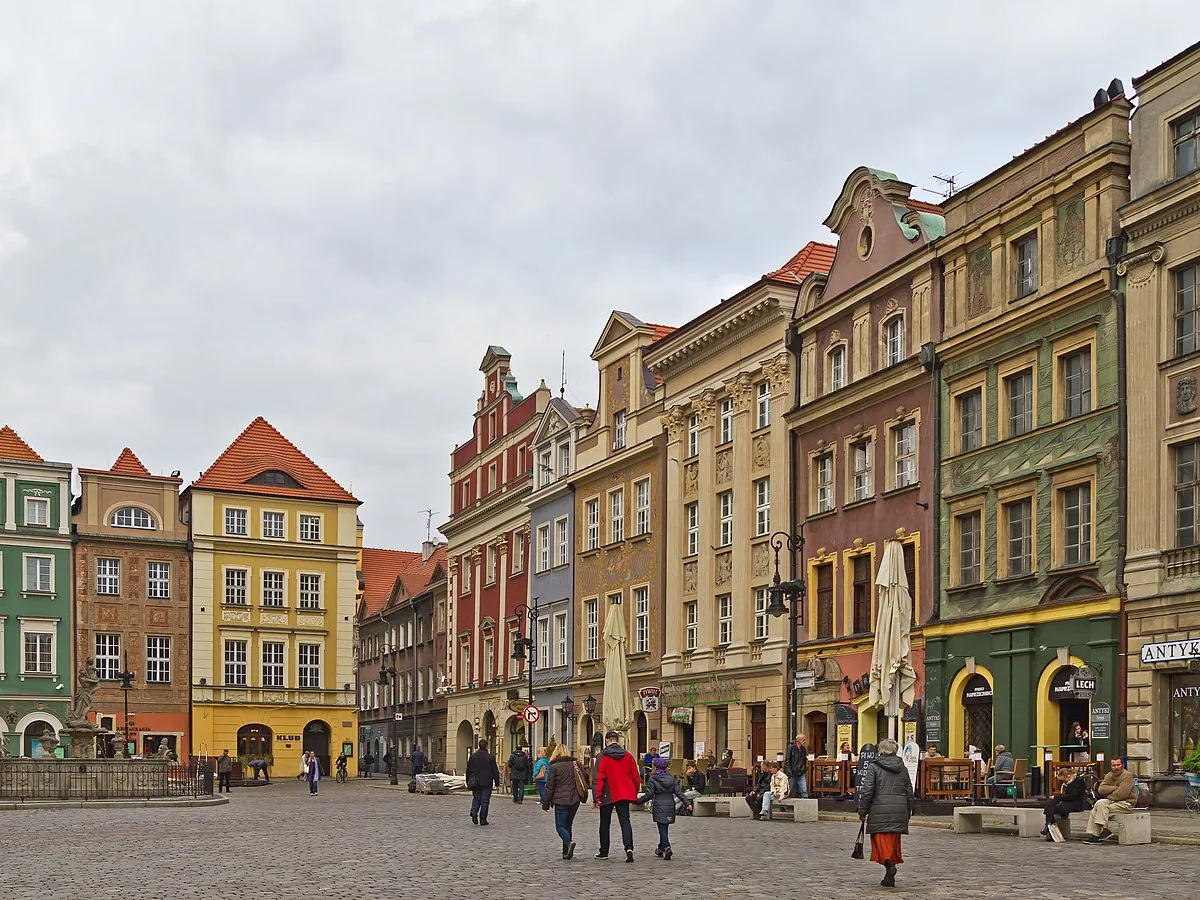
Old Market Square
The 16th-century Renaissance Town Hall features a mechanical clock where two wooden goats butt heads daily at noon; the surrounding merchant houses are decorated with sgraffito and vibrant Baroque flourishes; walk the square after a summer storm; the wet cobblestones reflect the neon-bright colors of the facade; the air smells of fresh rain and the sourdough rye used in traditional Poznań baking.
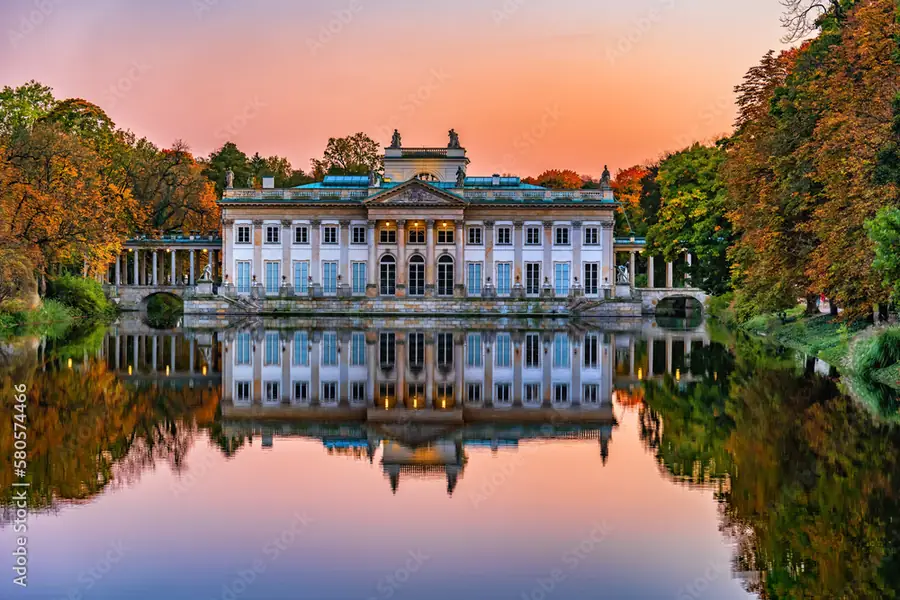
Łazienki Park
A 76-hectare royal park containing the 18th-century Palace on the Isle; which appears to float on the surface of the lake; the Neoclassical architecture is surrounded by botanical gardens and wild peacocks; sit near the Chopin Monument during the Sunday piano recitals; the music carries over the manicured lawns while the scent of blooming lime trees is thick in the summer air.
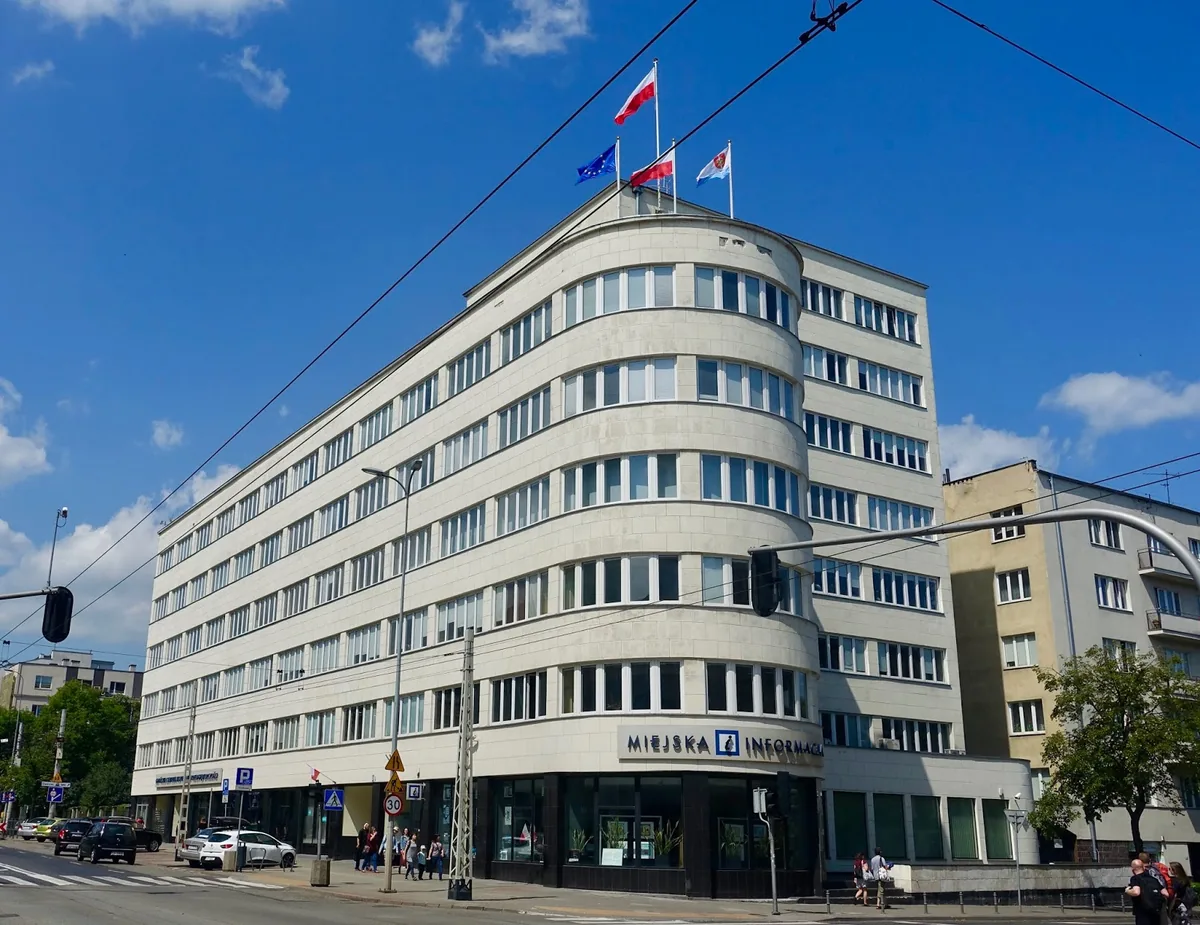
Modernist City Centre
A 1920s 'city from the sea' built in the International Style with white nautical-inspired buildings resembling ocean liners; the architecture features porthole windows and curved balconies of polished stone and glass; walk the Świętojańska Street at midday; the clinical white facades reflect the Baltic sun with intense clarity; the air is cold and smells of sea salt and diesel from the nearby container port.
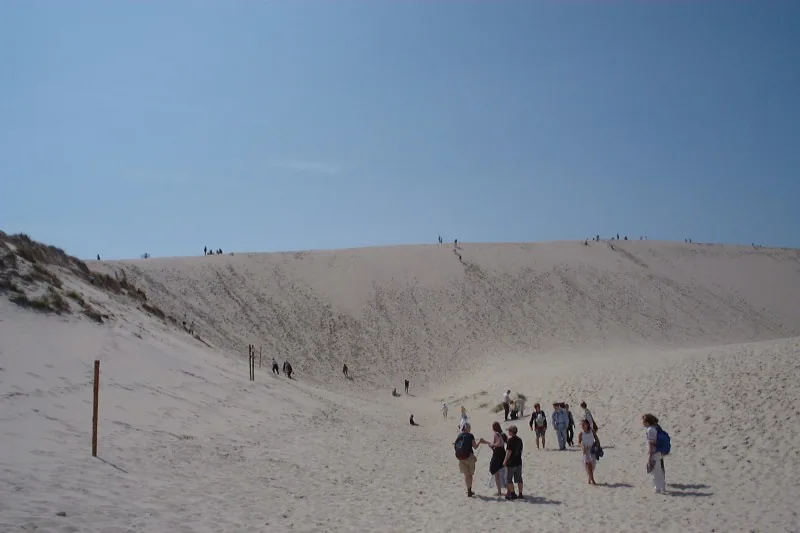
Moving Dunes
A coastal landscape of 42-metre high shifting sand dunes that migrate up to ten metres per year; burying the surrounding pine forest in white quartz sand; the UNESCO biosphere reserve sits between the Baltic Sea and Lake Łebsko; hike the ridge at sunset; the wind-sifted sand creates a low; humming sound while the laterite-red sun disappears into the grey Atlantic horizon.
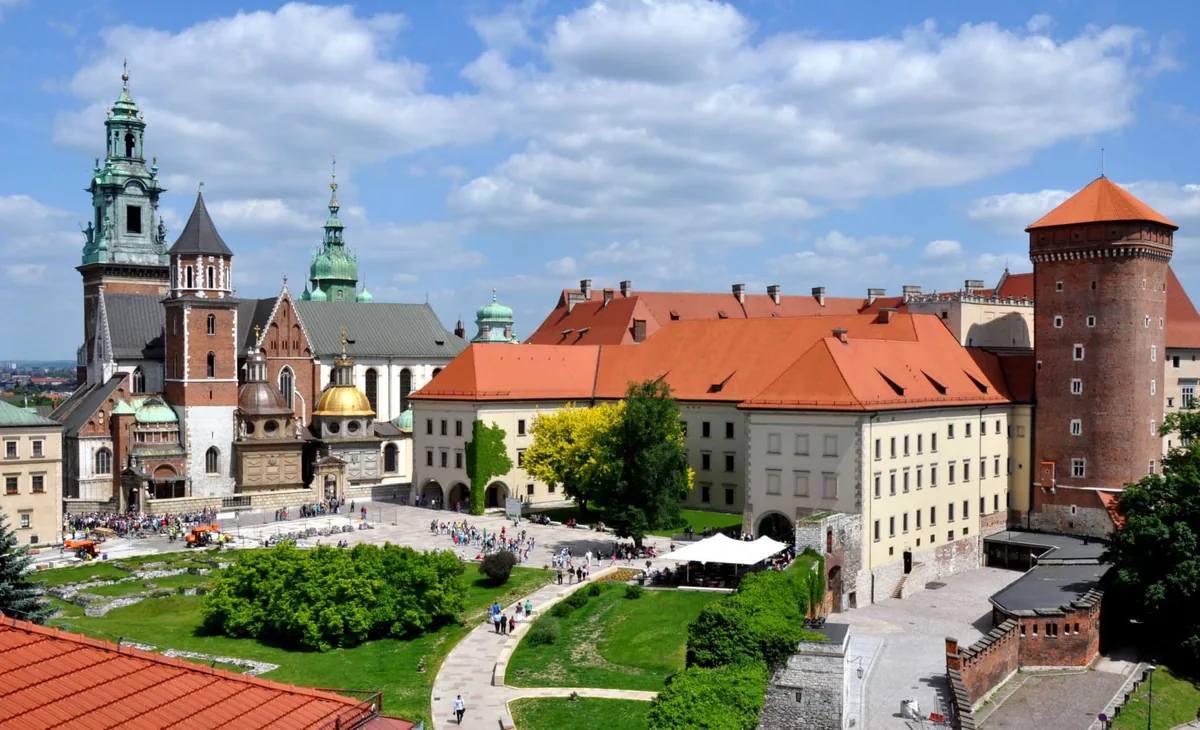
Wawel Royal Castle
The seat of Polish kings for five centuries features a mix of Romanesque; Gothic; and Renaissance masonry atop a limestone outcrop; the Royal Treasury houses the Szczerbiec coronation sword from 1320; enter the cathedral at 4 pm when the light through the Sigismund Chapel dome turns the gold-leaf interior amber; the weight of the stone tombs creates a dense; historical pressure in the air.
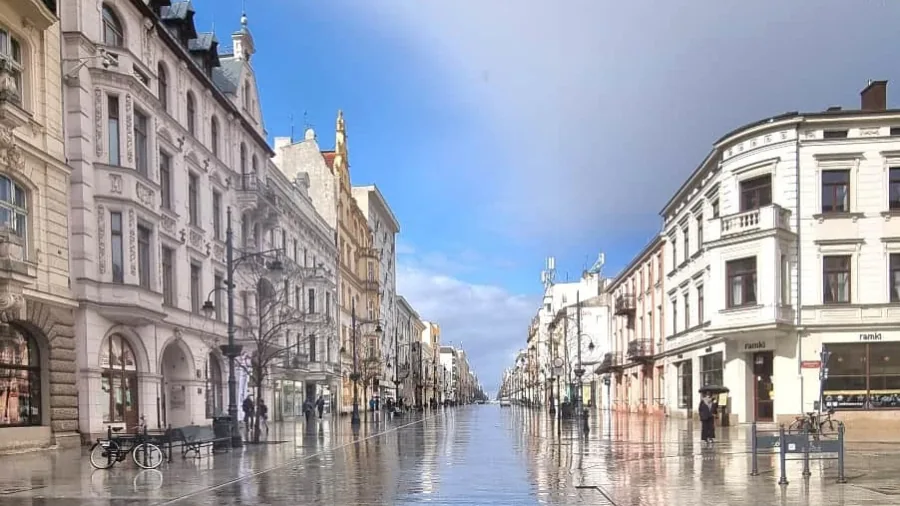
Ulica Piotrkowska
One of the longest commercial streets in Europe at 4.2 kilometres; lined with 19th-century industrialist palaces and Art Nouveau tenements; the hand-hammered iron balconies and ornate brickwork recall the city's 'Promised Land' textile boom; ride a rickshaw at dusk when the streetlamps ignite; the sound of the wheels on the granite sets and the smell of roasting coffee define the urban energy.
Main Town
The scent of Baltic salt and fossilized resin fills the air in a city that looks like a Dutch masterpiece but carries a fiercely Polish soul.
Modernist City Centre
In 1920, this was a village of wooden huts; ten years later, it was a city of white concrete where the buildings were designed to look like the ocean liners they served.
Moving Dunes of Słowiński
Forty-meter peaks of shimmering white sand are slowly marching across the Polish coast, burying entire forests and uncovering the bleached skeletons of the past.