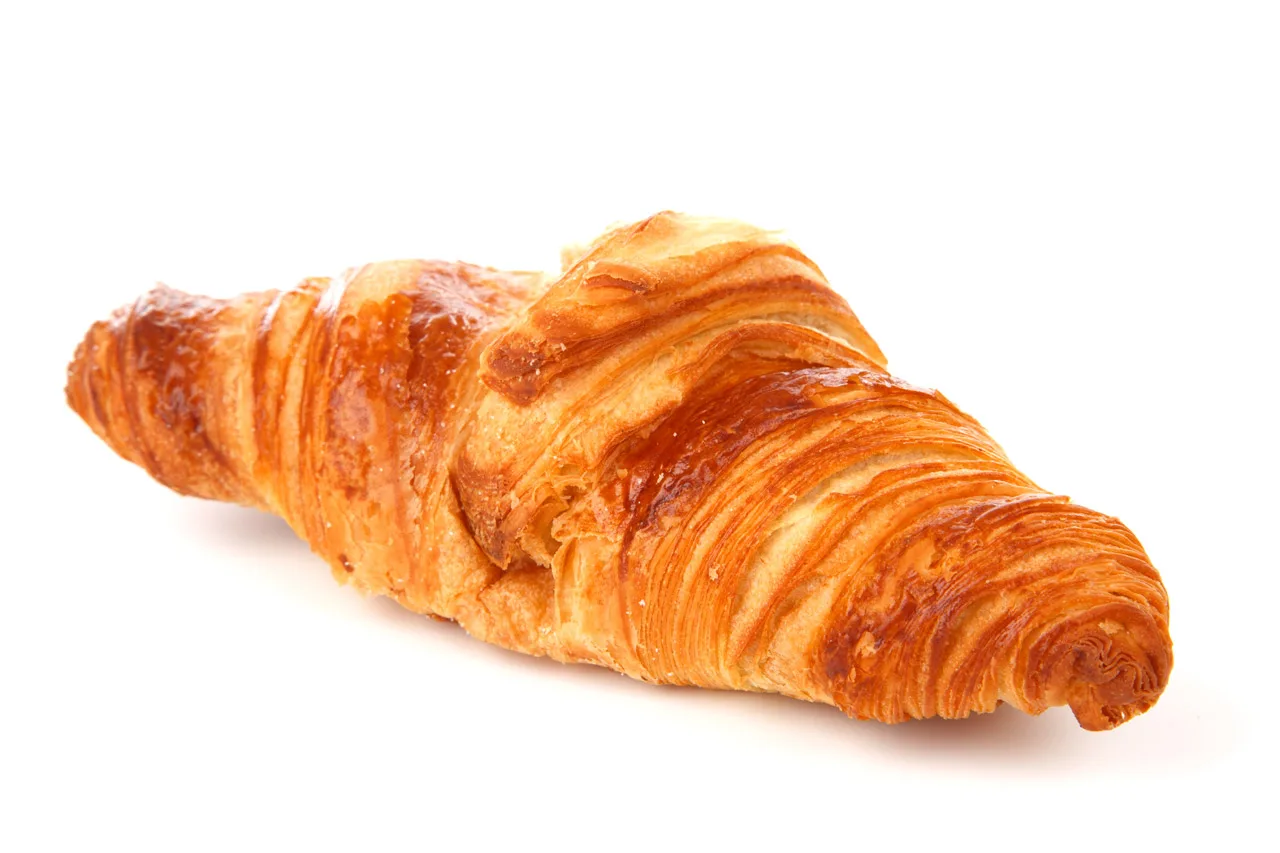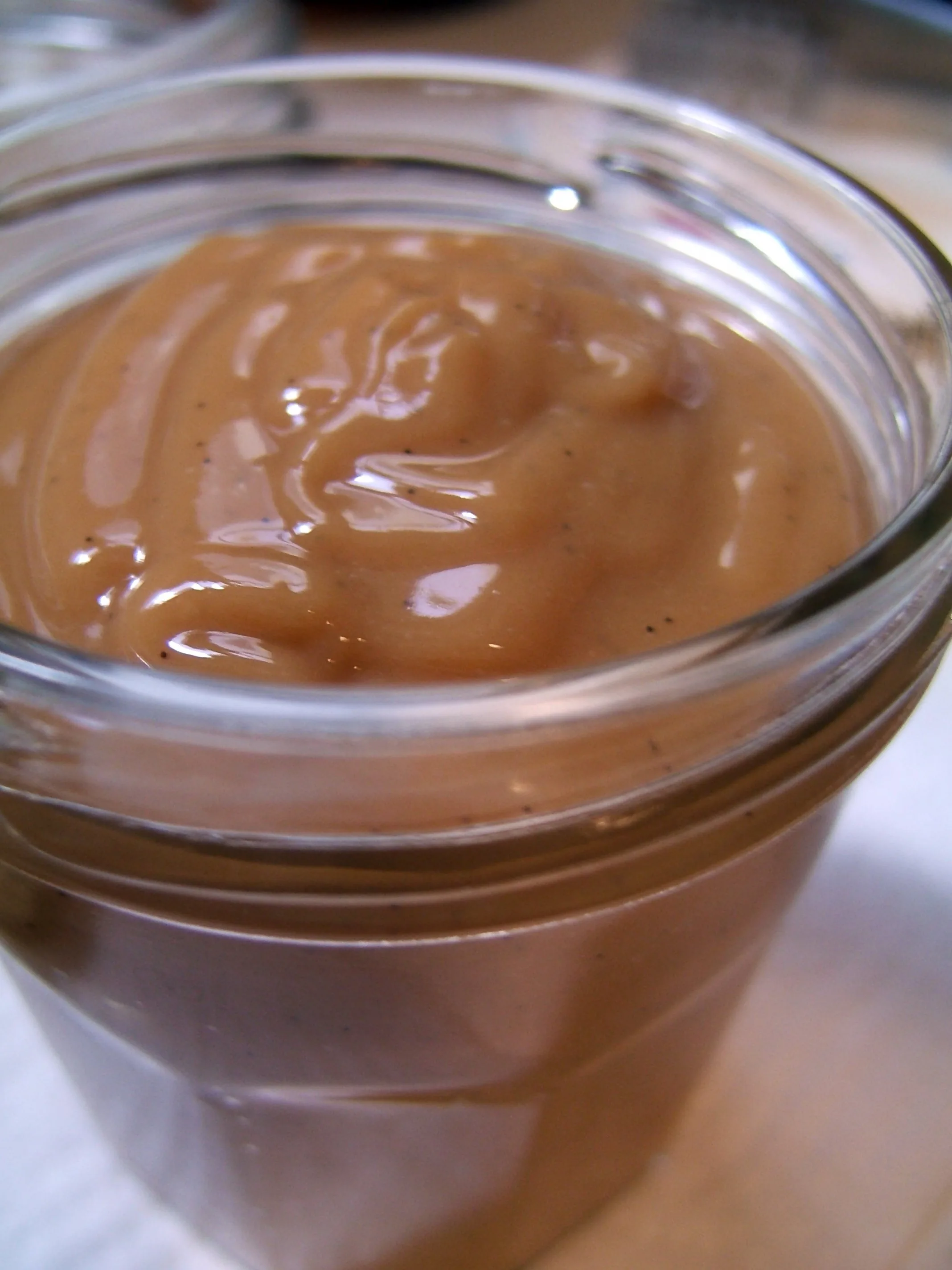
"Argentina's national obsession is a slow-cooked caramel that appears at every meal and in every pastry: spread on toast, inside alfajores, on ice cream, on everything."
About Dulce de Leche
Argentina's national obsession: a thick, bronze caramel made by slow-cooking sweetened milk for hours until it reaches a spreadable, fudge-like consistency; smeared on toast, sandwiched in alfajores, dolloped on pancakes; Argentines consume it in quantities that alarm nutritionists and delight everyone else.
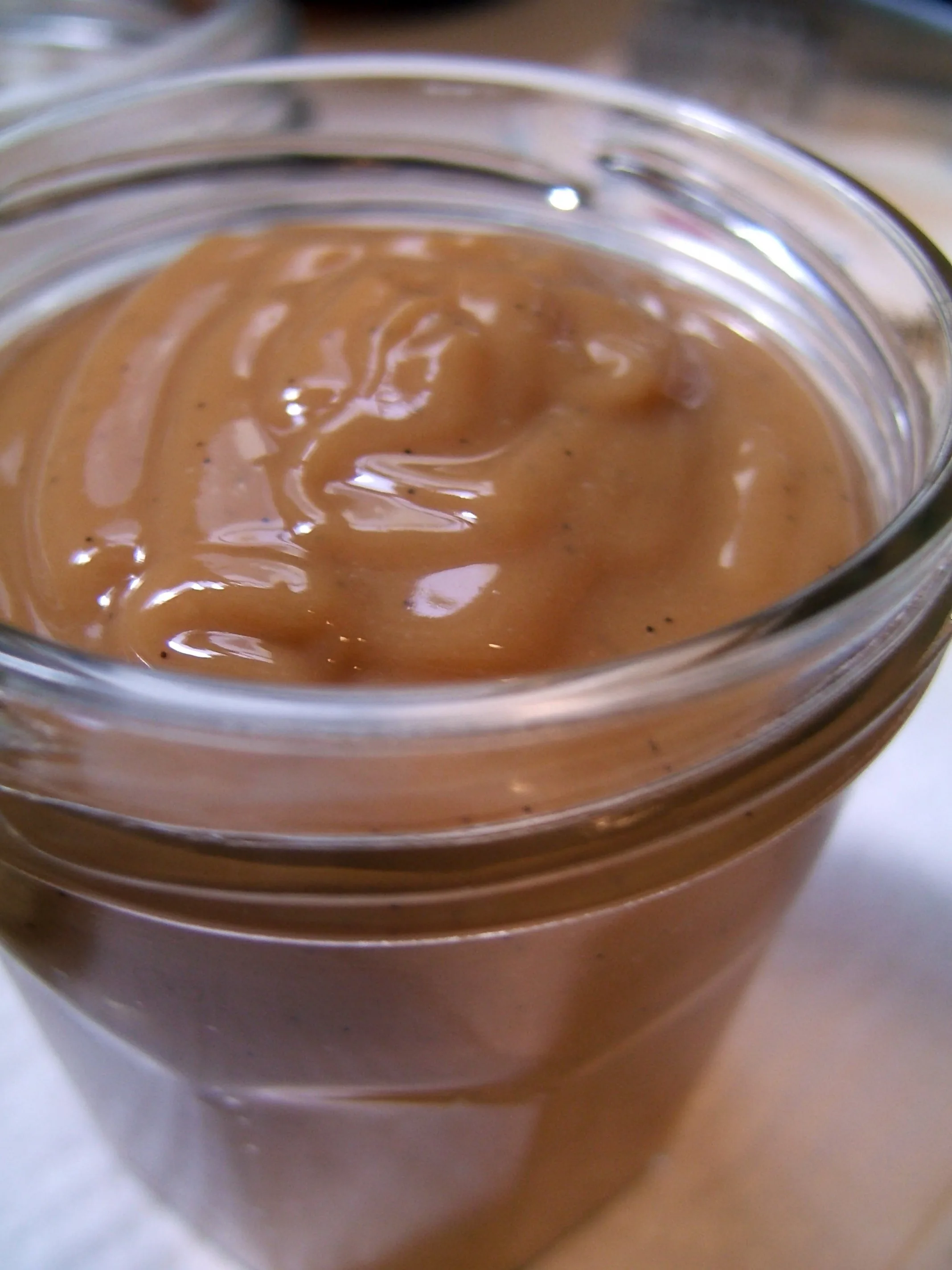
Dulce de Leche, a staple of Argentina's cuisine
The Obsession
Argentina's relationship with dulce de leche is not casual. This slow-cooked caramel of sweetened milk, bronze, spreadable and fudge-like, appears at every meal and between every meal. On toast at breakfast, in alfajores at noon, on pancakes at tea, inside facturas pastries and on ice cream at midnight. Nutritionists have expressed concern. Argentines have ignored them entirely.
What It Is
Dulce de leche is made by simmering sweetened whole milk for hours, stirring as it thickens and darkens through caramelisation of the lactose. The colour shifts from white to ivory to gold to a deep caramel bronze. The flavour is not just sweet, there's a slight bitterness from the Maillard reaction, a depth that separates it from simple caramel. Commercial versions are widely available; artisan versions from Patagonian dairy farms are in a different category entirely.
The Alfajor
The highest expression of dulce de leche is the alfajor: two soft, corn-flour biscuits sandwiching a thick layer of the caramel, rolled in desiccated coconut or dipped in chocolate. The Havanna brand alfajor from Mar del Plata is Argentina's most purchased single food item and a point of national pride.
What to Expect
The first encounter with proper dulce de leche is usually in a panadería at breakfast, where it is spread thickly on a fresh medialuna still warm from the oven. The flavour is not just sweet, there's a depth that takes a moment to understand. Dulce de leche appears again in an alfajor, and by the third encounter, jars are being bought to take home.
Why Try It
Dulce de leche provides direct access to Argentina's sweet tooth and its dairy tradition. Understanding dulce de leche means understanding why the alfajor is the country's most beloved packaged food and why every Argentine grandmother's kitchen smells the same.
✦ Photo Gallery
Insider Tips
Havanna alfajores from Mar del Plata are the national standard, buy them at any airport or kiosk.
The artisan dulce de leche sold in Patagonian farm shops is substantially better than supermarket versions. Seek it out.
The 'repostero' (baking) variety is thicker and holds shape better, better for spreading, worse for eating by the spoon.
It keeps for months unopened. Bring several jars home.