A hand-crimped pastry pocket with a filling that changes by province: the Salta version, with its raisin-sweet beef interior, is the one anthropologists write about.
About Empanadas
Salta's empanadas are the benchmark: hand-crimped pastry pockets of beef, potato, egg and olives, fried or baked; each Argentine province has its own formula, but the saltena version with its raisin-sweet filling is the one food anthropologists write about; eaten by hand, never with a fork.
The Pastry
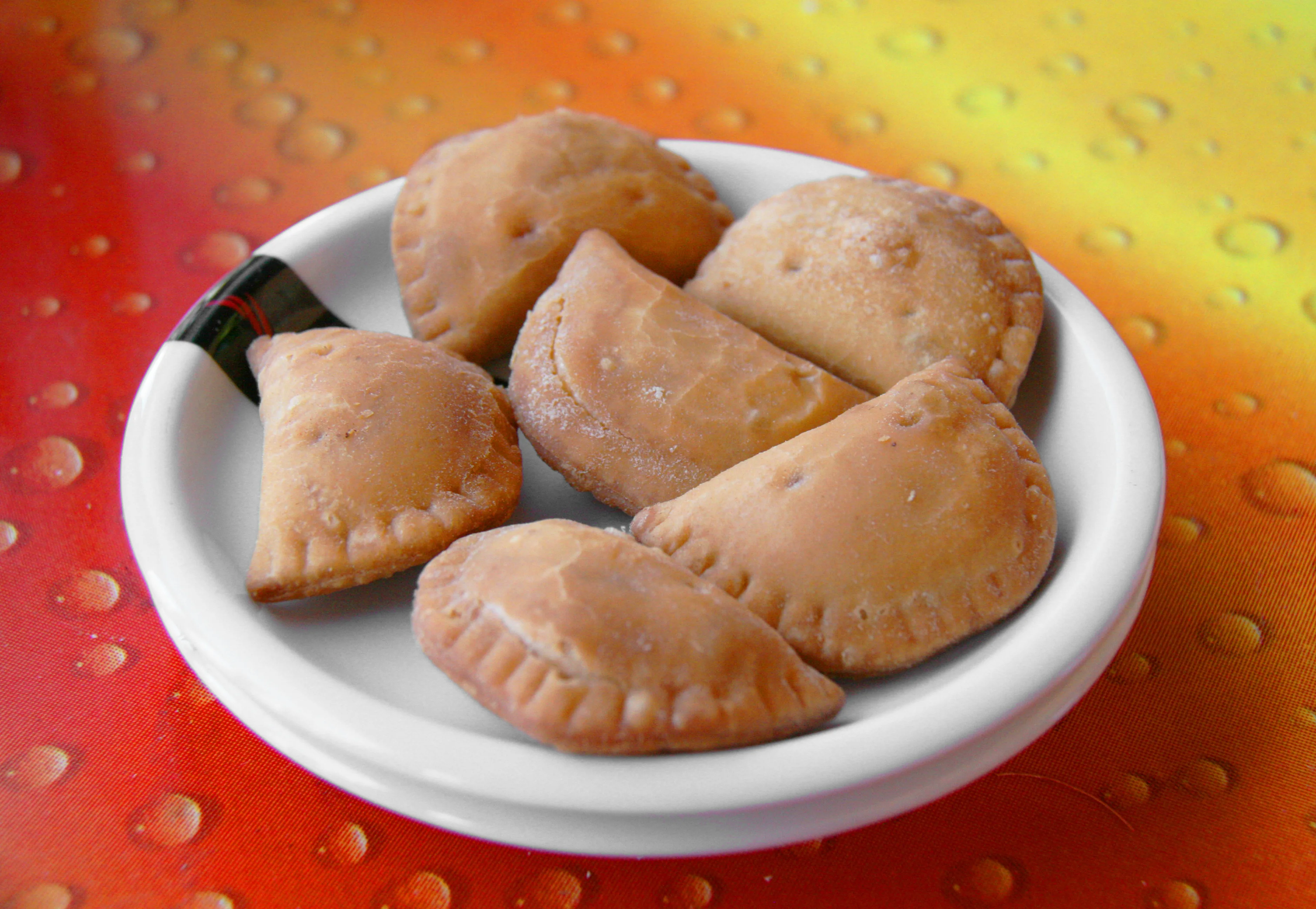
Argentina's empanada is a hand-held art form, and each province claims a definitive version. The dough is lard-based and slightly flaky, finished with a crimped top edge in a pattern called the repulgue that signals the filling inside, so the table can grab without asking. The Salta version, regarded as the gold standard by most food writers, combines beef, potato, egg, olive and raisin for a sweet, savoury and briny profile.
“Argentina's empanada is a hand-held art form, and each province claims a definitive version.”
Baked Versus Fried
A long Argentine debate centres on baked, al horno, versus fried, fritas. Baked empanadas present a drier, more golden crust and are often described as refined. Fried examples arrive oilier, crisper and harder to stop eating. In Tucuman, frying remains the sole method, while in Buenos Aires baking dominates the upmarket places. The correct answer varies entirely with the person consulted.
A Map of the Provinces
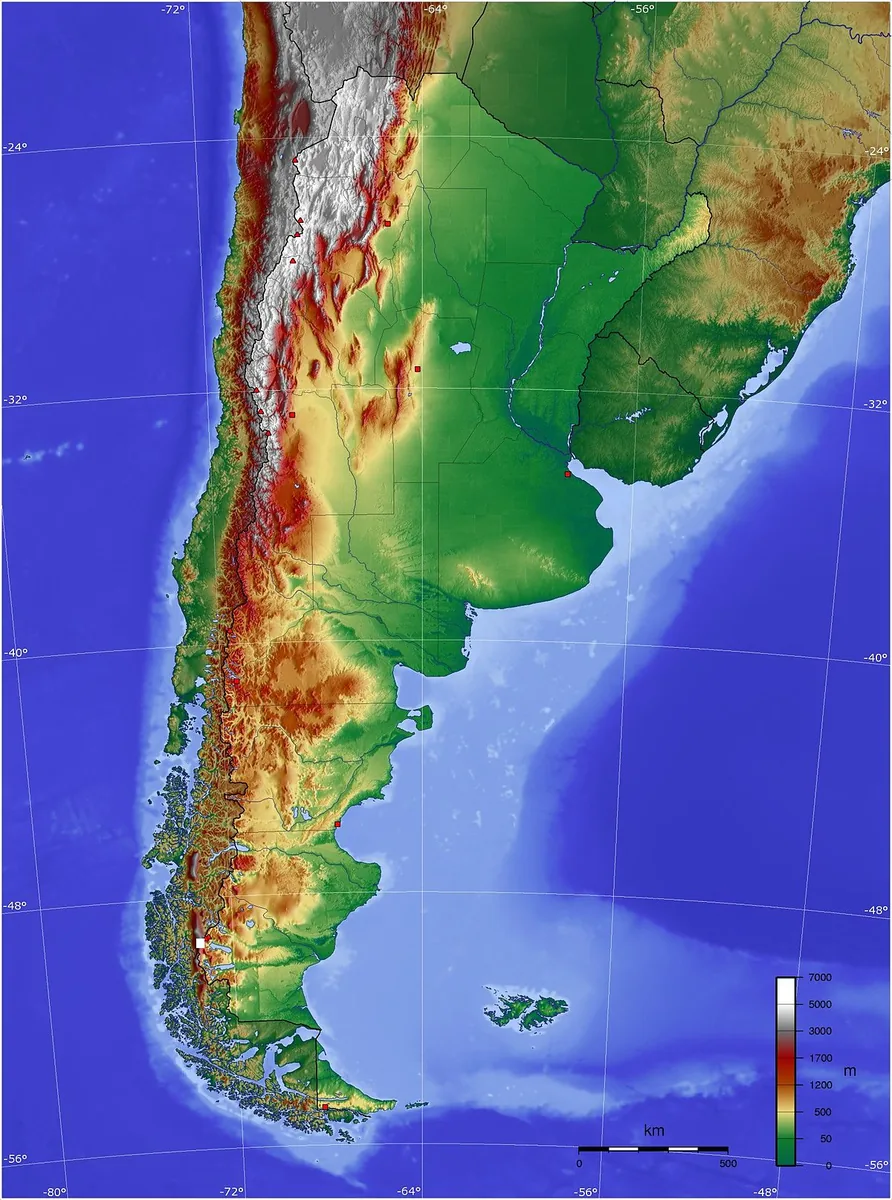
What sets Argentine empanadas apart is how sharply they change with geography. Salta and Jujuy in the north favour hand-cut beef, cumin and a little heat; Mendoza leans on olives; Catamarca and Tucuman keep them small and juicy. The meat is often knife-cut rather than minced, a detail northern cooks insist on. Reading the filling and the crimp is a way of reading the country.
Everyday and Festive
Empanadas are both daily food and celebration food, sold by the dozen from corner shops and baked in quantity for national holidays and family gatherings. They travel well, eaten warm or at room temperature, which has kept them central to Argentine life for generations. A tray arriving at the table is the usual signal that the meal, and the talking, has begun.
What to Expect
At a proper Argentine lunch, empanadas arrive at the table before anything else has been decided. The diner eats them standing, biting carefully from the corner first so the juice doesn't run, and reaches for a second before finishing the first.
Why Try It
Empanadas provide the clearest regional map of Argentine cooking in a single food. The Salta version is profoundly different from the Mendoza version, which differs from Buenos Aires. This is a study in how one country's landscape shapes its kitchen.
Insider Tips
- Eat them by hand, never with a fork, the juice running is part of the experience.
- In Salta, order the baked version with the traditional pino filling. Don't substitute.
- The repulgue (crimp pattern) on top indicates the filling, ask the vendor what each shape means.