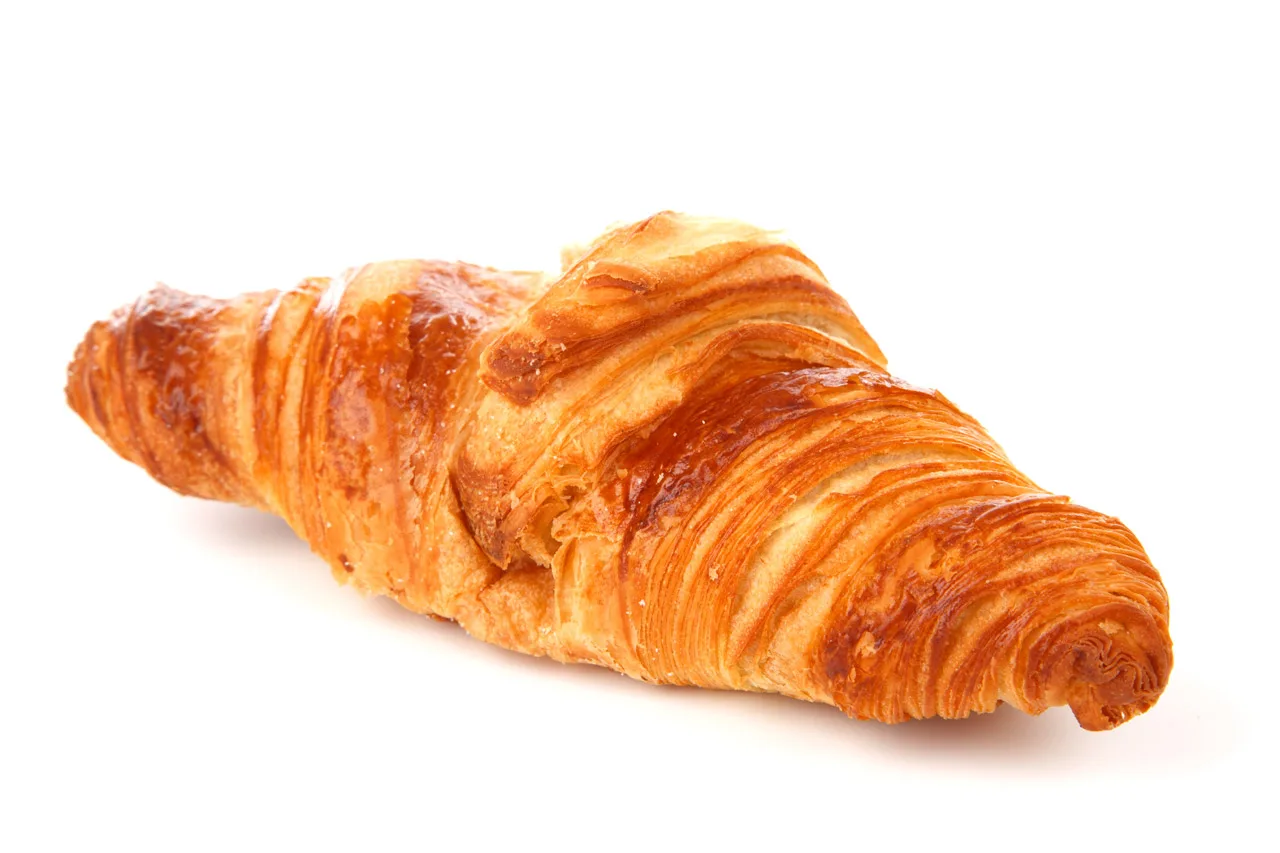
"Buenos Aires' answer to the croissant is smaller, stickier and eaten at a marble counter with a coffee at the same time every morning."
About Medialunas
Buenos Aires' answer to the croissant, smaller, crescent-shaped pastries glazed with a sticky honey syrup that creates a lacquered sheen; consumed at every café counter with a cortado; the medialuna de manteca (butter) versus the grasa (lard) debate is a genuine Buenos Aires pastime.
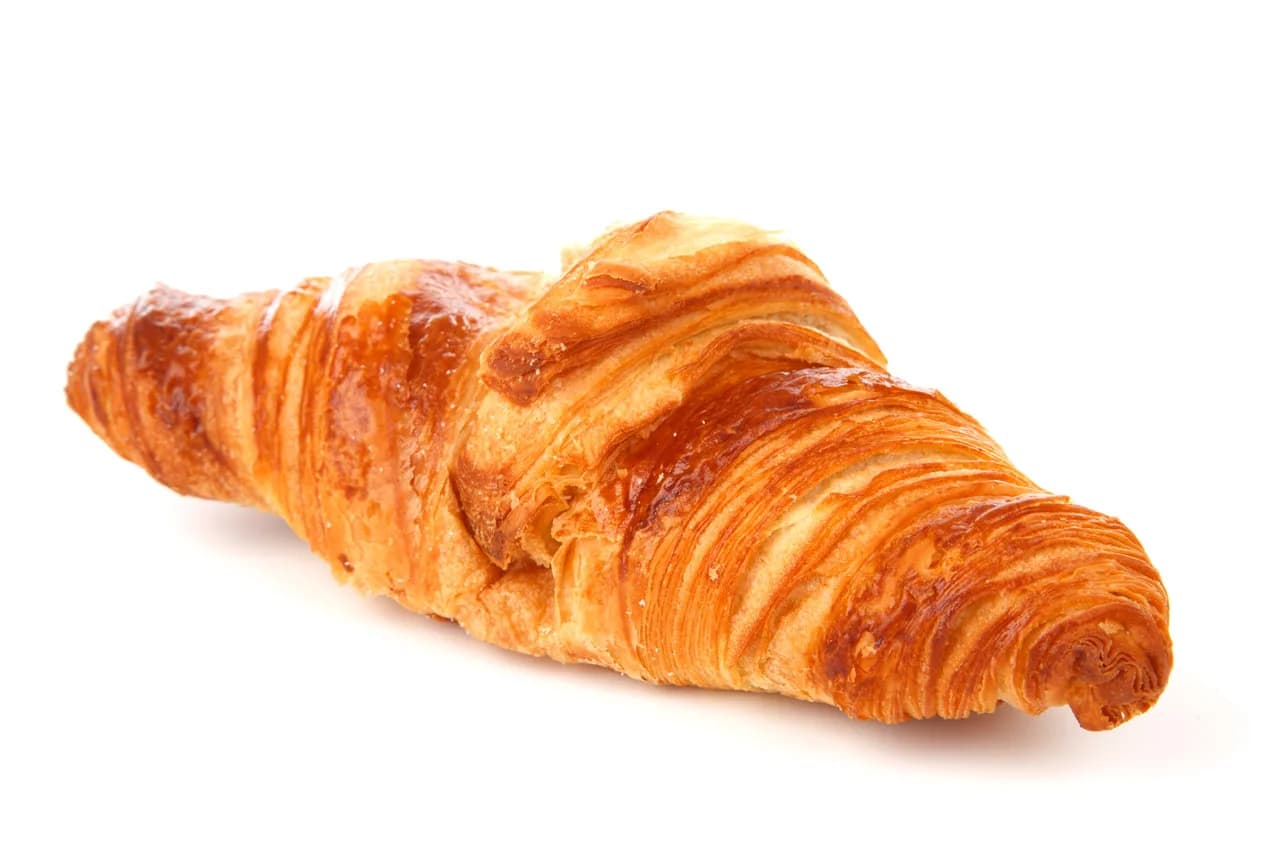
Medialunas, a staple of Argentina's cuisine
Not Quite a Croissant
Argentina's medialuna is not a croissant, though French baking runs through both. Smaller, crescent-shaped and glazed with a honey syrup that lacquers the surface to an amber shine, the medialuna is softer, sweeter and stickier than its French ancestor. The version made with manteca, butter, is flakier; the grasa, lard, version is denser and richer, and Buenos Aires holds passionate opinions about which is better.
Breakfast Culture
The medialuna belongs to the cafe counter, eaten in the mid-morning with a cortado or a lagrima, an espresso with a tear of milk. The grand Buenos Aires cafes, among them the Tortoni, the London City and the Ideal, are as much about the ritual of the media manana as about the pastry itself. A patron orders, the barman slides two medialunas onto a small plate, and conversation begins.
A French Inheritance, Reworked
The pastry descends from the viennoiserie that European immigrants brought to Argentina, then drifted from its origins. Where a French croissant aims for dry, shattering layers, the medialuna was sweetened and brushed with syrup to suit local tastes, ending up closer to a glazed breakfast roll than a laminated pastry. It is a small lesson in how immigrant food becomes national food.
How to Order
Medialunas are rarely eaten alone or at home; the point is the cafe and the company. They come warm from morning batches, sometimes split and pressed on the grill, and are best with a small, strong coffee rather than a large milky one. Two on a saucer with a cortado is the unspoken standard order.
What to Expect
The medialuna at a Buenos Aires café arrives warm, glazed and slightly sticky to the touch. A diner tears rather than bites, and the interior is soft enough to compress between their fingers. The coffee comes in a small glass cup. This ritual takes exactly as long as it takes.
Why Try It
Buenos Aires café culture is one of the city's genuine pleasures, and the medialuna is inseparable from it. Finding a corner table at an old café on Corrientes and ordering properly is a Buenos Aires rite of passage.
✦ Photo Gallery
Insider Tips
The manteca (butter) version is lighter and flakier, always the better choice.
Order them warm, not reheated. A good café will have fresh batches through the morning.
Pair with a cortado, not a café con leche. The ratio matters.