Argentina's working-class masterpiece, a pounded beef cutlet fried to a golden crust, is eaten by every Argentine from every background, and every grandmother believes hers is best.
About Milanesa
Argentina's working-class masterpiece: a thin cut of beef pounded flat, crumbed in breadcrumbs and shallow-fried to a golden crust; served napolitana-style with tomato sauce and melted mozzarella; every Argentine grandmother has a recipe, and every Argentine believes theirs is the best.
The Cutlet
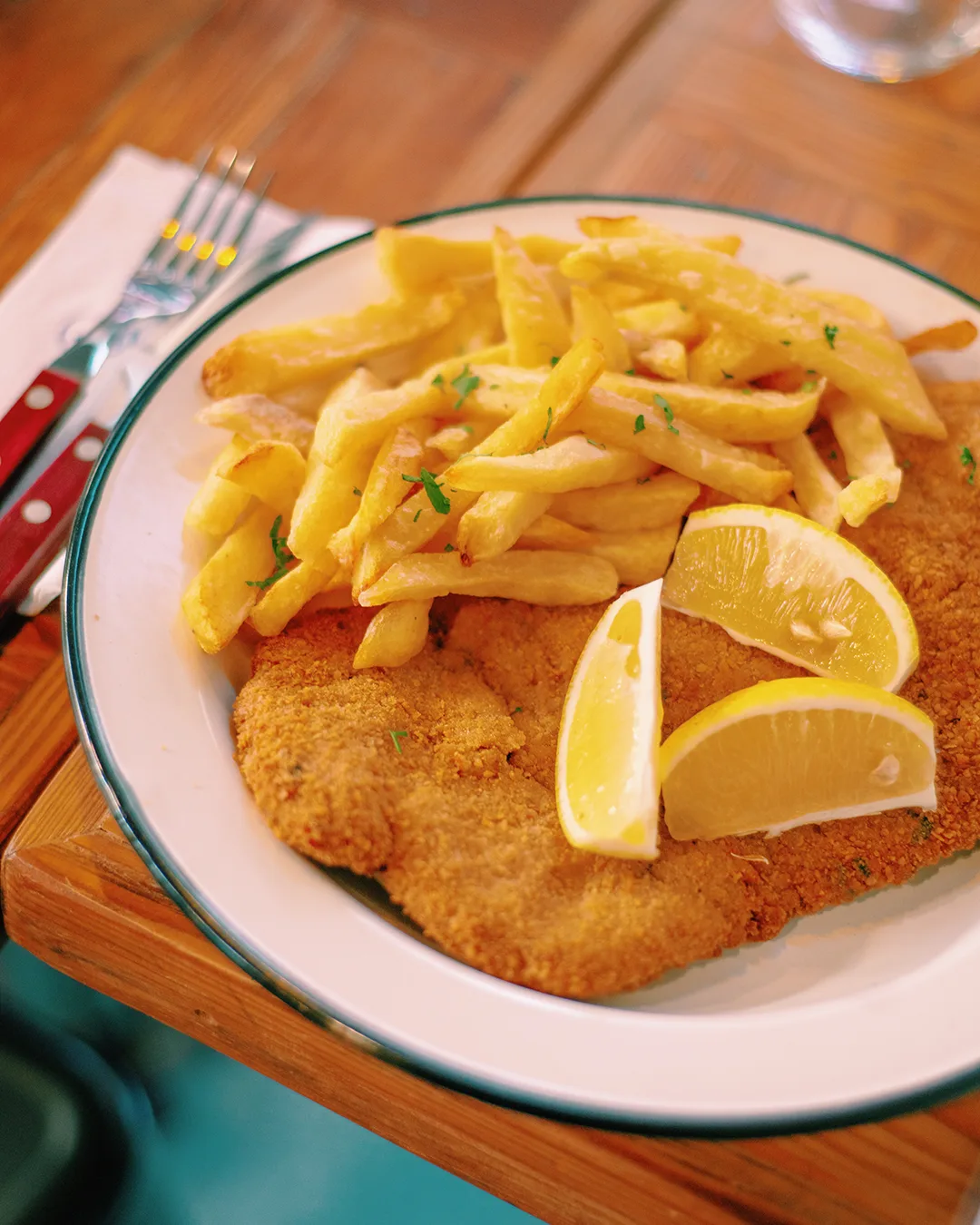
Argentina's most eaten home-cooked dish is a thin cut of beef, topside or silverside, pounded until almost translucent, dredged in seasoned breadcrumbs and shallow-fried in sunflower oil until the crust turns a deep, crackling gold. The result is crisp outside and tender within, and unmistakably Argentine. Every neighbourhood in Buenos Aires has a restaurant that claims its milanesa is the definitive one.
“The result is crisp outside and tender within, and unmistakably Argentine.”
The Napolitana
The milanesa a la napolitana is the Argentine upgrade: tomato sauce poured over the cutlet and a blanket of melted mozzarella added before a brief return to the oven. It has nothing to do with Naples and everything to do with Buenos Aires, where it was supposedly born at a restaurant near the Obelisco. Served with chips, it is the standard weeknight dinner in countless Argentine households.
An Immigrant's Dish
The milanesa traces back to the cotoletta and schnitzel traditions that Italian and Central European immigrants carried to the River Plate. Argentina absorbed it so completely that the foreign origin has all but vanished, and beef, cheaper and more plentiful here than veal in Europe, became the default meat. Chicken milanesa, milanesa de pollo, is the common lighter variation.
How It Is Eaten
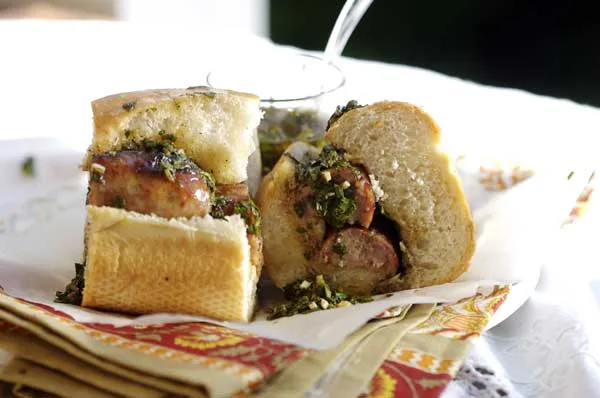
Beyond the dinner plate, the milanesa lives a second life as a sandwich, the milanesa completa, layered into a roll with lettuce, tomato and mayonnaise. It is lunchbox food, holiday food and comfort food at once, the dish most Argentines first learn from a grandmother. Cut rather than bitten, with mustard or a squeeze of lemon, it is everyday cooking at its most loved.
What to Expect
The milanesa arrives on a large plate with papas fritas piled alongside. The crust is dry and cracking. The interior is soft, almost melting. A cut, rather than a bite, is the preferred method of consumption, accompanied by mustard or lemon, depending on which half of Argentina one was raised in.
Why Try It
The milanesa is the dish that reveals the most about everyday Argentine cooking: not asado, which is special occasion food, but the daily kitchen, the grandmother's recipe, the neighbourhood restaurant. Eating one is a way of experiencing ordinary Argentine life.
Insider Tips
- Order the milanesa napolitana at any tenedor libre, the unlimited-refill restaurants, always a reliable version.
- The sandwich version (milanesa completa in a bread roll with lettuce, tomato and mayo) is the best fast lunch in any Argentine city.
- Avoid versions in tourist areas, find a neighbourhood parrilla and order it there.