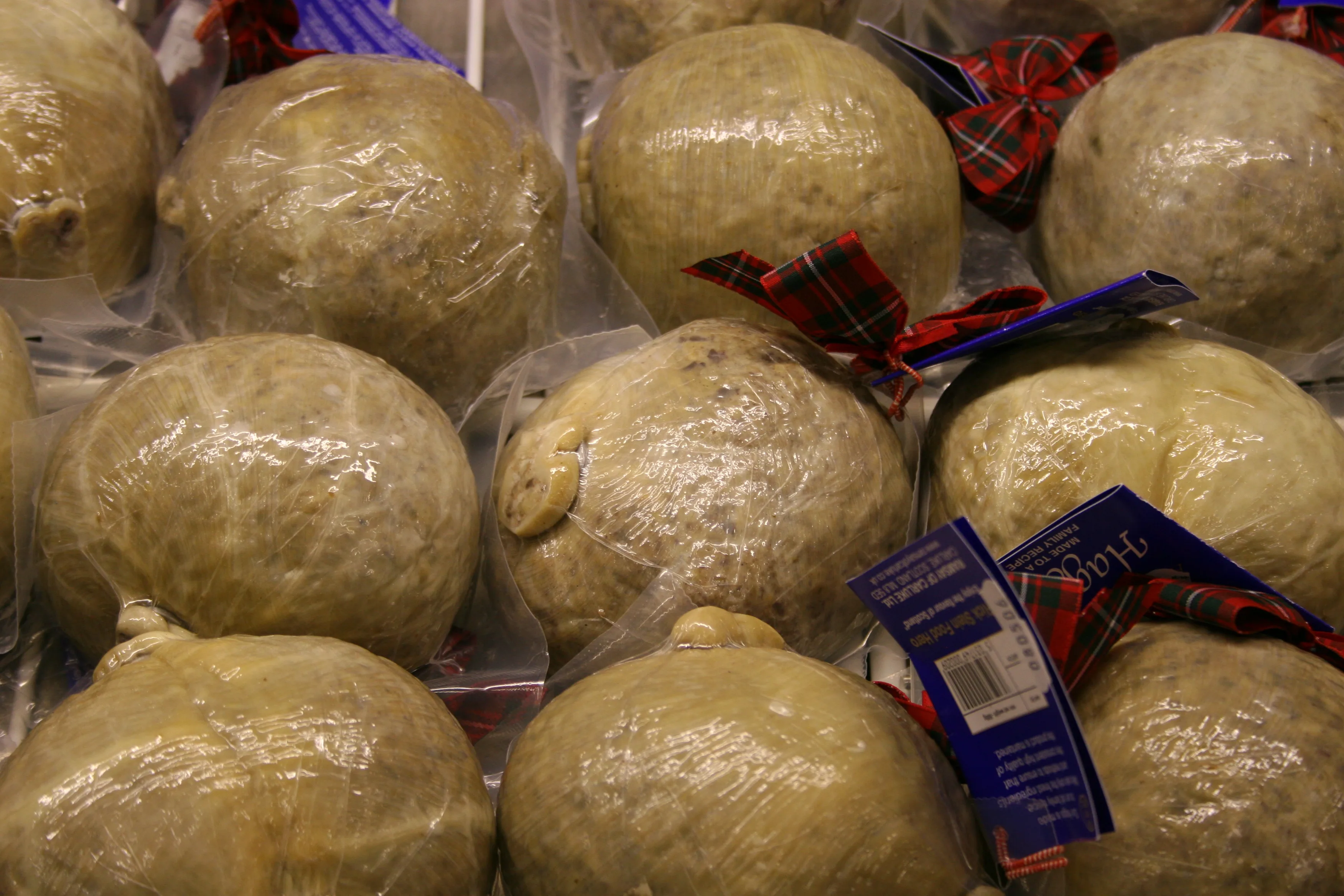
"Scotland's national dish sounds alarming, with earthy, peppery, deeply savoury flavours, eaten ceremonially on Burns Night with whisky and a poem."
About Haggis
Scotland's national dish and its most misrepresented: sheep's heart, liver and lungs minced with oatmeal, suet, onion and spices, encased in a stomach and simmered; the flavour is earthy, peppery and deeply savoury with none of the challenge implied by the ingredients; served with neeps (turnip) and tatties (mashed potato) and a dram of whisky on Burns Night.
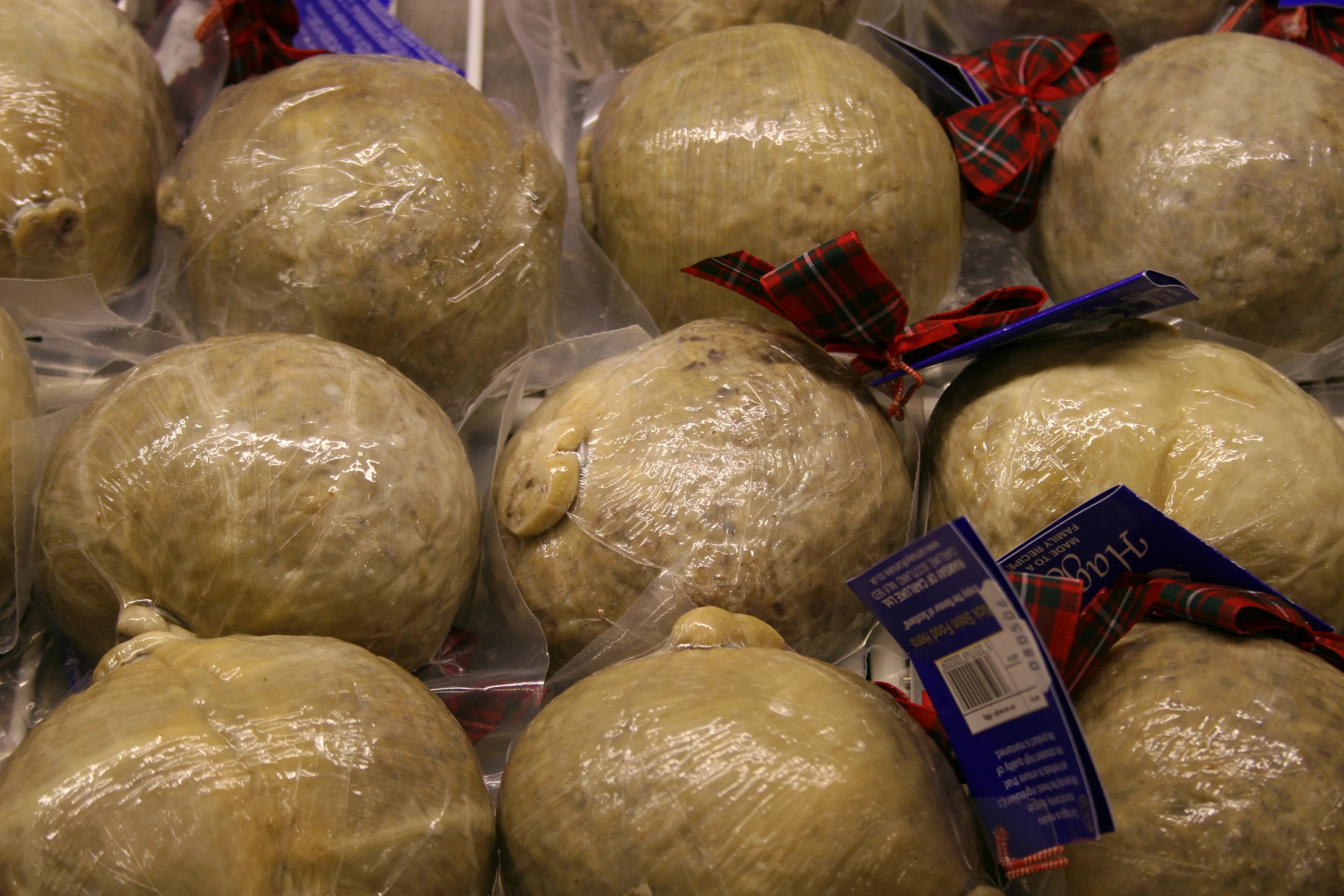
Haggis, a staple of United Kingdom's cuisine
Scotland's Dish
Haggis is a pudding of sheep's heart, liver and lungs minced with oatmeal, suet, onion and plenty of pepper, traditionally cased in a sheep's stomach and simmered. For all the alarm its ingredients cause, the cooked result is earthy, peppery and deeply savoury rather than challenging. It is served with neeps and tatties, mashed swede and potato, and a dram of whisky.
What Is In It
Haggis belongs to a long tradition of thrifty cooking that used the whole animal, turning offal and oats into something hearty and well seasoned. The oatmeal gives it a soft, crumbly texture, and the generous pepper is its defining flavour. Modern butchers make excellent versions, and vegetarian haggis built on pulses and oats is now common.
Burns Night
Each January, Scotland celebrates the poet Robert Burns with a supper at which the haggis is carried in to bagpipes, addressed with his poem to the dish, and ceremonially cut open. It is a national ritual that treats a humble pudding with theatrical respect. Few dishes anywhere are honoured with their own poem and ceremony.
Neeps, Tatties and a Dram
The classic plate pairs haggis with mashed swede, the neeps, and mashed potato, the tatties, with the peppery pudding set against their sweetness. A whisky alongside, often a peaty island malt, completes it. Simple and warming, it is Scottish comfort food raised, once a year, to ceremony.
What to Expect
The haggis arrives at the table steaming, the stomach casing split to reveal the dark, crumbly interior. A forkful with neeps and tatties is eaten. The oatmeal texture and the offal depth are present but not aggressive. Whisky is poured.
Why Try It
Haggis shows that Scotland takes its national dishes seriously enough to celebrate them with poetry, a response to food that most countries have not tried.
✦ Photo Gallery
Insider Tips
Burns Night (25 January) is the correct occasion, attend a formal Burns supper if possible.
The commercial vacuum-packed haggis available in supermarkets is reliable for everyday eating.
Drink a peaty Islay Scotch alongside rather than a blended whisky.