All landmarks and tourist attractions in United Kingdom
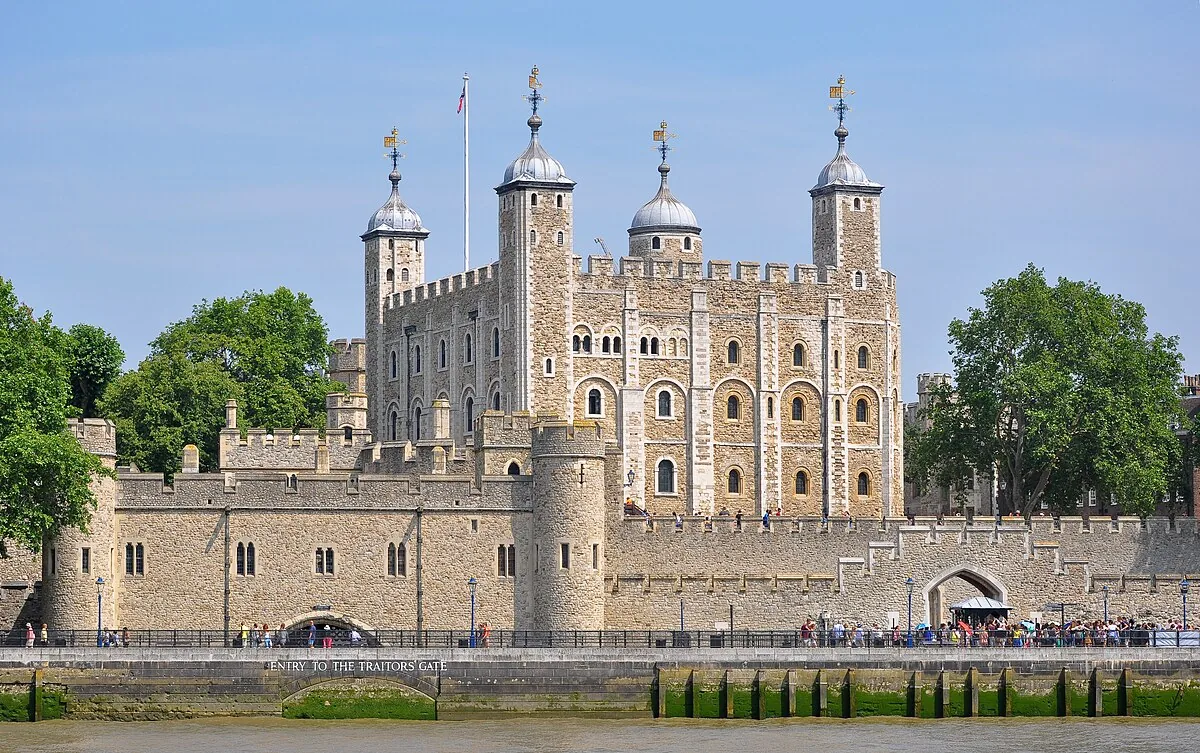
Tower of London
A formidable 11th-century fortress anchored by the White Tower; built by William the Conqueror to overawe Londoners with Norman stone; the ravens’ wings clip the air above the Traitors' Gate where prisoners once entered from the Thames; arrive for the Ceremony of the Keys at 9:53 pm to hear the sentry’s challenge echo off the limestone ramparts in a ritual unbroken for 700 years.
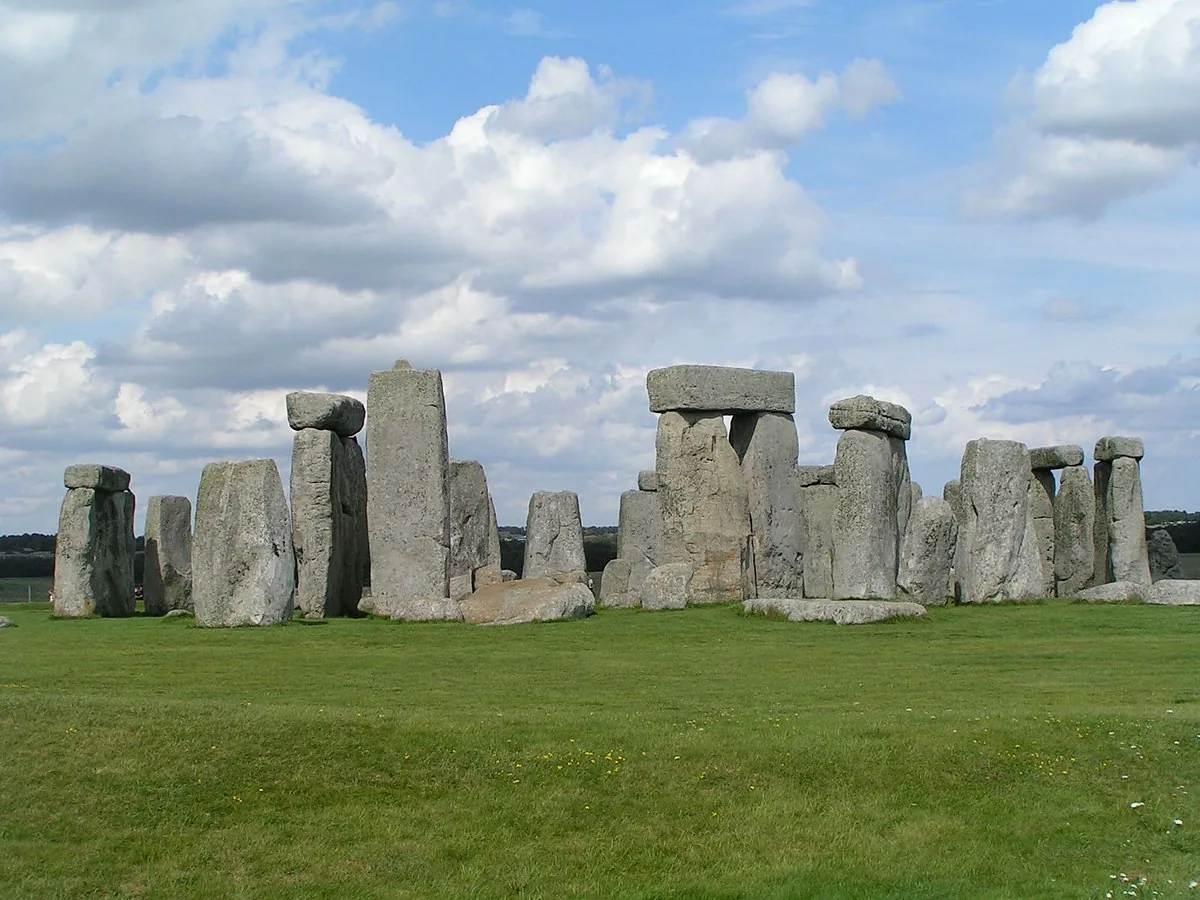
Stonehenge
The world’s most architecturally sophisticated prehistoric stone circle; comprised of 25-ton sarsen stones and smaller bluestones transported from Wales around 2500 BC; the lintels are secured by precise mortise-and-tenon joints; stand on the periphery at dawn during the winter solstice when the sun aligns perfectly with the Great Trilithon; the silence of the Salisbury Plain is heavy with five millennia of ritual.
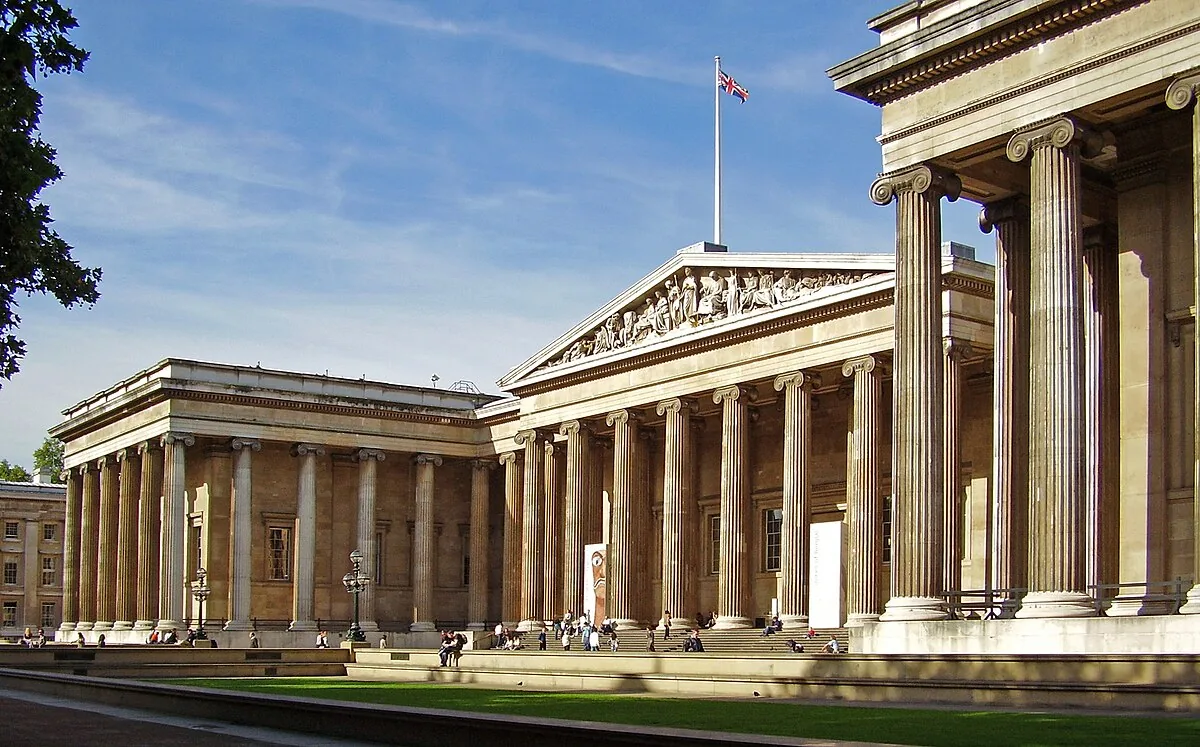
British Museum
A Greek Revival temple of global history housing the Rosetta Stone and the Elgin Marbles within its 1823 core; the Great Court’s tessellated glass roof filters the grey London light into a sharp; geometric grid across the central reading room; walk the Egyptian sculpture gallery at 10 am when the sun hits the colossal red granite head of Amenhotep III; the scale of the artifacts dwarfs the modern city.
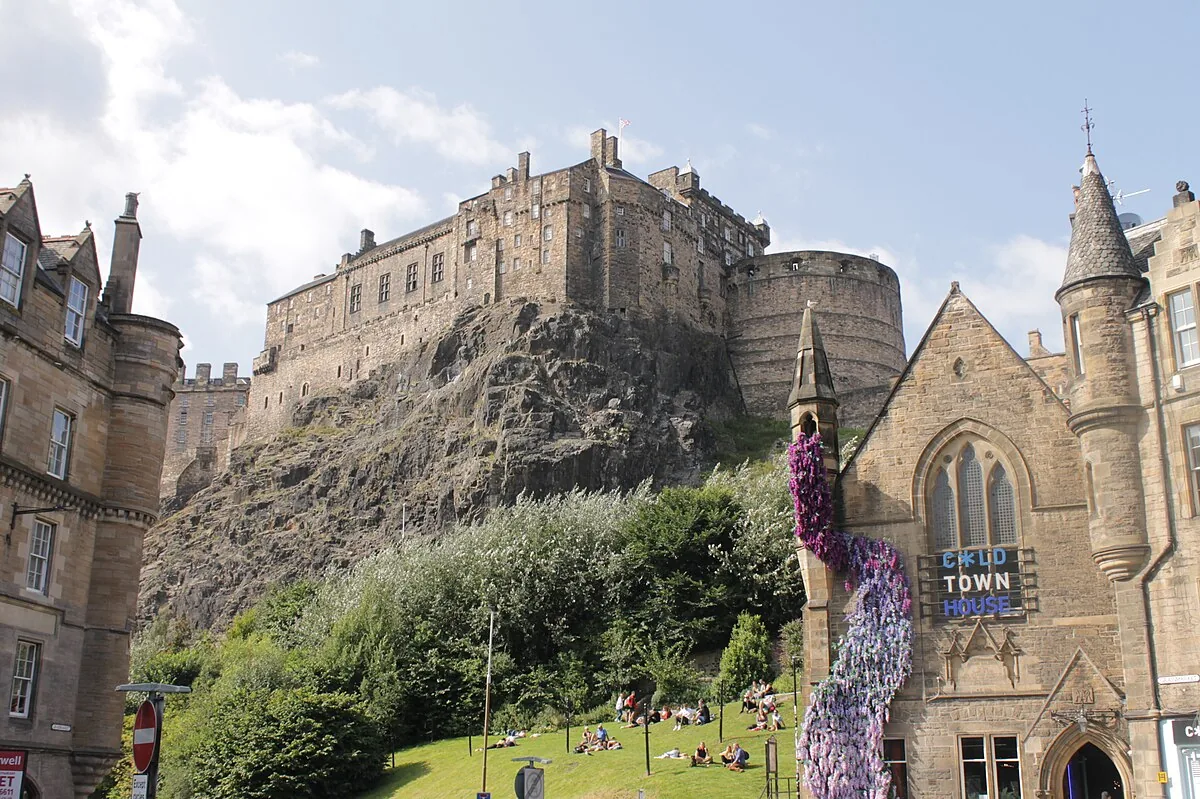
Edinburgh Castle
Perched atop Castle Rock; an extinct volcanic plug rising 130 metres above the city; this stronghold has endured twenty-six sieges since the 12th century; the Honours of Scotland sit within vaulting of thick; damp-smelling masonry; stand on the Mons Meg battery at 1 pm to hear the One O'Clock Gun roar over the Princes Street Gardens; the sound vibrates through the ancient basalt foundations.
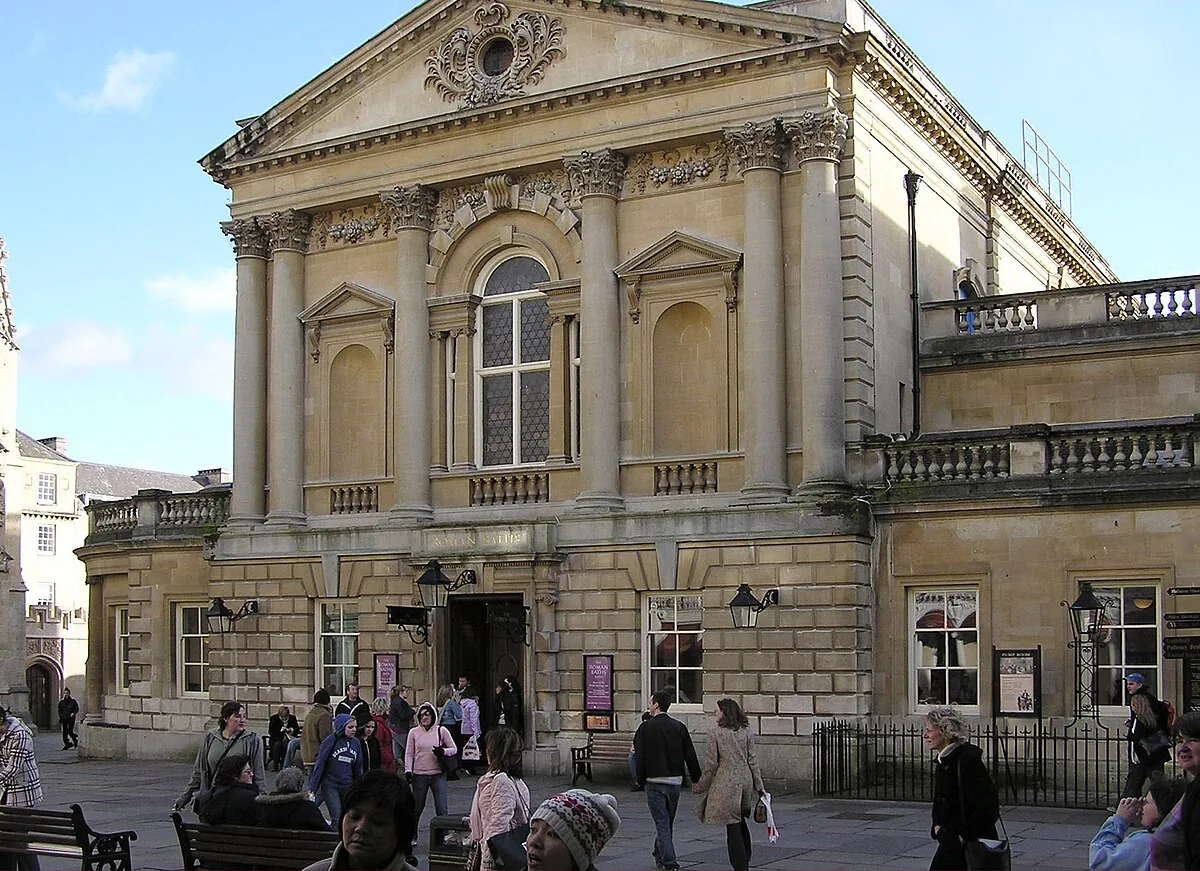
Roman Baths
A 1st-century thermal complex built around the UK's only hot spring; where 1;170;000 litres of 46°C water still rise daily into the lead-lined Great Bath; the surrounding statues of Roman governors watch through the rising steam; visit at dusk when the flickering torchlight reflects off the emerald-green mineral water; the smell of sulphur and wet stone evokes the sensory world of Roman Aquae Sulis.
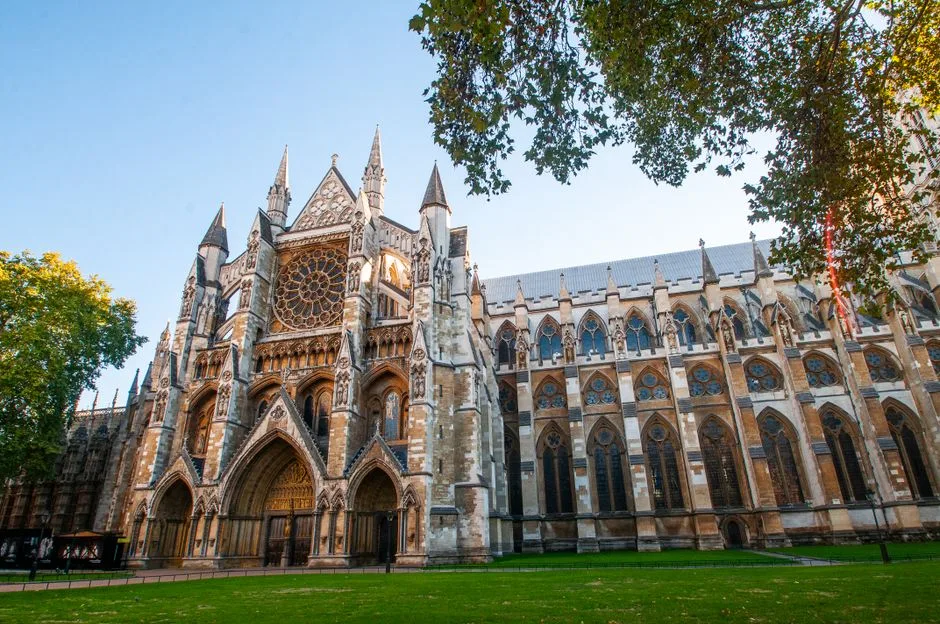
Westminster Abbey
A 13th-century Gothic masterpiece and the coronation church of monarchs since 1066; its nave is a soaring forest of Purbeck marble columns and medieval heraldry; stand in the Henry VII Chapel at 4 pm when the light catches the intricate fan vaulting; the air is thick with the weight of thirty thousand burials; including kings and poets; silenced only by the evening choir.
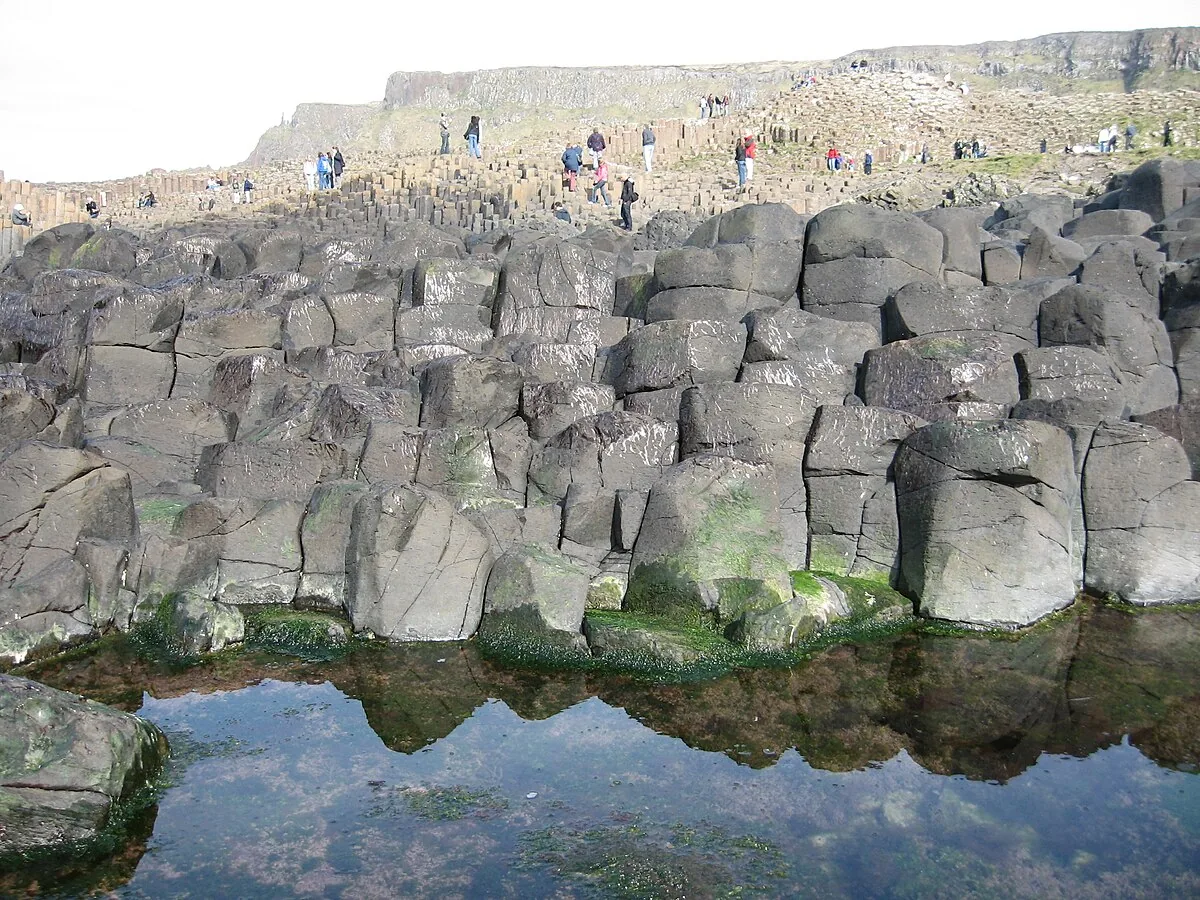
Giant's Causeway
An otherworldly pavement of 40;000 interlocking basalt columns formed by a subterranean volcanic eruption 60 million years ago; the hexagonal pillars descend like a stepped staircase into the churning North Atlantic; walk the 'Honeycomb' at sunrise when the salt spray glitters against the moss-slicked stone; the sound of the swell thundering into the sea caves creates a low-frequency vibration felt in the chest.
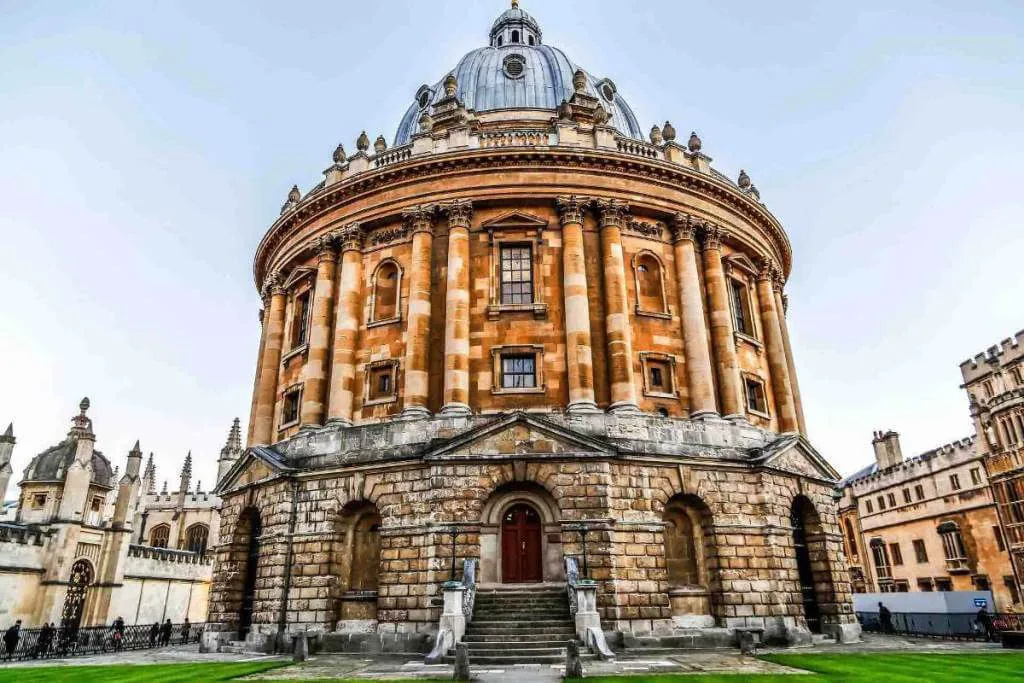
Bodleian Library
One of the oldest libraries in Europe; the 15th-century Duke Humfrey's Library remains a sanctuary of chained books and hand-painted timber ceilings; enter the Divinity School to see the 455 carved stone bosses of the Gothic vaulting; the scent of beeswax and slowly decaying vellum is pervasive; the silence is so profound it feels as though the 17th-century scholars have only just stepped out.
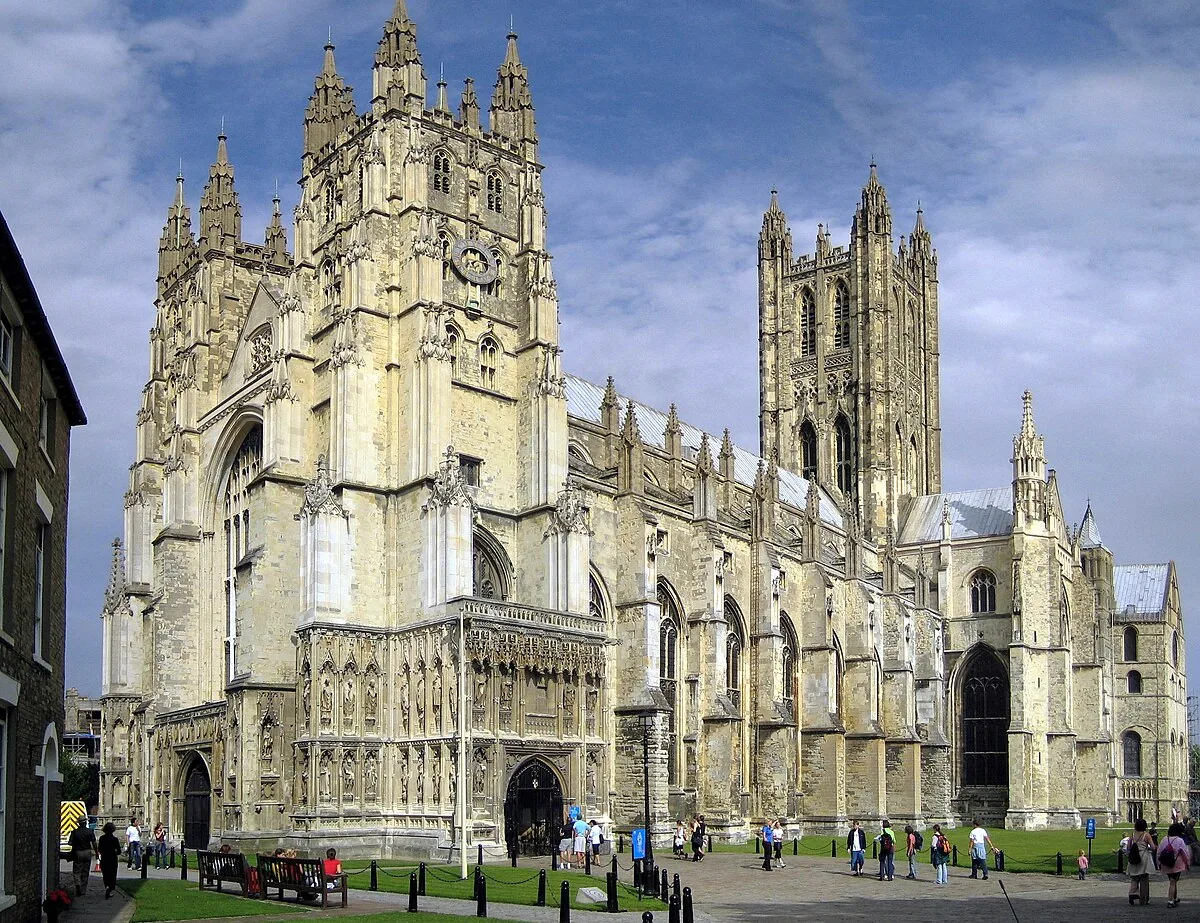
Canterbury Cathedral
The cradle of English Christianity; this 12th-century Romanesque and Gothic cathedral is the site of Thomas Becket’s 1170 martyrdom; the Trinity Chapel holds some of the world's oldest stained glass; arrive for Evensong when the sunlight turns the stone piers amber; the voices of the choir ascend into the 72-metre Bell Harry Tower; filling the nave with a resonant; ethereal acoustic.
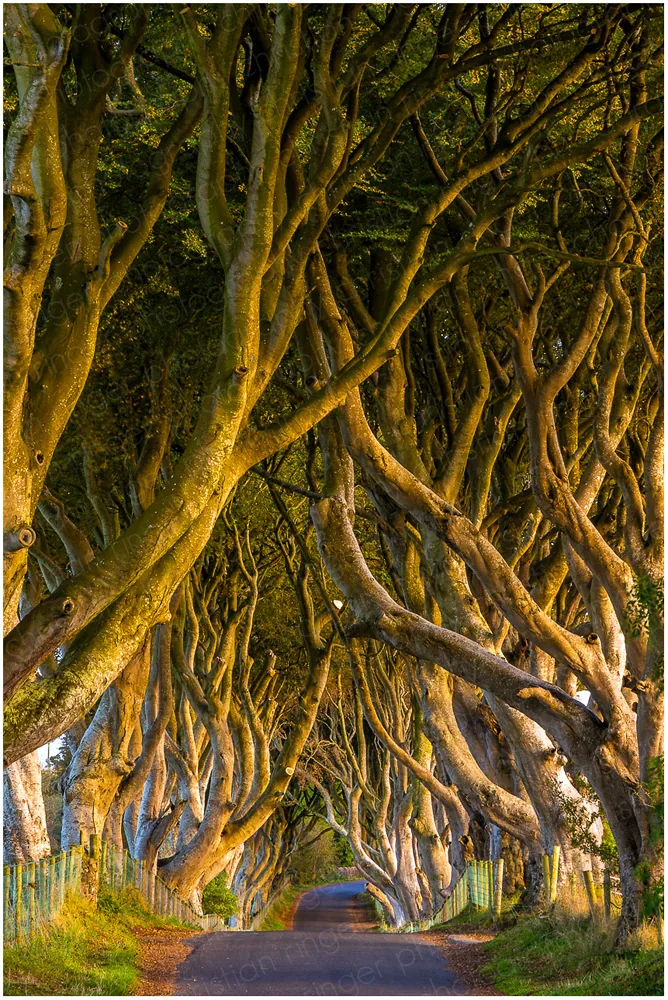
The Dark Hedges
An atmospheric avenue of beech trees planted by the Stuart family in 1775 to impress visitors approaching Gracehill House; the gnarled branches have twisted over two centuries into a tunnel of interlocking grey bark; walk the road during a pre-dawn mist when the skeletal shapes are silhouetted against the Irish fog; the wind soughing through the high canopy creates a haunting; rhythmic creak.
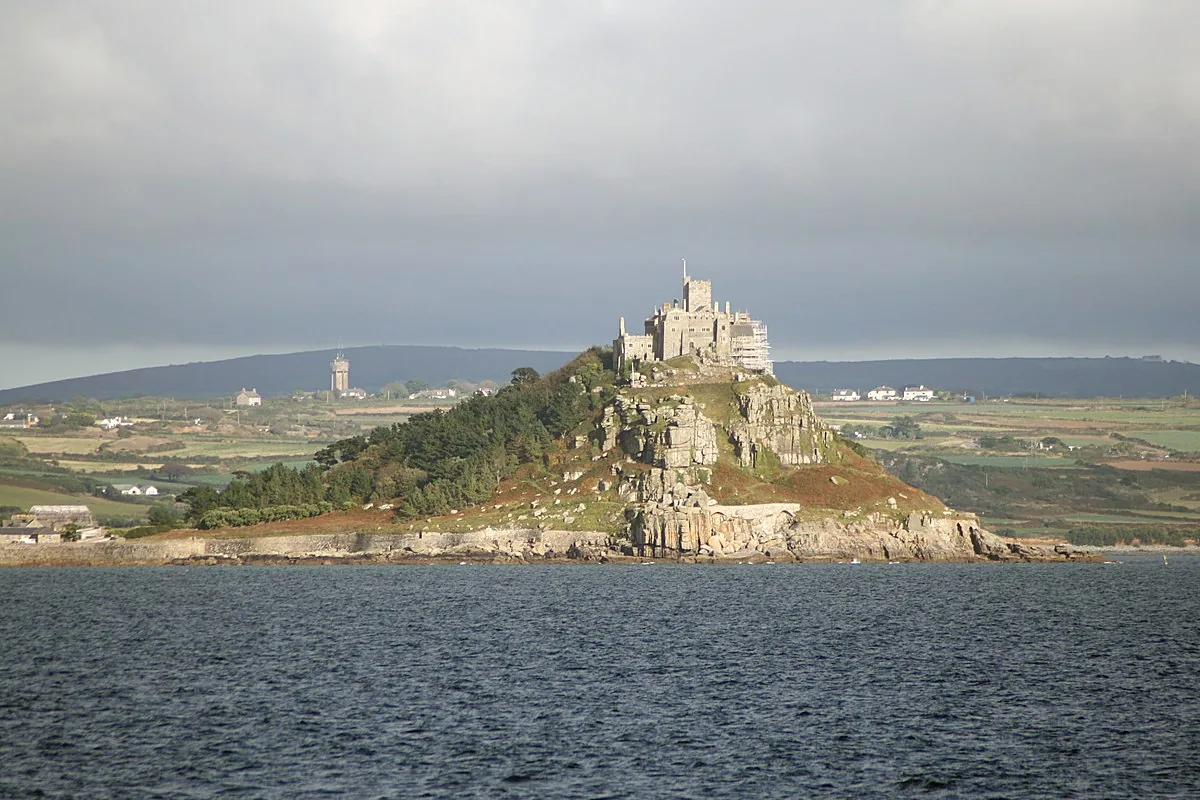
St Michael's Mount
A granite crag crowned by a 12th-century Benedictine priory and fortified castle; separated from the mainland by a tidal causeway of granite setts; cross the path at low tide when the wet stones reflect the Cornish sky; the climb to the summit follows the 'Pilgrim’s Steps' through terraced gardens of succulents; the view from the battlements looks out across Mount's Bay toward the Atlantic horizon.
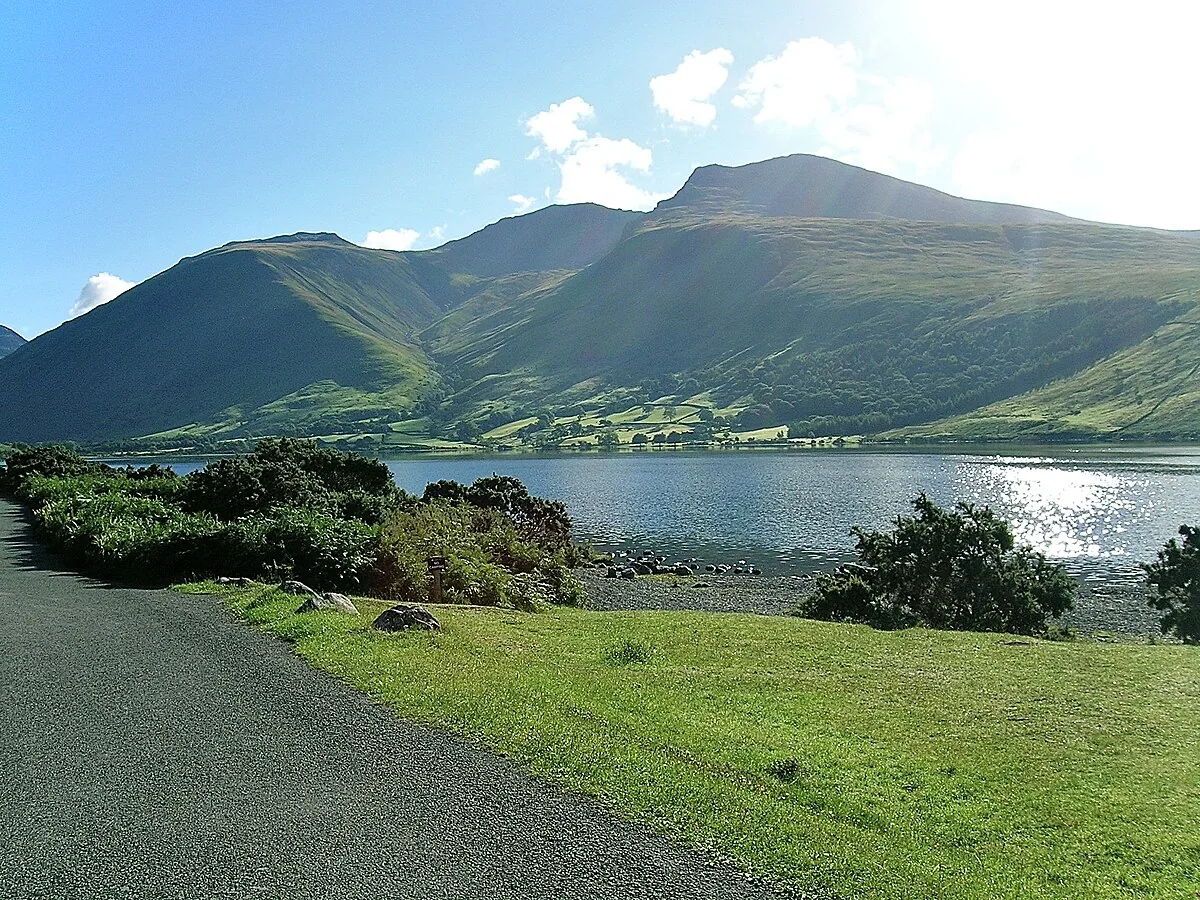
Scafell Pike
The highest point in England at 978 metres; this rugged volcanic massif offers a panoramic view of the 16 glacial lakes of the Cumbrian fells; the summit is a stark plateau of shattered slate and moss-covered scree; reach the peak at midday when the clouds break to reveal the silver thread of Wastwater far below; the air is thin; cold; and carries the scent of damp peat.
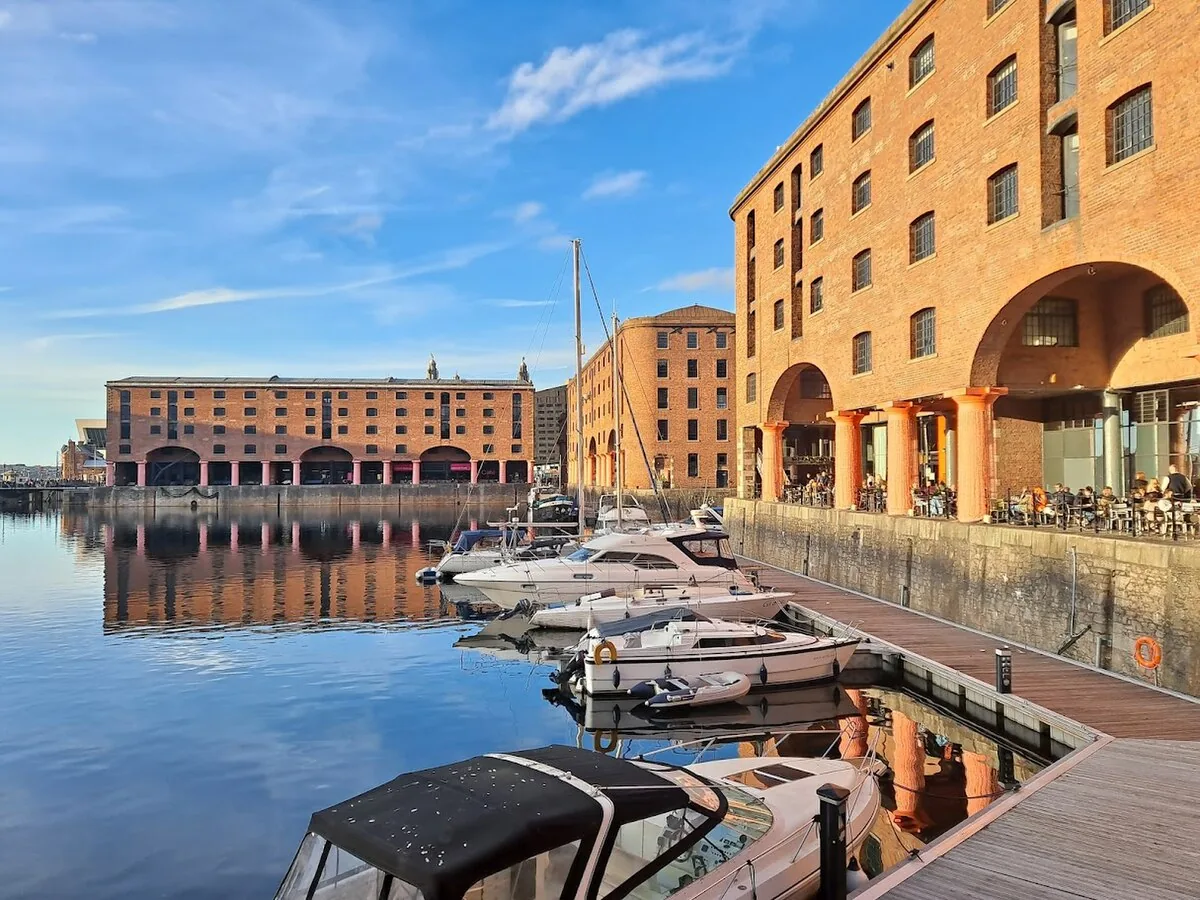
Albert Dock
A 1846 complex of cast-iron; brick; and granite warehouses that once held the riches of the British Empire; the colonnaded waterfront now houses the Tate Liverpool and the maritime museum; walk the quay at night when the orange dock lights shimmer on the black Mersey water; the sound of gulls and the clinking of yacht masts echo off the massive; unyielding masonry.
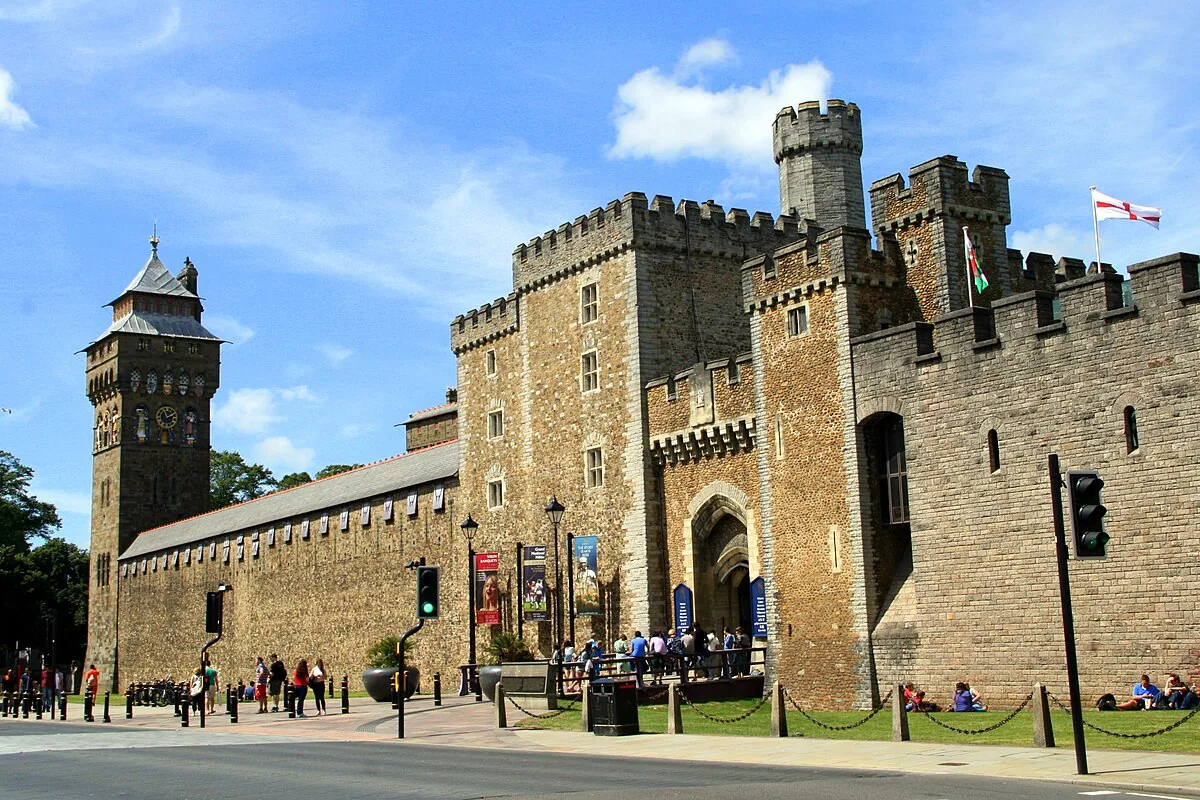
Cardiff Castle
A Roman fort transformed into a medieval keep and later a Victorian Gothic fantasy by the Marquess of Bute in the 1860s; the Arab Room features a ceiling of gold leaf and intricate lapis lazuli carvings; walk the wartime tunnels hidden within the Roman walls at noon; the temperature drops sharply; the smell of cold earth and history is trapped in the narrow stone passages.
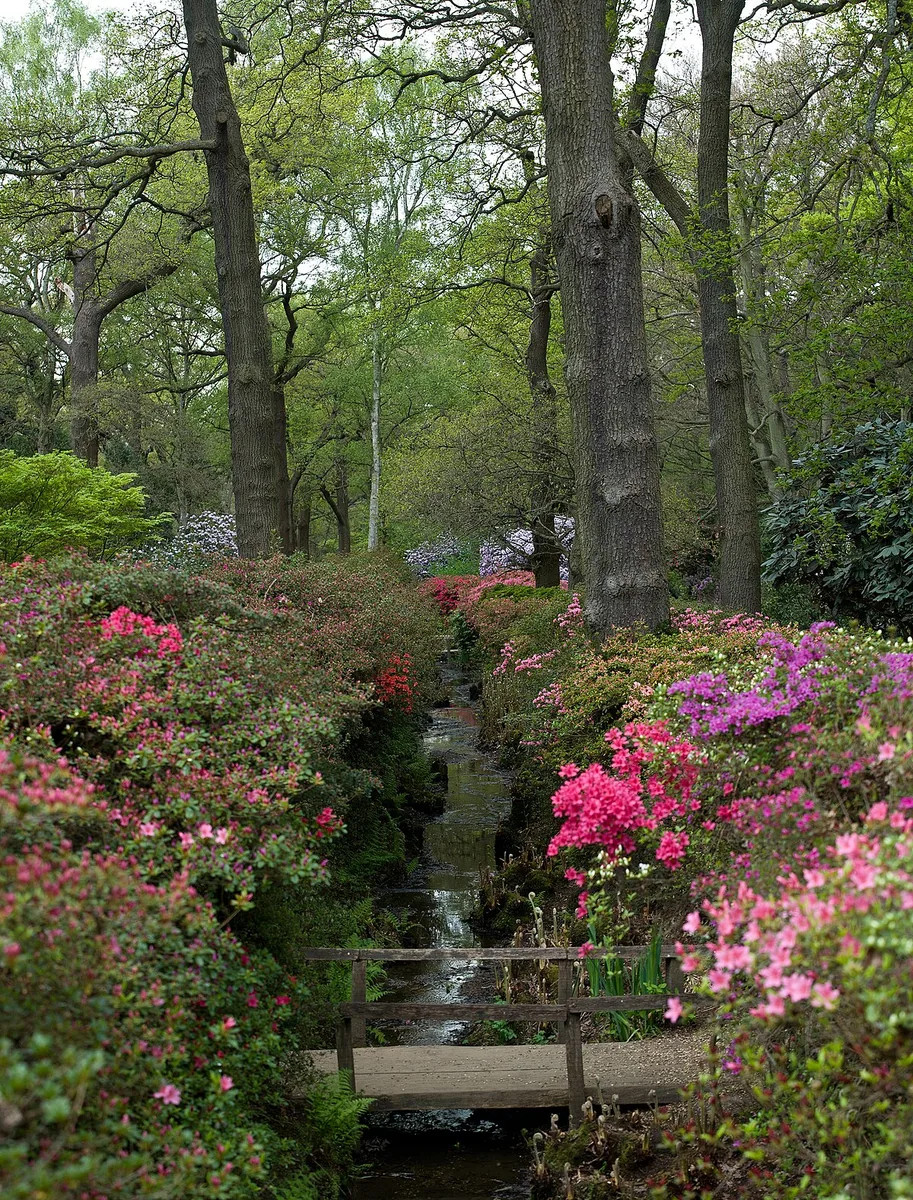
Richmond Park
A 2;500-acre royal deer park and National Nature Reserve established by Charles I in 1637; the park is home to 630 red and fallow deer that roam freely among ancient oaks; stand at King Henry’s Mound at dawn to see the protected view of St Paul’s Cathedral ten miles away; the sound of the stags belling during the autumn rut is the only break in the suburban silence.
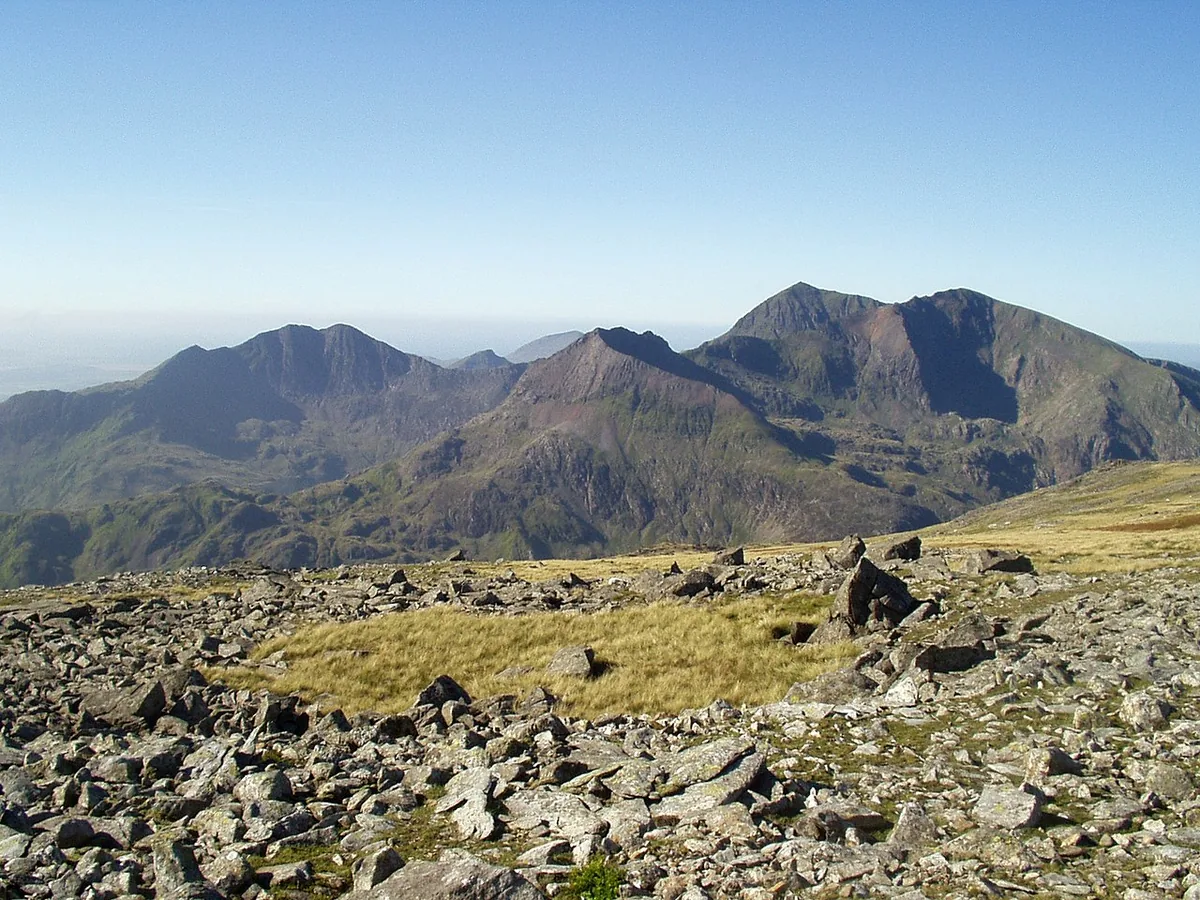
Snowdon
Rising 1;085 metres above the Gwynedd landscape; the highest peak in Wales is a jagged crown of rhyolite and tuff; the Pyg Track hugs the cliffs above the emerald-green waters of Glaslyn; reach the summit cairn as the mist rolls in from the Irish Sea; the light turns the slate-grey peaks into shifting; ethereal islands; the sound of the rack-and-pinion railway provides a distant; industrial pulse.
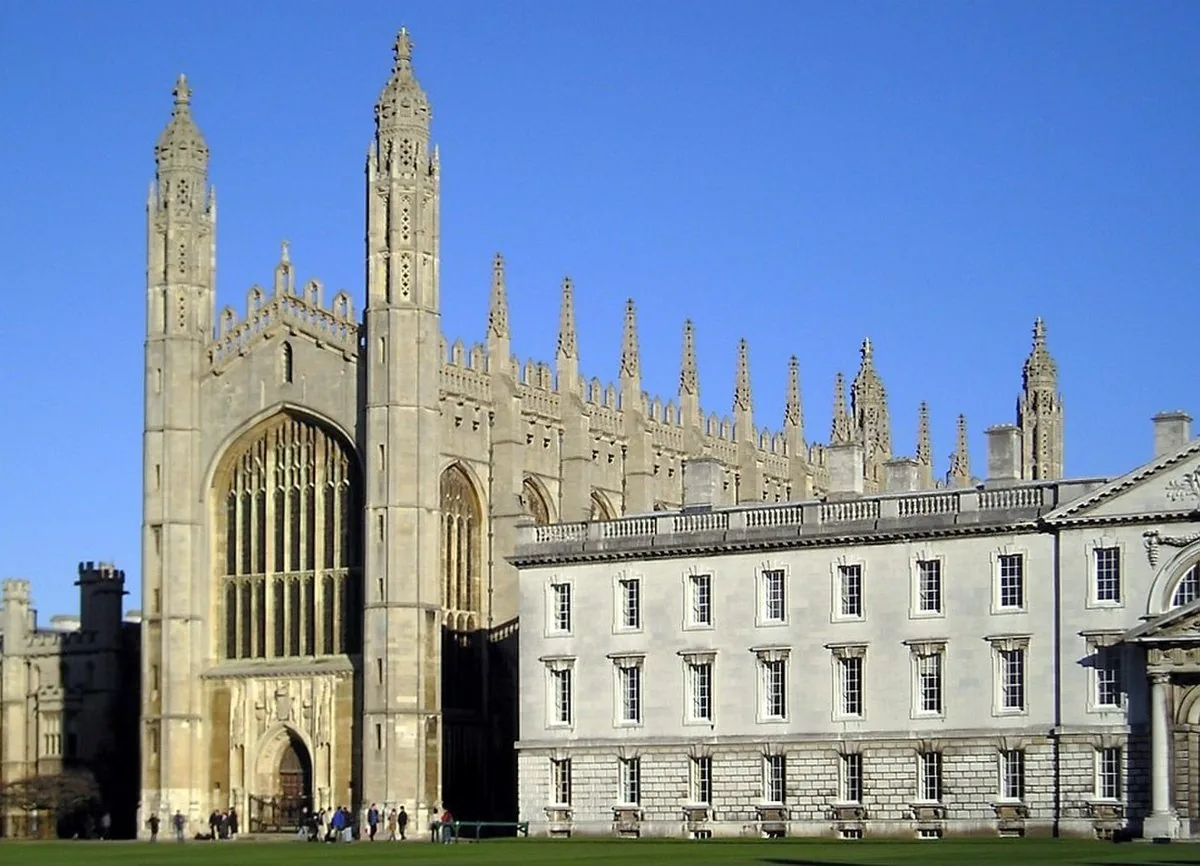
King's College Chapel
A 15th-century masterpiece of Perpendicular Gothic architecture featuring the world's largest fan-vaulted ceiling; the 26 stained-glass windows were commissioned by Henry VIII and survived the Civil War intact; visit at 5 pm for choral services when the candlelight illuminates the dark oak choir screen; the sheer verticality of the stone walls creates a sense of weightlessness within the massive; hallowed space.
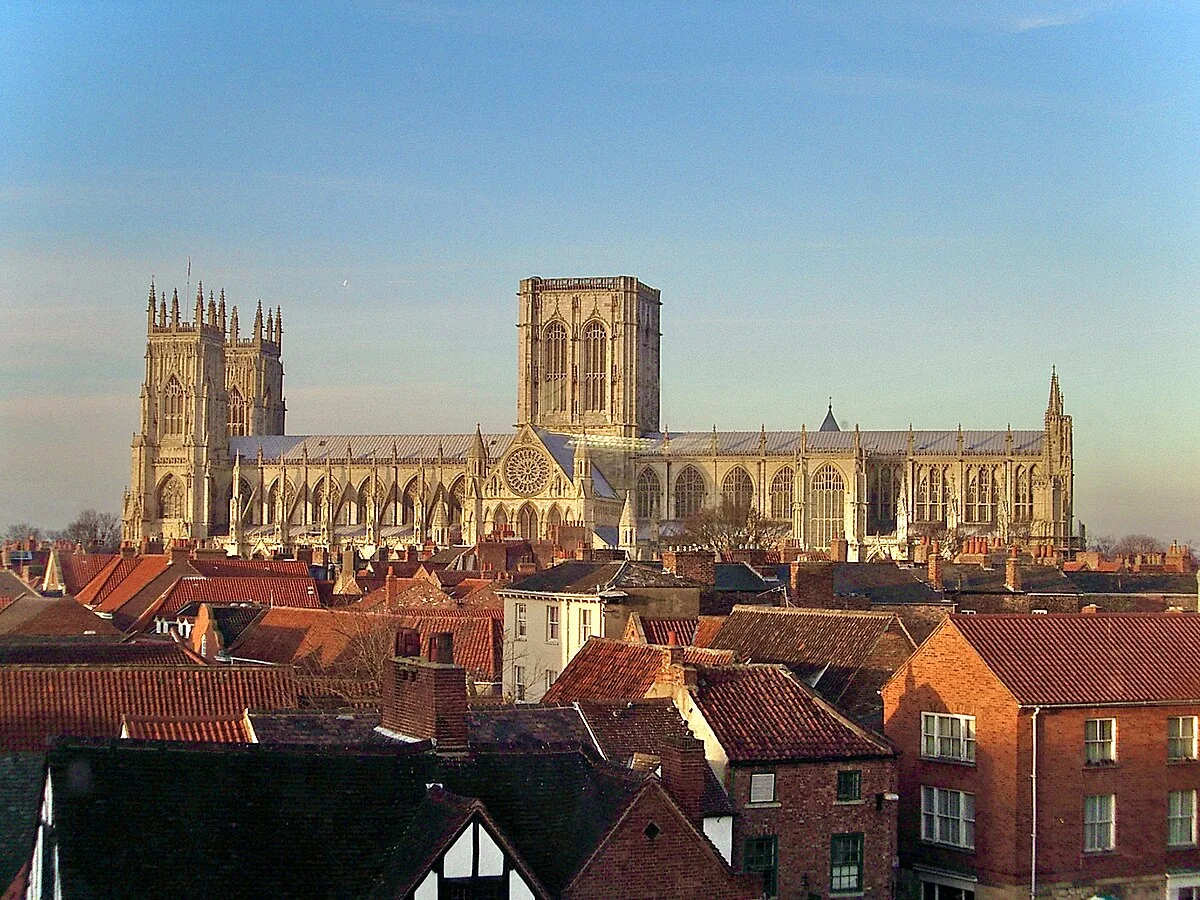
York Minster
One of the world's most magnificent Gothic cathedrals; its 15th-century Great East Window is the size of a tennis court and contains the largest expanse of medieval glass in England; descend into the Undercroft to see the Roman barracks and Norman foundations; the sound of the 15-ton Great Peter bell tolling vibrates through the ancient floorboards; the interior light turns violet as the sun sets.
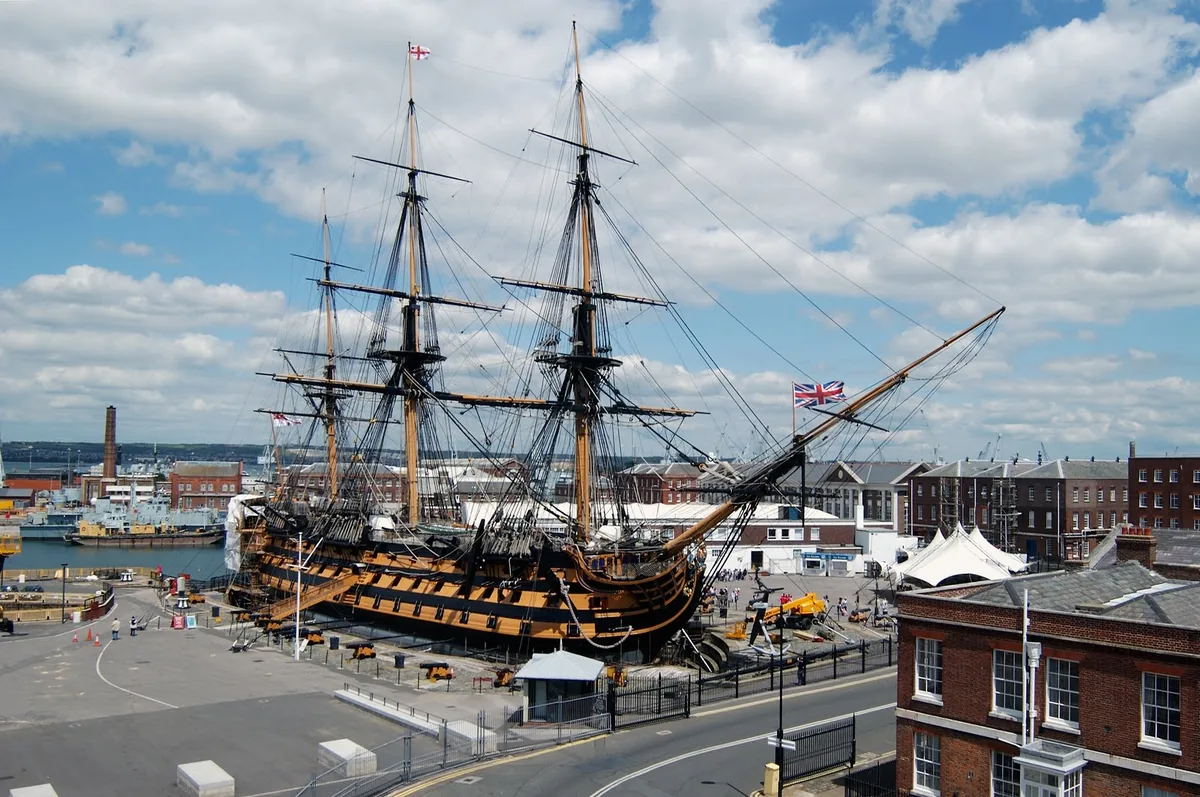
HMS Victory
The 1765 first-rate ship of the line and flagship of Lord Nelson at the Battle of Trafalgar; the hull is a fortress of three-foot-thick oak seasoned with decades of salt air; descend into the orlop deck where Nelson died to feel the claustrophobic reality of 18th-century naval warfare; the smell of hemp rope; tar; and old timber is an immersive sensory anchor into the age of sail.
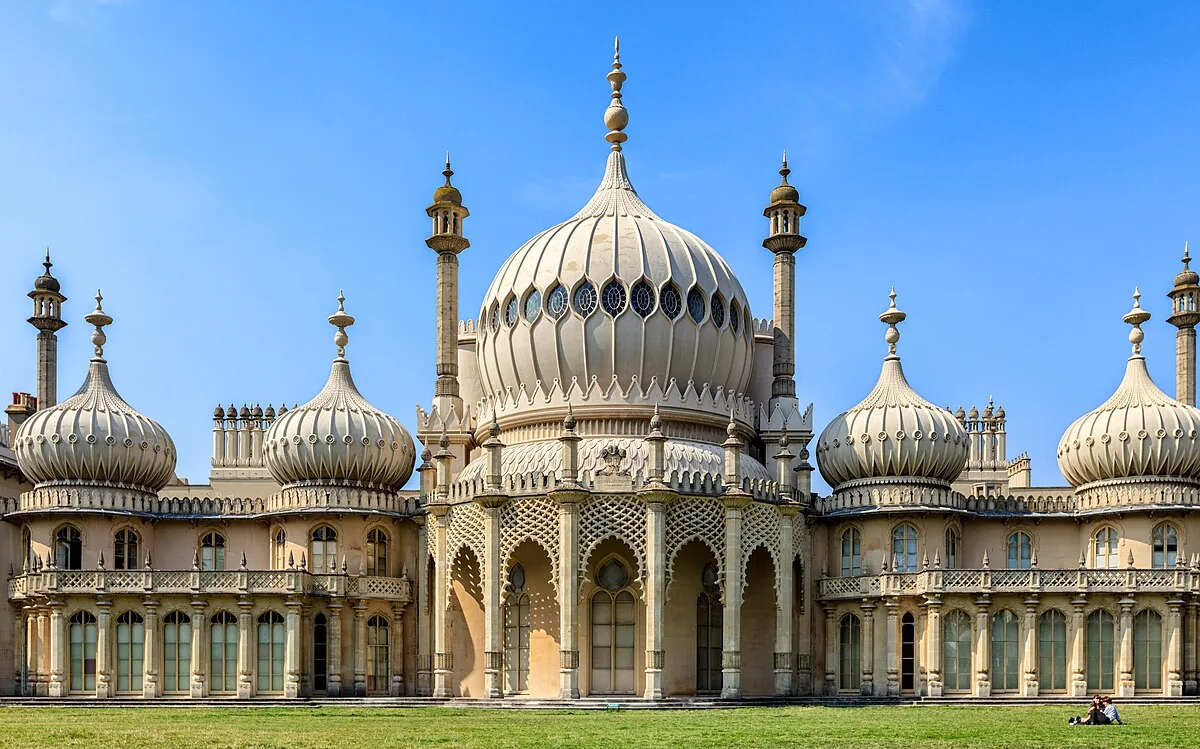
Royal Pavilion
An Indo-Saracenic palace built as a seaside retreat for George IV between 1787 and 1823; featuring onion domes and minarets of honey-coloured stone; the interior is a high-regency fever dream of Chinoiserie and hand-painted dragons; stand in the Banqueting Room at midday when the sun strikes the one-ton crystal chandelier; the clash of Eastern fantasy and British excess is palpable in every gilded surface.
Dark Hedges
A country lane in County Antrim was lined with beech trees in 1775 to impress approaching visitors to a Georgian estate, after 250 years of growth, the intertwining canopy has become one of the most p