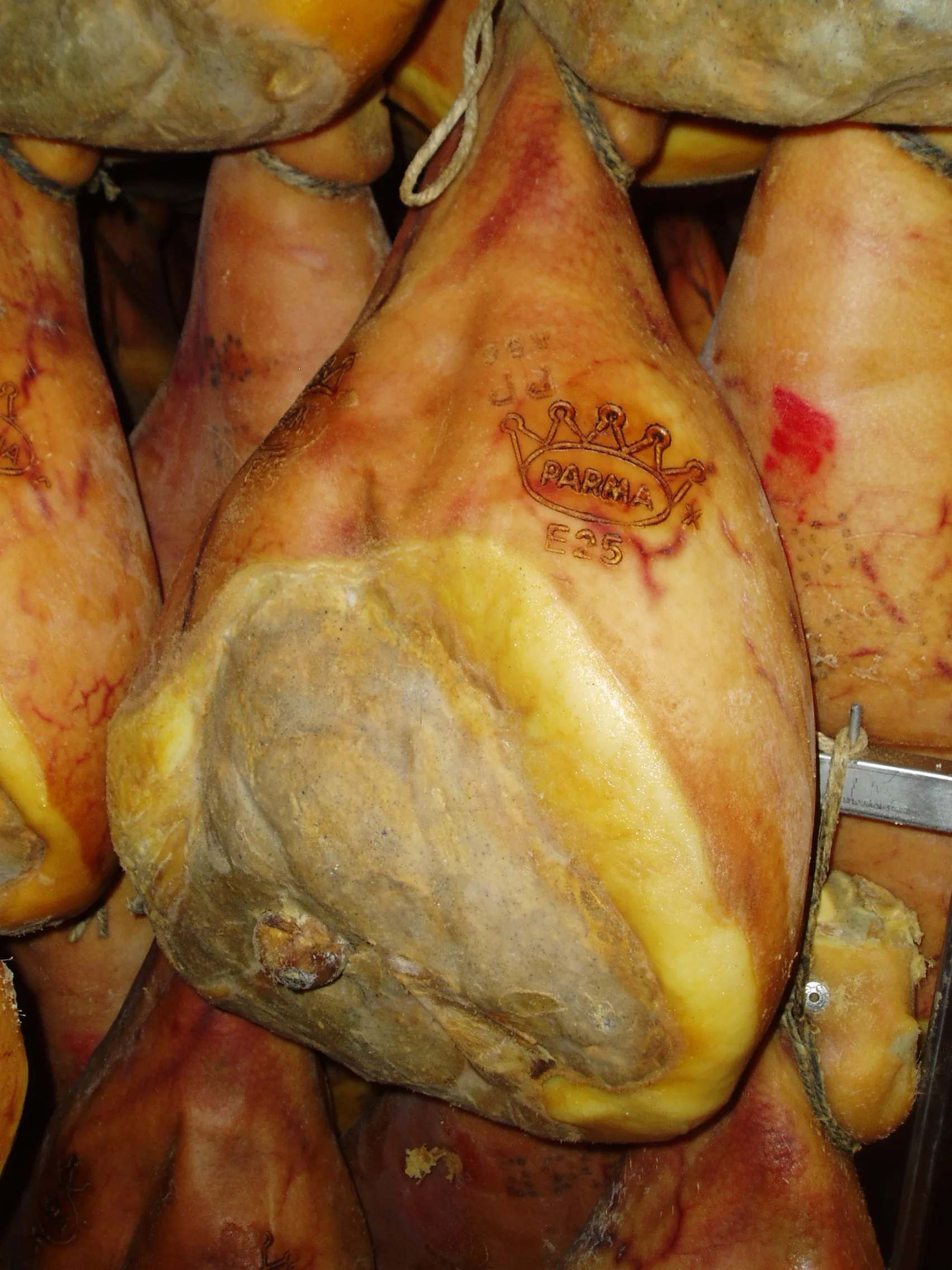
"Croatia's bora-wind-cured ham, 12 to 18 months of Dalmatian air, is paper-thin and carries the salinity of the sea in its flavour."
About Pršut
Croatia's most prized cured meat: whole pork legs air-cured in the bora wind of Dalmatia and Istria for 12 to 18 months; sliced paper-thin to reveal a deep red flesh with a rim of white fat; unlike Italian prosciutto, the Dalmatian version is rarely smoked and carries the salinity of the sea air; eaten with olives, Paški sir and maraschino.
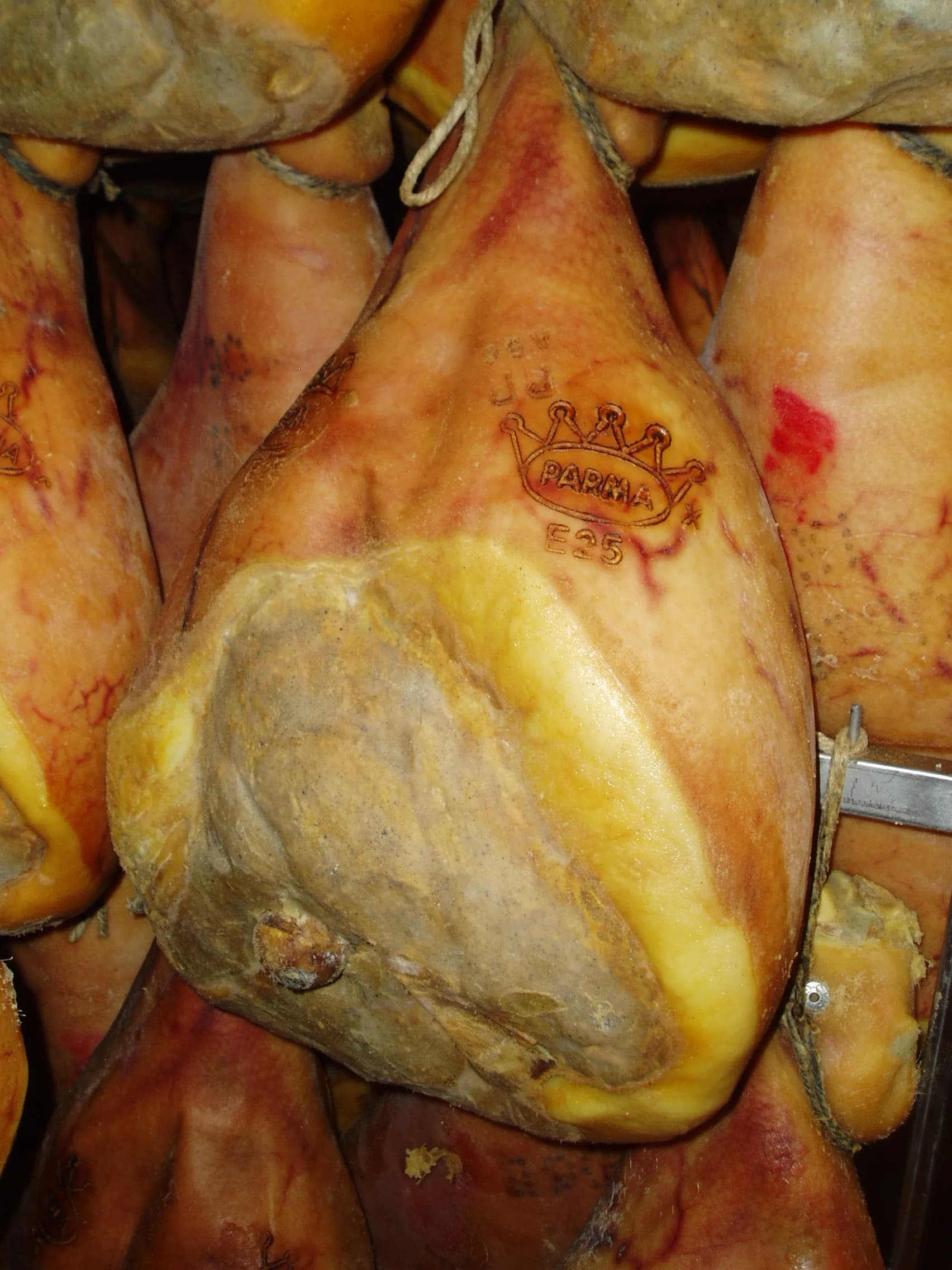
Pršut, a staple of Croatia's cuisine
The Cured Ham
Prsut is Croatia's prized dry-cured ham, a whole pork leg salted and air-cured in the dry winds of Dalmatia and Istria for a year or more. Sliced paper-thin, the meat is deep red rimmed with sweet white fat. It is the essential first bite at almost any coastal Croatian table.
The Bora
Curing relies on the bora, the cold, dry northeasterly wind that sweeps the Adriatic coast. It draws moisture from the hanging hams quickly and creates a microclimate in which they cure safely without refrigeration. The wind is as much a part of the process as the salt and the time.
Dalmatian and Istrian
Dalmatian prsut is typically unsmoked, carrying the salinity of the sea air, while the Istrian version is smoked and trimmed differently, giving a distinct flavour worth comparing. Both are cured long and sliced thin. The regional differences are a point of local pride and gentle rivalry.
On the Board
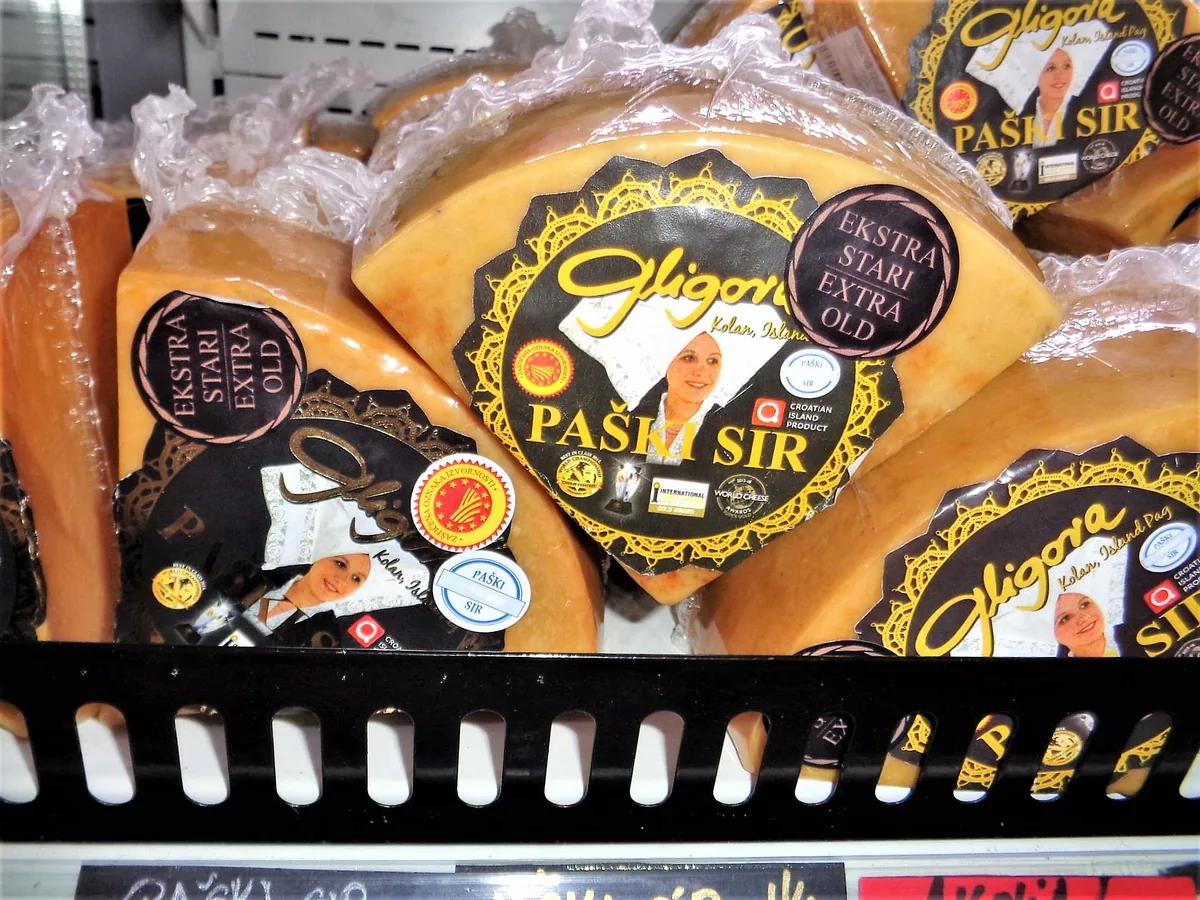
Prsut opens the meal, served on a wooden board with Paski sir, olives and bread, the slices folded loosely and eaten at room temperature so the fat softens and sweetens. It is the product of wind, salt and patience, impossible to hurry. Bought from a coastal market rather than a supermarket, it is at its best.
What to Expect
The pršut arrives on a wooden board already sliced, the slices folded loosely. The first piece is eaten plain. The fat is white and sweet at room temperature. The lean meat is deeply savoury. Paški sir follows naturally.
Why Try It
Pršut is the Dalmatian charcuterie tradition made visible, a product of wind, salt and time that cannot be hurried or replicated in a different climate.
✦ Photo Gallery
Insider Tips
Buy it at a Dalmatian market rather than a supermarket, the market product is significantly better.
Eat it at room temperature, not cold, the fat texture is the key quality indicator.
The Istrian version (Istarski pršut) is smoked and worth comparing.