All landmarks and tourist attractions in Croatia
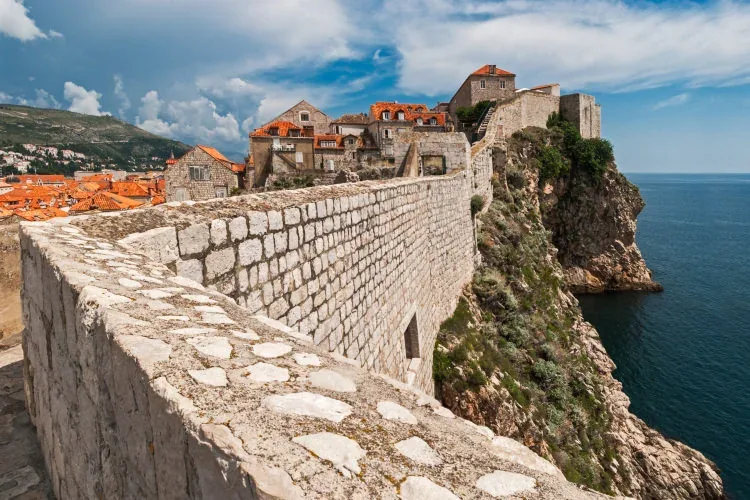
Old City Walls
A continuous 1.9-kilometre defensive circuit of sun-bleached limestone rising 25 metres above the Adriatic; these 13th-century ramparts successfully repelled invaders for half a millennium; walk the high southern stretch at 7 am when the terracotta rooftops of the Stradun ignite in the first light; the sound of the swell crashing against the base of the Minceta Tower provides a rhythmic; ancient heartbeat.
Explore →
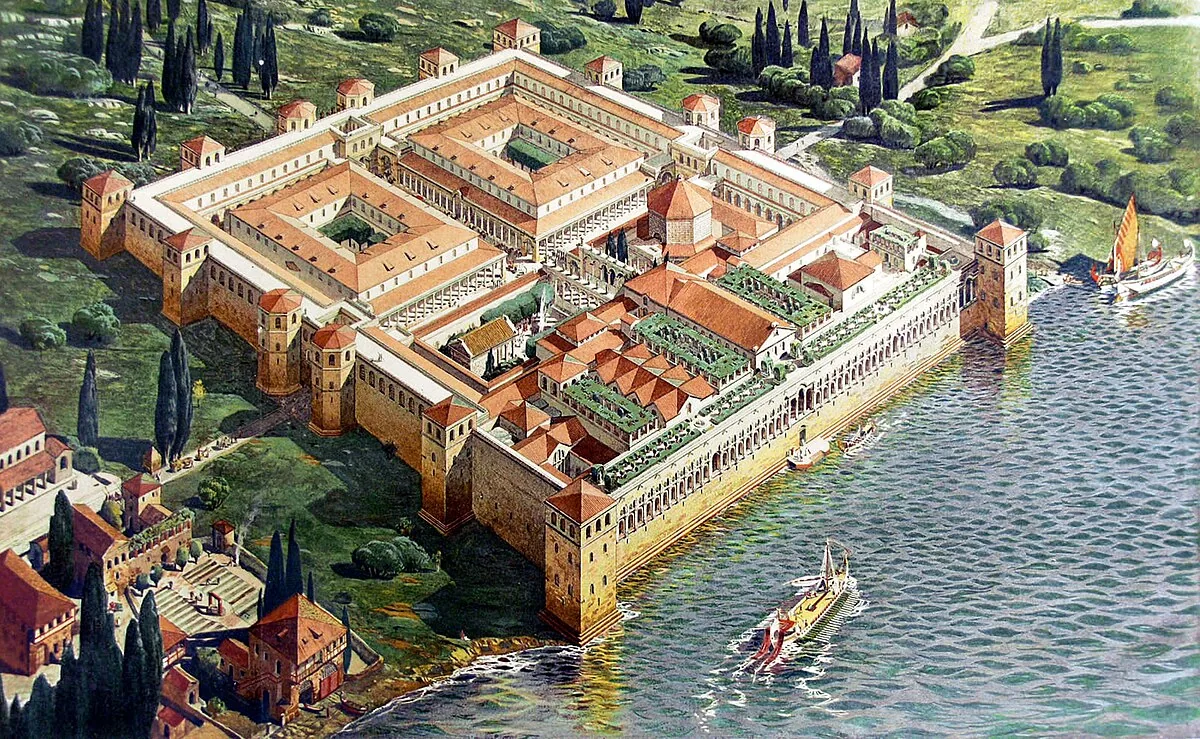
Diocletian's Palace
The 4th-century retirement residence of a Roman Emperor remains a living urban core where 3,000 citizens reside within 1,700-year-old masonry; the Peristyle features Egyptian sphinxes and monolithic granite columns; stand in the central square at midnight when the white Brač stone glows under the moon; the echoes of footsteps on the polished paving slabs recall the transition from imperial fortress to medieval township.
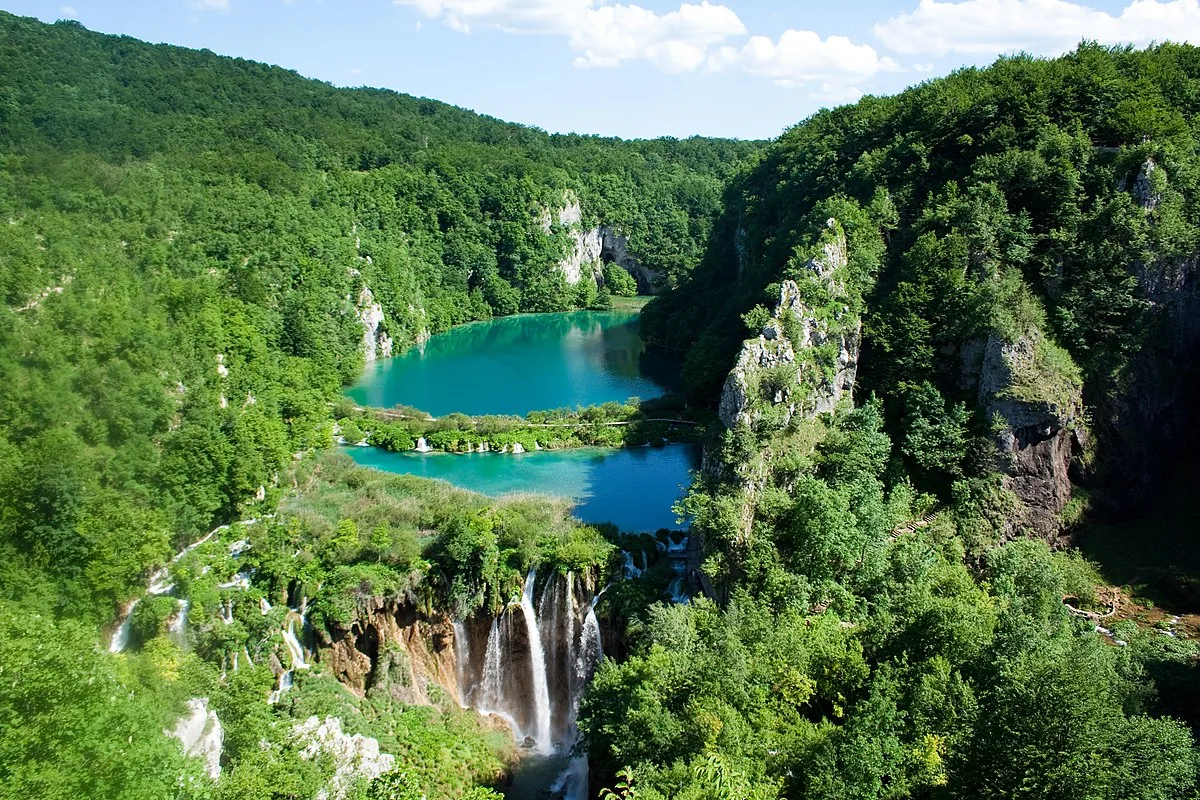
Plitvice Lakes National Park
A karst woodland containing 16 terraced lakes connected by a series of 90 waterfalls over moss-slicked travertine barriers; the water shifts through a spectrum of saturated turquoise and charcoal-grey depending on the mineral content; navigate the lower canyon boardwalks at dawn; the pre-dawn mist clings to the beech canopy while the Veliki Slap roar vibrates through the wooden planks underfoot.
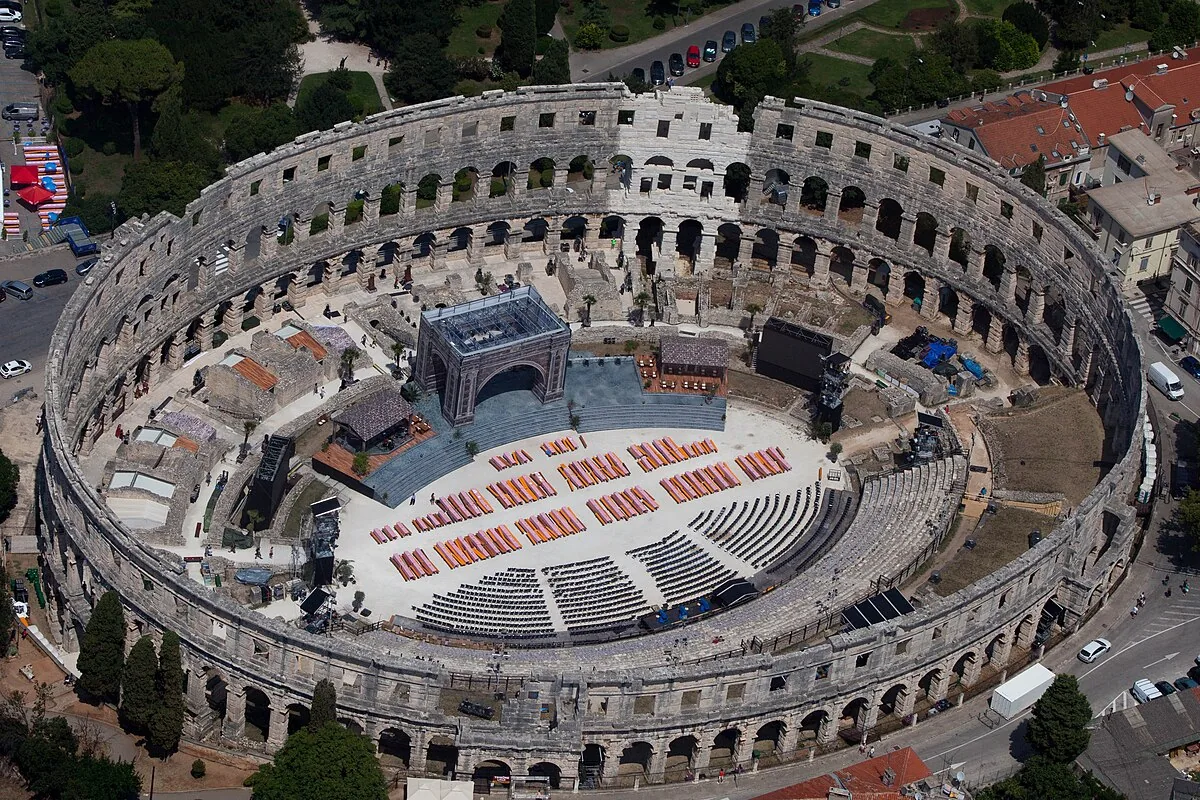
Pula Arena
One of the world’s six largest surviving Roman amphitheatres; this 1st-century limestone ellipse once held 23,000 spectators for gladiatorial combat; the subterranean tunnels formerly used by lions now house olive oil presses from the Roman era; visit during a summer evening performance when the setting sun bleeds through the 72 arched limestone openings; the stone retains the desert-like heat of the day.
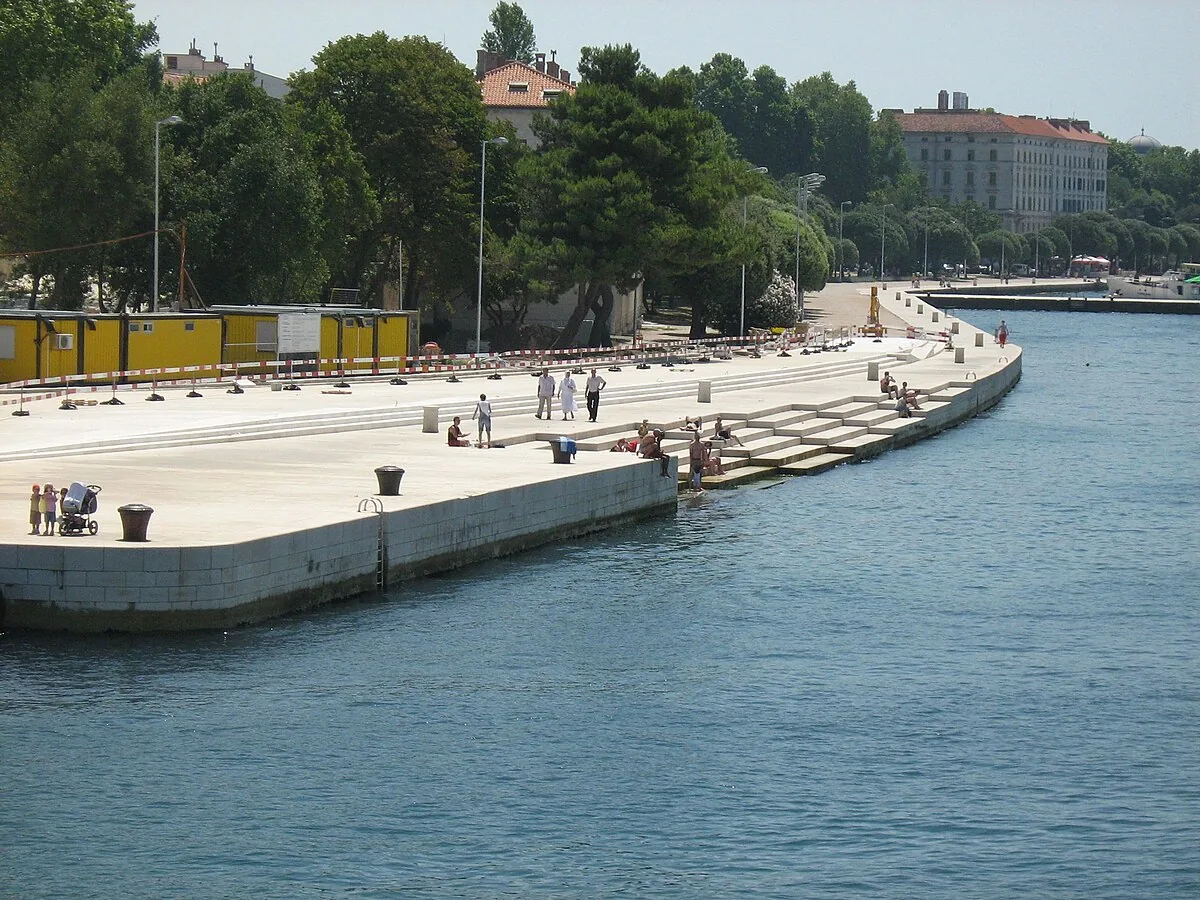
Sea Organ
An architectural sound art installation where 35 polyethylene pipes beneath perforated stone stairs convert the Adriatic waves into a haunting; random harmonic choir; the 70-metre white marble structure functions as a colossal experimental flute; sit on the lowest tier during a southern jugo wind; the water forces air through the basalt-lined chambers to produce a mournful; subterranean bass that vibrates in the chest.
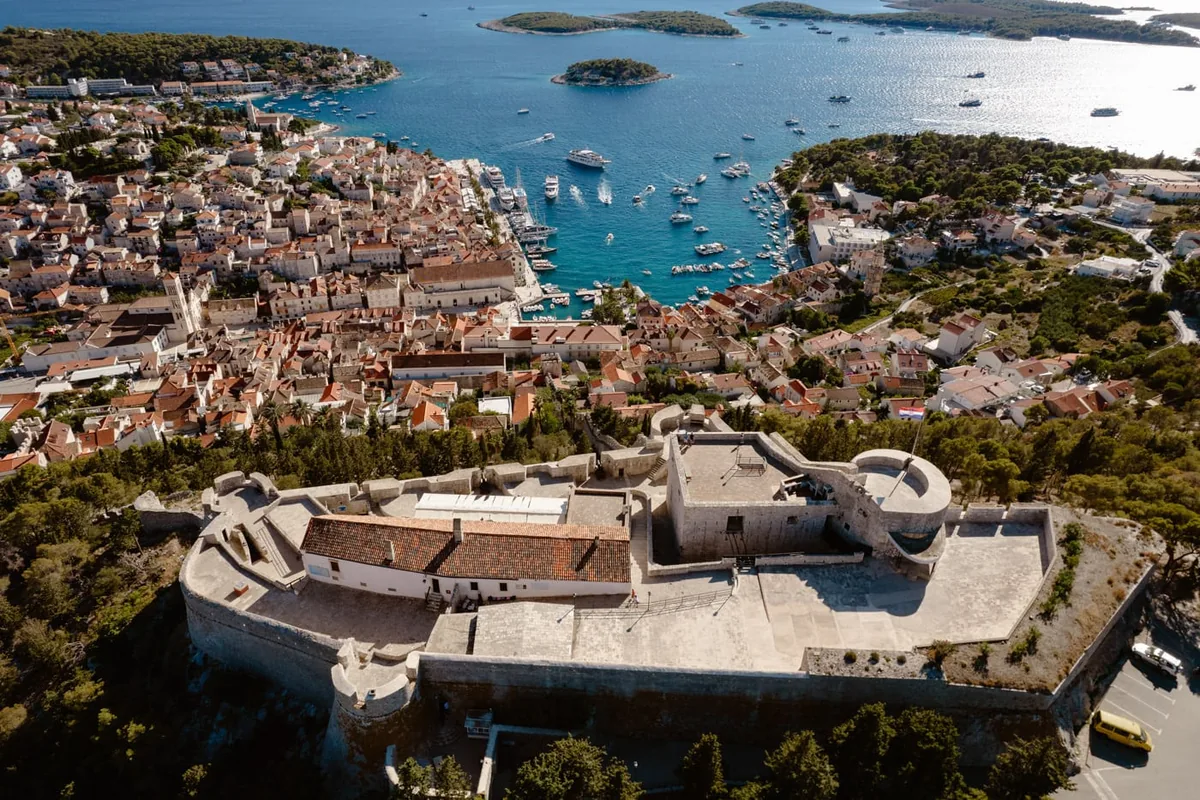
Spanish Fortress
A 16th-century citadel perched on a jagged limestone ridge 100 metres above the Pakleni Islands archipelago; its massive bastions and iron-gated dungeons represent the zenith of Venetian military engineering; climb the pine-scented zigzagging path at dusk; the amber light strikes the grey stone battlements while the scent of wild rosemary and the sound of bells from the Franciscan monastery rise from the port below.
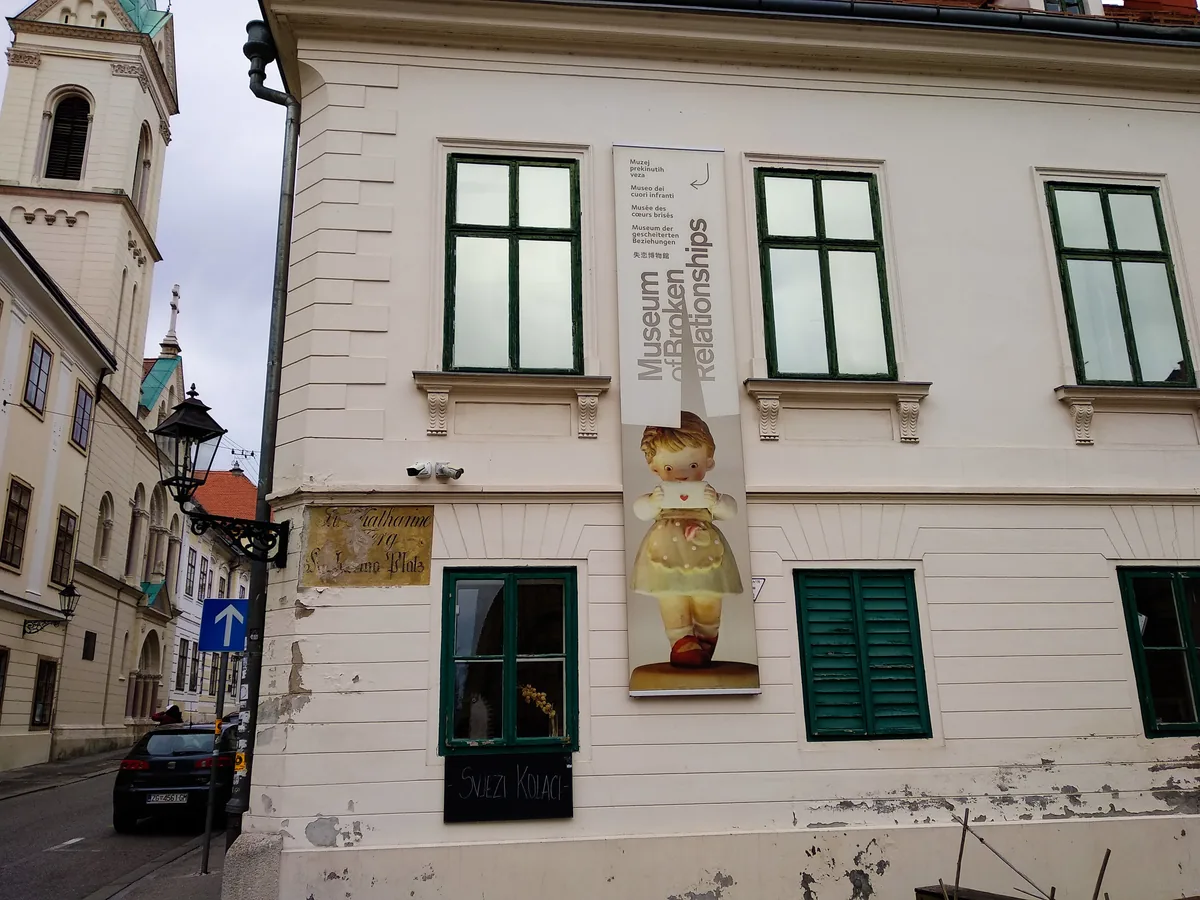
Museum of Broken Relationships
Housed in the 18th-century Kulmer Palace; this specialist institution archives the physical debris of failed intimacy from across the globe; each donated object is accompanied by a clinical; anonymous narrative; walk the white-walled galleries at 10 am; the silence is heavy with the collective weight of human sentiment; the contrast between the mundane objects, an axe; a toaster, and their emotional scale is visceral.
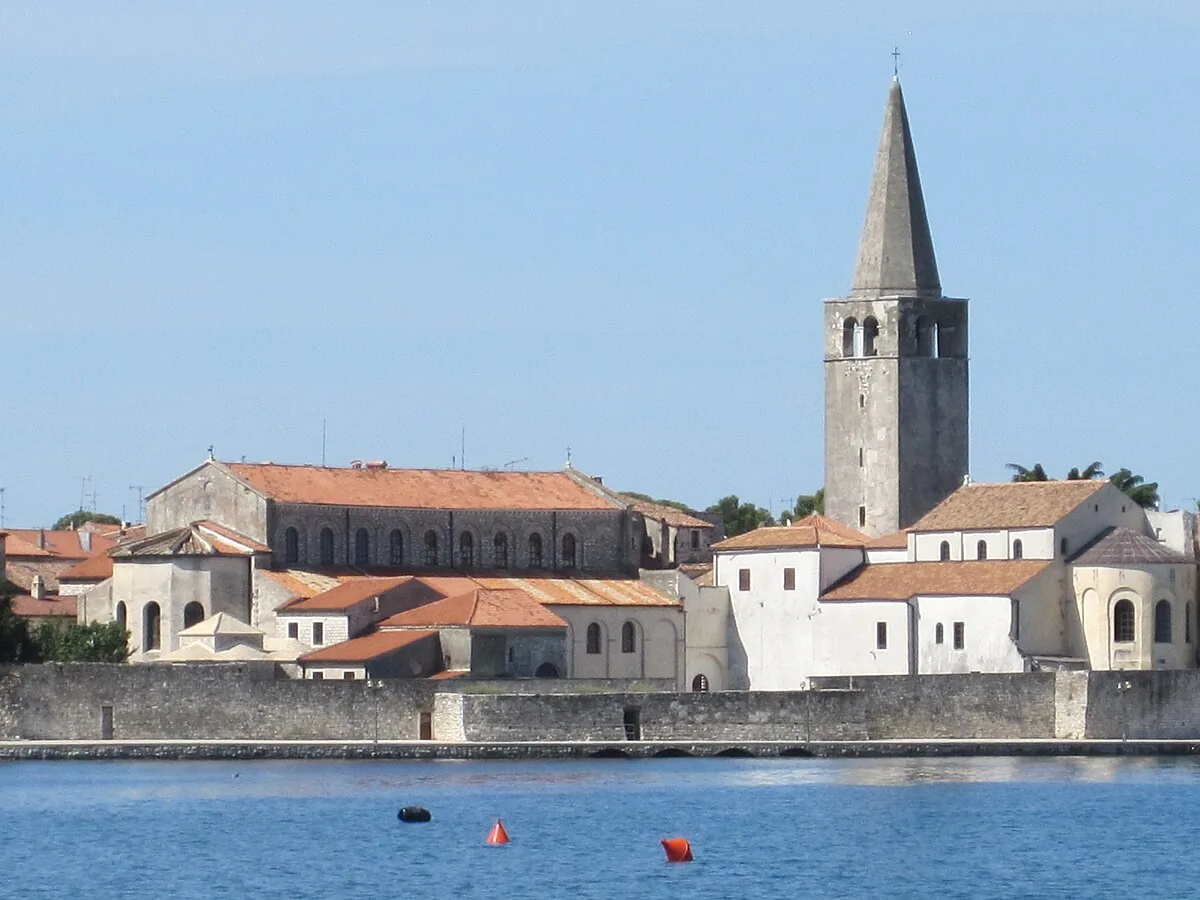
Euphrasian Basilica
A 6th-century Byzantine masterpiece containing the most complete cycle of gold-ground mosaics in the Western world; the central apse features the Virgin Enthroned executed in mother-of-pearl and lapis lazuli; enter the atrium during the afternoon when the sun hits the western facade; the interior turns amber as the light refracts off millions of glass tesserae; the smell of cold stone and damp incense is constant.
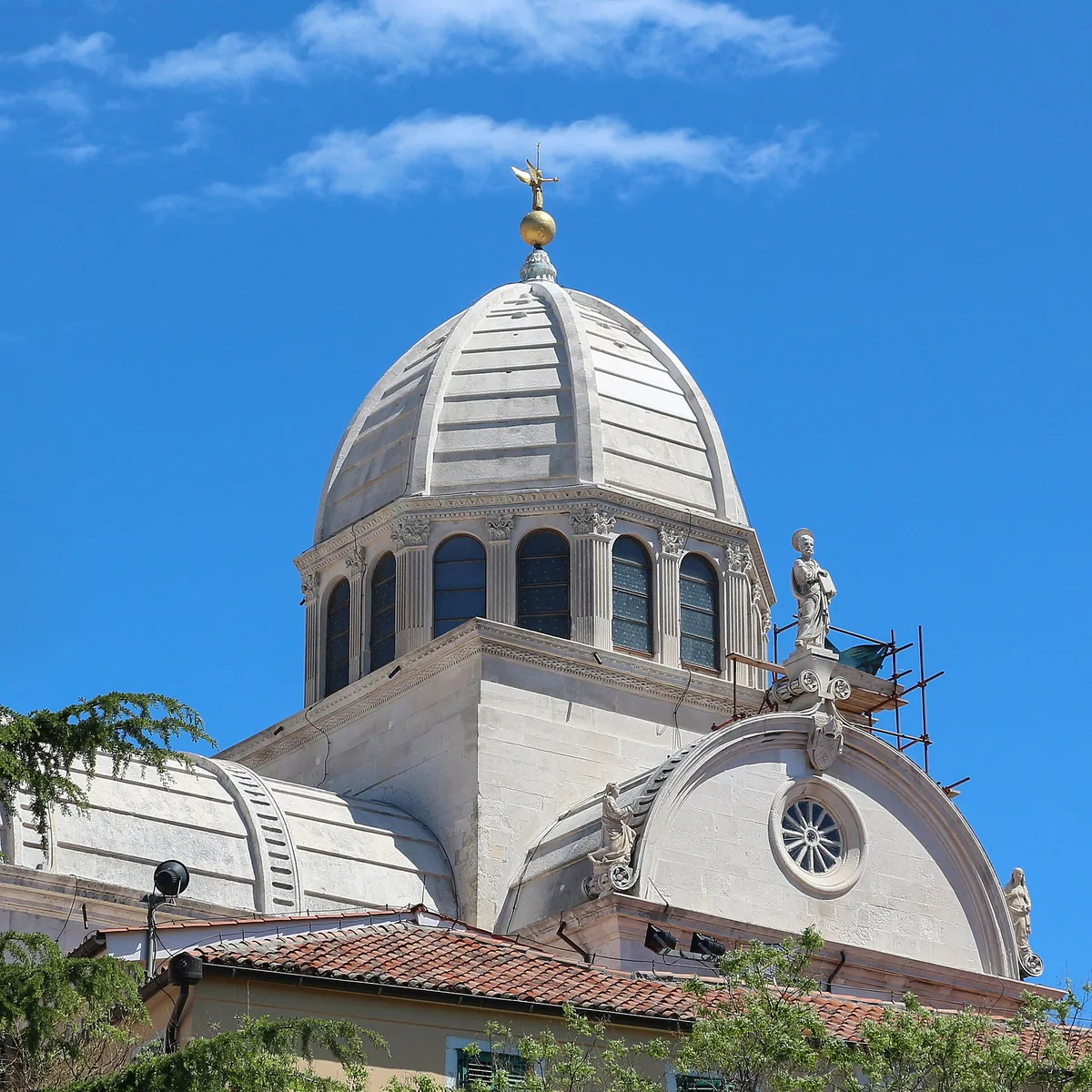
St. James Cathedral
Built entirely of stone without any mortar or wooden supports; this 15th-century Gothic-Renaissance structure features a unique frieze of 71 individualised stone heads; the barrel-vaulted roof was constructed using a pioneering interlocking slab technique; stand in the nave at noon when the light through the high clerestory illuminates the limestone texture; the scale is designed to swallow the peripheral vision.
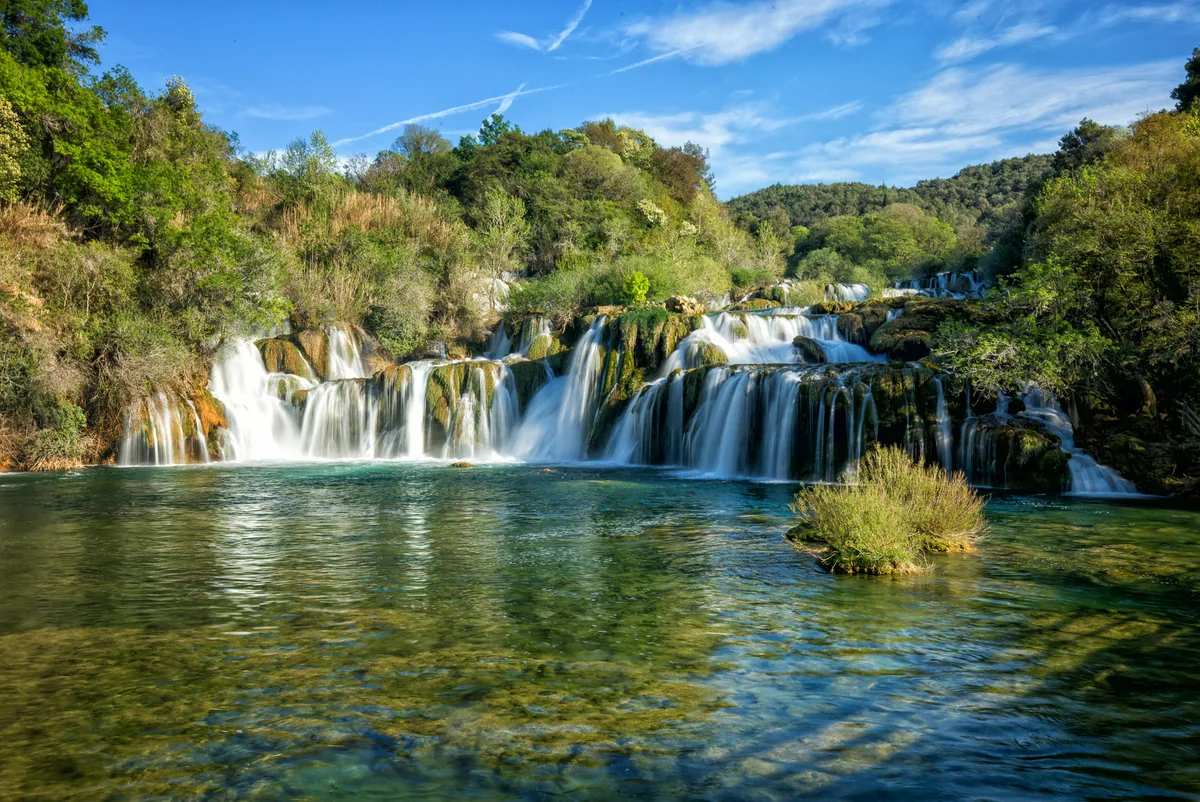
Skradinski Buk
A massive natural pool where 17 travertine waterfalls cascade into a 400-metre wide basin within the Krka National Park; the surrounding 19th-century watermills still process grain using the river's kinetic energy; traverse the wooden bridge at sunrise; the emerald water is so clear you can count the stones on the riverbed; the roar of the falls is a constant; thunderous white noise.
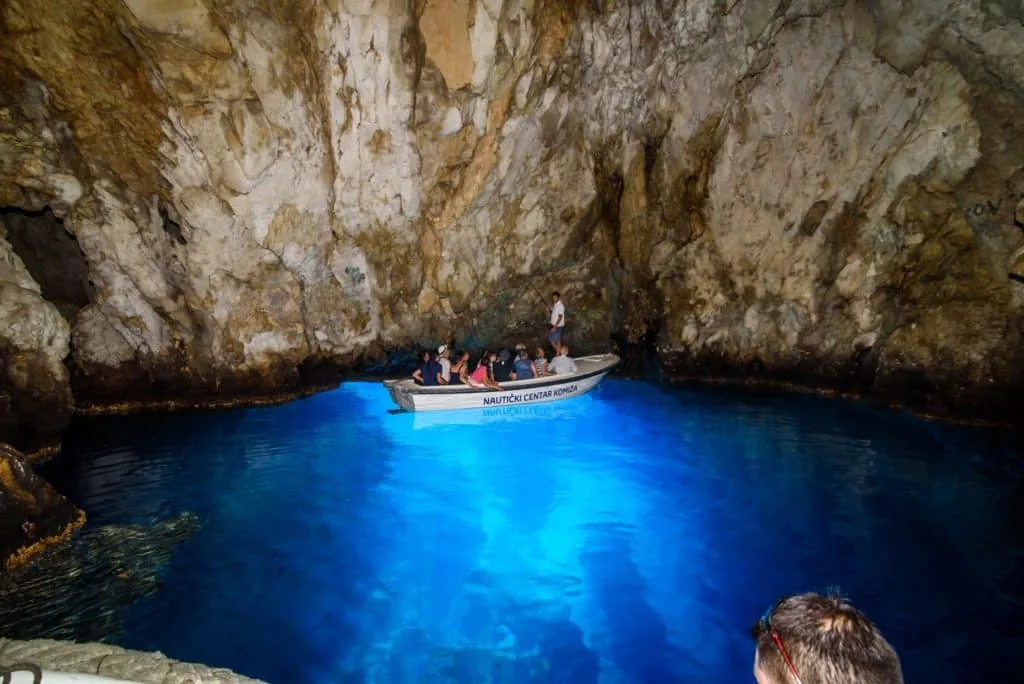
Blue Cave
A sea-carved grotto on Biševo Island where sunlight entering through a submerged opening turns the entire interior a saturated; glowing electric blue; the silver-white reflection is caused by light bouncing off the limestone seabed; enter by small wooden boat at 11 am; the water appears to illuminate the oars from within while the sound of the swell echoes off the low-hanging basalt ceiling.
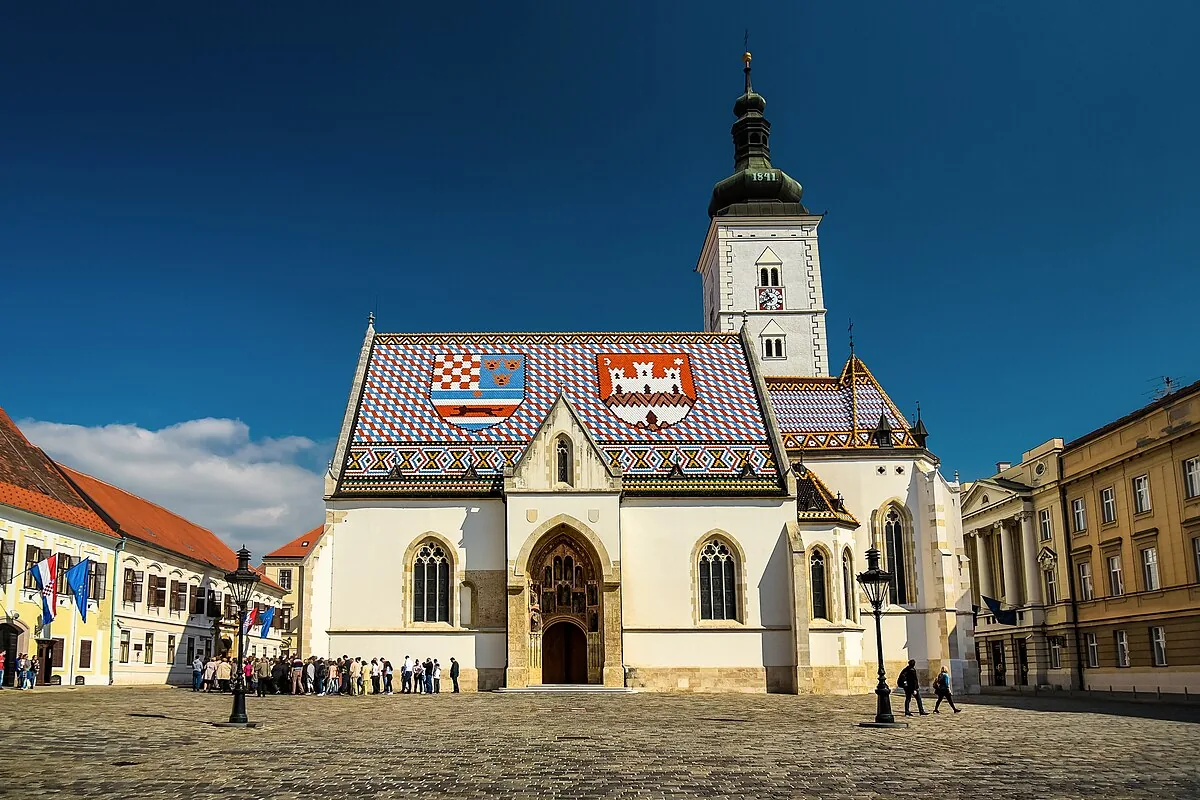
St. Mark's Church
The 13th-century parish church of Old Zagreb is defined by its vibrant polychromatic tiled roof depicting the coats of arms of Croatia and Zagreb; the south portal contains 15 Gothic wooden sculptures carved by Prague masters; stand in the square during the changing of the guard; the geometric patterns of the tiles pop against the grey granite paving while the bells toll with a sharp; metallic clarity.
Walls of Ston
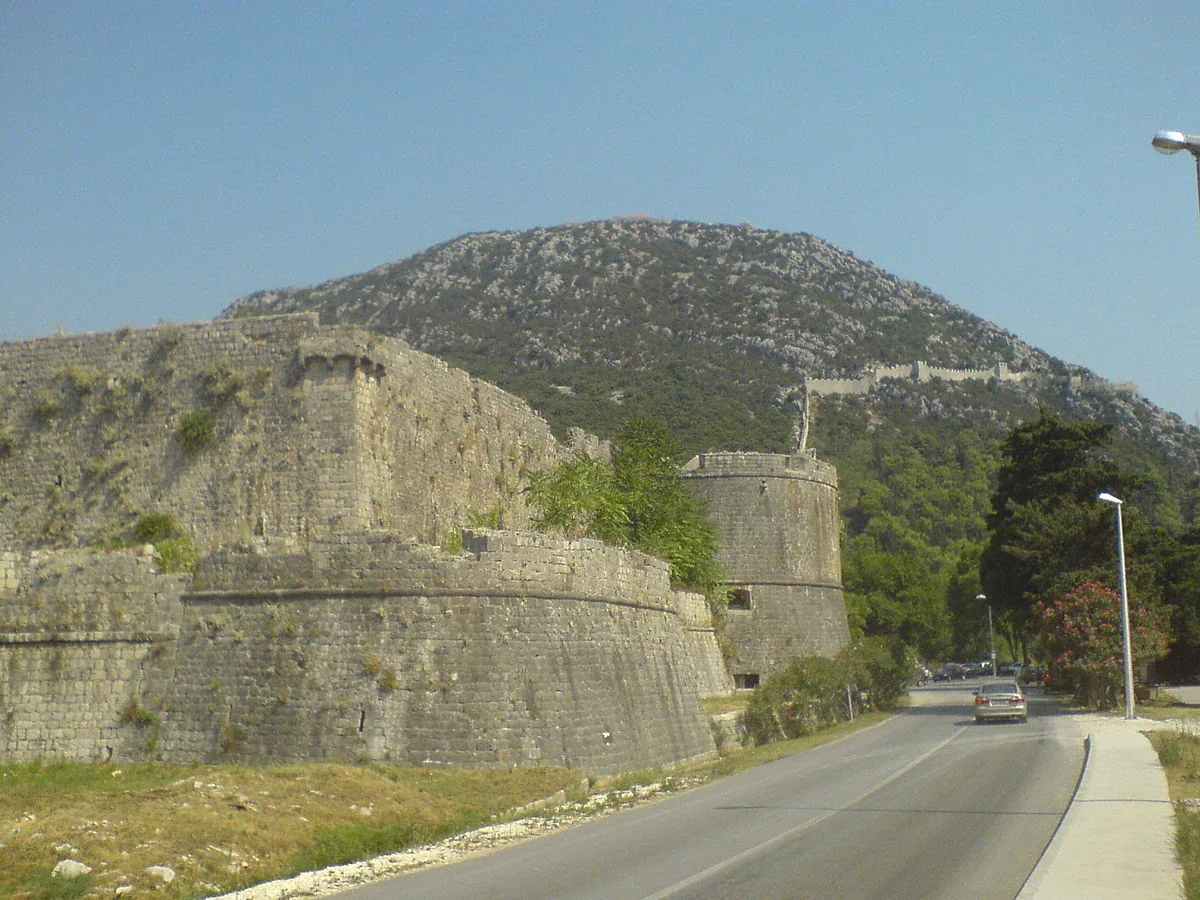
The longest defensive stone wall in Europe stretches 5.5 kilometres across the Pelješac Peninsula; built in 1333 to protect the lucrative salt pans of the Republic of Ragusa; the walls climb a vertical limestone ridge in a steep zigzag; hike the ridge at 8 am when the salt pans below look like a white-and-blue grid; the silence is absolute; punctuated only by the scent of sun-baked scrub.
Mirogoj Cemetery
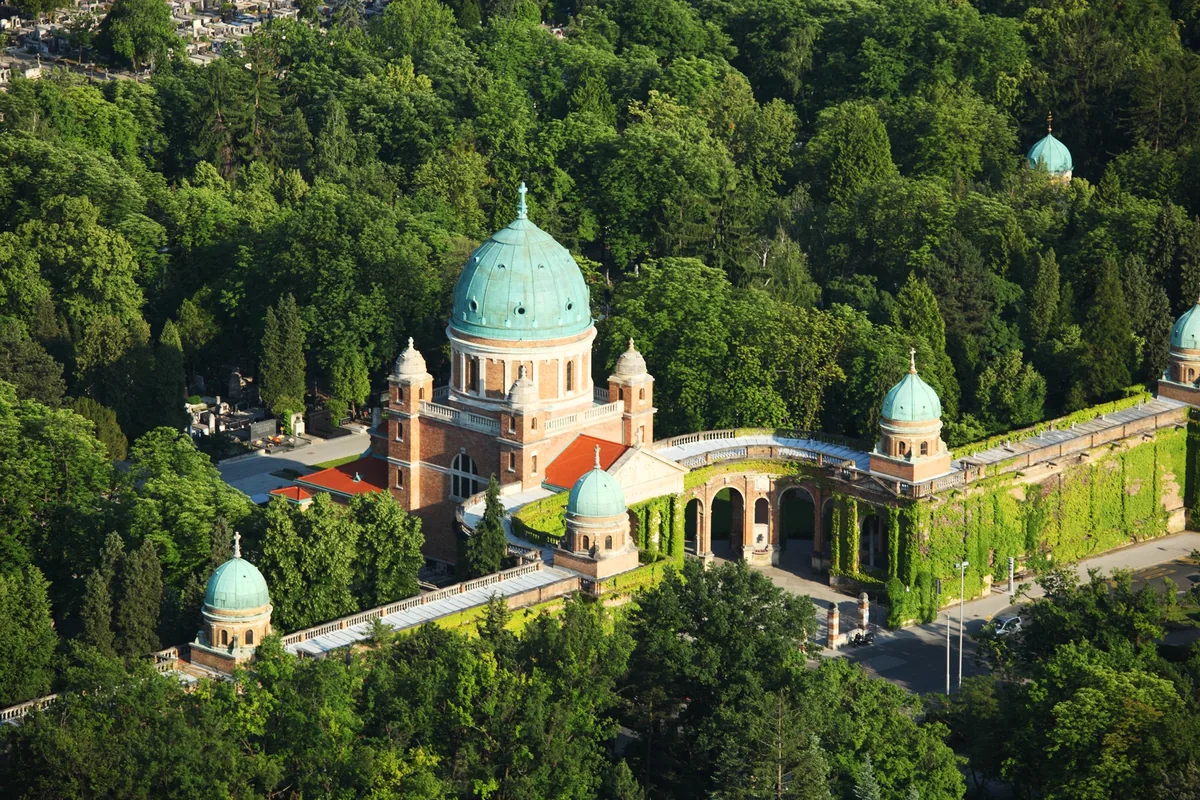
A 19th-century monumental cemetery featuring an 800-metre arcade of 20 emerald-green copper domes and ivy-draped neo-Renaissance walls; the park serves as a secular sanctuary where all faiths are buried in parallel; walk the central avenue in November when the scent of chrysanthemum is thick; the sound of the wind through the lime trees creates a hushed; cathedral-like atmosphere over the moss-slicked marble.
Vukovar Water Tower
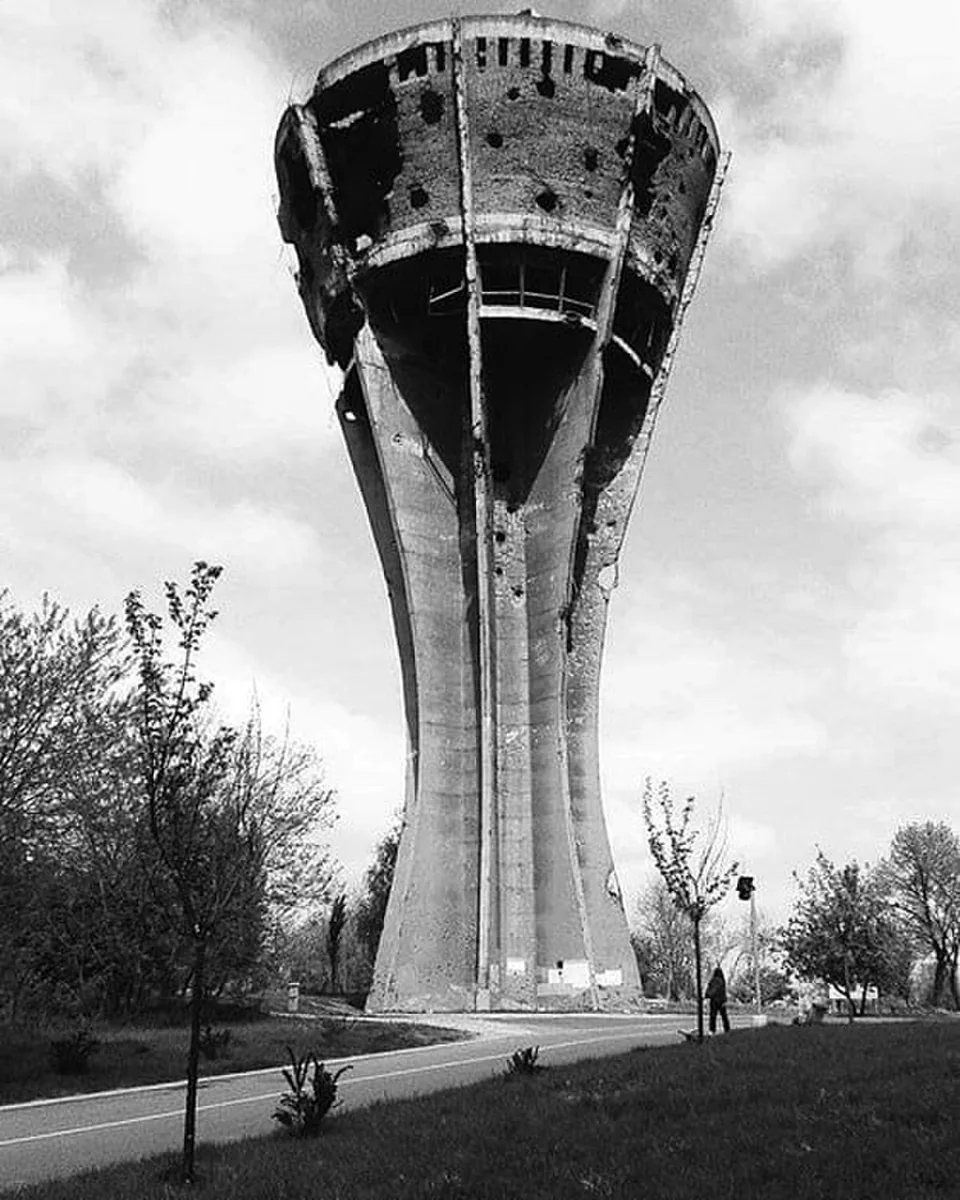
A scarred 1968 concrete structure left with 640 artillery wounds as a permanent 'memento mori' of the 1991 siege; the interior has been converted into a memorial with a winding walkway through the original ruptured walls; reach the top at dusk to view the Danube river; the raw; rusted rebar and jagged concrete provide a brutalist contrast to the soft evening light reflecting off the water.
Kopački Rit Nature Park
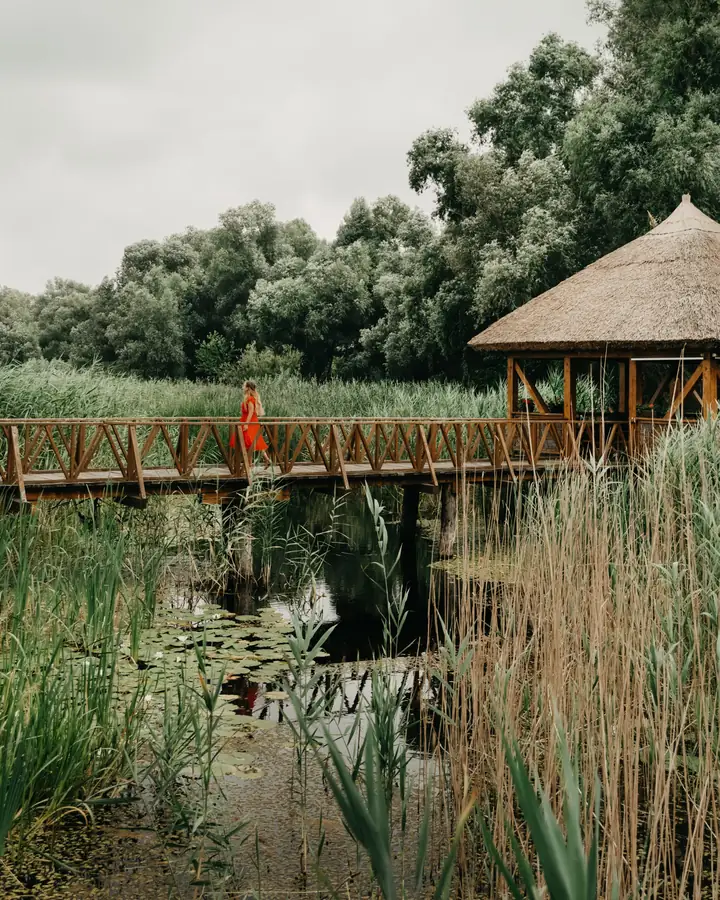
One of Europe's largest wetlands at the confluence of the Drava and Danube; this 17,000-hectare marshland is a labyrinth of reed beds and ancient willow forests; navigate the Sakadaš Lake via solar boat at dawn; the sound of four distinct species of woodpecker and the sight of white-tailed eagles define the interior; the air is thick; humid; and smells of rotting vegetation and fresh river water.
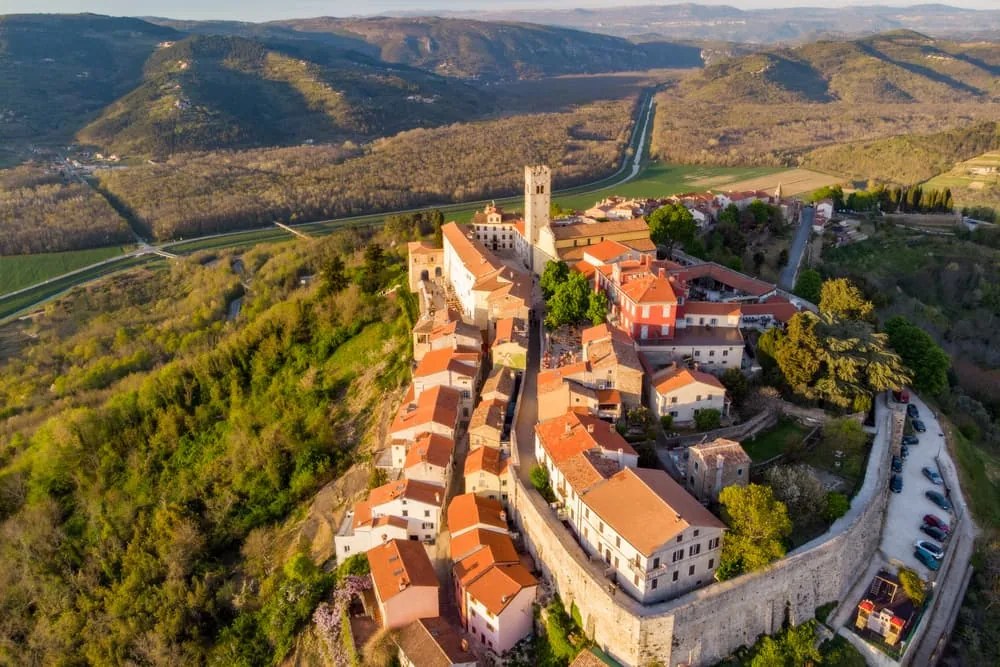
Motovun Old Town
A medieval hill-fortress rising 277 metres over the Mirna Valley; surrounded by the Motovun Forest famous for its white truffles; the Venetian colonial architecture remains perfectly preserved within the 13th-century walls; stand on the ramparts at 7 am when the valley is buried in a sea of fog; only the stone campanile pierces the mist; the air carries the heavy; earthy scent of damp oak.
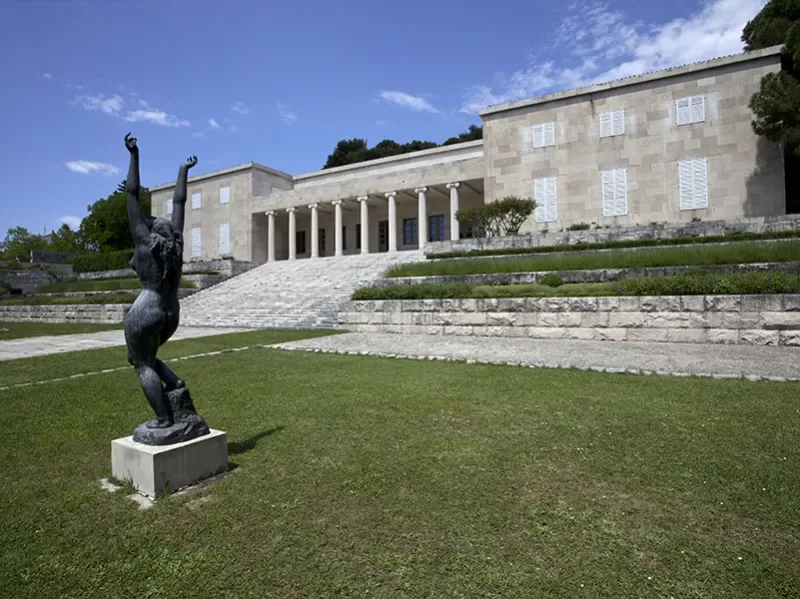
Ivan Meštrović Gallery
A neoclassical villa designed by Croatia's greatest sculptor to house his monumental works in bronze; marble; and wood; the peristyle garden overlooks the Adriatic and the islands of Brač and Šolta; walk through the Great Hall at 3 pm; the low-angled light catches the hand-chiseled texture of the walnut reliefs; the smell of salt air mixes with the scent of aged wood and cold stone.
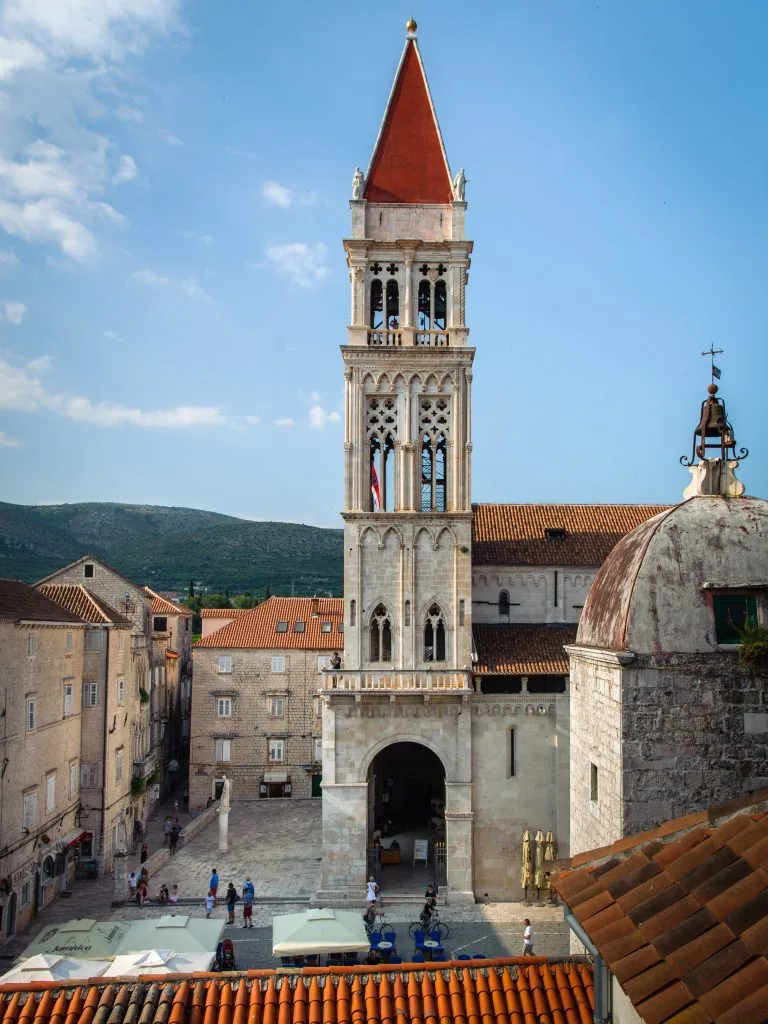
Cathedral of St. Lawrence
A Romanesque-Gothic masterpiece featuring the 1240 Radovan's Portal; the most significant monumental sculpture in the Balkans; the belfry demonstrates four distinct architectural styles from four different centuries; climb the tower at noon; the sound of the massive bells is deafening; the view reveals a limestone grid of streets unchanged since the 13th century; the stone is polished to a glass-like finish.
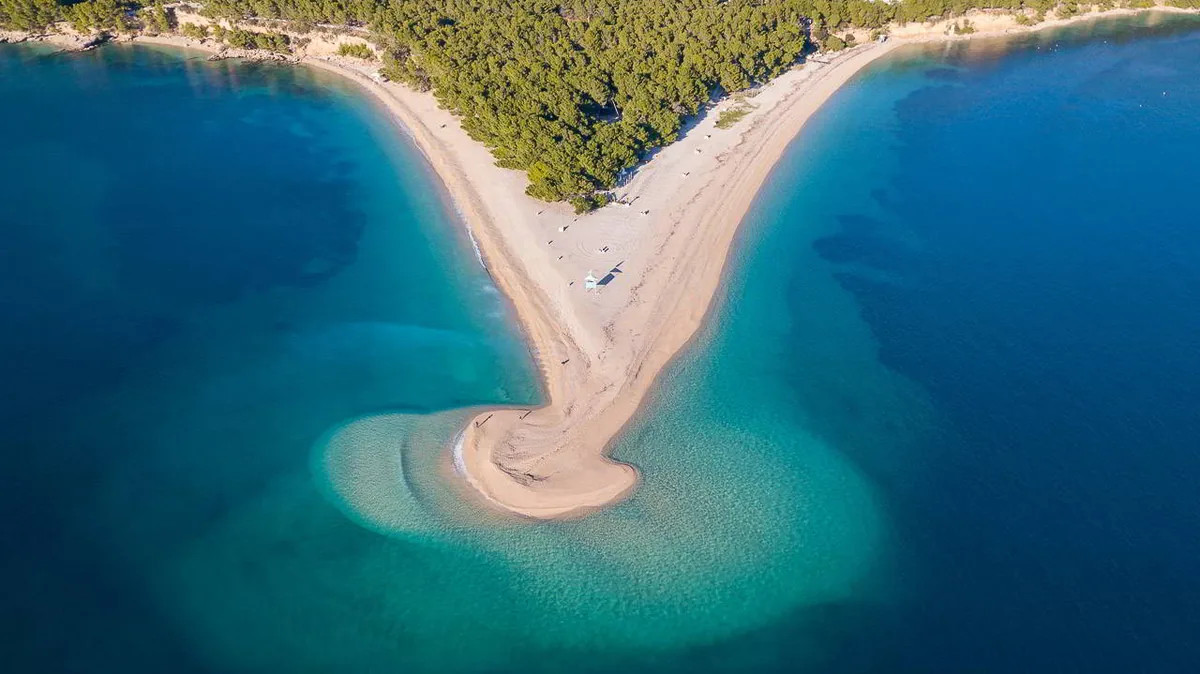
Zlatni Rat
A 500-metre spit of white limestone pebbles that shifts its shape based on the prevailing maestral winds and currents; the beach is fringed by a centennial pine forest that provides a sharp; green contrast to the turquoise water; walk to the tip at sunrise when the pebbles are cold and white; the sound of the stones rolling in the surf is a distinctive; rhythmic clatter unique to this coast.