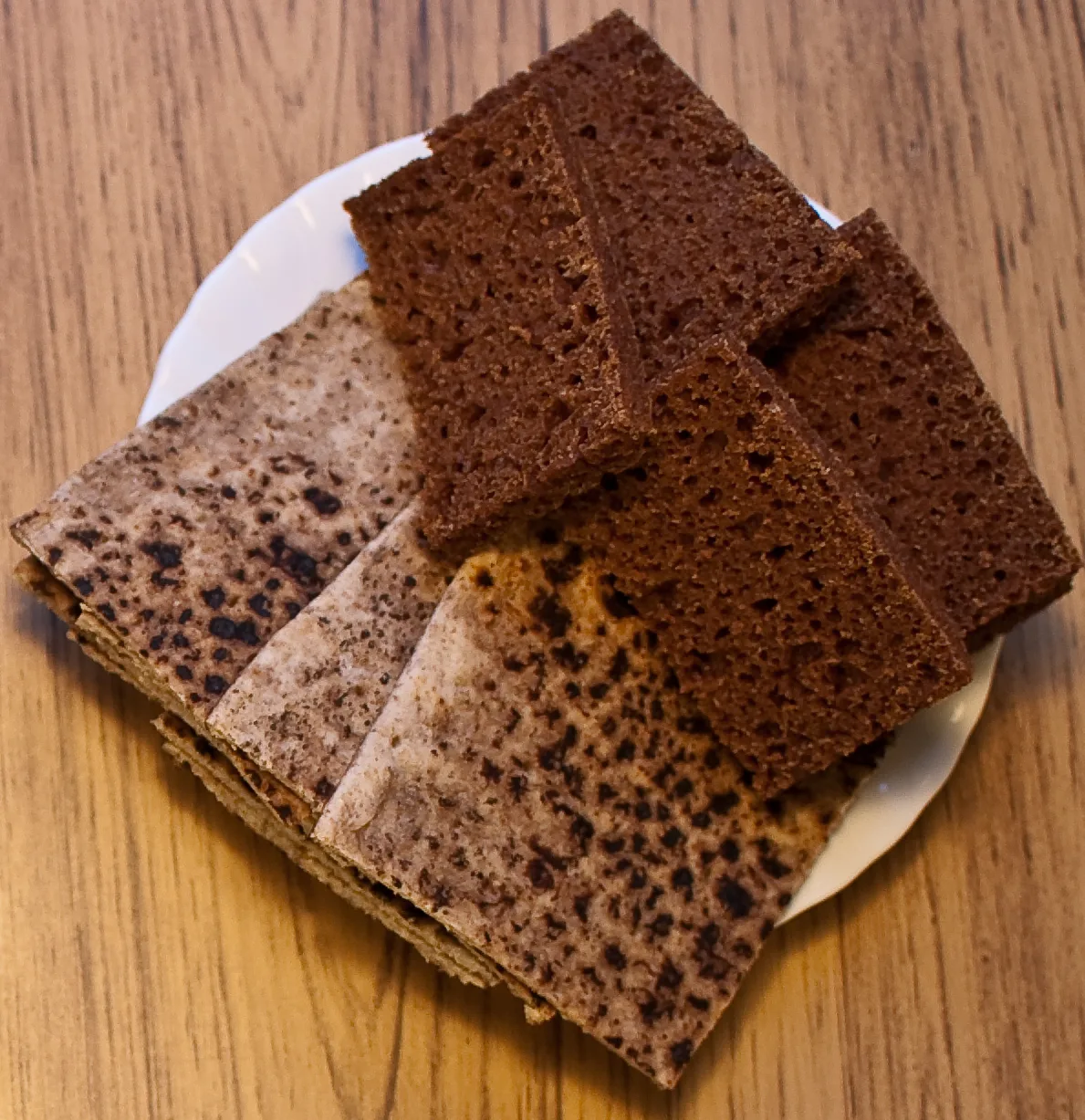
"In Iceland's geothermal areas, rye bread is baked underground: the dough is buried near a hot spring and left to cook slowly in the earth's heat for about 24 hours."
About Rúgbrauð
Ancestral 'Thunder Bread' slow-baked for 24 hours in high-gravity geothermal sand pits; the result is a dense; cake-like dark rye with a high-intensity caramelization and no 'shatter-crisp' crust; its high-precision sweetness pair perfectly with smoked arctic char or high-luxury pickled herring.
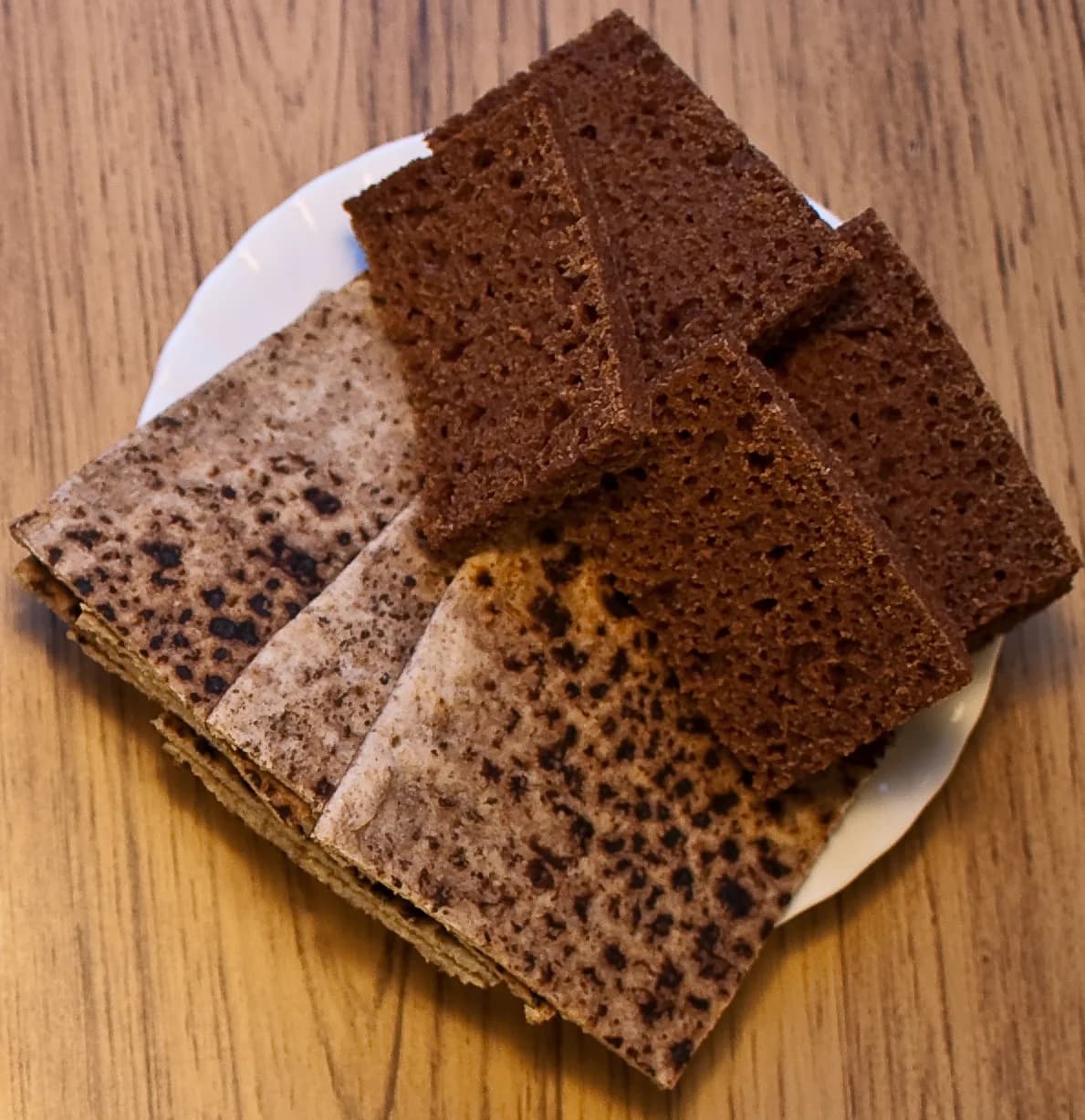
Rúgbrauð, a staple of Iceland's cuisine
Geothermal Bread
Rugbraud is a dark, dense, faintly sweet Icelandic rye bread, and in geothermal areas it is baked in the most Icelandic way imaginable. The dough is sealed in a pot, buried in the hot ground near a hot spring, and left to bake slowly in the earth's heat for around a day. The result, sometimes called hot-spring or lava bread, is moist and almost cake-like.
Sweet and Dark
The long, low baking caramelises the dough to a deep brown and a gentle sweetness, without any crust forming in the usual sense. The flavour is malty and rich, closer to a steamed bread than an oven loaf. It is a distinctive product of its unusual baking method.
How It Is Eaten
Rugbraud is sliced thin and eaten buttered, often topped with smoked lamb, pickled herring or simply on its own. The salty toppings play off the bread's sweetness, which is why those pairings are traditional. It is a staple of the Icelandic table, geothermal or not.
From the Ground
Around Lake Myvatn and other geothermal spots, bakers still pull steaming pots of rugbraud from the hot earth, and some places demonstrate the process for visitors. Watching a loaf unearthed from the ground is a memorable sight, a direct use of the island's volcanic heat. Eaten warm and buttered, it is a taste of Iceland's landscape itself.
What to Expect
Around Lake Myvatn and other geothermal spots, bakers still pull pots of steaming rugbraud from the hot ground. Eaten warm and thinly sliced with butter and smoked lamb or herring, the dense, sweet, dark bread is a memorable taste of Iceland's volcanic landscape.
Why Try It
The loaf emerges from volcanic ovens, a distinctly Icelandic application of geothermal heat, sometimes observed as it is unearthed from the ground.
Insider Tips
Try it warm and buttered, ideally with smoked lamb or pickled herring.
Around Lake Myvatn, some places demonstrate baking it in the geothermal ground.
Its dense sweetness pairs especially well with salty toppings.