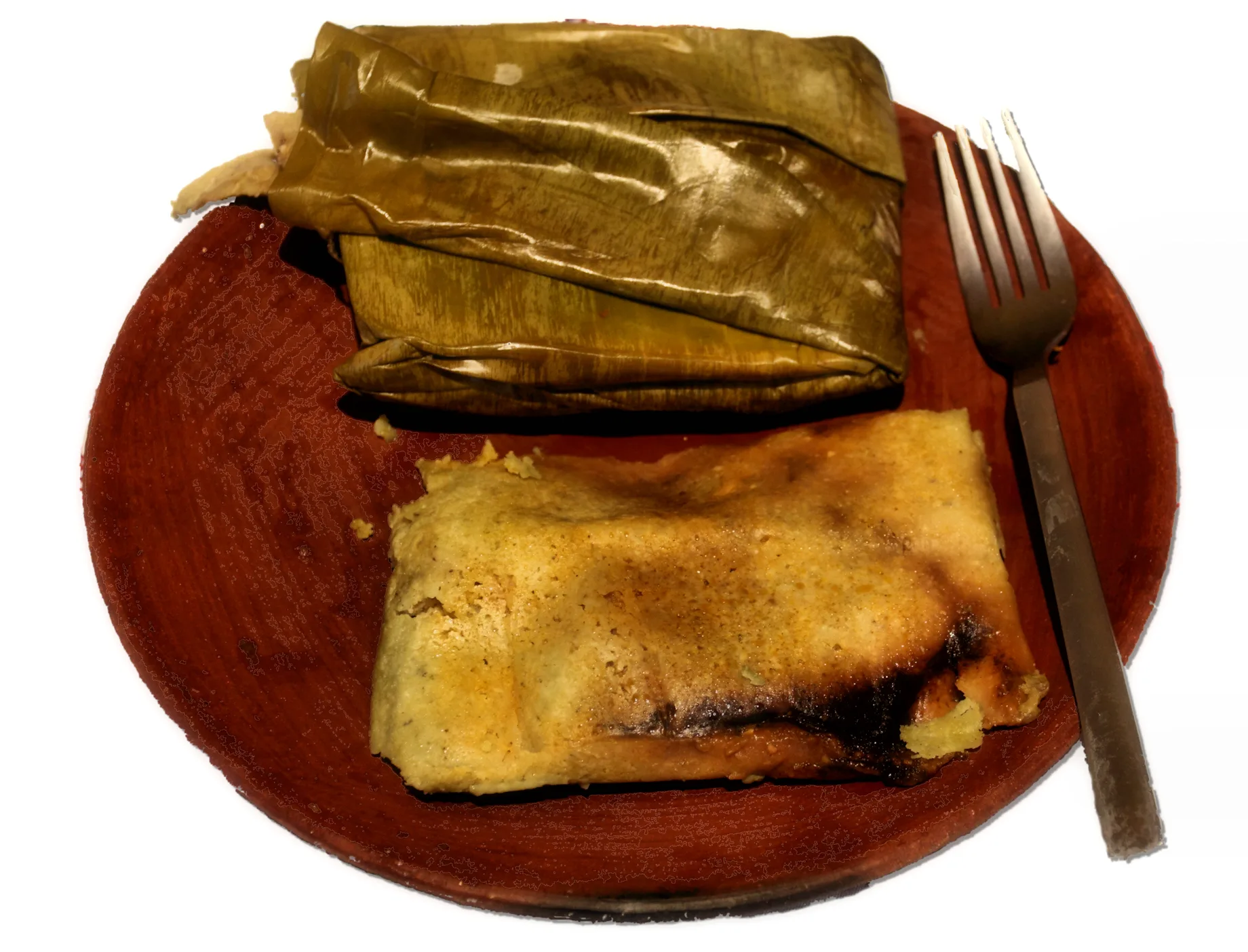
"Mexico's ancient corn-dough parcel (filled with mole, pork or cheese, steamed in corn husks) comes in 500+ regional varieties. Christmas Eve is tamalada night."
About Tamales
Mexico's ancient corn-dough parcel: masa (nixtamalised corn dough) spread on a soaked corn husk or banana leaf, filled with mole, pork, cheese, rajas or beans, folded and steamed until the masa sets into a soft, corn-flavoured envelope; prepared in enormous quantities for Christmas Eve (the tamalada family ritual); over 500 regional varieties documented across Mexico.
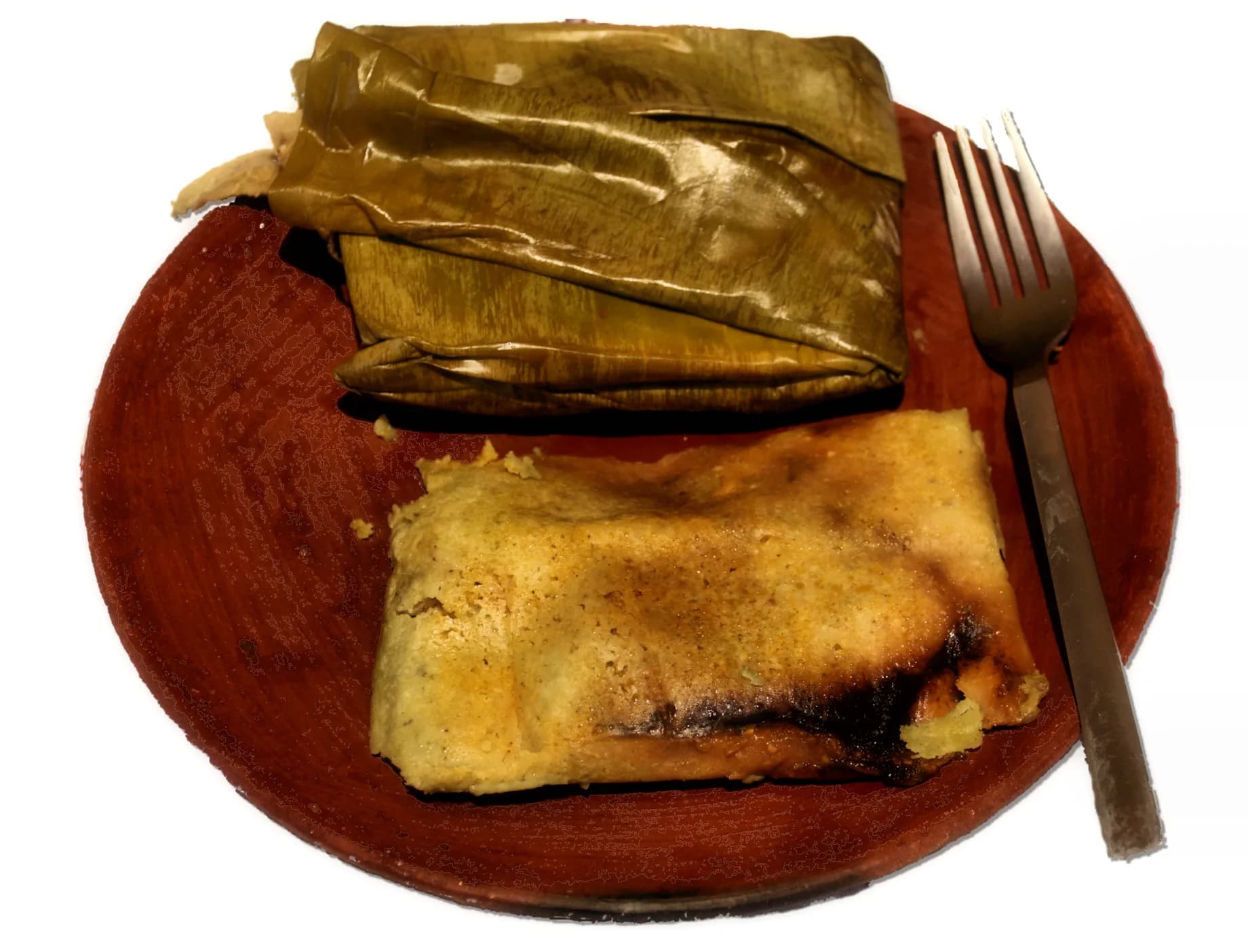
Tamales, a staple of Mexico's cuisine
The Parcel
Tamales are among Mexico's most ancient foods: masa, a dough of nixtamalised corn, spread on a soaked corn husk or banana leaf, filled, folded and steamed until it sets into a soft, corn-scented envelope. Fillings range from red and green moles to pork, cheese, chillies and beans, sweet as well as savoury. The husk is unwrapped and discarded before eating.
Hundreds of Varieties
There is no single tamale but hundreds of regional kinds across Mexico, varying in masa, wrapper, filling and shape. Some are wrapped in banana leaf and steamed flat, others bound tight in corn husks; some are barely larger than a thumb, others vast. The diversity reflects the country's regional cooking in miniature.
The Tamalada
Making tamales is labour-intensive, which is why it is often a communal effort, the tamalada, where a family gathers to assemble them in great quantity. It is especially associated with Christmas, when tamales are made for the holidays. The shared work is part of the tradition as much as the eating.
Pre-Hispanic Roots
The masa technique behind tamales predates Spanish contact by thousands of years, making them one of the most direct links to ancient Mexican foodways. They are eaten at street stalls and family tables alike, often for breakfast with a warm drink. To eat a tamale from its husk is to taste deep into the country's history.
What to Expect
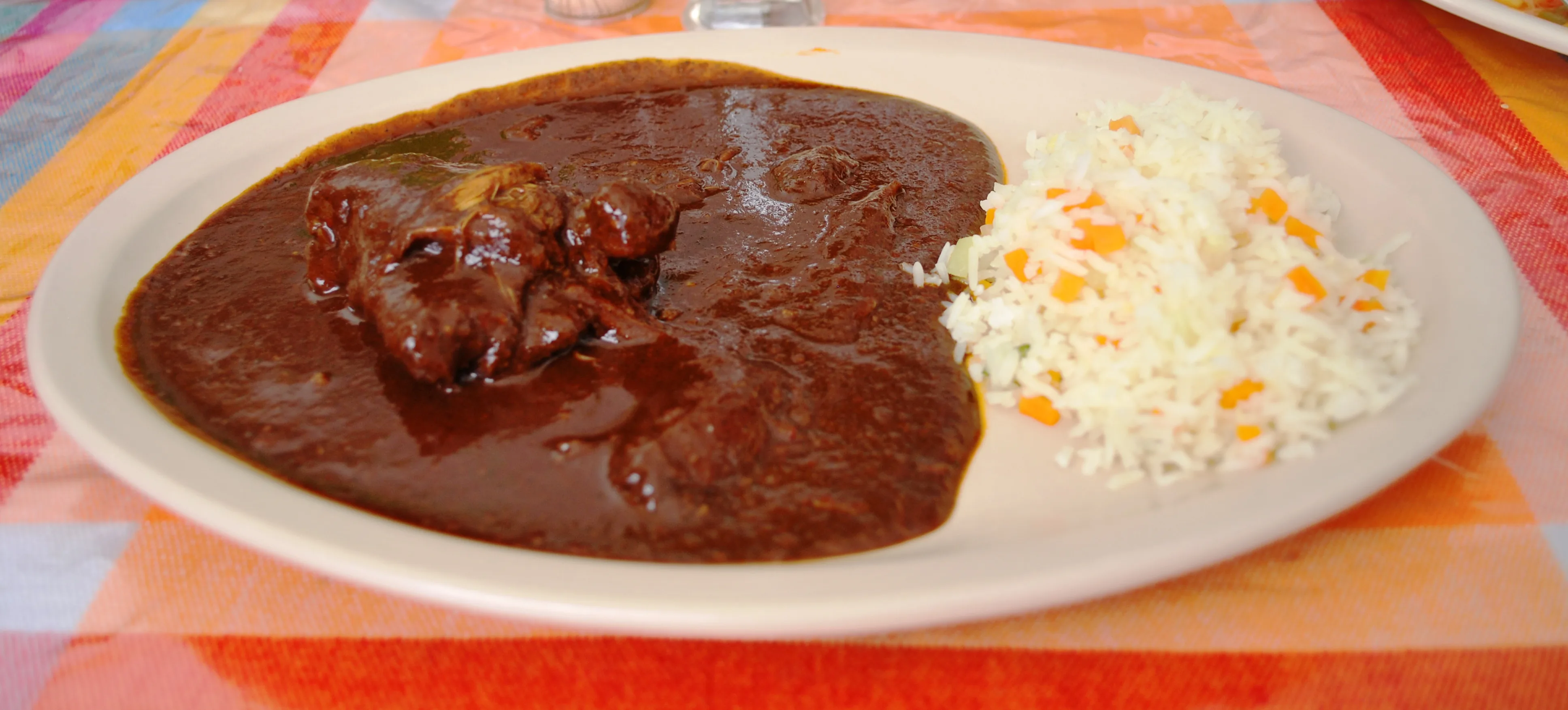
The tamale arrives in its corn husk, still steaming. The husk is unfolded, revealing the masa inside, which is soft and fragrant. The mole filling is dark and complex. At the edges, the masa absorbs the filling.
Why Try It
Tamales are pre-Hispanic food, the corn-masa technique predates Spanish contact by thousands of years. Eating them is eating deep into Mexican history.
✦ Photo Gallery
Insider Tips
The red pork mole version (rojo) is the most common and most reliable for first-time eating.
Eat them from the husk at a street stall, the context is inseparable from the food.
The tamal de rajas (with poblano strips and cheese) is the best vegetarian version.