All landmarks and tourist attractions in Mexico
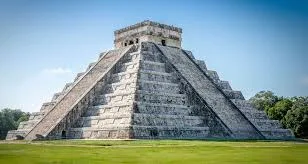
Kukulkan Pyramid
The 24-metre Puuc-influenced stone masterpiece functions as a physical solar calendar where 365 steps tally the Mayan year; at the spring equinox; the late-afternoon sun creates a shadow serpent slithering down the northern staircase; arrive before the first buses at 8 am to hear the 'quetzal chirp' echo off the sun-bleached limestone when you clap at the base of the stairs.
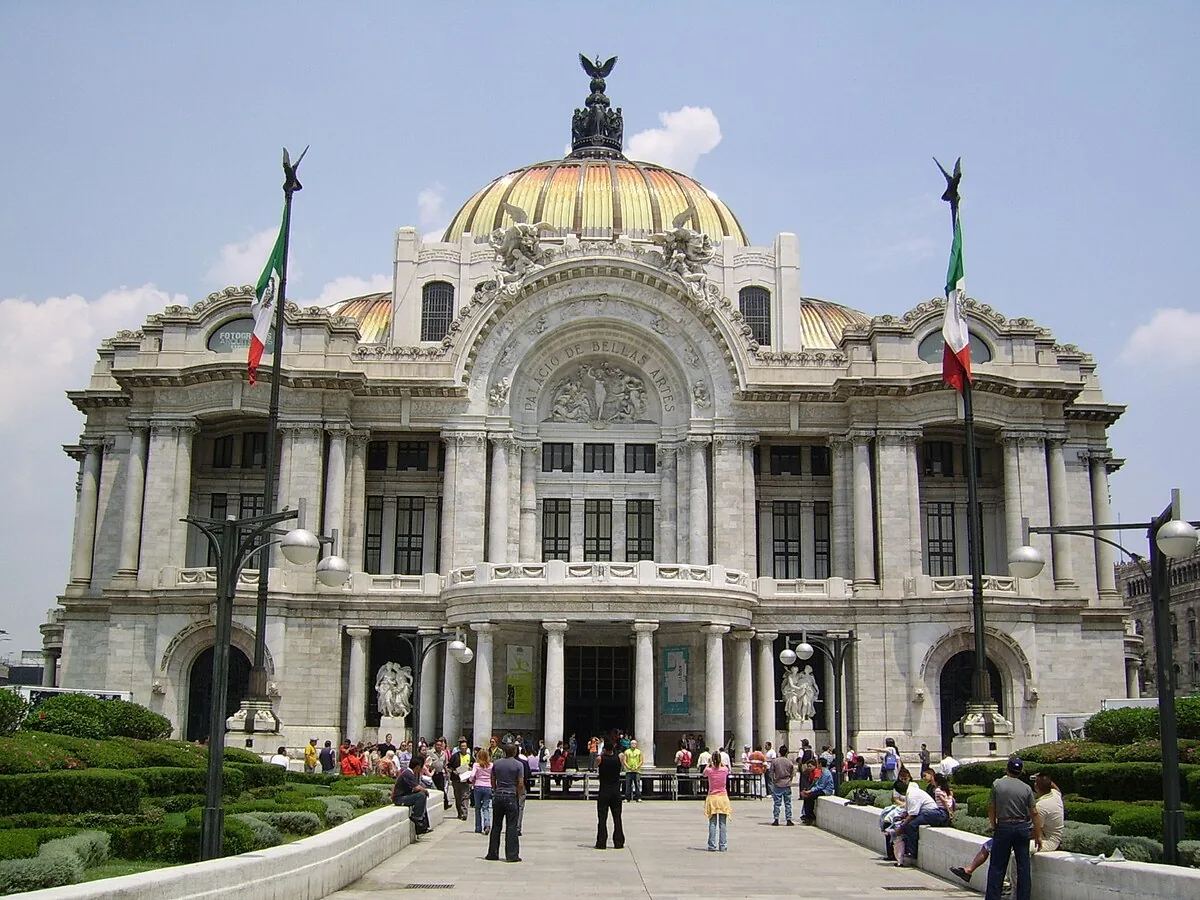
Palacio de Bellas Artes
The white marble exterior is a study in Italian Neoclassical and Art Nouveau design; while the interior explodes into Art Deco geometry; the 1934 mural 'Man at the Crossroads' by Diego Rivera occupies a central position of defiance; attend a performance just to see the 22-ton Tiffany stained-glass curtain; which depicts the Valley of Mexico with two million crystal tesserae.
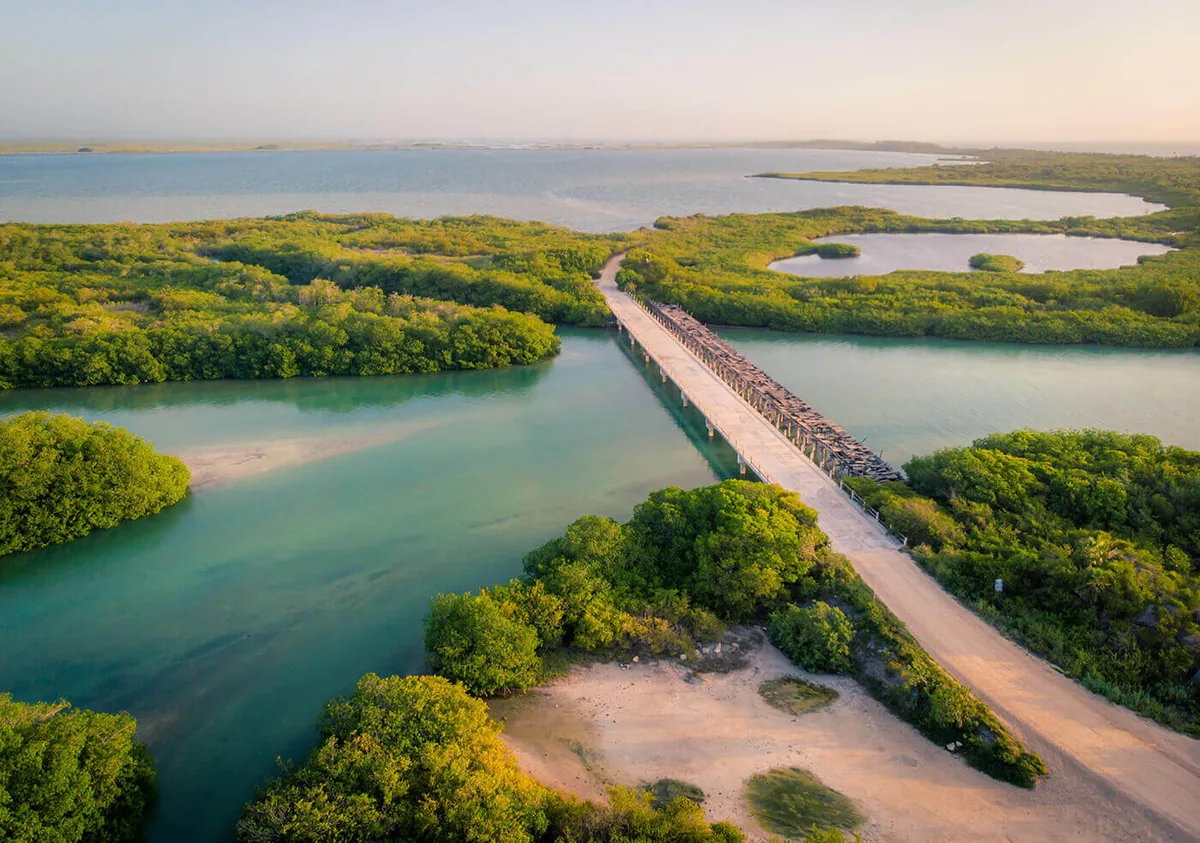
Sian Ka'an Biosphere Reserve
A 1.3-million-acre UNESCO wilderness where freshwater cenotes drain through mangroves into the Mesoamerican Barrier Reef; the pre-Columbian Muyil canal allows for a sensory-rich 'float' through ancient trade routes; swim the clear brackish water at noon when the sun illuminates the limestone bed; the silence is punctuated only by the occasional call of an osprey or the rustle of manatee grass.
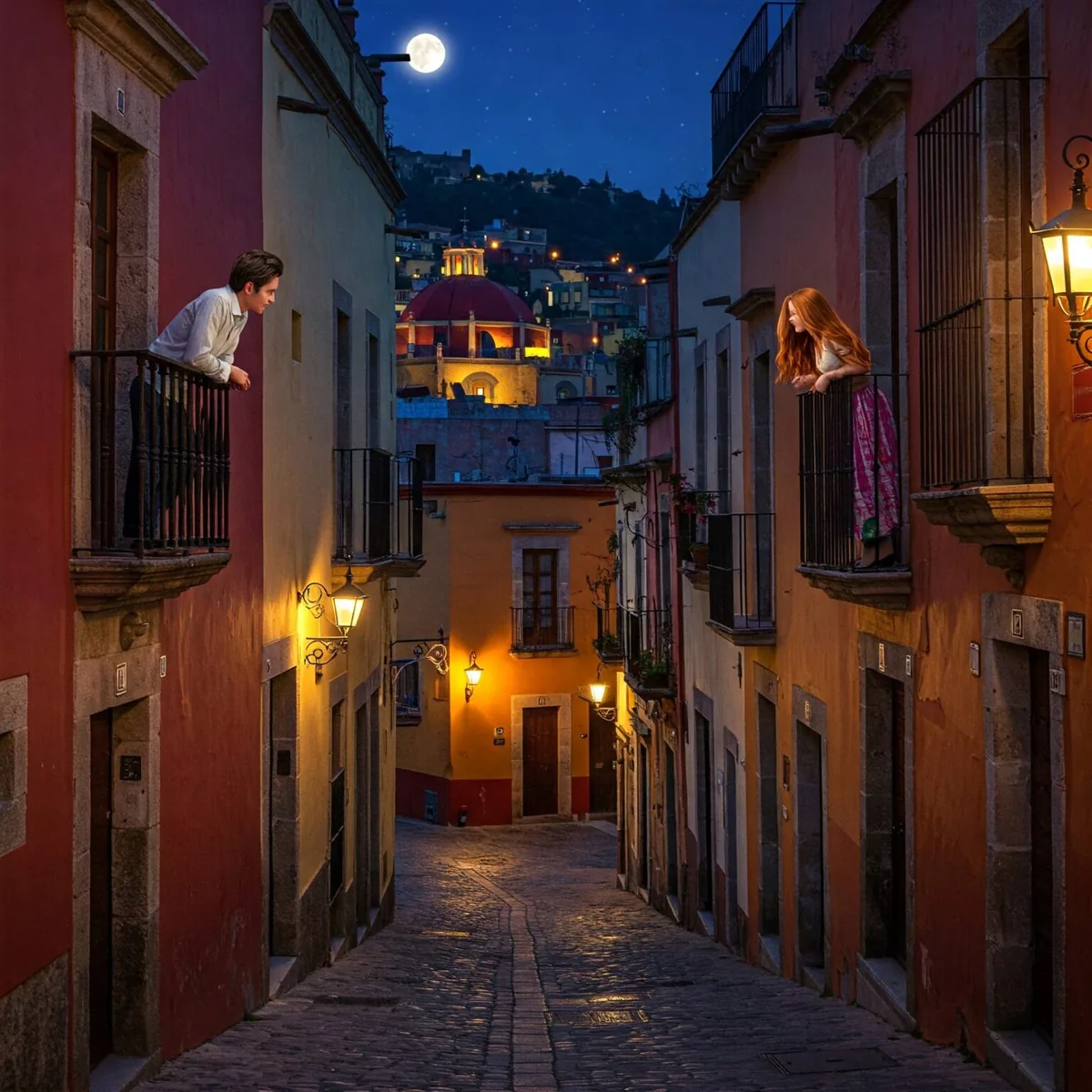
Callejón del Beso
The narrowest alley in a city of 18th-century subterranean tunnels and silver-funded Baroque churches; where balconies sit less than 70 centimetres apart; the crimson-painted walls and moss-slicked steps tell a story of forbidden colonial romance; walk the street at midnight after the 'Callejoneadas' musicians have passed; the cold stone and high-altitude air amplify the sound of distant church bells from the Basilica.
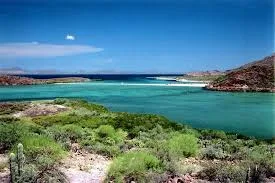
El Vizcaíno Biosphere Reserve
The world’s largest gray whale nursery is located in the hypersaline lagoons of Baja California Sur; where mammals migrate 10,000 kilometres to give birth; the surrounding desert is a stark landscape of 15-metre cardon cacti and laterite-red earth; board a small panga boat at 8 am when the water is glass-calm; wait for the tactile ritual of a mother whale lifting her calf to the surface.
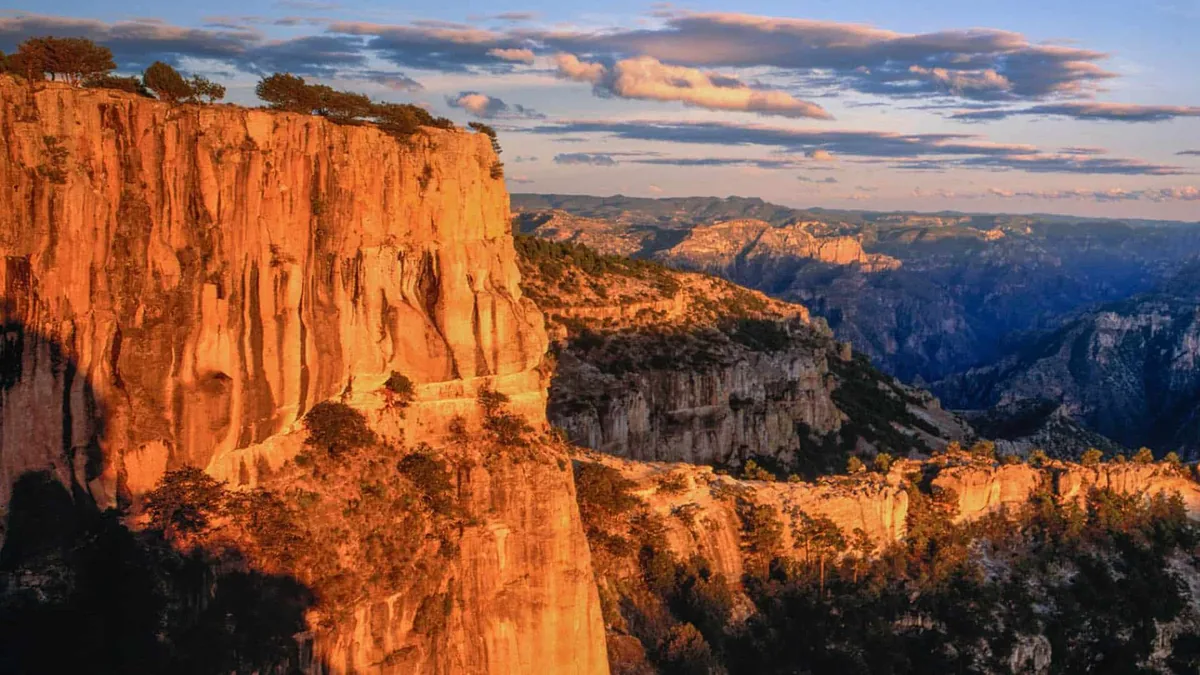
Barrancas del Cobre
A system of six distinct canyons in the Sierra Tarahumara that is deeper and more expansive than the Grand Canyon; the landscape ranges from alpine pine forests at 2,400 metres to tropical canyon floors; board the 'Chepe Express' train at dawn; the western light hits the moss-slicked basalt cliffs and reveals the jagged scale of the Urique and Sinforosa chasms.
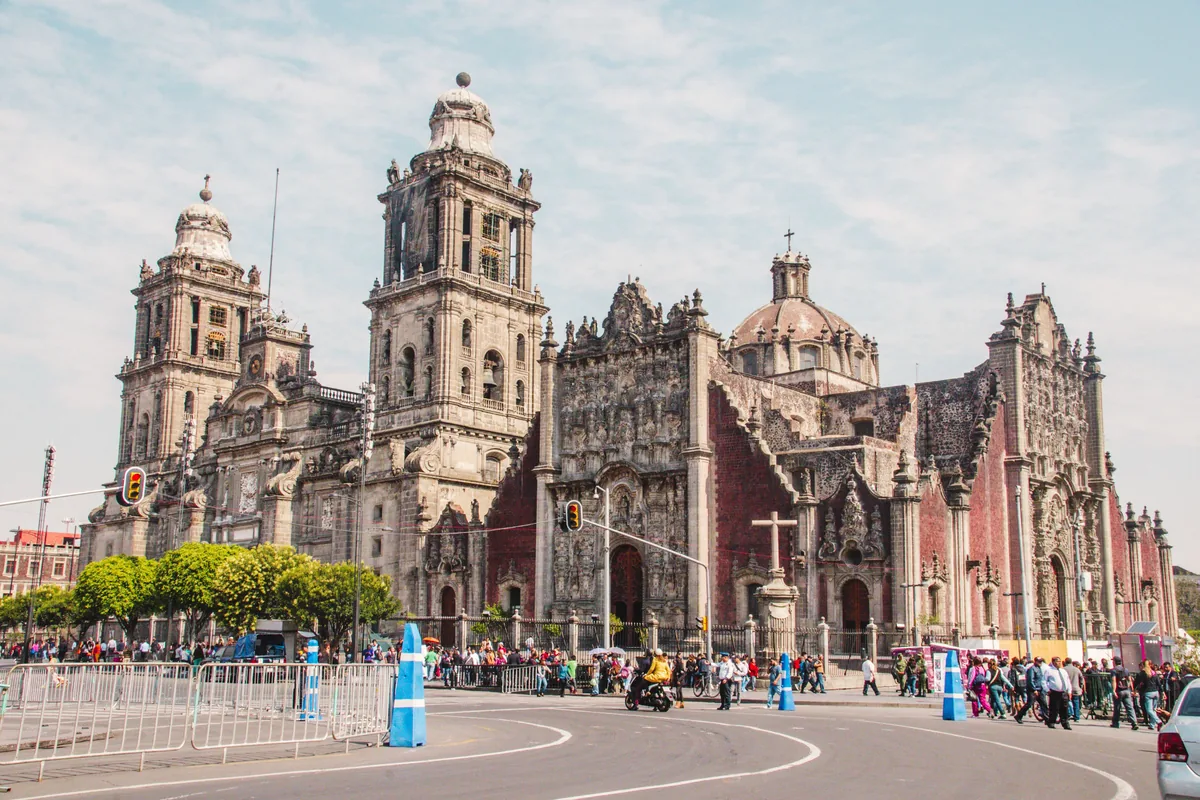
Catedral Metropolitana
The largest cathedral in the Americas was built over 250 years on the site of the Aztec Templo Mayor; using the very stones of the destroyed pagan temples; the Altar of the Kings is a 1718 masterwork of Churrigueresque gold-leaf excess; stand beneath the central dome at noon when the light hits the 'pendulum of stability'; which tracks the building’s slow sink into the ancient lakebed.
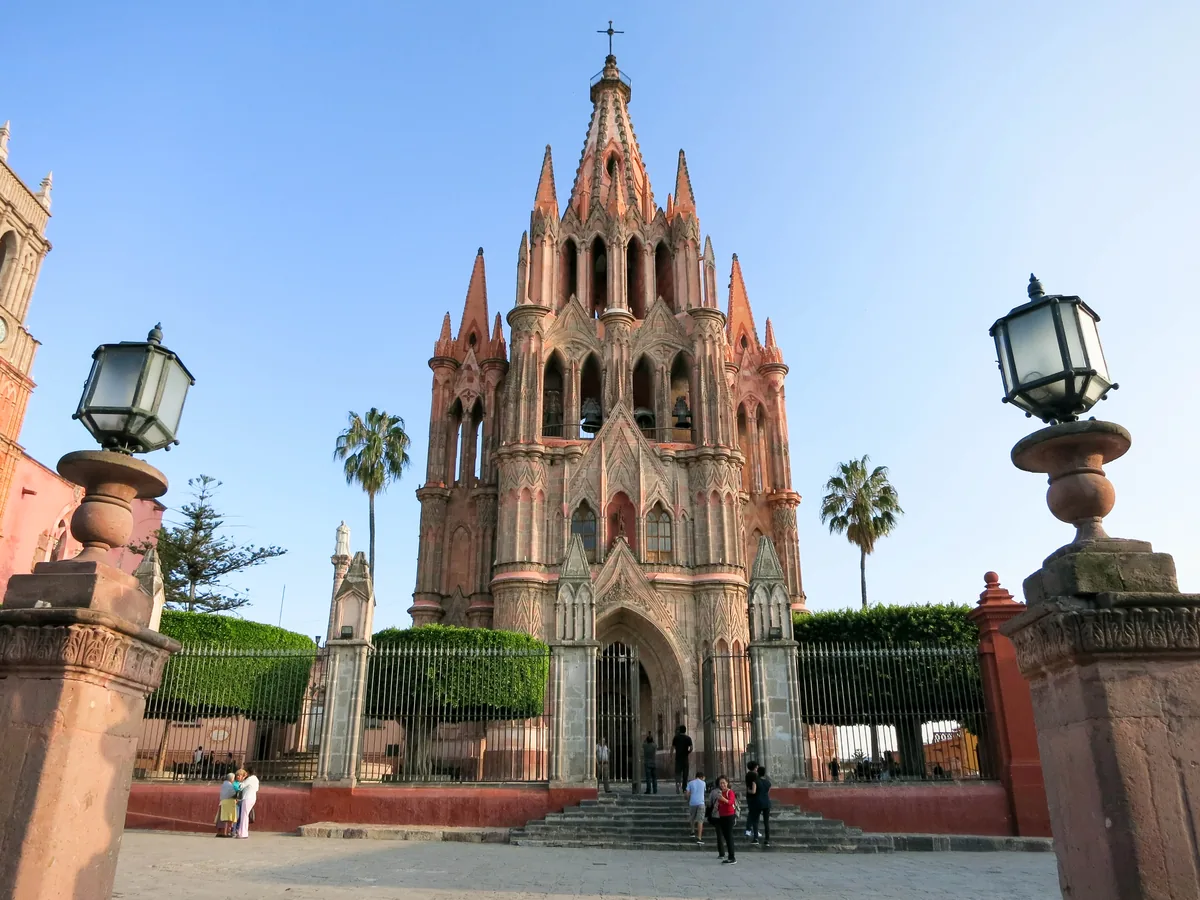
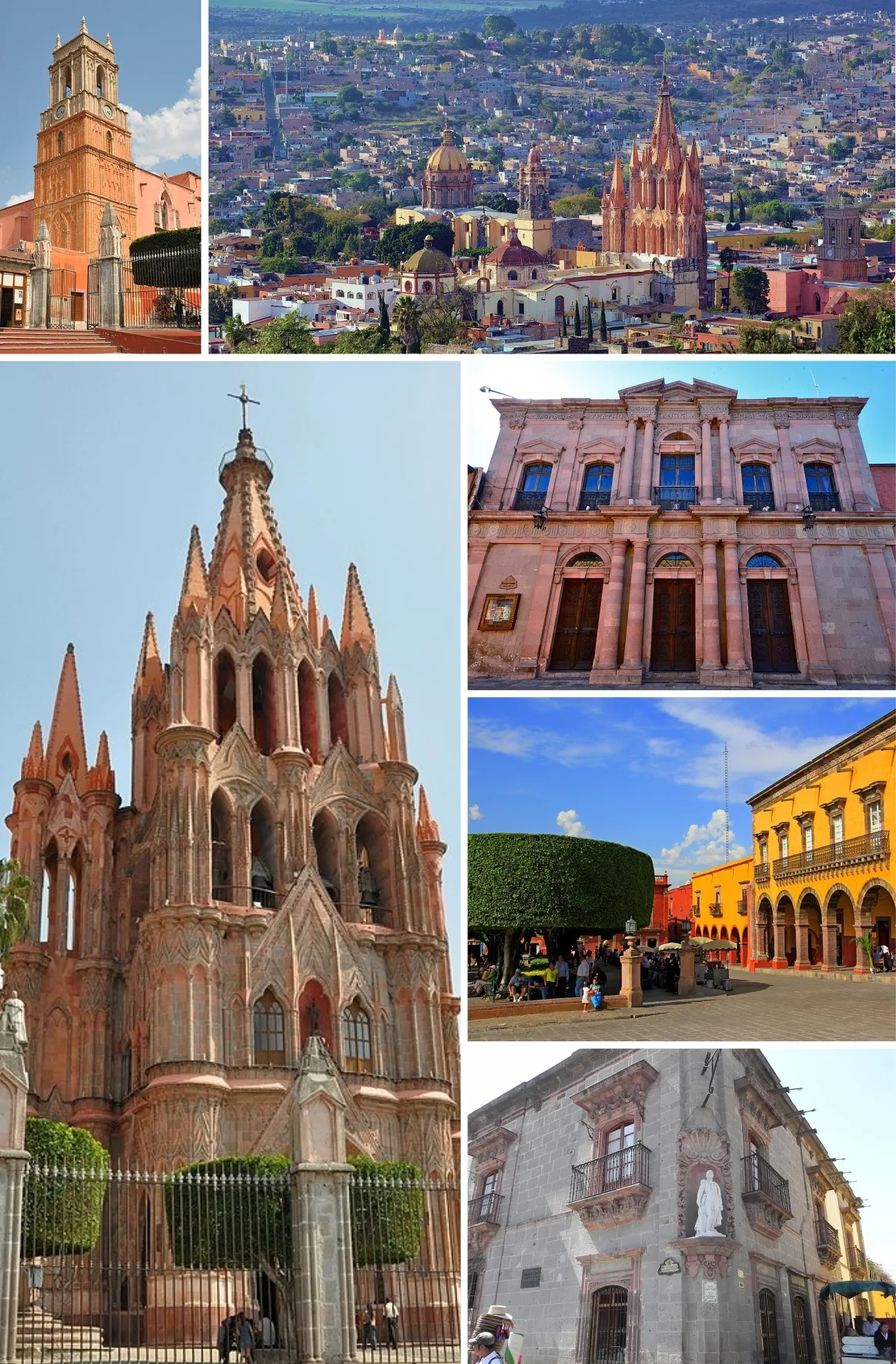
Parroquia de San Miguel Arcángel
This 19th-century Neo-Gothic facade was designed by a self-taught stonemason who used postcards of European cathedrals for inspiration; the pink cantera stone glows with a specific luminosity that defines the city's skyline; arrive at the Jardin at 4 pm when the western sun turns the spires coral; the sound of a dozen local festivals often collides in the open plaza.
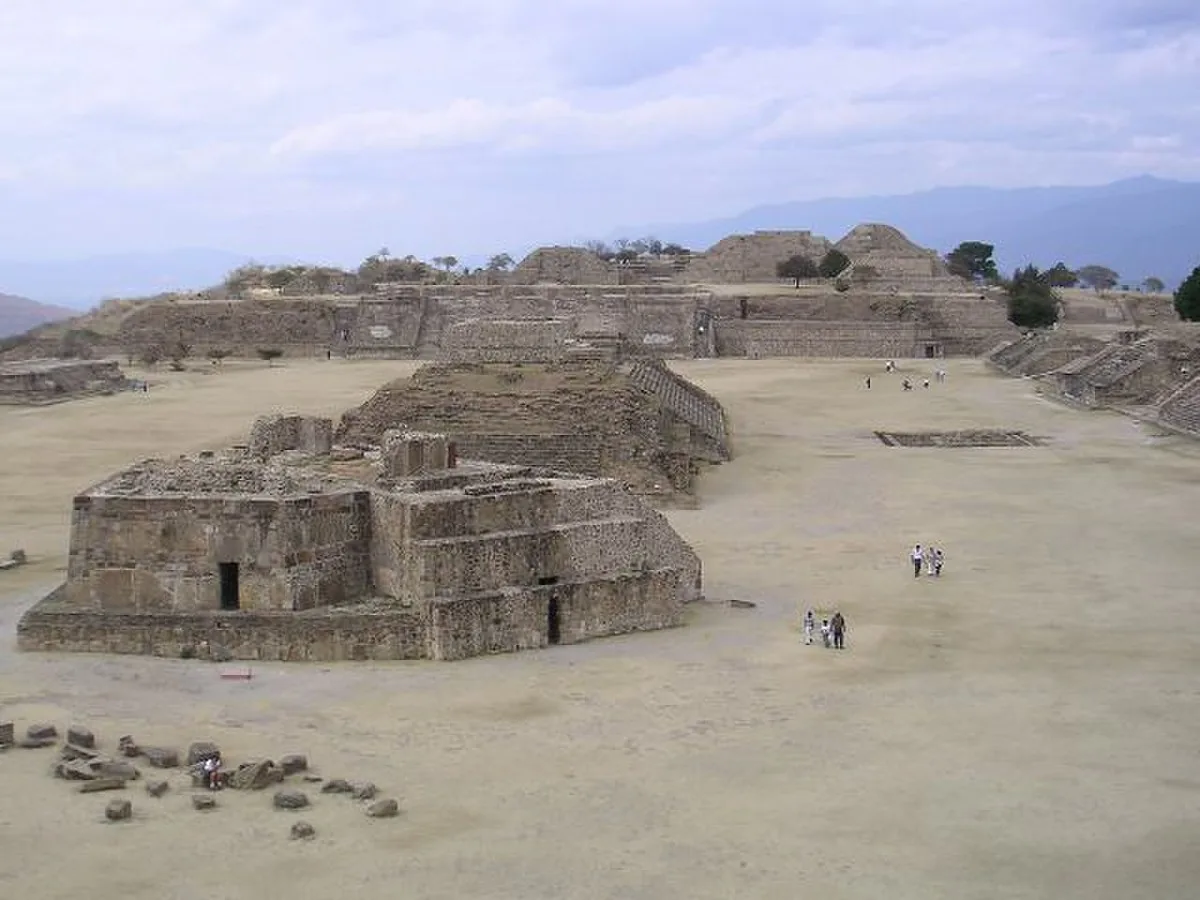
Monte Albán
Zapotec architects leveled a 400-metre mountaintop to build this 500 BC ceremonial nexus overlooking the Oaxaca Valley; the Main Plaza is flanked by 'The Danzantes'; stone reliefs of captives that reveal a brutal; ancient political history; climb the North Platform at sunrise as the low light highlights the jagged textures of the stone altars; the only sound is the wind across the high-altitude plateau.
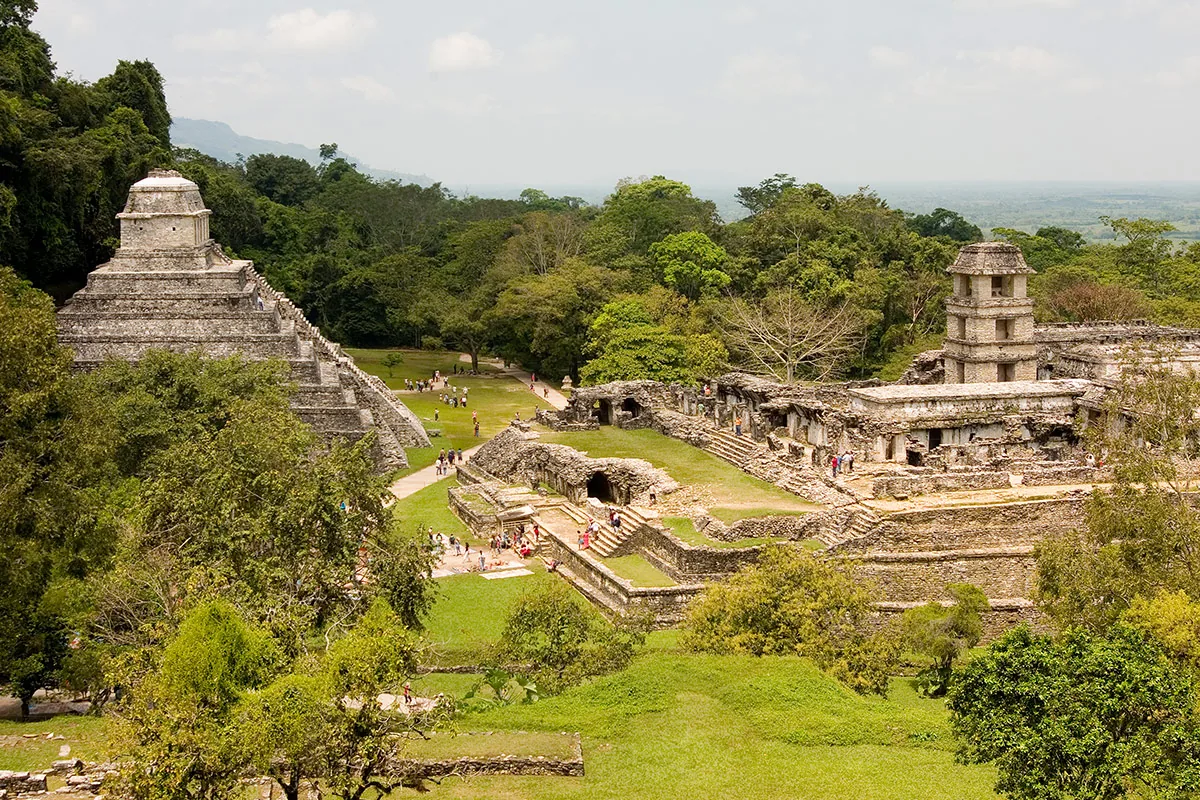
Zona Arqueológica de Palenque
A 7th-century Mayan city emerging from the Lacandon Jungle; featuring the Temple of the Inscriptions where the sarcophagus of Pakal the Great was unearthed; the architecture is defined by delicate roof combs and intricate stucco glyphs; hike to the Otolum aqueduct at 7 am as the heavy canopy mist begins to lift; the deep roar of howler monkeys provides a constant; prehistoric soundtrack.
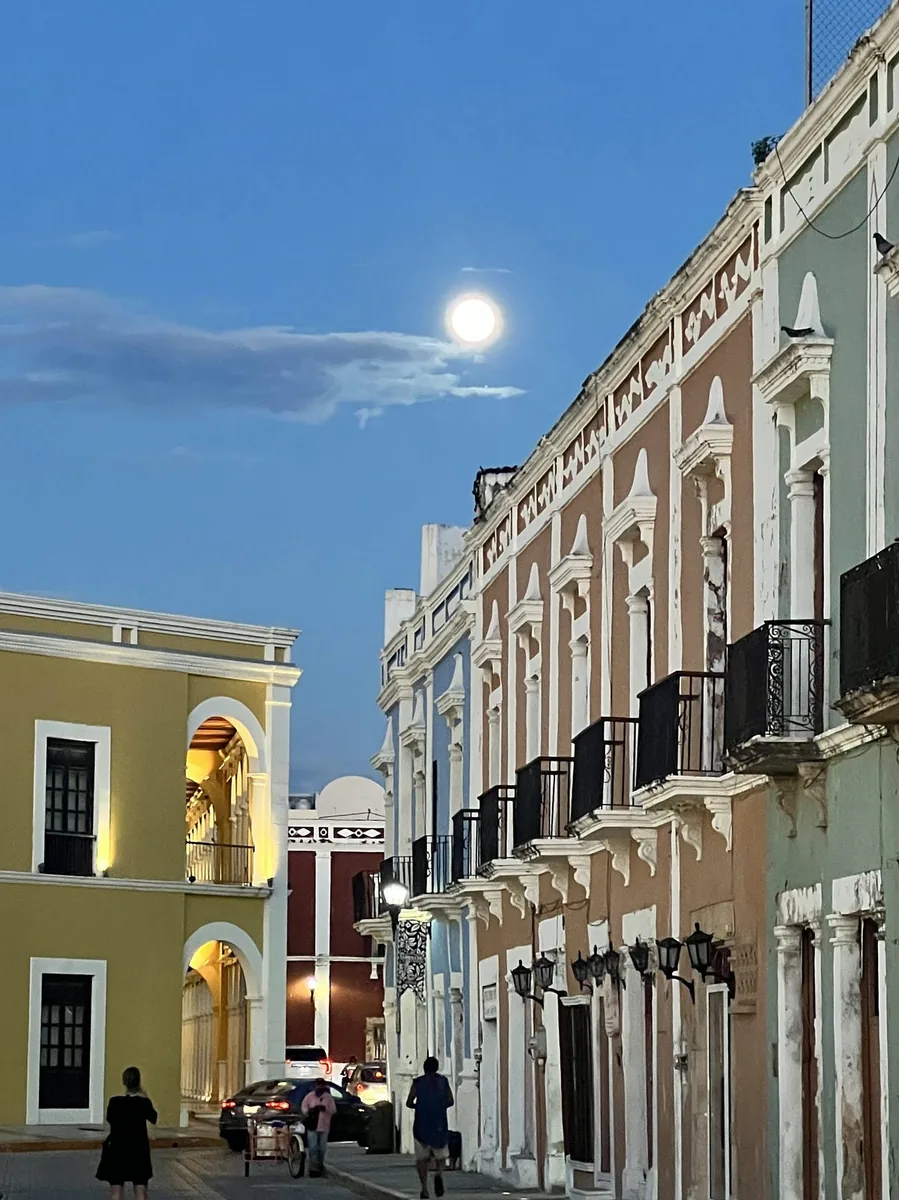
Old City of Campeche
A hexagonal 17th-century fortress city built to repel Caribbean pirates; featuring 8-metre thick ramparts and two sea-facing bastions; the streets are a grid of pastel-washed colonial homes with hand-hammered iron balconies; walk the Baluarte de San Francisco at dusk; the Gulf of Mexico breeze carries the scent of salt and fried fish; while the stone walls turn deep ochre.
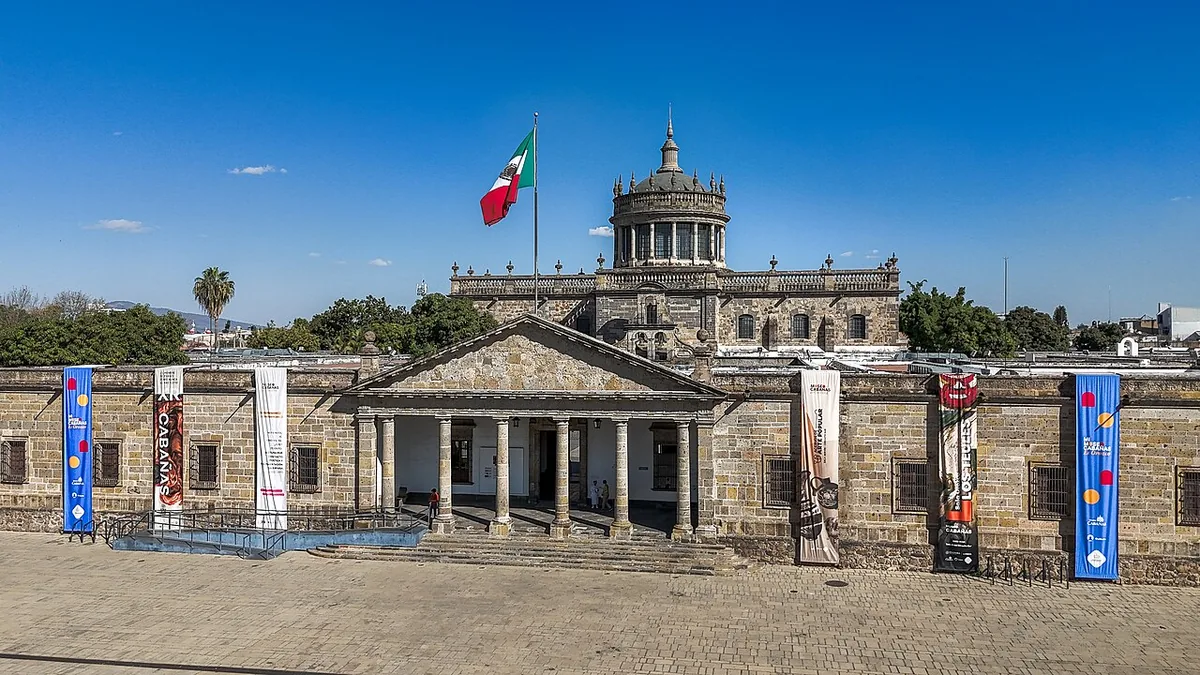
Hospicio Cabañas
This 19th-century neoclassical complex; designed by Manuel Tolsá; features a chapel housing 57 murals by José Clemente Orozco; the 'Man of Fire' occupies the central dome; a searing masterpiece of Mexican social realism; lie on the wooden benches to view the ceiling at noon; the natural light makes the charcoal and vermilion pigments appear to vibrate against the grey stone.
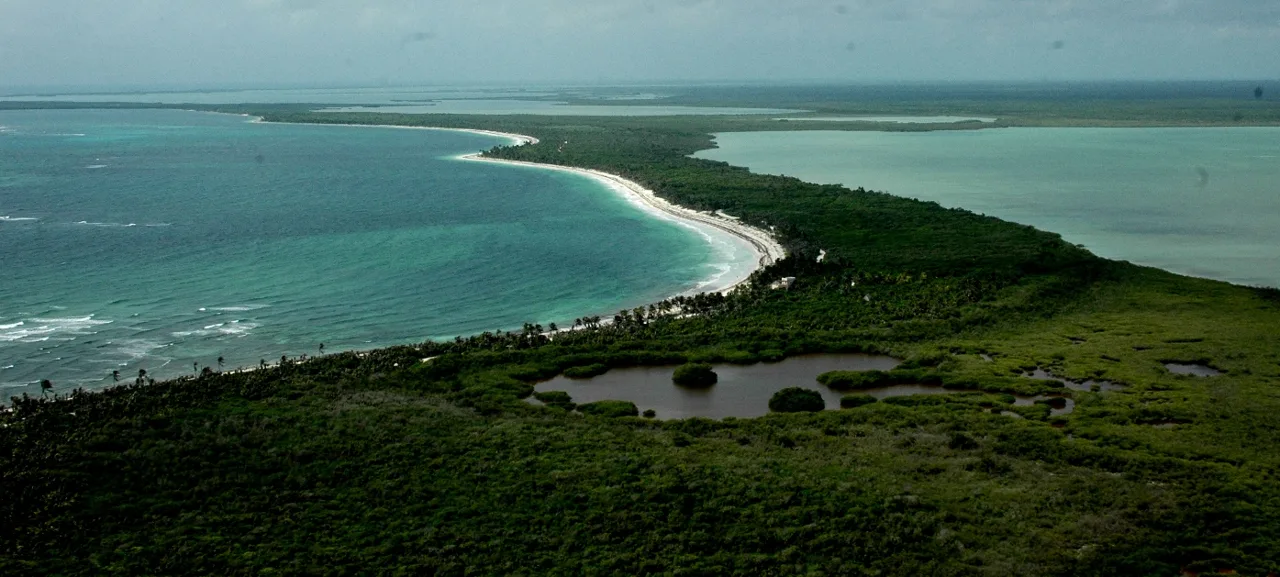
Sian Ka'an Biosphere Reserve
It is a million acres of 'where the sky begins,' a place where you can float through Maya canals so clear the fish look like they are flying through glass.
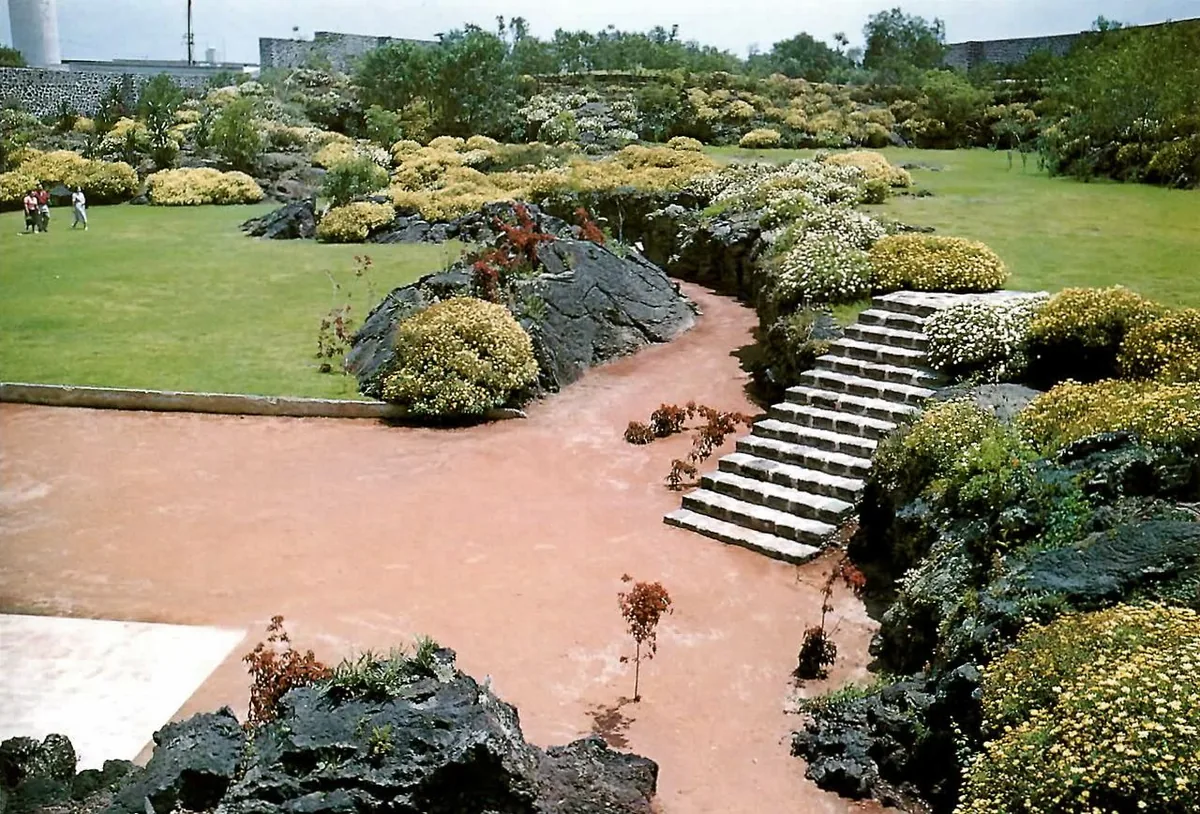
Jardines del Pedregal
A 1940s landscape masterpiece by Luis Barragán built directly onto the jagged; black basalt flows of the Xitle volcano; the design integrates modern architecture with the raw; prehistoric texture of the lava rock; walk the private gardens at noon; the play of shadow on the stark; colored walls creates a high-contrast geometry; the air is cooled by secret fountains hidden among the volcanic cracks.
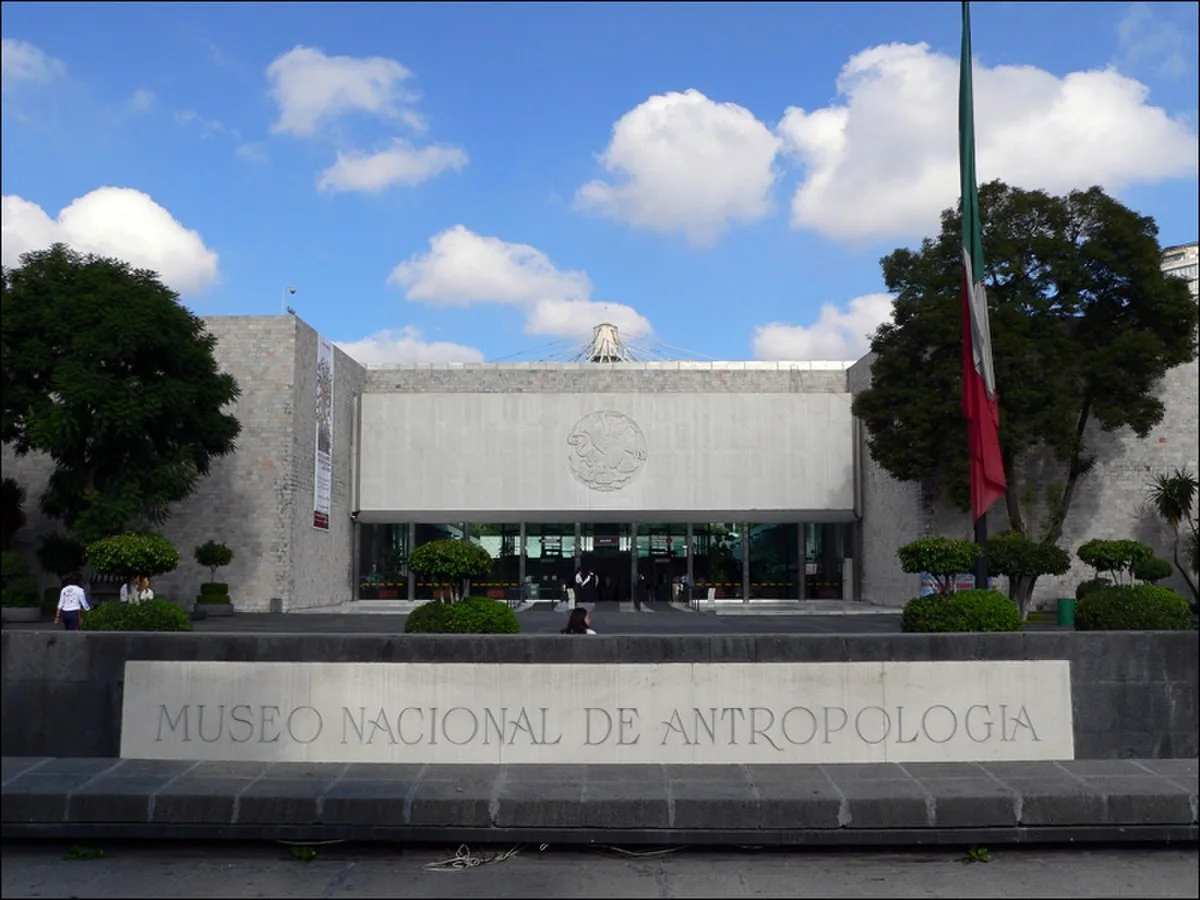
Museo Nacional de Antropología
The world’s premier repository of Mesoamerican artifacts is centered around 'El Paraguas'; a massive 1964 concrete fountain supporting a single-column roof; the 24-ton Aztec Sun Stone anchors the central gallery where the air smells of cool volcanic rock and cedar; walk the second floor at dusk when the cross-ventilation brings the scent of the surrounding Chapultepec forest into the halls.
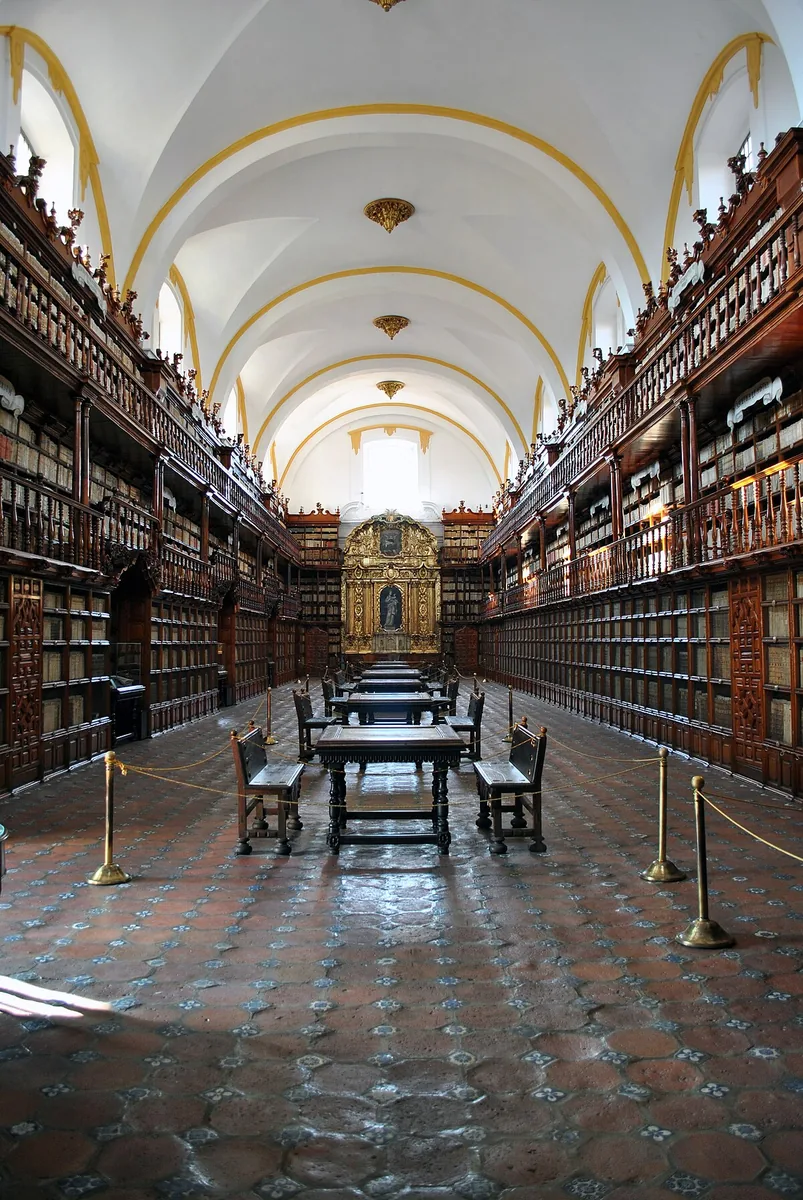
Biblioteca Palafoxiana
Founded in 1646; this is the oldest public library in the Americas; housing over 45,000 volumes in hand-carved cedar and mahogany shelving; the three-tiered Baroque hall smells of vellum; beeswax; and centuries of slowly decaying paper; enter through the heavy iron doors at 10 am; the light through the high clerestory windows illuminates the gold-leaf altarpiece of the Madonna of Trapezi.