"Stockfish soaked in lye until it becomes gelatinous, Norway's Christmas tradition inspires universal international scepticism and fierce Norwegian pride simultaneously."
About Lutefisk
Norway's most notorious preserved fish: dried stockfish (usually cod) rehydrated in cold water, then soaked in a lye (potassium hydroxide) solution that transforms the texture to a quivering, gelatinous white mass; baked or boiled and served with bacon, peas, potatoes and lefse flatbread; a Christmas tradition that Norwegians defend with genuine pride against universal international skepticism.
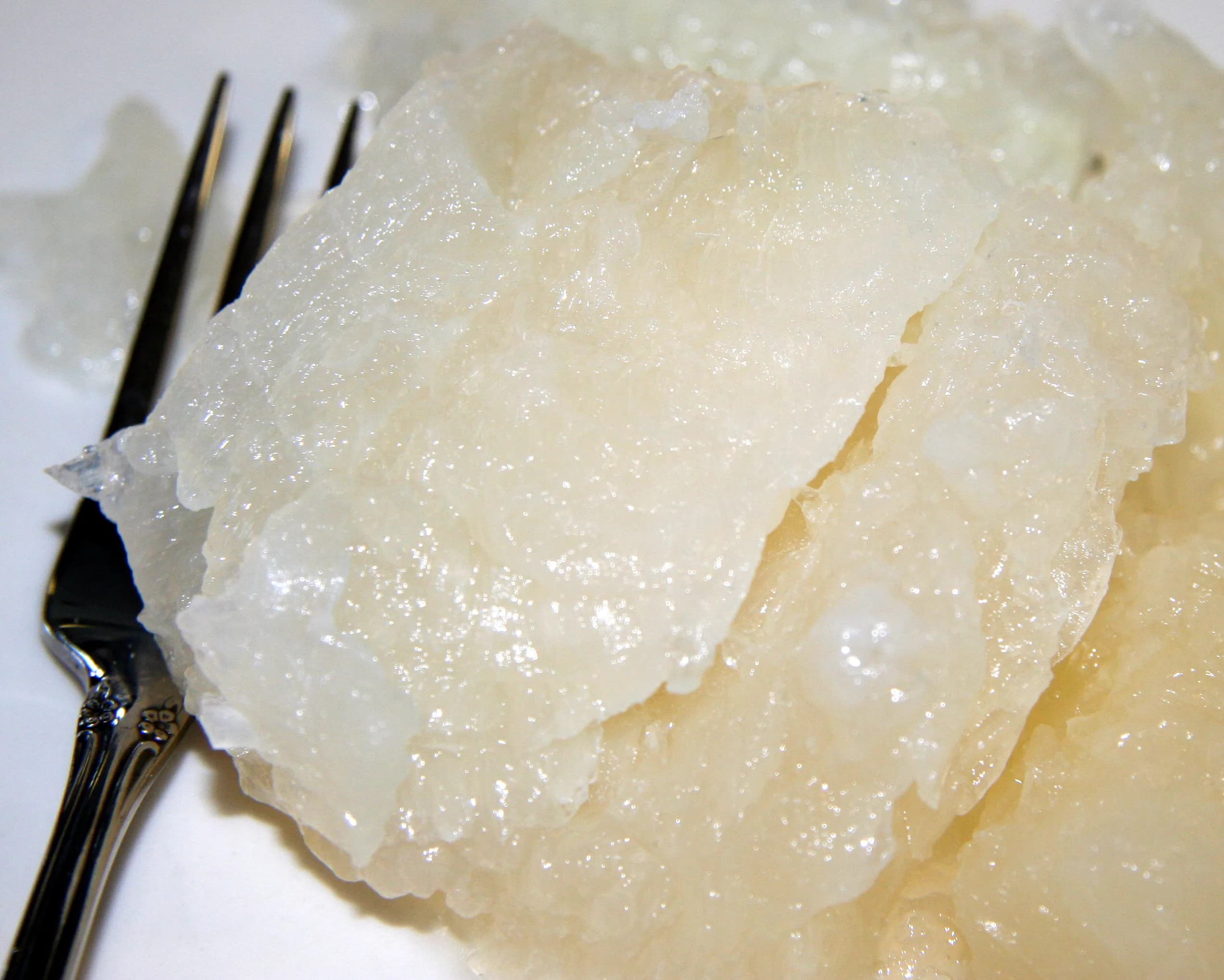
Lutefisk, a staple of Norway's cuisine
Norway's Most Notorious
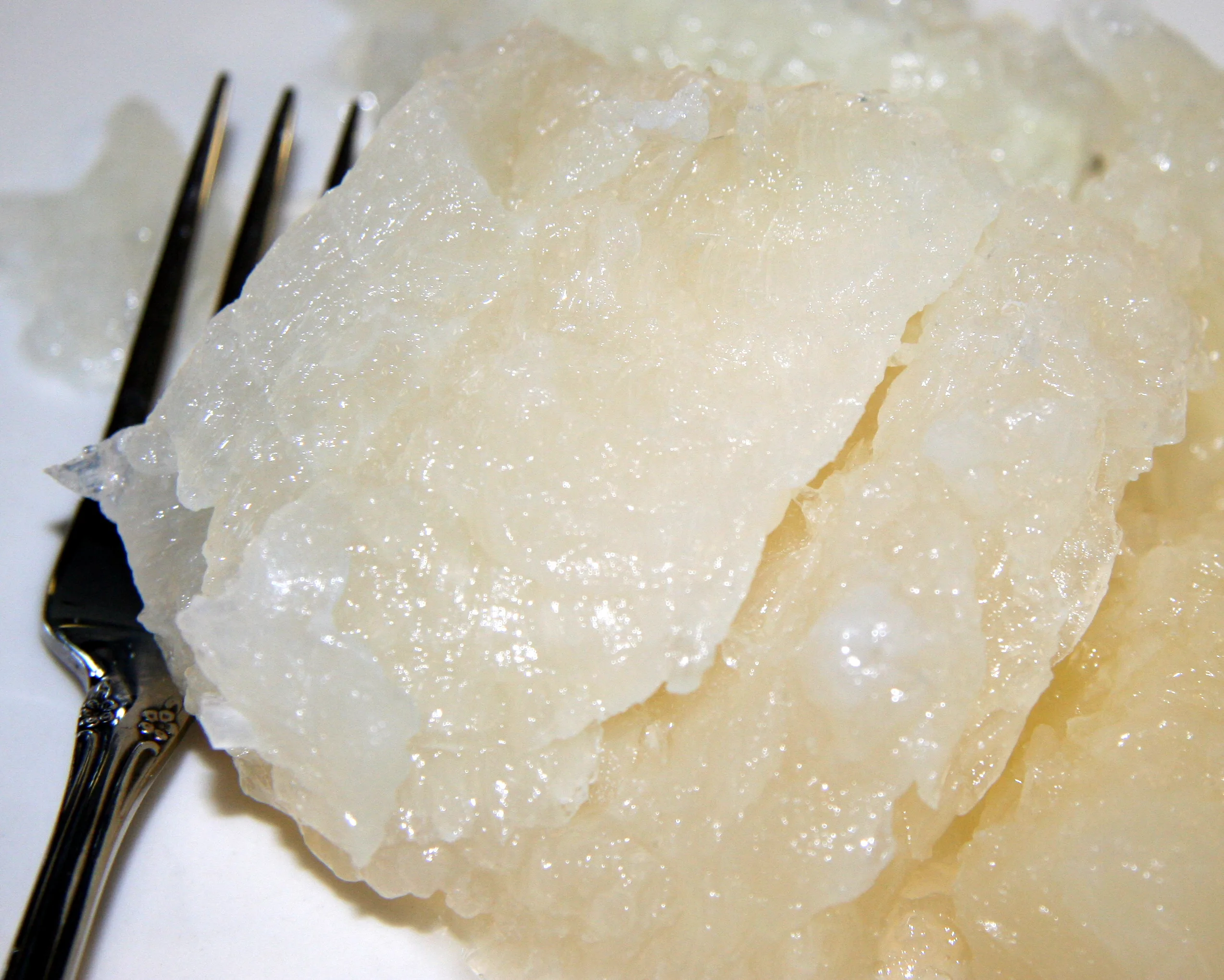
Lutefisk is Norway's most notorious dish: dried stockfish rehydrated in water, then soaked in a lye solution that turns its texture into a quivering, gelatinous white mass. It is baked or boiled and served with bacon, peas, potatoes and lefse flatbread. It is a Christmas tradition that Norwegians defend with pride against widespread scepticism.
The Lye
The lye bath is the crux. Dried stockfish is rock-hard and intensely concentrated, and the alkaline soak rehydrates and transforms it into something soft and edible. The wobbly, gelatinous texture that results is the whole point, the quality lutefisk lovers prize, not a defect. The fish is rinsed carefully before cooking.
A Mild Surprise
For all its fearsome reputation, lutefisk is surprisingly mild. The processing strips away much of the fishiness and leaves something clean and faintly alkaline, milder than the stories suggest. The accompaniments, especially bacon and a mustard or white sauce, are what bring it to life. Approached with curiosity rather than dread, it is far less alarming than expected.
A Stubborn Tradition
Lutefisk is the clearest example of the stubbornness of Norwegian food tradition, a dish many do not immediately love but that Norwegians refuse to give up. It belongs to the Christmas table and to gatherings of family and community. Eaten in that festive context, with its proper trimmings, is the only way it truly makes sense.
What to Expect
Lutefisk arrives translucent and jiggly, served with bacon and the mustard sauce. The texture is genuinely unusual. The flavour is mild, the lye removes much of the fish taste and leaves something clean and slightly alkaline.
Why Try It
Lutefisk is the clearest example of Norwegian food tradition's stubbornness, a dish that most people don't immediately enjoy but that Norwegians refuse to stop making.
✦ Photo Gallery
Insider Tips
Approach with genuine curiosity rather than theatrical disgust. It's milder than the reputation suggests.
The mustard sauce is the key accompaniment that makes lutefisk work.
Eating it at a Norwegian Christmas table is the only authentic context.