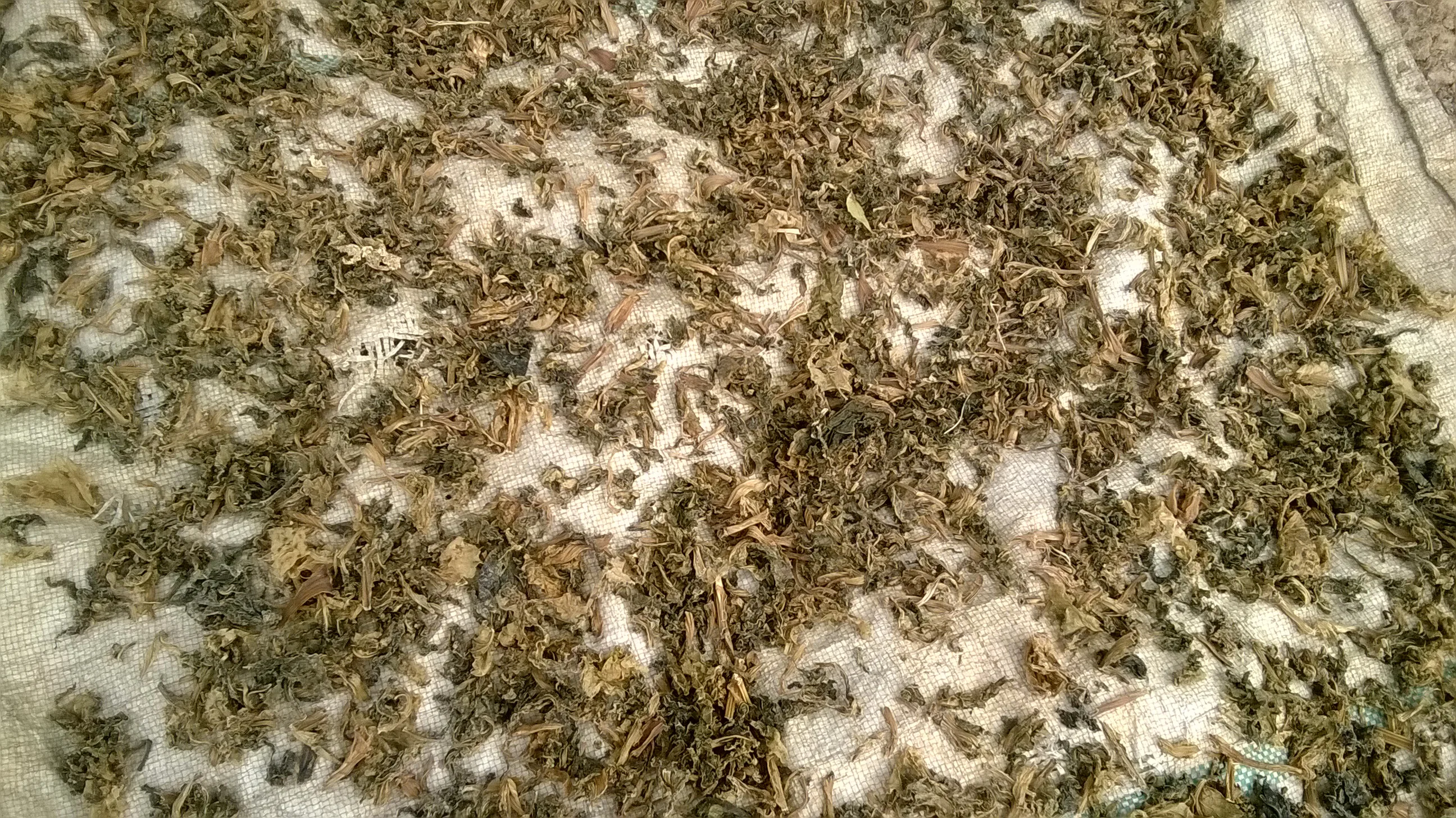
"Gundruk is Nepal's national fermented green: leafy vegetables wilted, packed and soured, then dried to preserve nutrition through long Himalayan winters."
About Gundruk
Gundruk is one of Nepal's most beloved dishes, representing the rich culinary tradition of the region.
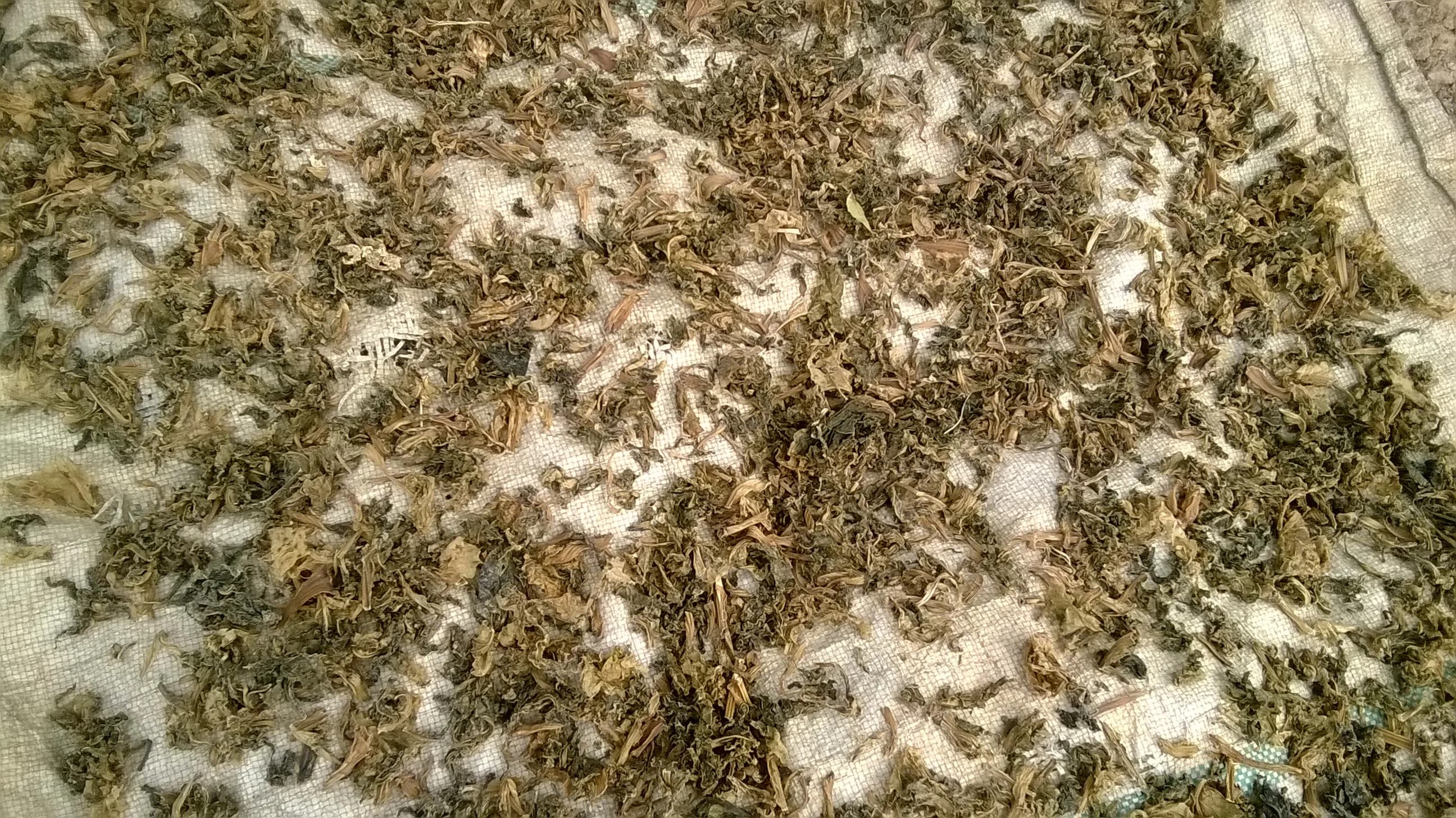
Gundruk, a staple of Nepal's cuisine
Fermented Greens
Gundruk is one of Nepal's most distinctive foods: leafy greens such as mustard, radish or cauliflower leaves wilted, packed tight, left to ferment and then dried. The process turns a perishable autumn glut into a tangy, sour preserve that keeps for months. It is a cornerstone of how the Himalayan diet survives the winter.
A Way to Survive Winter
In a country where fresh greens can be scarce in the cold months, gundruk is a vital store of nutrition and acidity. The fermentation and drying together let households carry the flavour and goodness of summer greens deep into winter. That practical necessity is woven into Nepali home cooking.
Soup and Pickle
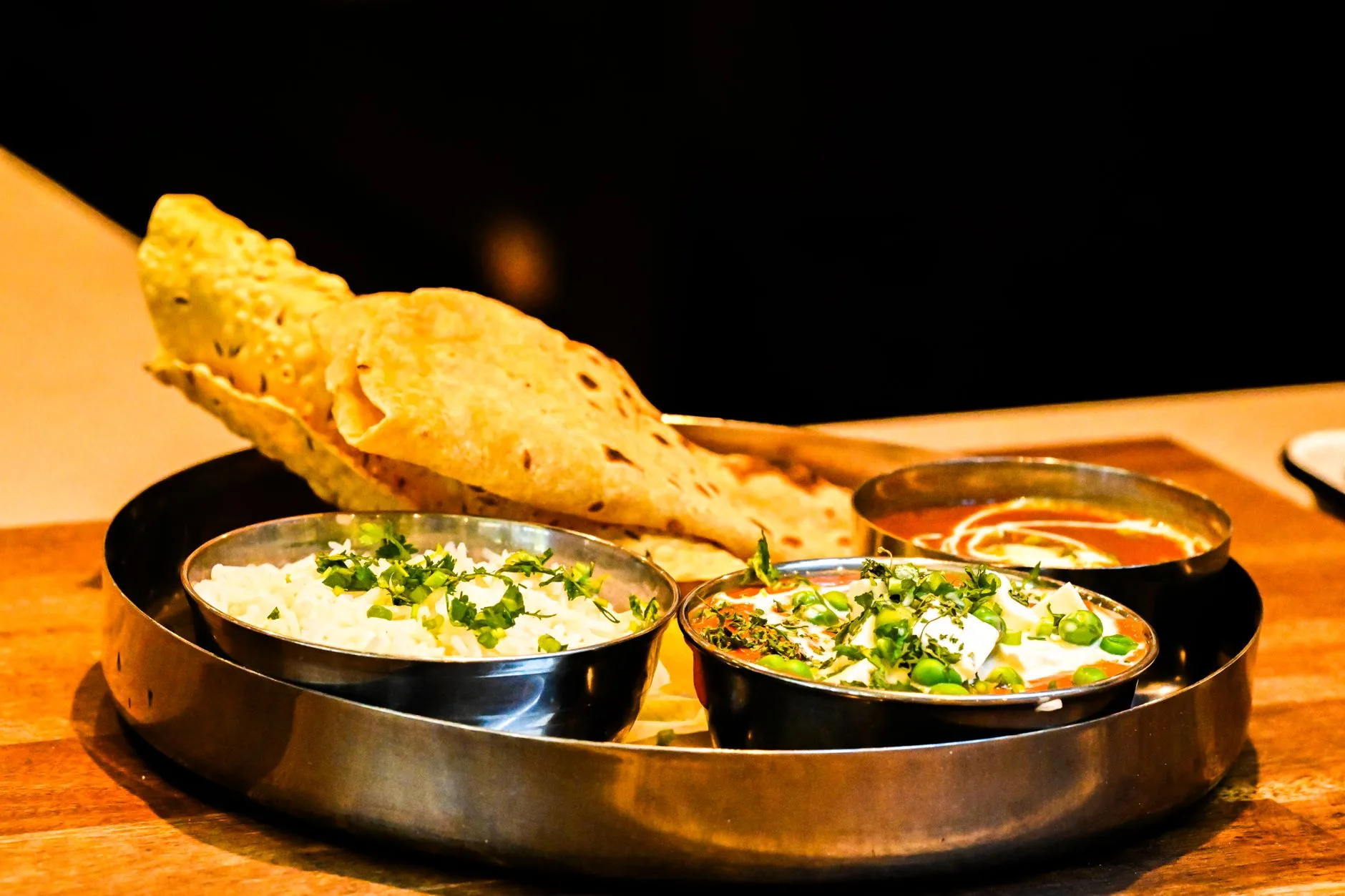
Rehydrated, gundruk becomes a sharp, savoury soup, gundruk ko jhol, or a fierce pickle eaten alongside dal bhat. Its sour, slightly funky depth is an acquired but much-loved taste. A little of it brightens a plate of rice and lentils, cutting their richness with acidity.
A National Vegetable
Gundruk is considered something close to a national vegetable, a preserved green found in village and city kitchens alike. Its assertive, fermented flavour is concentrated, so a small amount goes a long way, and newcomers do well to start modestly. Few foods say more about the resourcefulness of Nepali cooking.
What to Expect
Gundruk turns up as a tangy, sour soup or a sharp pickle alongside dal bhat, its fermented funk cutting through the rice and lentils. It is an everyday taste of how Nepalis preserve and stretch their greens through the seasons.
Why Try It
It is a uniquely Nepali fermented food, close to a national vegetable, and a window into how the Himalayan diet survives the winter.
Insider Tips
Try it as both a soup and a pickle to appreciate its sour, savoury range.
It pairs classically with dal bhat, cutting the richness of the lentils and rice.
Its fermented tang is strong, so a small amount is a sensible start for newcomers.