Fermented in the autumn glut and dried for the lean months, gundruk is the sour, smoky heart of Nepali home cooking, a way of preserving green leaves into the winter.
About Gundruk ko Achar
The ancestral soul of Nepal; sun-dried fermented leafy greens (mustard or radish) rehydrated and tossed with toasted soybeans; garlic; and green chilies; this pungent; sour; and umami-rich condiment is a high-precision survival food that has become a heritage delicacy.
A Way of Saving the Harvest
Gundruk is made by fermenting leafy greens, usually mustard, radish or cauliflower leaves, and then drying them in the sun. The fresh leaves are wilted, packed tightly into a container and left to sour for days before being spread out to dry. The process turns a perishable autumn surplus into a tangy ingredient that keeps for months.
“Gundruk is made by fermenting leafy greens, usually mustard, radish or cauliflower leaves, and then drying them in the sun.”
The Taste of the Hills
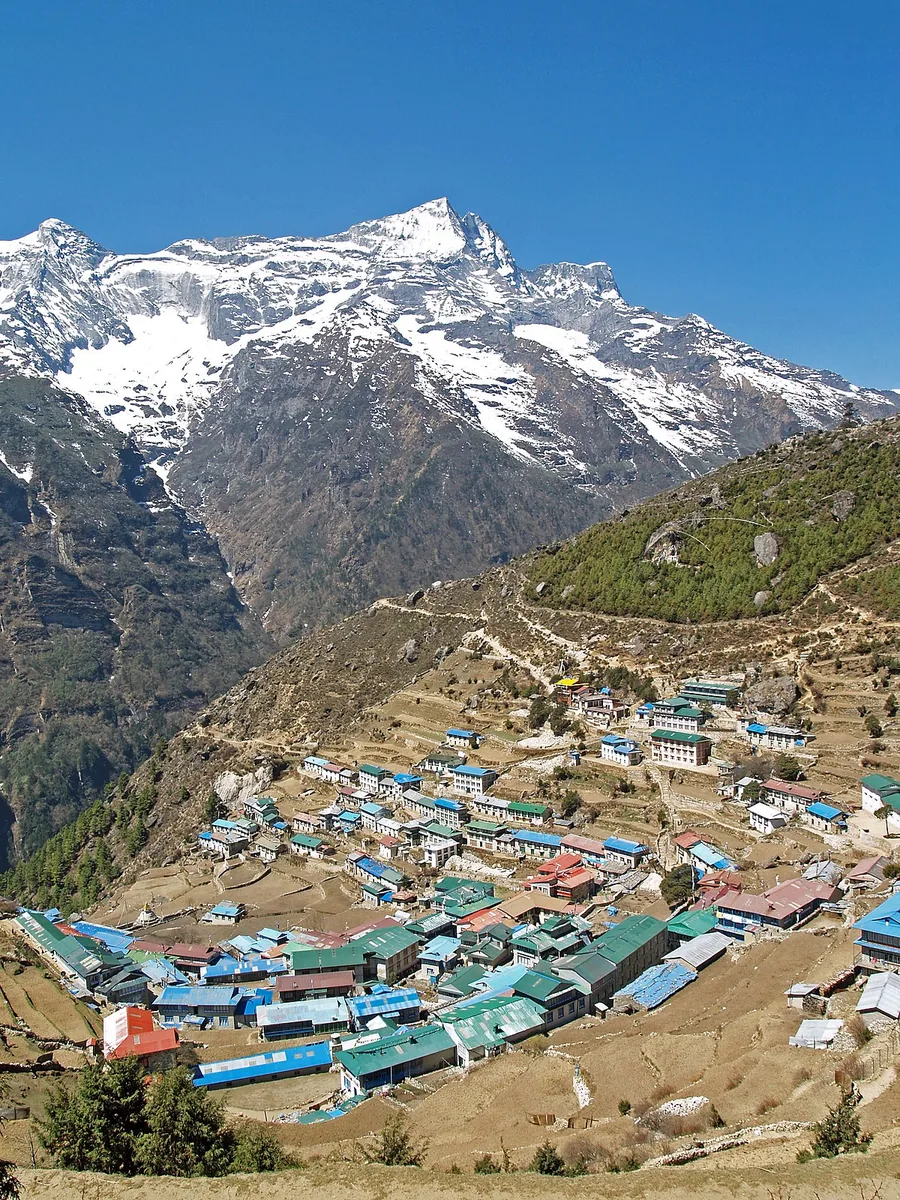
The result is deeply sour, a little funky and faintly smoky, with an intensity that a small handful carries a long way. Gundruk is rehydrated and cooked, where it lends its acidity to whatever it joins. It is most associated with the hill regions, where preserving greens against a hard winter was a necessity rather than a choice.
Pickle and Soup
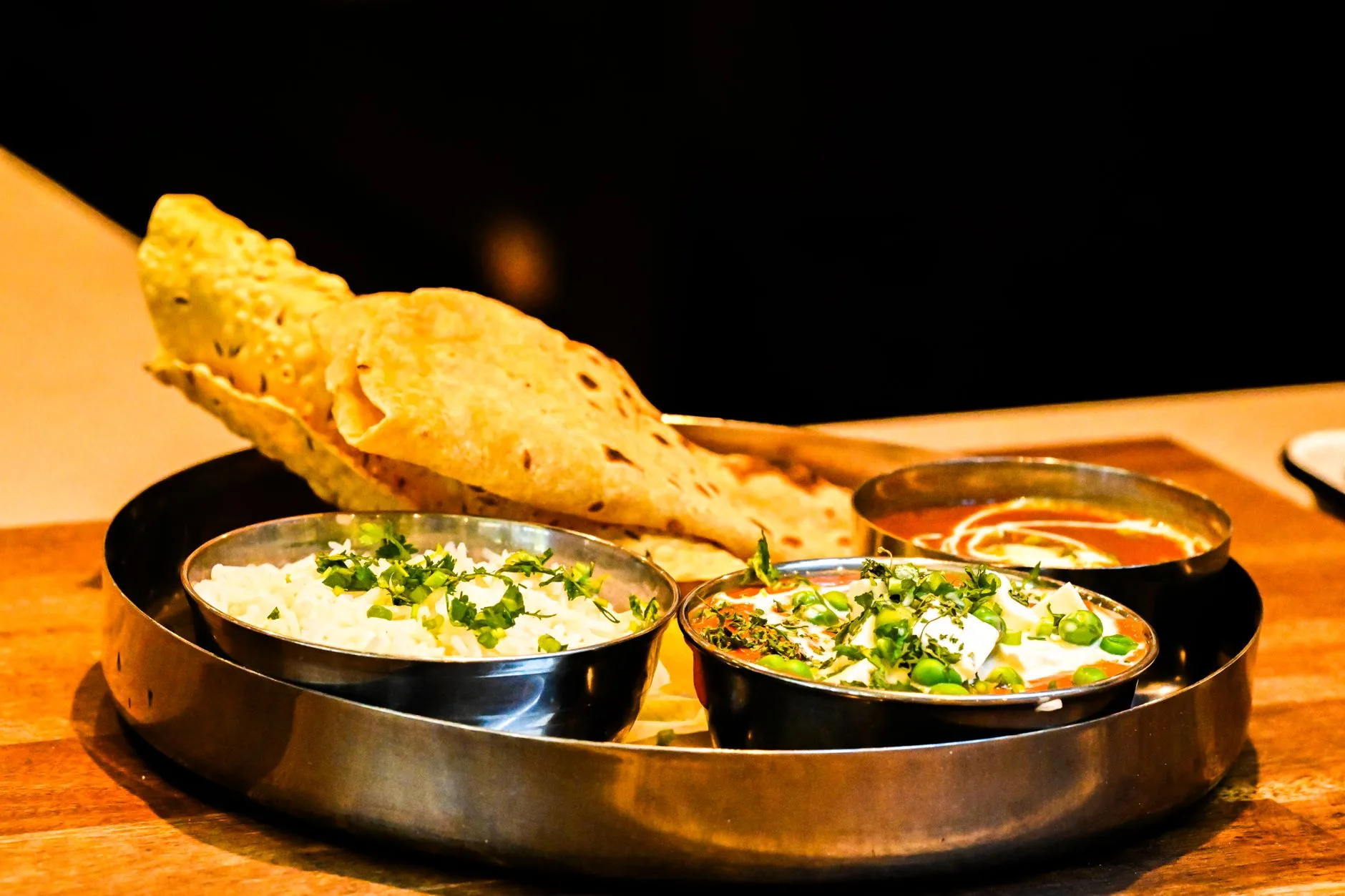
As an achar, rehydrated gundruk is tossed with tomato, chilli, garlic and timur into a sharp, punchy relish that brightens a plate of rice. As gundruk ko jhol, it is simmered with potato, beans and spices into a thin, bracingly sour soup. Either way it works as a foil to plainer staples like dal bhat and dhido.
Everyday Staple
Far from festival food, gundruk is everyday cooking, found in village kitchens and city homes alike. It is prized as much for its role in the diet, a source of acidity and preserved nutrition through the winter, as for its flavour. Many Nepalis abroad name it as the taste they miss most.
What to Expect
Rehydrated gundruk smells sharp and fermented, almost like a pickle brine. In the achar it lands sour and hot at once, cut through with garlic and the citrus edge of timur. Stirred into rice, its acidity wakes up an otherwise plain plate.
Why Try It
Gundruk is the soul of Nepali home cooking, a preserved green that defines how the hills eat through the winter. Few ingredients say more about the country's food than this sour, sun-dried staple.
Insider Tips
- Try it both ways, as a fresh, fiery achar and as the sour gundruk ko jhol soup, to understand its range.
- Pair it with dal bhat or dhido, where its acidity does the most work against starchy staples.
- A little goes a long way, since the fermented flavour is concentrated and assertive.