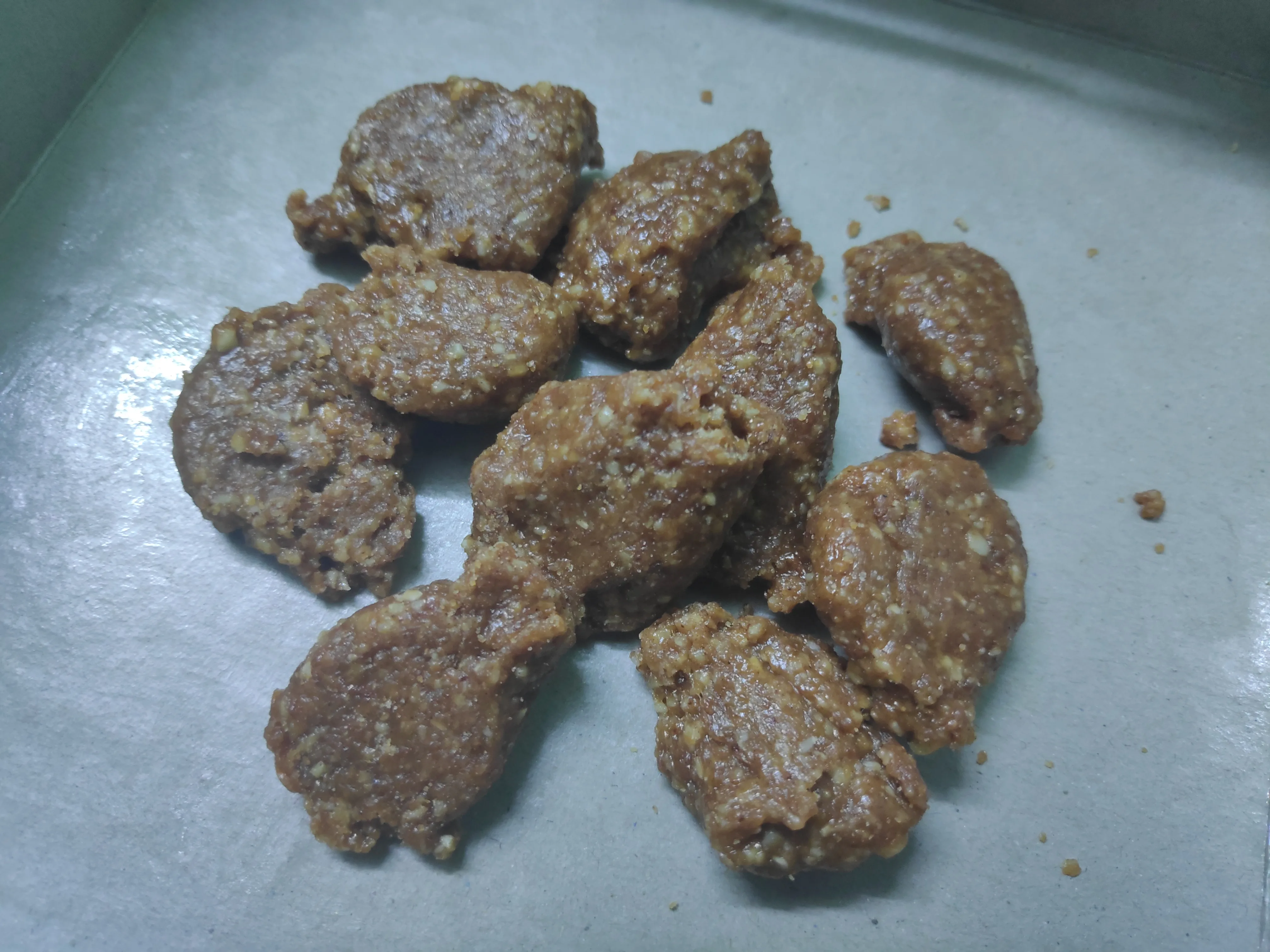
"Cooked down from milk and sugar until it sets hard and chewy, pustakari is the deep-caramel Nepali sweet that keeps for the road."
About Pustakari
An ancestral Nepalese hard candy made by slow-reducing milk; sugar; and nuts into a high-gravity brown fudge; coated with coconut and sesame; these 'shatter-crisp' bites offer a high-intensity toffee flavor that has been a Kathmandu staple for generations.
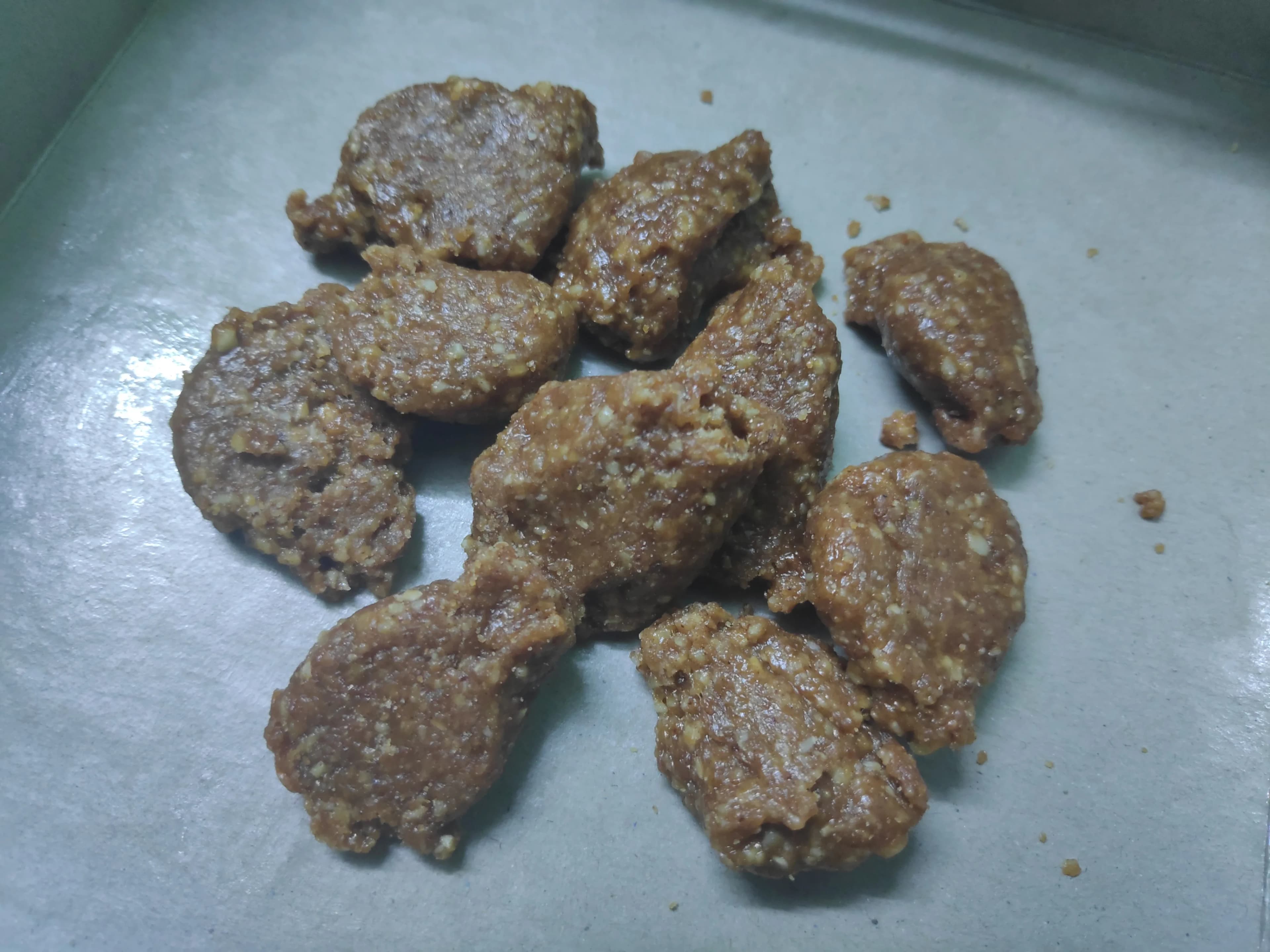
Pustakari, a staple of Nepal's cuisine
A Sweet of Reduced Milk
Pustakari is a traditional Nepali confection made by slowly cooking milk with sugar until it thickens and darkens into a dense, chewy fudge. The long reduction concentrates the milk into a caramel-brown solid that is firm rather than soft. Some versions fold in coconut or nuts for texture.
Slow Cooking Is the Method
The defining technique is patience: the milk must be stirred over heat for a long time so it caramelises without scorching. As it reduces, the sugars brown and the mixture stiffens, finally setting into blocks or discs when cooled. The depth of colour and flavour reflects how far the milk has been cooked.
A Shop and Fair Sweet
Pustakari is sold at traditional sweet shops, dairies and festival fairs across Nepal, often cut into bite-sized pieces. Because it is dense and keeps well, it has long been a practical sweet to carry and to give. It belongs to the family of South Asian milk sweets but holds a distinctly Nepali place.
How It Is Eaten
The fudge is eaten in small pieces as a treat with tea or at the end of a meal. Its firmness means it is chewed slowly, releasing a deep, milky caramel. A little goes a long way, which suits its role as an occasional indulgence rather than an everyday dessert.
What to Expect
The piece is dense and firm, giving way to a slow, satisfying chew. The flavour is deep and milky, the sugar cooked far enough to turn toward caramel. With a cup of tea, its richness settles into a quiet, lingering sweetness.
Why Try It
Pustakari is Nepal's contribution to the world of milk sweets, a slow-cooked fudge that rewards patience at the stove. It is the kind of traditional confection found at every fair and sweet shop.
Insider Tips
Buy it from a traditional sweet shop or dairy, where it is made by slow reduction rather than shortcuts.
Look for versions with coconut or nuts if a little texture is wanted.
Eat it in small pieces with tea, since it is dense and very rich.