A pair of exhausted oxen stopped moving in 1630 and inadvertently decided the spiritual capital of Argentina, refusing to pull their wagon until a tiny terracotta statue was left behind.
About Basilica of Our Lady of Luján
The legend of the 'Miracle of Luján' transformed a quiet riverbank into a site of national identity during the colonial era. By the late 19th century, the original modest chapel could no longer contain the sea of pilgrims, prompting Father Jorge María Salvaire to spearhead the construction of a temple that would rival the great cathedrals of Europe. Construction relied on the devoted labor of the community and imported materials that bridged the Atlantic, surviving political upheavals and economic shifts. In 1930, Pope Pius XI formally designated the church as a minor basilica, cementing its status as the most visited shrine in the Southern Cone and the official protector of the Argentine people.
Overview
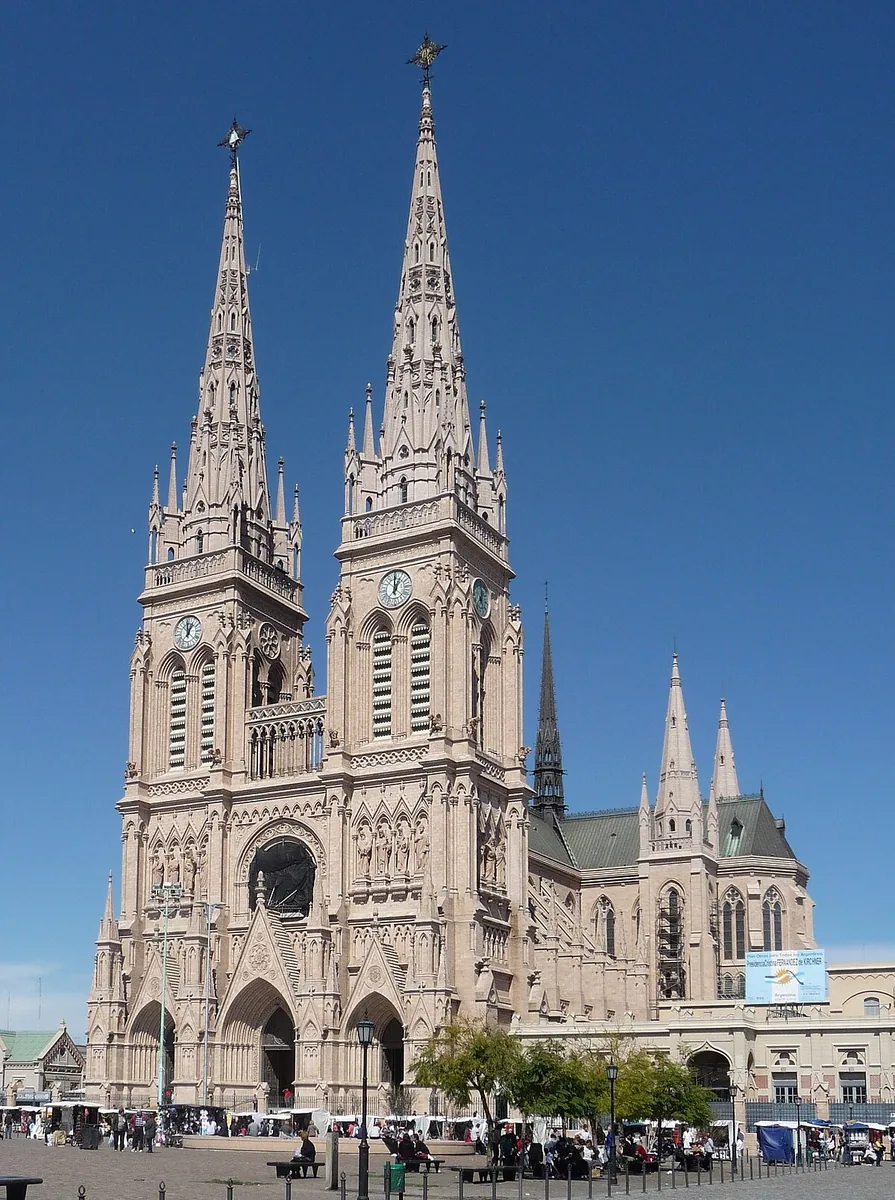
Rising from the flat, infinite horizon of the Argentine pampas, the twin spires of Luján appear like a pale stone mirage against the deep blue sky. This soaring neo-Gothic sanctuary is the spiritual heart of the nation, a place where the sophisticated fervor of Buenos Aires meets the raw, earthy faith of the countryside. It is a monumental contradiction: a French-inspired cathedral built with the ambition of Chartres but planted firmly in a dusty riverside town known for gauchos and horses. Inside, the vast nave stretches toward a ceiling that seems to hum with the collective whispers of millions of pilgrims, while the scent of beeswax and lilies hangs heavy in the cool air. The stone walls, carved with meticulous detail, have witnessed the transformation of Argentina from a fledgling republic into a sprawling modern state, yet the tiny, clay statue at its center remains the immovable anchor of it all.
Everything began, 1630
Everything began in 1630 with a stubborn pair of oxen and a small crate. A Portuguese settler was transporting two terracotta images of the Virgin Mary from Buenos Aires to Santiago del Estero when the caravan came to a halt by the Luján River. The oxen refused to budge until one specific box was removed from the wagon; inside was the small image of the Immaculate Conception. Taking this as a divine command, the locals built a primitive shrine, and a former slave named Manuel became the first guardian of the image, spending his life tending to the growing flock of believers. The current structure, a masterpiece designed by French architect Ulrich Courtois, took nearly fifty years to complete, with work beginning in 1887. It was built specifically to house that same thirty-eight-centimeter statue, which survived the centuries and the weight of the massive stone canopy now soaring above it.
Visiting Basilica of Our Lady of Luján
Crossing the threshold into the basilica, the sudden drop in temperature and the immediate softening of the world outside. The light filters through stained glass in long, sapphire and ruby streaks that dance across the checkered marble floor. Right away, the quiet intensity of the devotees, many of whom have walked for days to reach this spot, their faces etched with a mixture of exhaustion and profound relief. The sound of distant chanting or the rhythmic click of rosary beads provides a constant, low-frequency soundtrack to the space. Walking toward the high altar, the scale of the architecture becomes almost dizzying, yet your eyes are inevitably drawn to the small, blue-mantled figure of the Virgin, perched high in her silver niche. In the crypt below, a different energy prevails, where a collection of diverse Virgin Mary replicas from around the world creates a silent, global congress of faith.
Luján sits roughly seventy kilometers
Luján sits roughly seventy kilometers west of Buenos Aires, a journey that most travelers undertake by bus or the Sarmiento railway line. The transition from the urban sprawl of the capital to the open green spaces of the province happens quickly, with the church spires becoming visible long before the town itself. Many choose to arrive on foot during the massive annual pilgrimage in October, joining a river of hundreds of thousands of people moving slowly along the highway. For a more tranquil visit, a weekday morning allows for a slow stroll through the surrounding plaza, where old-fashioned photographers still use traditional bellows cameras to capture families in front of the grand stone facade.
The Experience
Right away, the peculiar silence of a space that is rarely empty, a quietude born of reverence rather than solitude. Surrounding you, the carries the faint, metallic tang of old coins being dropped into heavy iron offering boxes and the sweet, lingering smoke of thousands of votive candles flickering in the side chapels. The history of the place in the worn edges of the wooden pews and the smooth polish of the stone columns where countless hands have rested. Most people overlook the intricate ironwork of the side gates, which depict local flora and fauna intertwined with celestial symbols. Inside the center of the nave at noon, when the sun is highest, the entire interior glows with a soft, ethereal lavender light that makes the heavy stone feel momentarily weightless.
Why It Matters
Our Lady of Luján is more than a religious icon; she is a cultural cornerstone that unified the diverse immigrant and indigenous populations of early Argentina. The basilica works as a triumph of neo-Gothic architecture in the Americas, representing the era when Argentina was among the wealthiest nations on earth. It remains the destination for the largest annual gathering of people in the country, serving as a powerful barometer of the national mood and spirit.
Why Visit
Ignore the skeptics who say it is just another cathedral; Luján is a visceral encounter with the Argentine heart. You come here to witness a level of devotion that is raw and unfiltered, set within a limestone masterpiece that seems to have been dropped into the middle of a cowboy town. It is the only place where you can feel the true, thrumming pulse of the pampas.
✦ Photo Gallery
Best Season
🌤 Visit during the late spring months of October or November to catch the vibrant atmosphere of the pilgrimage season, when the weather is mild enough for the long walks and the light is exceptionally clear.
Quick Facts
Best time to visit
Visit during the late spring months of October or November to catch the vibrant atmosphere of the pilgrimage season, when the weather is mild enough for the long walks and the light is exceptionally clear.
Getting there
In Luján, Argentina; reach Luján first, then continue to the site.
What's nearby
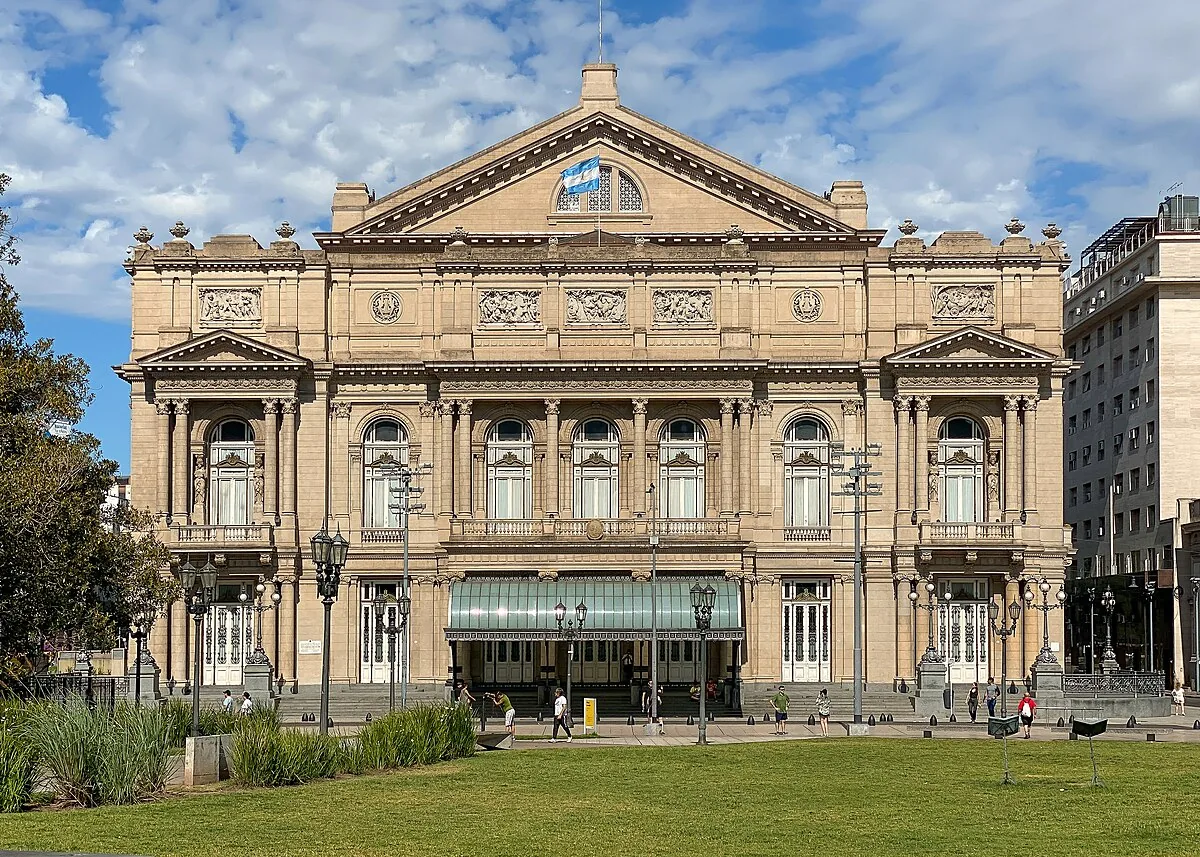
MALBA, Recoleta Cemetery and Teatro Colón are also in the area.
Location
Luján, Argentina
Type
attraction
Coordinates
-34.5644°, -59.1211°
Insider Tips
- 1
Head to the basement crypt to see the 'Gallery of the Americas,' which displays various cultural interpretations of the Virgin Mary from every country in the hemisphere.
- 2
Look for the local 'santeros' near the entrance who sell traditional honey cakes and small religious medals that have been a town staple for generations.
- 3
Avoid the first weekend of October unless you want to be caught in a crowd of over a million walking pilgrims.
- 4
Climb the bell tower if available for a view that reveals just how abruptly the town of Luján ends and the vast, flat agricultural plains begin.
- 5
Visit the nearby Enrique Udaondo Museum after the basilica to see the actual wagon that supposedly carried the Virgin in 1630.