The world’s most terrifyingly perfect acoustics once made Luciano Pavarotti fear that his every mid-aria breath would be judged by the back row like a thunderclap.
About Teatro Colón
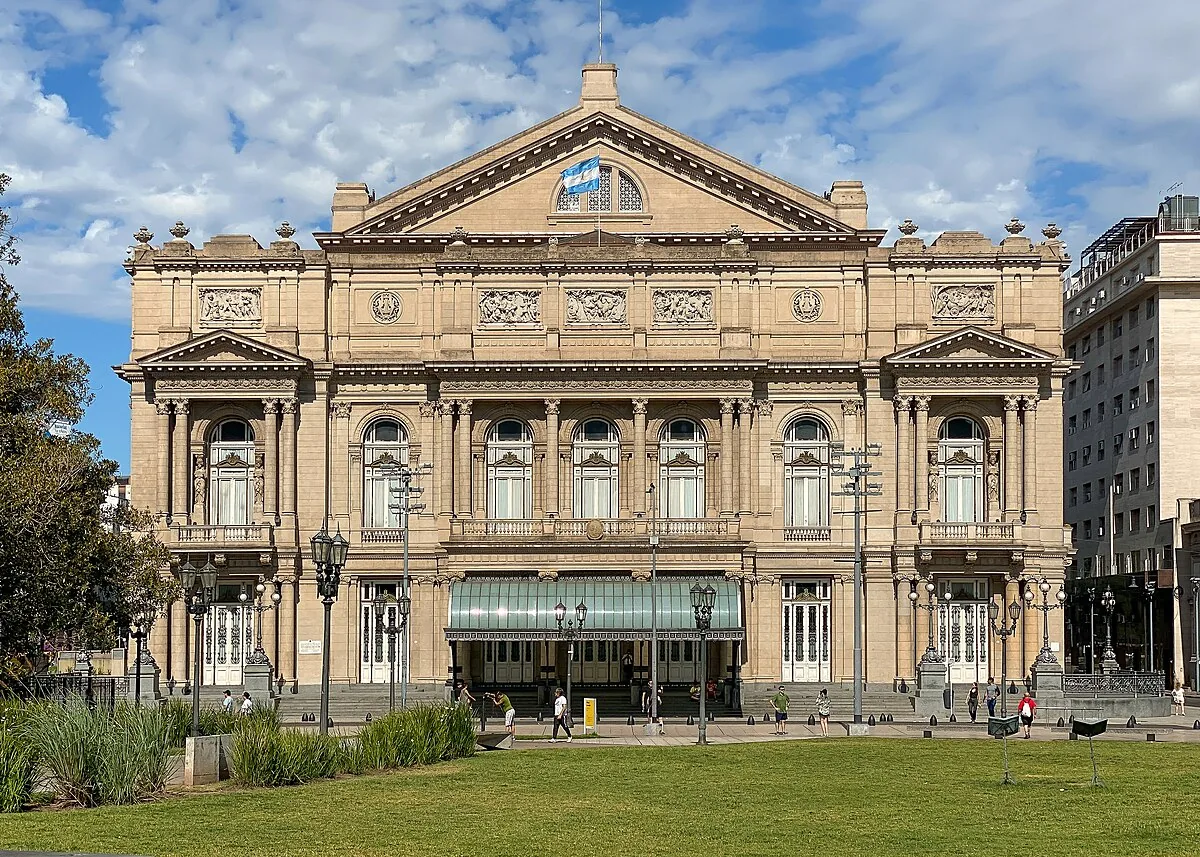
Tragedy and obsession paved the road to the 1908 opening of this operatic titan. The original architect died a year into the job, and his replacement was shot dead in a crime of passion before the roof was even finished. It took twenty years and a third architect to weave together the disparate Italian and French influences that define the facade. The building was designed to broadcast the immense wealth of the Argentine cattle boom to the world. When the curtain finally rose on Verdi’s Aida, the city signaled its arrival as a global cultural capital, a status it has defended through decades of economic volatility.
Luciano Pavarotti once claimed that this theater had
Luciano Pavarotti once claimed that this theater had one major flaw: its acoustics were so perfect that the audience could hear every tiny mistake a singer made. This horseshoe-shaped temple of lyric art stands deep in Buenos Aires, a city that often fancies itself the Paris of the South. While many European opera houses feel like museums for the wealthy, the Colón remains a raucous, living lung of Argentine culture. Its seven tiers rise in a dizzying spiral of gold leaf, scarlet velvet, and French stained glass, creating a space where the physics of sound and the aesthetics of the Belle Époque collide. To sit in the stalls is to be wrapped in a sonic blanket where a whisper on stage carries to the very back row with the clarity of a bell.
Construction began, 1889
Construction began in 1889, fueled by the staggering wealth of an Argentina that was then one of the richest nations on earth. The project was haunted from the start, outliving its first two architects before finally opening in 1908. Francesco Tamburini died shortly after the foundation was laid, and his successor, Vittorio Meano, was murdered in a local scandal. It fell to Jules Dormal to finish the work, blending Italian Renaissance bones with French decorative flourishes. Every material was a statement of intent: Carrara marble from Italy, Verona stone for the stairs, and intricate mosaics from Venice. After a massive restoration that concluded in 2010, the theater reclaimed its status as a global benchmark for acoustic engineering, preserved exactly as it was during the golden age of Caruso and Callas.
Walking into the Main Foyer , the scent of beeswax and old wood hangs heavy in the air, a precursor to the grandeur of the Hall of Busts. The gravity of history in the sweep of the grand staircase, where the light filters through Tiffany glass in soft, amber hues. Once inside the auditorium, the atmosphere shifts to an expectant, electric hush. The chandelier, a seven-hundred-bulb monstrosity, hangs like a crown above the velvet seats. What you catch first is the 'Paraíso' or Paradise section at the very top, where students and aficionados stand for hours to catch the cheapest, yet acoustically superior, views. The moment the orchestra begins to tune, the room seems to shrink, becoming an intimate chamber despite its capacity for nearly three thousand souls. The theater dominates a city block bordered by the wide Avenida 9 de Julio and the pedestrian-friendly Libertad Street. Most people arrive via the Tribunales subway station, emerging into the legal district's chaotic energy before retreating into the Colón's cool, silent interior. Guided tours run daily, venturing into the labyrinthine basement where seamstresses, carpenters, and wig-makers craft every element of the season's productions by hand. For the authentic experience, however, securing a ticket for a performance is essential. Standing-room tickets go on sale in the morning for mere pesos, ensuring that the spirit of the theater remains tied to the people of Buenos Aires rather than just those in the private boxes.
The Experience
Shifting from the car-horn chaos of Avenida 9 de Julio to the hushed, marble-clad foyer feels like stepping into a different century. The way the light catches the dust motes dancing in the Hall of Busts before the house lights dim to a soft, warm glow. The velvet seats are surprisingly plush, yet they absorb just enough sound to let the singers’ voices shimmer. A specific thrill in watching the 'bucket' seats in the gallery fill with local music students who know every note by heart. The moment the music stops, there is a microsecond of absolute, vacuum-sealed silence before the roar of the Porteño crowd erupts.
Why It Matters
More than just a concert hall, the Colón is a temple of artisanal survival. It is one of the few theaters in the world that maintains its own internal workshops, where everything from the giant stage sets to the smallest prosthetic nose is manufactured on-site. This self-contained ecosystem preserves 19th-century craft techniques that have been modernized or outsourced almost everywhere else, making it a living archive of human skill.
Why Visit
La Scala has the history and the Met has the technology, but only the Colón offers the experience of hearing a human voice in its most honest, unamplified form. It is a masterclass in how architecture can serve art. Even if you don't like opera, the sheer tactile luxury of the mosaics and the stained-glass ceilings will convince you that beauty for beauty's sake is a necessary endeavor.
✦ Photo Gallery
Best Season
🌤 Plan your visit between March and December to catch the official season, particularly in May when the autumn air makes the walk to the theater crisp and pleasant.
Quick Facts
Best time to visit
Plan your visit between March and December to catch the official season, particularly in May when the autumn air makes the walk to the theater crisp and pleasant.
Getting there
In Buenos Aires, Argentina; reach Buenos Aires first, then continue to the site.
What's nearby
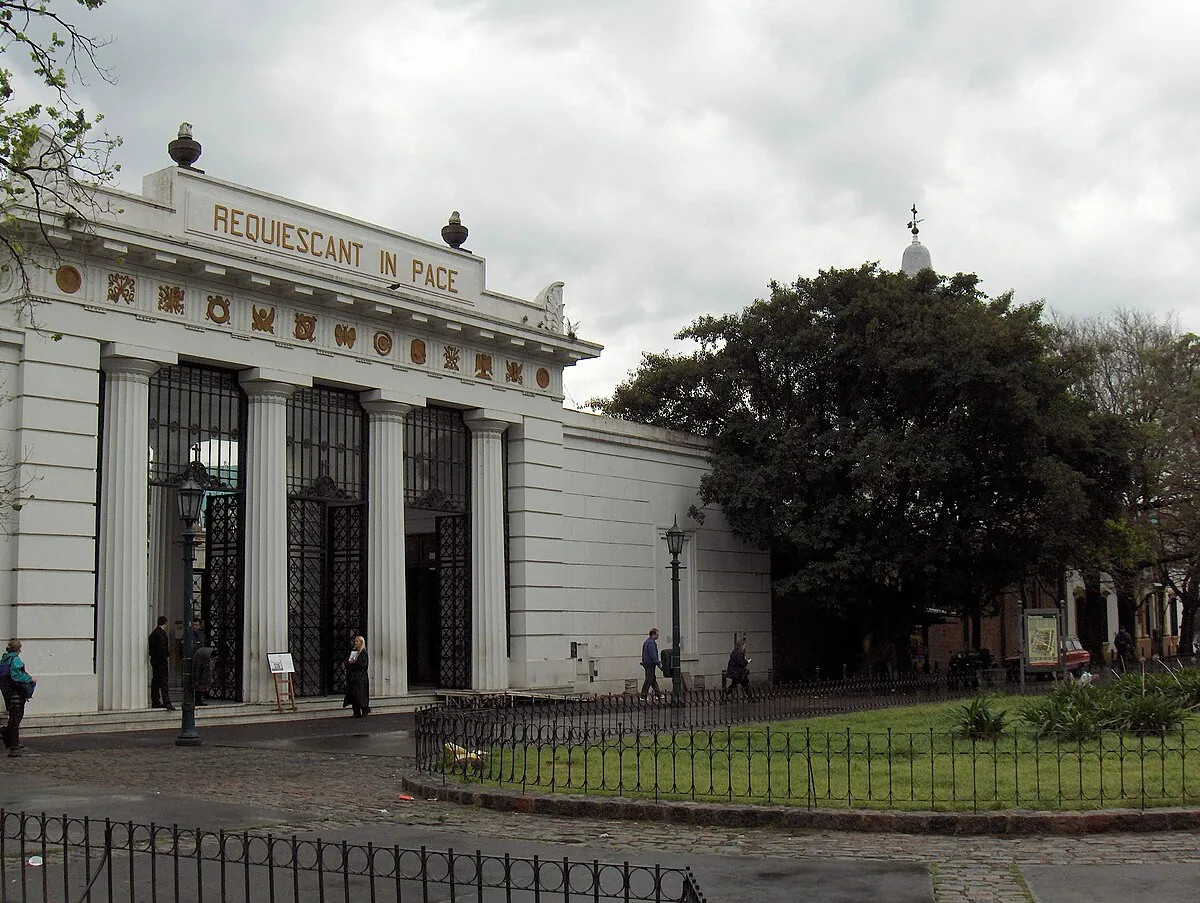
Recoleta Cemetery, MALBA and La Boca are also in the area.
Location
Buenos Aires, Argentina
Type
attraction
Coordinates
-34.6011°, -58.3831°
Insider Tips
- 1
Head to the 'Pasaje de Carruajes' entrance on Tucumán Street to find the secret upscale cafe where musicians often gather after rehearsals.
- 2
Ask for a tour specifically focusing on the 'Underground Factories' to see the cobblers and scenic painters working in the labyrinth beneath the stage.
- 3
Buy 'Paraíso' standing tickets if you want the best possible sound; the height and curvature of the ceiling concentrate the music perfectly at the very top.
- 4
Look for the hidden 'widows' boxes' behind the stage, which are screened with dark grilles so mourners could attend the opera while remaining invisible.
- 5
Check the schedule for free Sunday morning concerts, which offer a chance to see the main hall without the steep price of an evening gala.