Jaguar prints are appearing in the mud for the first time in seventy years, marking the triumphant return of a ghost to these vast, shimmering Guaraní marshlands.
About Iberá Wetlands
The geological history of Iberá is a tale of a river that changed its mind; thousands of years ago, the Paraná River shifted its course, leaving behind a massive depression that filled with rainwater and subterranean flows. This stagnant, life-rich basin became the stronghold of the Guaraní people, whose culture and language still permeate the region's daily life. During the 20th century, the area suffered from aggressive poaching and the encroachment of industrial cattle farming, which threatened to silence the marsh forever. The rescue mission began in earnest with the Conservation Land Trust, which meticulously pieced together a collection of habitats. The official designation of the National Park in 2018 finalized a decades-long effort to bridge the gap between private conservation and public heritage, creating a sanctuary that now covers over 1.3 million hectares of protected water and land.
What Iberá Wetlands actually is
Water moves here with a rhythmic, pulsing secrecy, hidden beneath floating islands of vegetation that drift like nomadic gardens across the horizon. The Iberá Wetlands, a sprawling labyrinth of lagoons, marshes, and bogs in Corrientes Province, form the second-largest freshwater system on the planet. Its name comes from the Guaraní 'Y Berá', meaning shining water, a title that becomes literal at sunset when the channels turn into liquid bronze. The space stays heavy and sweet, smelling of flowering water hyacinths and the damp, earthy musk of the subtropical marshland. Unlike the dense canopy of the Amazon, the beauty here is horizontal and exposed, allowing for a clarity of light that makes the vibrant plumage of kingfishers and the golden eyes of caimans appear startlingly vivid against the tall, swaying grasses.
“Water moves here with a rhythmic, pulsing secrecy, hidden beneath floating islands of vegetation that drift like nomadic gardens across the horizon.”
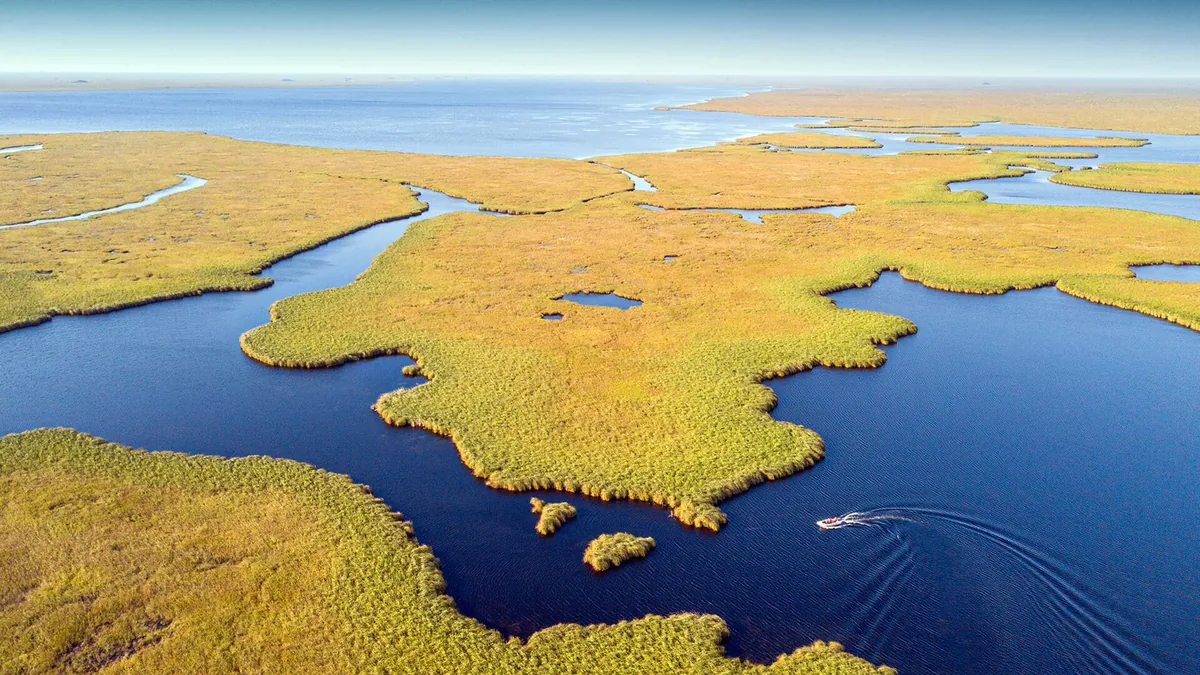
Iberá Wetlands, Argentina
Centuries of transformation have turned this former basin of the Paraná River into a masterclass in ecological resurrection. For a long time, these wetlands were a neglected frontier, exploited by hunters who decimated the populations of jaguars, giant otters, and macaws for their skins and feathers. The turning point arrived through a radical vision of 'rewilding' led by Douglas and Kristine Tompkins, who began purchasing vast tracts of degraded cattle ranches in the late 1990s. They worked tirelessly to remove fences and reintroduce locally extinct species, eventually donating the land back to the Argentine state. This act of monumental philanthropy led to the creation of the Iberá National Park in 2018, marking a transition from a landscape of extraction to one of active restoration. Today, the former hunters have become the park's most fierce protectors, using their deep knowledge of the marsh to guide visitors instead of tracking prey.
Gliding through a narrow channel in a silent , flat-bottomed boat, The water is so clear that the submerged roots of the 'embalsados' look like tangled nests of amber. The sound layer is a chaotic, beautiful combination of high-pitched bird whistles and the deep, territorial grunts of black howler monkeys echoing from the distant monte islands. The sun’s warmth on your shoulders while the spray from the boat provides a cool, occasional mist against your face. Caimans bask on the muddy banks with prehistoric indifference, their armored backs reflecting the midday glare. The social hierarchy of the marsh as a family of capybaras, the world's largest rodents, grazes peacefully just inches away from an iridescent marsh deer. The moment that stays with you is the transition to night, when the frogs begin a chorus so loud it vibrates through the floor of your lodge, and the sky reveals a density of stars rarely seen in the southern hemisphere.
Reaching this watery wilderness requires
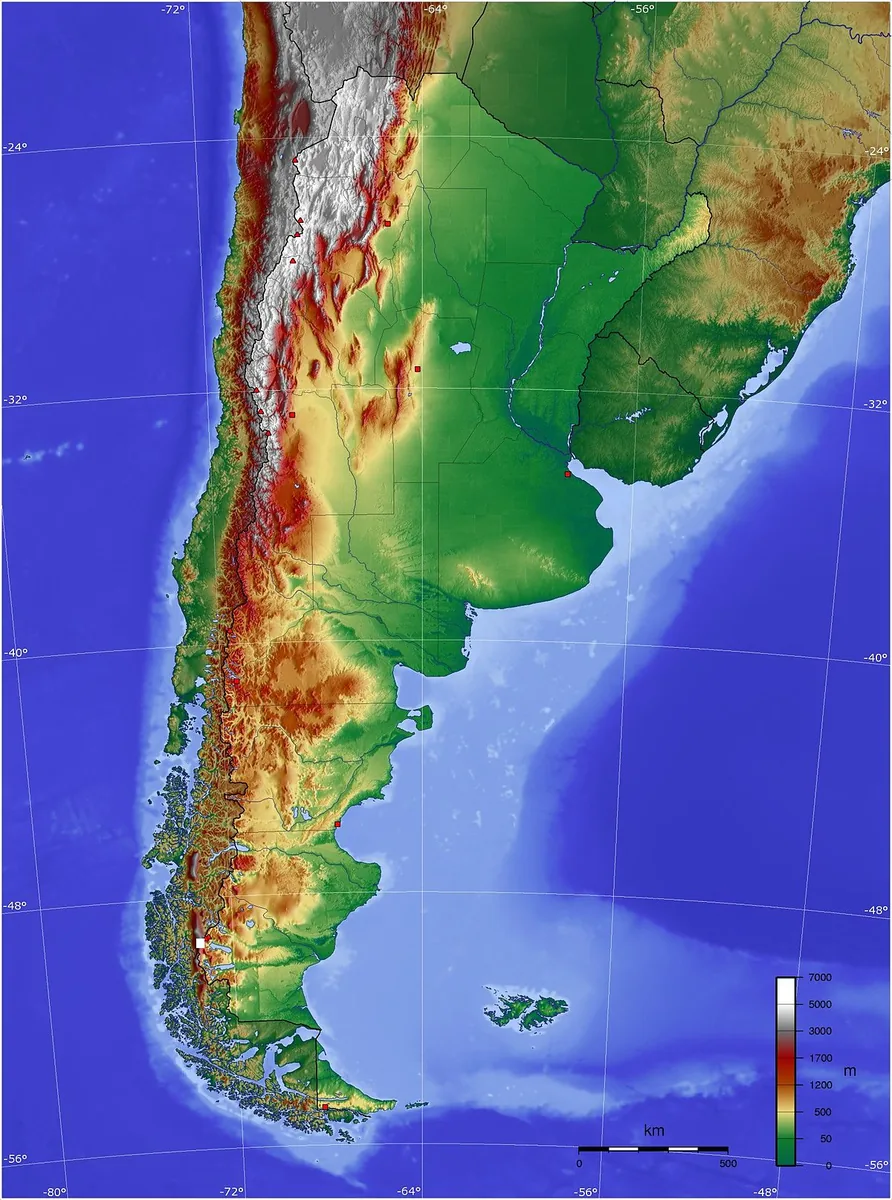
Reaching this watery wilderness requires a journey to the northeast of Argentina, typically starting from the city of Mercedes or Posadas. The most popular gateway is the village of Colonia Carlos Pellegrini, which is reached via a long, unpaved road that cuts through the heart of the marshland. This gravel track is a bumpy introduction to the region, where rheas and foxes frequently dart across the path. In the rainy season, the mud can become a formidable opponent, making a sturdy four-wheel-drive vehicle a necessity rather than a luxury. For those seeking the deeper reaches of the park, fly-in lodges offer access to the more remote western portals like Concepción or San Alonso, where the feeling of isolation is absolute and the only neighbors are the newly reintroduced jaguars.
“Reaching this watery wilderness requires a journey to the northeast of Argentina, typically starting from the city of Mercedes or Posadas.”
The Experience
Walking in, the way the 'embalsados', islands of floating peat, actually give way under pressure, a floating world that supports entire trees and colonies of animals. The smell of the marsh is never stagnant; it is a fresh, oxygenated scent of photosynthesis and moving water. The pulse of the wild as you spot a giant anteater lumbering through the high grass, its strange, prehistoric silhouette looking like a moving shadow. The thing most visitors overlook is the incredible variety of dragonflies, their neon-blue wings zipping through the reeds like living jewels. You come across a deep, meditative quality to the afternoon here, where the slow pace of the boat and the infinite horizon force you to sync your own rhythm with the rising and falling tides of the wetlands.
Why It Matters
Iberá stands as the world's most successful rewilding project, proving that a damaged ecosystem can be rebuilt from the ground up. It is a vital carbon sink and a critical freshwater reservoir for the continent. Humanly, it represents a shift in Argentine identity, where the gaucho tradition has evolved into a culture of sophisticated environmental stewardship.
Why Visit
Pantanal has the fame, but Iberá has the intimacy and the story of redemption. You come here for the 'safari' experience where the animals haven't learned to be afraid of humans, allowing for encounters that feel startlingly personal. It is the only place in the world where you can watch a jaguar roam a land that was once lost to him.
Insider Tips
- 1
Look for the 'curiyú' or yellow anaconda in the sunnier patches of the lagoons; they are non-venomous and frequently seen draped over low-hanging branches.
- 2
Pack a high-quality dry bag for your electronics, as the flat-bottomed boats sit very low in the water and a sudden wake can easily splash the interior.
- 3
Bring binoculars even if you aren't a birdwatcher; the sheer density of the 350 species here makes every bush look like a decorated Christmas tree.
- 4
Book a night boat safari to see the 'red eyes' of the caimans reflecting your torchlight like thousands of rubies scattered across the water.