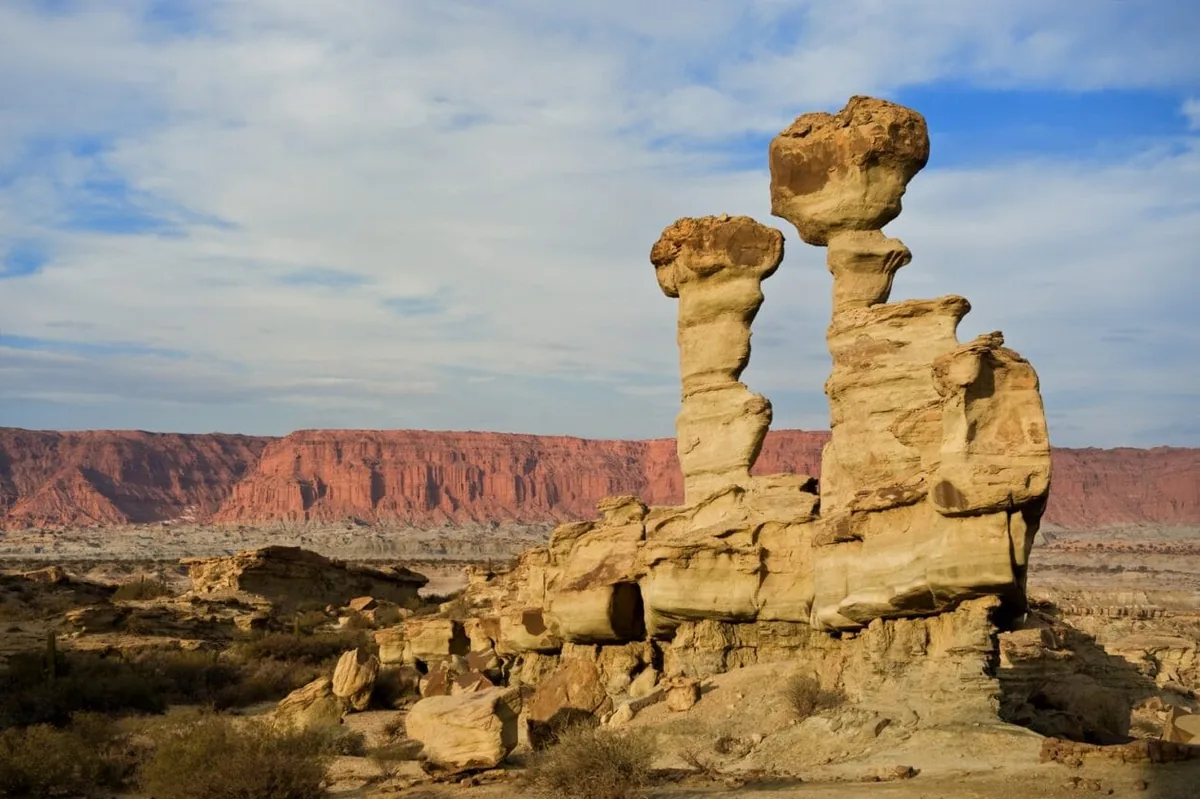
The first dinosaurs took their inaugural steps on this gray Argentine clay 230 million years ago, leaving behind a graveyard of stone that looks remarkably like the surface of the moon.
About Ischigualasto Provincial Park
Long before the Andes existed, a tectonic shift during the Triassic period created a massive rift valley that trapped a perfect record of early evolution. For millions of years, these fossils remained undisturbed until 19th-century geologists began to suspect the wealth hidden beneath the San Juan desert. The park’s modern history began in earnest in the 1940s and 50s with the arrival of Dr. Osvaldo Reig, whose excavations unearthed creatures that bridged the gap between reptiles and the first true dinosaurs. This scientific frontier became Ischigualasto Provincial Park in 1971, a move that protected the delicate 'clay-shale' formations from looters and the harsh elements. Today, the site remains an active laboratory where the wind uncovers new specimens faster than teams can excavate them.
Bare gray rock stretches toward the horizon
Bare gray rock stretches toward the horizon in a pattern of perfect, naturally polished spheres that look less like geology and more like an abandoned game of giants. Locally referred to as Valle de la Luna, or Valley of the Moon, Ischigualasto Provincial Park preserves a landscape so alien that it is a terrestrial stand-in for the lunar surface. The wind here carries the fine, abrasive silt of Triassic clay, carving the sandstone into precarious totems like The Submarine or The Sphinx. This high-altitude desert in San Juan Province offers a rare glimpse into a world before the continents drifted apart, where the very ground beneath your boots holds the calcified remains of the planet's first dinosaurs. The silence is profound, interrupted only by the whistle of the dry Zonda wind weaving through ashy ravines.
Roughly 230 million years ago, this
Roughly 230 million years ago, this parched basin was a lush floodplain teeming with prehistoric life and thick ferns. When the Andes began their slow, violent ascent, they tilted the earth’s crust and exposed a continuous sequence of rock layers that had been buried for eons. Paleontologists flocked to this remote corner of Argentina in the mid-20th century, specifically after the 1950s when breakthroughs in fossil dating revealed the park as a unique chronological record. In 1959, the discovery of the Eoraptor lunensis, one of the earliest known dinosaurs, transformed Ischigualasto from a local curiosity into a global scientific treasure. UNESCO recognized the site in 2000, not for its aesthetics, but because it is one of the only places on Earth where the entire Triassic period is laid bare in a single, unbroken line of sediment.
Traveling through the park feels like navigating
Traveling through the park feels like navigating a sprawling, open-air cathedral of ash and ochre. Immediately, the temperature fluctuates wildly, the midday sun baking the gray clay into a brittle crust that crunches softly walking. The Bowling Ball Pit is the moment that stays with you, where hundreds of spherical stones lie tucked in a depression, each one smoothed by millions of years of water and wind erosion. The light at sunset is transformative; the pale, ghostly whites of the canyon walls ignite into a fiery violet and deep crimson, making the shadows of the rock formations stretch like long, dark fingers across the desert floor. The immense weight of deep time standing before the 'Cancha de Bochas,' realizing that the landscape is still actively shedding its skin to reveal more secrets from the dawn of time.
Most explorers base themselves
Most explorers base themselves in the sleepy town of San Agustín del Valle Fértil, roughly eighty kilometers from the park entrance. Reaching this remote outpost requires a long drive from the city of San Juan or La Rioja, crossing vast stretches of arid scrubland where the silhouettes of carob trees provide the only shade. The park operates on a caravan system, where visitors follow a ranger's vehicle in their own cars along a forty-kilometer circuit. This controlled movement ensures the fragile clay formations remain intact while providing essential context for the fossil beds. For a singular experience, timing your visit with the full moon allows for a night tour, where the silver light turns the white sediment into a glowing, ethereal sea of tranquility.
The Experience
The initial impression is a metallic, mineral scent in the air, a byproduct of the copper and iron oxides bleeding from the variegated cliffs. The wind here is a sculptor, and you feel its abrasive touch on your skin as it carries the dust that has been eroding these towers for millennia. Visitors often cluster at the famous formations, but the real magic is found in the peripheral silence where the heat ripples off the white ground. Beginning with the texture of the soil changes from a fine, talcum-like powder to a hard, sun-cracked pavement within just a few steps. When the park rangers lead the caravan into the deeper canyons, the sense of isolation is absolute; you are standing in a place that has looked almost exactly like this since the dawn of the reptiles.
Why It Matters
Ischigualasto is the world's most complete continental Triassic fossil record, offering a window into the biological transition that allowed dinosaurs to dominate the planet. It represents a physical timeline of Earth’s history that is elsewhere lost to erosion or hidden by forests. Humanly, it challenges our perception of permanence, showing us that even the most solid mountains are merely temporary shapes carved by the patient hand of the wind.
Why Visit
If you want the scale of the Grand Canyon without the crowds and a landscape that feels genuinely extraterrestrial, Ischigualasto is the answer. It is the only place where you can see the very beginning of the dinosaur era while walking through a valley of stone spheres that defy logical explanation. It is a pilgrimage for anyone who has ever looked at a star and wondered what another world might feel like underfoot.
✦ Photo Gallery
Best Season
🌤 Visit during the Argentine autumn from April to June; the sky is a sharp, cloudless blue and the punishing summer heat has dissipated into a crisp, manageable breeze.
Quick Facts
Best time to visit
Visit during the Argentine autumn from April to June; the sky is a sharp, cloudless blue and the punishing summer heat has dissipated into a crisp, manageable breeze.
Getting there
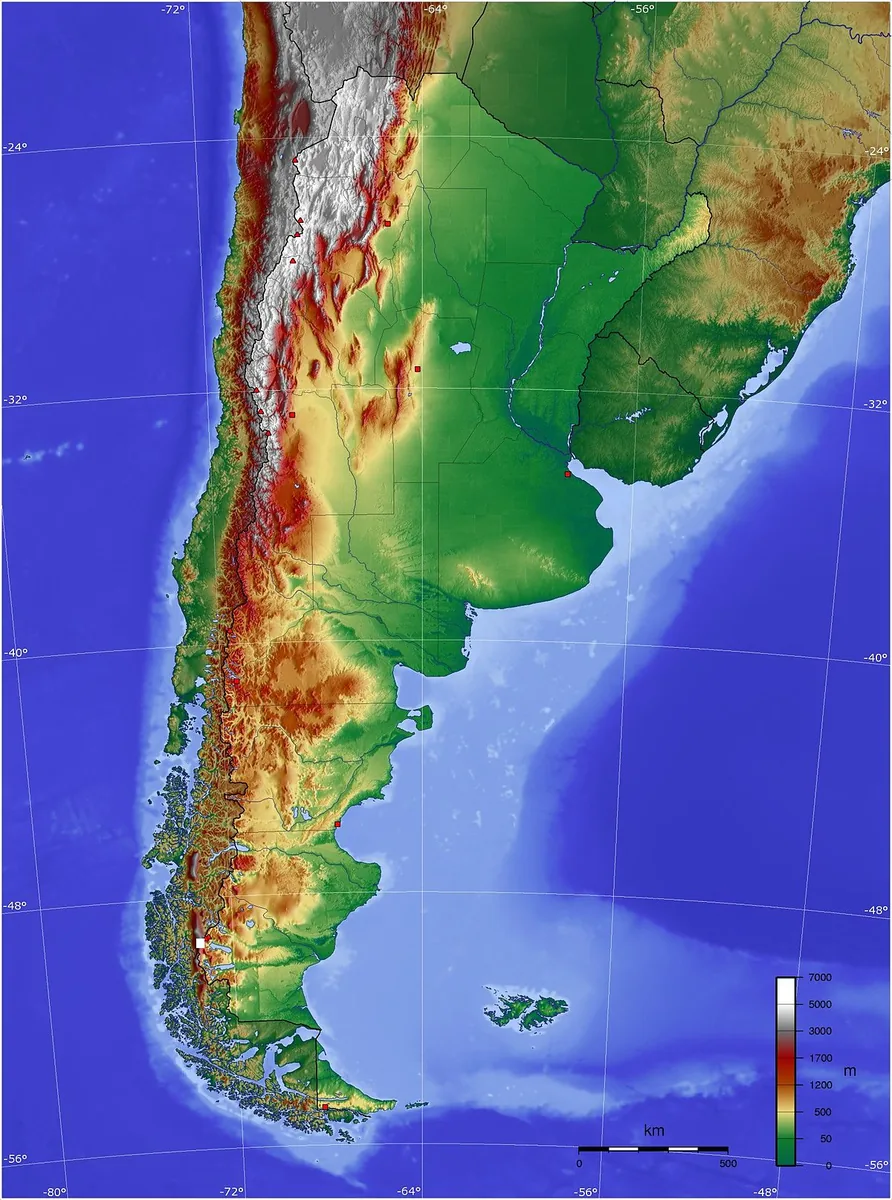
In San Juan, Argentina; reach San Juan first, then continue to the site.
Location
San Juan, Argentina
Type
attraction
Coordinates
-30.0667°, -68.0000°
Insider Tips
- 1
Book the full moon night tour well in advance, as the silver light reflecting off the white clay creates a visibility that makes headlights unnecessary.
- 2
Pay close attention to the small fossil museum at the entrance to see the 'Eoraptor,' which is far more impressive in person than in photographs.
- 3
Keep your car's fuel tank full before leaving San Agustín del Valle Fértil, as there are no service stations within the park's desert circuit.
- 4
Carry a wide-brimmed hat with a chin strap, because the Zonda winds can arrive without warning and are strong enough to snatch loose items instantly.