Genoese sailors once painted these shack walls with leftover ship pigment because they were too poor for stone, accidentally creating a technicolor republic that tried to secede from Argentina.
About La Boca
Italian immigrants transformed these swampy riverbanks into a noisy maritime hub between 1880 and 1930, constructing tenement houses known as conventillos. These communal dwellings forced families from different worlds to share kitchens and courtyards, a mixing ground that directly birthed the melancholy and passion of tango. The neighborhood’s political rebellious streak peaked in the late 19th century with a short-lived attempt at independence, but its cultural survival was guaranteed decades later. Artist Benito Quinquela Martín, a foundling raised in the barrio, began painting the streets and convinced neighbors to brighten their corrugated iron homes, transforming a slum into a masterpiece of urban folk art.
What La Boca is
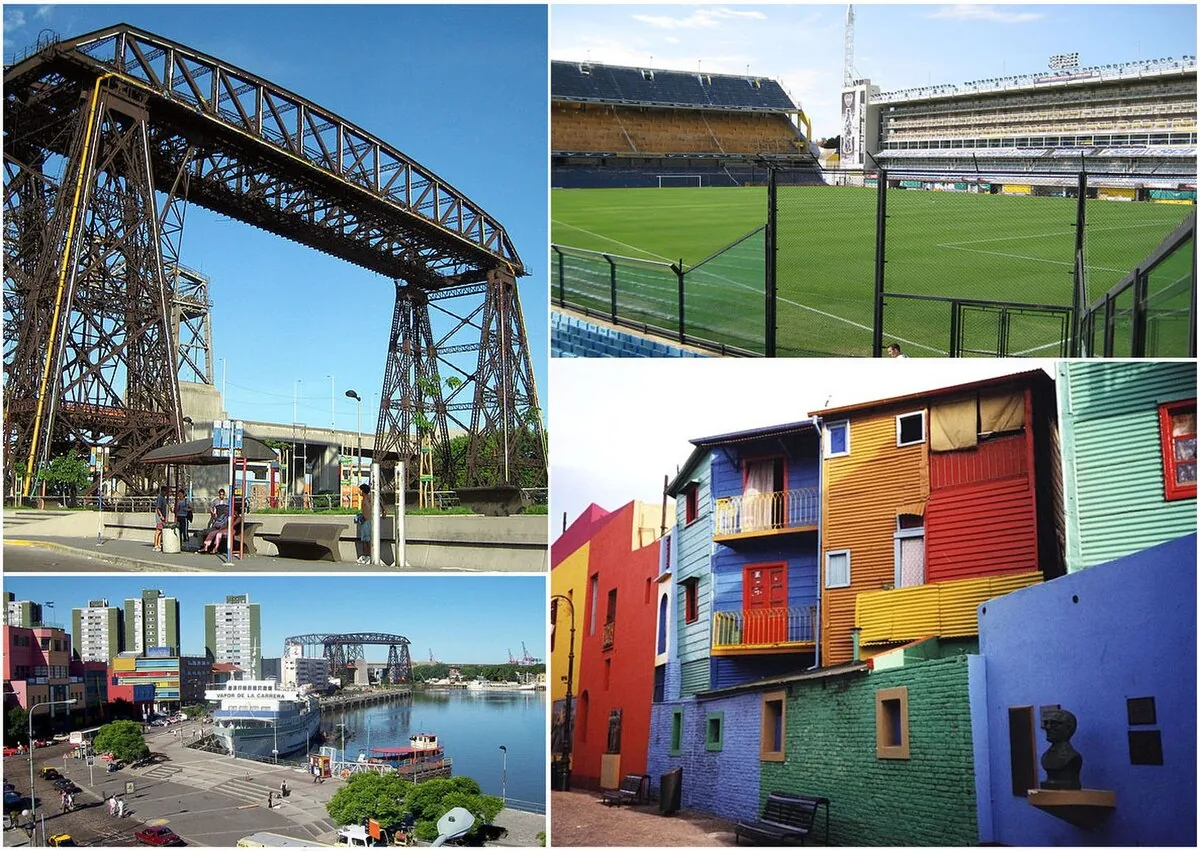
Rain creates a peculiar magic in this corner of Buenos Aires, turning the corrugated iron walls of the conventillos into a shimmering, wet gallery of primary colors. Situated where the Riachuelo river meets the Río de la Plata, La Boca functions as the city's unapologetic, gritty soul. While the rest of the capital chases Parisian elegance, this neighborhood remains tethered to its dockside roots, defined by the clatter of tango shoes on cobblestones and the intoxicating aroma of slow-roasting beef. The architecture here tells a story of survival, a patchwork of scrap metal and leftover ship paint that has become the most recognizable skyline in Argentina. It remains a place of deep contrasts, where the intense tourism of the Caminito pedestrian strip sits just inches away from the fierce, lived-in pride of a traditional working-class barrio.
Genoese sailors founded this port district
Genoese sailors founded this port district in the late 19th century, bringing with them a fierce independence and a practical approach to building. Lacking the funds for fine masonry, these immigrants salvaged wood and sheet metal from the shipyards, painting their communal homes with whatever pigment remained in the bottom of the barrels. This accidental rainbow became a neighborhood trademark, but the area's identity was cemented in 1882 when the residents briefly seceded from Argentina to form the Independent Republic of La Boca. They even flew the Genoese flag until the president personally intervened to remove it. Later, in the 1950s, local artist Benito Quinquela Martín led a movement to revitalize the abandoned railway tracks of the Caminito, turning a forgotten alley into the open-air museum that saved the neighborhood from industrial decay.
Walking down the Caminito, the vibration
Walking down the Caminito, The vibration of the accordion before seeing the dancers. Here, the air smells of charcoal smoke and the salty tang of the nearby river, a sensory reminder that this is still a maritime outpost. What gets your attention is the way the light catches the oversized papier-mâché figures leaning over wrought-iron balconies, depicting everyone from Diego Maradona to Evita Perón. Away from the main drag, the atmosphere shifts to a more quiet, guarded intensity. The shadows of the massive Transbordador Bridge loom over the water, a rusted iron giant that speaks to a vanished era of steamships. You might catch a glimpse of a local social club where old men play cards in the shade, their voices rising in the musical, rhythmic cadence of the Rioplatense accent. Most travelers arrive via the ubiquitous blue and yellow colectivos that weave through the city, or by a quick taxi ride from the refined streets of San Telmo. The neighborhood is best explored on foot, though it is wise to stick to the well-trodden paths of the tourist circuit as the sun begins to set. From the end of the Caminito, looking out over the dark water of the Riachuelo, seeing the massive yellow walls of the Bombonera stadium in the distance. This temple of football is the neighborhood's true north, a place where the passion of the fans mirrors the intensity of the colors on the walls. It is a walk that starts with art and ends with an understanding of the fierce loyalty that defines the people of the mouth.
The Experience
Right away, the floorboards of the old tenements groan under the weight of history as you climb the narrow stairs of a converted conventillo. The midday sun makes the scarlet and turquoise walls almost painful to look at, while the sharp, staccato rhythm of a live bandoneón pulls you toward the nearest street corner. The grit of the port in the air, a reminder that behind the souvenir shops, real life persists in the smell of laundry soap and shared maté. The most striking moment often happens in a quiet side street, where a local muralist might be adding a fresh layer of paint to a brick wall, continuing a tradition of public storytelling that refuses to be quieted by time.
Why It Matters
La Boca is the cradle of the Argentine working-class identity and the ancestral home of tango. It represents the triumph of immigrant ingenuity over poverty, proving that a community can craft a world-class aesthetic out of industrial scraps. Culturally, it remains the spiritual heart of the nation’s football obsession, anchored by the legendary Boca Juniors stadium.
Why Visit
San Telmo has the antiques and Recoleta has the glamour, but La Boca is the only place where the architecture vibrates with the same frequency as the music. You come here to see the unfiltered, messy, and loud version of Buenos Aires that hasn't been polished for a brochure. It is the city's most honest performance.
✦ Photo Gallery
Best Season
🌤 Visit during the spring months of October and November when the breeze off the river is cooling and the afternoon light is soft enough to photograph the vivid walls without harsh glares.
Quick Facts
Best time to visit
Visit during the spring months of October and November when the breeze off the river is cooling and the afternoon light is soft enough to photograph the vivid walls without harsh glares.
Getting there
In Buenos Aires, Argentina; reach Buenos Aires first, then continue to the site.
What's nearby
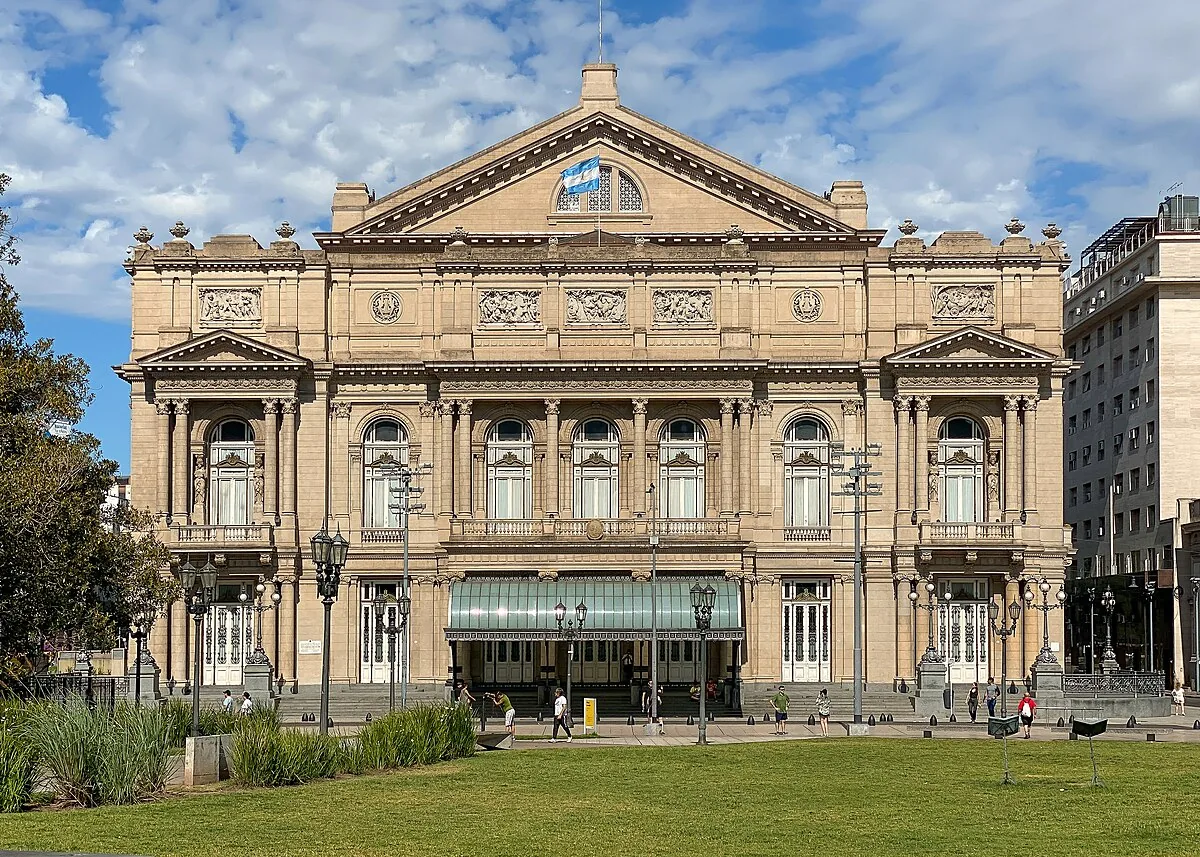
Teatro Colón, Recoleta Cemetery and MALBA are also in the area.
Location
Buenos Aires, Argentina
Type
attraction
Coordinates
-34.6356°, -58.3647°
Insider Tips
- 1
Head to the Fundación Proa for a modern contrast; its rooftop terrace offers the most panoramic view of the river and the historic iron bridge.
- 2
Stick to the main tourist corridors like Caminito and Magallanes, especially if you are carrying visible camera equipment.
- 3
Look for the smaller, less-frequented ateliers on the second floor of the conventillos where local painters still work away from the street-level crowds.
- 4
Order a choripán from a sidewalk parilla rather than a sit-down meal to experience the authentic, unpretentious flavor of the barrio.
- 5
Visit on a match day if you want to feel the ground shake, even if you don't enter the stadium, as the entire neighborhood transforms into a sea of blue and gold.