Borges once described these streets as the edge of the world, where knife-fighters lurked in shadows that are today occupied by avant-garde tailors and artisan roasteries.
About Palermo Soho
Palermo Soho emerged from the grit of the old Palermo Viejo, a district originally defined by its proximity to the Maldonado stream and the railway tracks. In the early 1900s, the block was a patchwork of 'casa chorizos', long, narrow houses that let families live in a row sharing a single patio. The neighborhood’s identity was forever altered in the late 20th century when the creative community of Buenos Aires sought refuge from the skyrocketing rents of the center. In 2002, the local government officially recognized the neighborhood's distinct character, and today it still reflects to how an economic collapse can occasionally spark a brilliant, self-reliant design revolution. The name itself is a nod to the fashion districts of London and New York, yet the atmosphere remains stubbornly Argentine, punctuated by the rituals of the afternoon merienda and the late-night asado.
What Palermo Soho actually is
Morning light in Palermo Soho has a way of turning the crumbling plaster of old Italianate houses into a warm, apricot-hued stage for the city's creative class. This neighborhood is the stylistic heart of Buenos Aires, a grid of low-rise blocks where the traditional cobblestones of the old world meet the defiant splashes of modern street art. Here, the hum of a high-end espresso machine blends with the distant clatter of the Mitre train line, creating a rhythm that feels both urgently modern and deeply rooted in a neighborhood tradition of leisure. Ivy clings to wrought-iron balconies and bougainvillea spills over the walls of quiet passageways, obscuring the boundaries between private residences and the boutiques of local designers. It remains a place of intense sensory detail, from the smell of fresh leather in an artisan’s workshop to the bitter, herbal steam rising from a shared maté cup on a sun-drenched sidewalk.
“Morning light in Palermo Soho has a way of turning the crumbling plaster of old Italianate houses into a warm, apricot-hued stage for the city's creative class.”
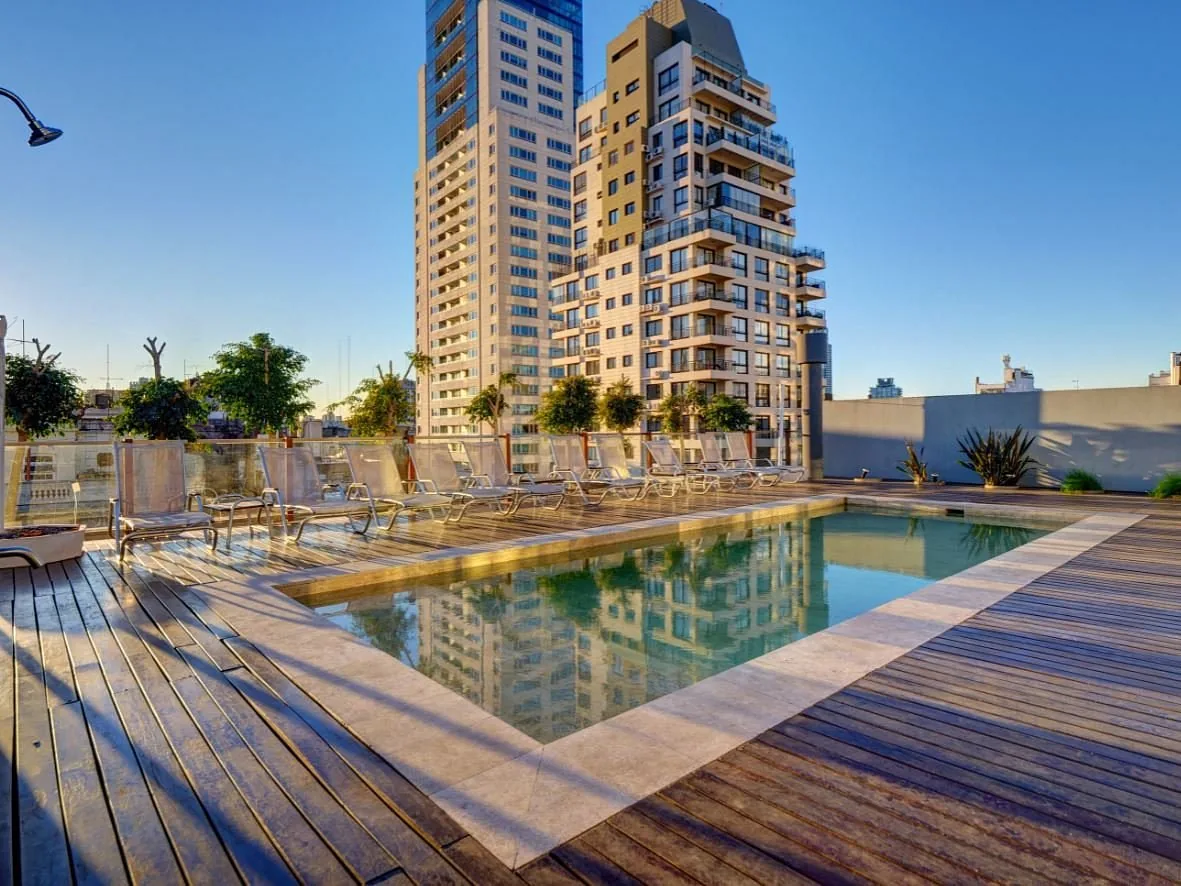
Palermo Soho, Argentina
Jorge Luis Borges once lived
Jorge Luis Borges once lived on these very streets when the area was known simply as Palermo Viejo, a rugged territory of knife-fighters and humble immigrant families. During the early 20th century, the neighborhood was a landscape of low-slung houses built by Spanish and Italian laborers who sought to replicate the architecture of their homelands with modest means. The transformation into 'Soho' began in the late 1990s and accelerated after the 2001 economic crisis, as local entrepreneurs realized they couldn't afford to import goods and began making their own. Clothing designers, furniture makers, and chefs moved into the old mechanics' garages and abandoned storefronts, preserving the original facades while hollowing out the interiors to create light-filled, industrial spaces. This grassroots gentrification turned a sleepy, working-class barrio into a global design hub without losing the low-slung, intimate scale of the original streetscape.
Walking toward Plaza Serrano in the late afternoon , the energy shift as the siesta ends and the bars begin to spill their tables onto the street. The air is often thick with the sweet, heavy scent of blooming jasmine and the savory smoke of a nearby parilla. Instantly, the textures of the neighborhood are a mix of rough, exposed brick and the smooth, sleek glass of minimalist storefronts. The graffiti here isn't a sign of neglect but a curated gallery of massive, multi-story murals that reflect the political and social dreams of the city. While crowds often cluster around the main squares, the real soul of the place resides in the 'pasajes' like Pasaje Russell or Pasaje Soria. In these narrow lanes, the sound of the city fades, and The birds in the plane trees and the quiet scrape of a chair on a tiled patio. Subte Line D is the main artery connecting this district to the city center, with the Plaza Italia station providing a chaotic, leafy entrance to the neighborhood's northern edge. From the station, the walk toward the heart of Soho takes you past the Botanical Gardens, where the air cools significantly under the canopy of ancient trees. Taxis and colectivos, the city’s ubiquitous colorful buses, stream down Avenida Santa Fe and Avenida Córdoba, marking the unofficial boundaries of this creative enclave. Many visitors find that the best way to arrive is to simply wander south from the parks of Palermo, letting the increasingly colorful walls and the thickening concentration of independent cafes signal your arrival into the Soho grid.
The Experience
First, the dappled shadows of sycamore trees dancing across the stone pavements, a visual rhythm that calms the frantic pace of the city. The neighborhood feels like a secret that everyone is in on, where a nondescript wooden door might lead to a lush, hidden courtyard serving the best malbec in the southern hemisphere. You come across a pulse of the district change at sundown, when the fashion-conscious shoppers make way for a younger, louder crowd seeking the bitter bite of a Fernet and cola. The thing most visitors overlook is the intricate ironwork on the older buildings, which often features motifs that hint at the specific European regions the original builders called home. It is a place that rewards the aimless wanderer, where the most memorable moment is often a chance encounter with a street musician or the discovery of a tiny bookstore hidden at the back of a cafe.
Why It Matters
Palermo Soho is the primary incubator for contemporary Argentine design and the epicenter of the country’s modern culinary movement. It matters because it preserved the domestic architecture of a bygone era by repurposing it for the digital age, proving that a neighborhood can evolve without losing its human scale. It is the living laboratory of the porteño spirit, where tradition is constantly being reinterpreted through a lens of art and innovation.
Why Visit
Recoleta has the history and San Telmo has the antiques, but Palermo Soho is where you actually feel the living, breathing present of Buenos Aires. You visit this place to see how a city heals itself with color and creativity, and to find the unique garments and objects that you won't see in any mall in the world. It is a masterclass in urban personality.
Insider Tips
- 1
Wander the narrow 'pasajes' or side alleys early on a Tuesday morning to photograph the street art without the weekend crowds.
- 2
Look for the 'menú del día' at the smaller corner bodegones for a traditional lunch that costs a fraction of the price of the trendy bistros.
- 3
Visit the weekend craft market at Plaza Serrano for high-quality handmade leather goods sold directly by the artisans who make them.
- 4
Book a table at a 'closed-door' restaurant, or puerta cerrada, which often operate in the unassuming residential houses scattered through the district.
- 5
Pay attention to the house numbers; they indicate the distance in meters from the start of the street, a logical system hidden in a chaotic city.