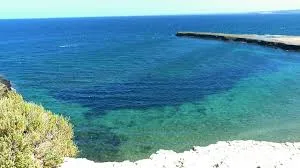
Forty-ton whales nursery their calves so close to these gravel shores that you can hear their rhythmic breathing over the sound of the crashing Atlantic surf.
About Península Valdés
Antonio de Viedma established a fort here in 1779, but the harsh, waterless environment proved a formidable enemy to permanent settlement. For a century, the peninsula was a lonely landscape of salt extraction and sheep ranching, largely disconnected from the growing metropolis of Buenos Aires. The arrival of the Welsh settlers in the nearby Chubut valley in 1865 brought a new cultural layer to the region, though the peninsula itself remained a wild sanctuary. The true turning point came in 1974 with the creation of the Provincial Reserve, shifting the local economy from hunting seals for oil to observing them in their natural habitat. This transition saved the Southern Right Whale population from the brink of disappearance, turning the Golfo Nuevo into the most significant breeding ground in the southern hemisphere.
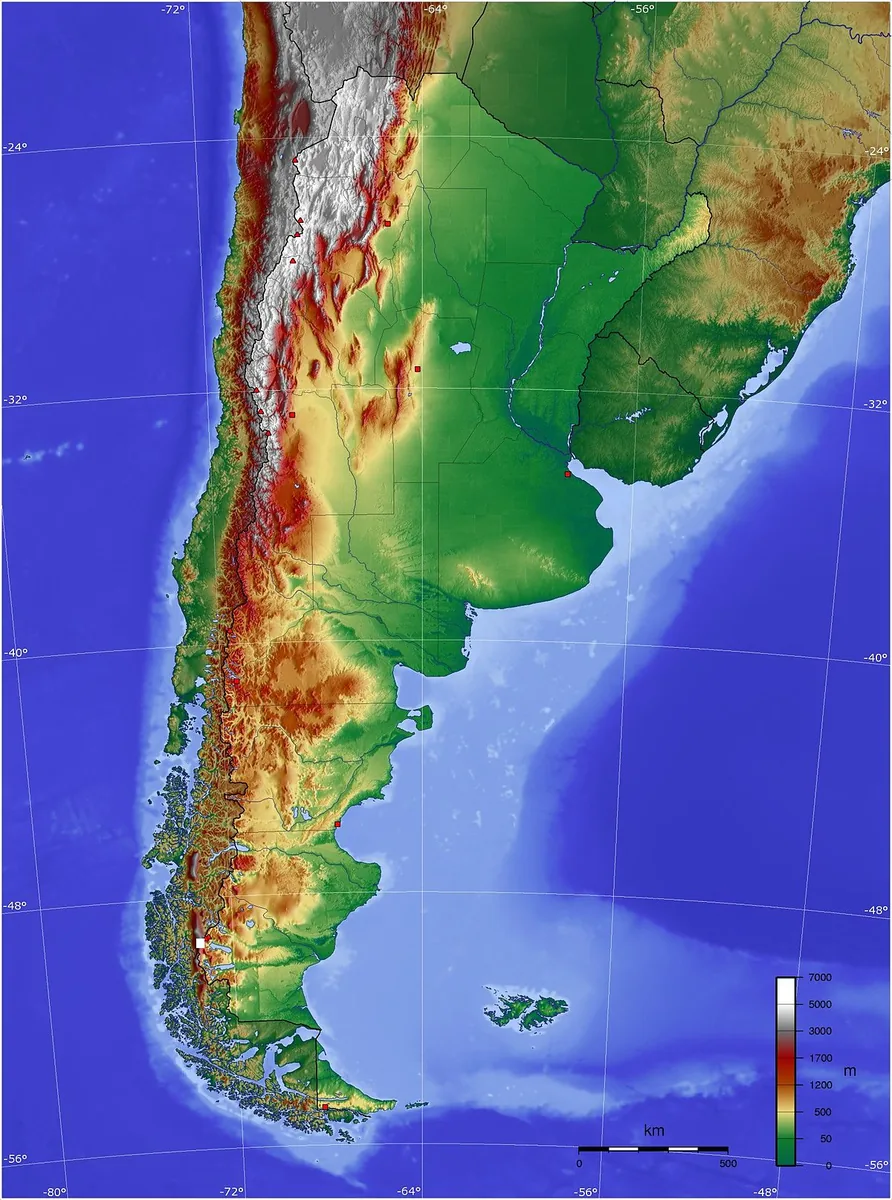
What Península Valdés in Argentina is
Salt-crusted winds sweep across a landscape so flat and amber that the Atlantic Ocean appears to be the only thing holding the sky in place. Península Valdés, a mushroom-shaped hammerhead of land jutting into the South Atlantic, is a gargantuan nursery for some of the planet's most imposing marine giants. The room here is thin and tastes of brine, carrying the prehistoric grunts of elephant seals and the rhythmic, percussive spray of Southern Right Whales breaching the surface of the Golfo Nuevo. Beyond the cliff edges, the Patagonian steppe stretches out in a silent expanse of low scrub and dusty tracks, where guanacos and rheas move like ghosts through the shimmering heat haze.
Spanish explorers first charted these treacherous
Spanish explorers first charted these treacherous, scalloped shores in the late 18th century, but the peninsula remained a desolate frontier for generations of gauchos and kelp harvesters. The region’s modern identity was forged in the 1970s when the Argentine government recognized that the quiet bays were a critical sanctuary for species nearly hunted to extinction. Decades of strict maritime protection have transformed this once-exploited coastline into a thriving biological fortress. UNESCO added the site to its World Heritage list in 1999, noting its status as one of the few places where the circle of life and death is visible from the shoreline. The most harrowing part of its history involves the unique 'intentional beaching' behavior of local orcas, a predatory tactic passed down through generations that was only documented by researchers in the late 20th century.
Standing on the pebbled beach at El Doradillo , the vibration in your chest before you actually see the whales. The water is deep right up to the shore, allowing these fifty-ton mothers and their calves to swim just meters from your feet, their dark, barnacled skin gleaming like wet basalt. What hits is the smell of sea is punctuated by the oily, heavy musk of the sea lion colonies lounging on the lower ledges of the cliffs. The noise is an unruly mix of crashing surf and the explosive, misty exhalations of whales that sound like steam being released from a giant valve. At Punta Norte, the atmosphere turns tense during the high tide, as observers watch the waves for the tall, black dorsal fins of the orcas patrolling the shallows. First, the way the light turns the surrounding cliffs into a pale, golden honeycomb as the sun begins to dip, reflecting off the vast salt pans that sit below sea level in the peninsula's heart.
Puerto Madryn is the urban anchor
Puerto Madryn is the urban anchor for the region, a city like a maritime outpost during the whale season from June to December. The journey into the peninsula itself begins at the Istmo Carlos Ameghino, a narrow strip of land where you can see the ocean on both sides of the road simultaneously. Travelers usually rent a rugged vehicle to navigate the hundreds of kilometers of ripio, the loose, flying gravel that defines Patagonian road travel. The drive to the remote lighthouse at Punta Delgada or the penguin colonies at Estancia San Lorenzo requires patience and a tolerance for dust. For a more intimate immersion, staying at one of the working sheep estancias within the park allows you to experience the profound, star-studded silence of the desert once the day-trippers have retreated to the mainland.
The Experience
First, the peculiar silence of the steppe, a quiet so deep it makes the sudden splash of a sea lion or the whistle of a desert fox sound like a thunderclap. The wind is a constant companion, tugging at your clothes and carrying the fine, silty dust of the Pampa into every pocket. A remnant of the raw power of nature at Caleta Valdés, where the turquoise water of the Atlantic is separated from a calm lagoon by a thin, shimmering ribbon of land. Those who come overlook the smaller dramas, like the armadillos scurrying through the thorny brush or the burrowing owls standing guard outside their sandy holes. What stays with you is the midnight sky, where the Milky Way is so bright it casts faint, ghostly shadows across the white salt flats of the Gran Salitral.
Why It Matters
Península Valdés is a globally significant site for the conservation of marine mammals, providing a safe haven for the Southern Right Whale and the only continental colony of southern elephant seals. It represents a rare, intact ecosystem where the transition from terrestrial desert to maritime abyss happens abruptly. Culturally, it is a symbol of Argentina’s commitment to rewilding and the protection of its vast Atlantic coastline.
Why Visit
Peninsula Valdés offers an unscripted, visceral encounter with wildlife that puts every zoo or aquarium to shame. You visit because this is the only place on earth where you can stand on a beach and watch an orca lunge into the surf, or look a mother whale in the eye without leaving the shore. It is a masterclass in the beauty of the wild and the fragile.
✦ Photo Gallery
Best Season
🌤 Plan your visit between September and November to witness the peak of whale activity alongside the arrival of the Magellanic penguins and the dramatic birth of elephant seal pups.
Quick Facts
Best time to visit
Plan your visit between September and November to witness the peak of whale activity alongside the arrival of the Magellanic penguins and the dramatic birth of elephant seal pups.
Getting there
In Puerto Madryn, Argentina; reach Puerto Madryn first, then continue to the site.
Location
Puerto Madryn, Argentina
Type
attraction
Insider Tips
- 1
Check the tide tables at Punta Norte meticulously; the orcas only hunt on the shore during the highest tides when the water is deep enough for them to retreat.
- 2
Drive slowly on the gravel roads; the loose stones act like ball bearings and 'ripio' is the leading cause of vehicle rollovers in Patagonia.
- 3
Visit the El Doradillo beach at sunset to see whales in the shallowest water without the crowds of the mid-day boat tours.
- 4
Pack a high-quality pair of binoculars to spot the diverse birdlife, including the giant petrels that scavenge along the sea lion colonies.
- 5
Stop at the visitor center at the Isthmus to see the whale skeleton and get real-time updates on where the most recent sightings have occurred.