“The world's most successful giant panda breeding program started in 1987 with six rescued animals. There are now over 200 pandas on site, and the global wild population has nearly doubled since.”
About Chengdu Panda Base
Established in 1987 with six wild-rescued pandas, the Chengdu base developed breeding protocols now used by programs worldwide. The wild panda population has recovered from under 1,000 in the 1980s to approximately 1,800 today, partly attributable to coordinated breeding and reintroduction efforts.
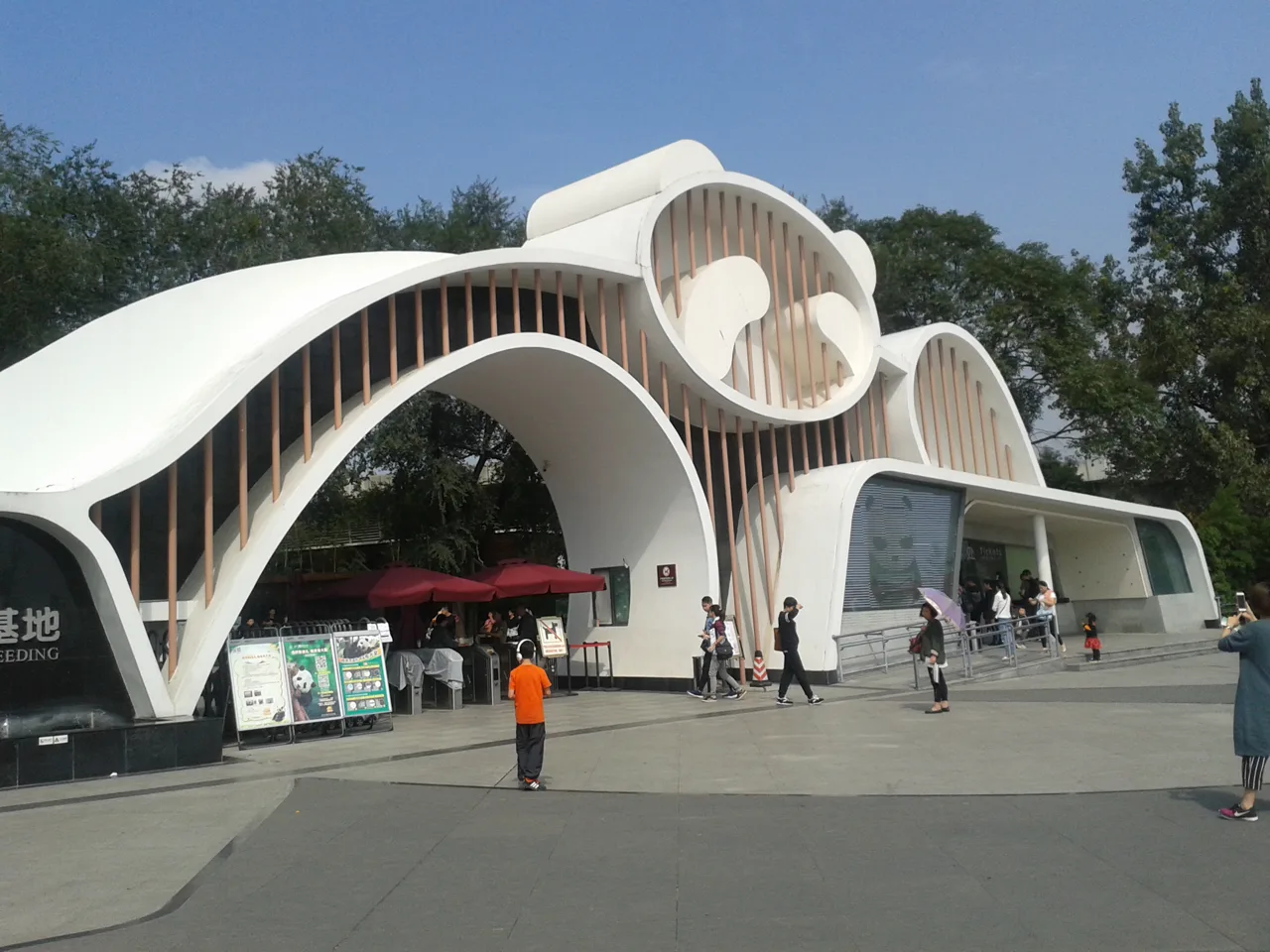
Chengdu Research Base of Giant Panda Breeding
The Chengdu Research Base of Giant Panda Breeding, 10 kilometers north of Chengdu, is the world's most successful giant panda breeding and conservation program, housing over 200 pandas across forested enclosures designed to mimic the animal's natural Sichuan mountain habitat. The base functions as both a scientific research center and the most accessible place on earth to observe giant pandas at close range in a managed environment.
The base functions as both a scientific research center and the most accessible place on earth to observe giant pandas at close range in a managed environment.
base was established, 1987
The base was established in 1987 with six rescued giant pandas from the wild. At that time, the global wild panda population was estimated at under 1,000. The breeding program developed protocols, artificial insemination, cub separation and hand-rearing, bamboo nutrition management, that have been adopted by panda programs worldwide. The wild population has since recovered to around 1,800, a recovery in which the Chengdu program played a documented role. The base has expanded from a small research station to a 230-hectare facility that also breeds red pandas, black-necked cranes, and other endangered species.
Morning visits (before 10am) offer the best panda activity, the animals are fed bamboo in the early hours and are considerably more animated than the famously inert midday version. The nursery, which houses cubs during rearing, is the most popular section and has limited access. Red pandas, smaller, tree-climbing, and perpetually photogenic, occupy a separate section and are worth visiting. The enclosures are large enough that finding the pandas requires some searching, which is preferable to the artificially close displays at zoo-format facilities.
The base is 10 kilometers north of central Chengdu. A dedicated tourist bus runs from the city center (Bus 198 from outside Chengdu Zoo). Taxi or ride-hailing from the center takes 20–30 minutes. Tickets must be booked online in advance; morning slots sell out first.
A dedicated tourist bus runs from the city center (Bus 198 from outside Chengdu Zoo).
The Experience
Morning visits when pandas are being fed offer the most active behavior. The nursery houses reared cubs during key growth stages; red pandas occupy a separate section and are reliably entertaining.
Why It Matters
The Chengdu base is the world's foremost institution for a species that became a global symbol of conservation, and its breeding success contributed measurably to reversing the giant panda's trajectory toward extinction.
Why Visit
Observing giant pandas in well-designed, large enclosures with the context of a genuine conservation program is a different experience from zoo visits, the animals have behavioral space and the institutional purpose is visible.
✦ Insider Tips
- 1
Book morning tickets online, they sell out faster than afternoon slots and offer far better panda activity.
- 2
Visit the red panda section, they are more active than giant pandas and equally interesting.
- 3
Avoid weekends and Chinese national holidays when crowds at popular enclosures become very dense.