All landmarks and tourist attractions in China
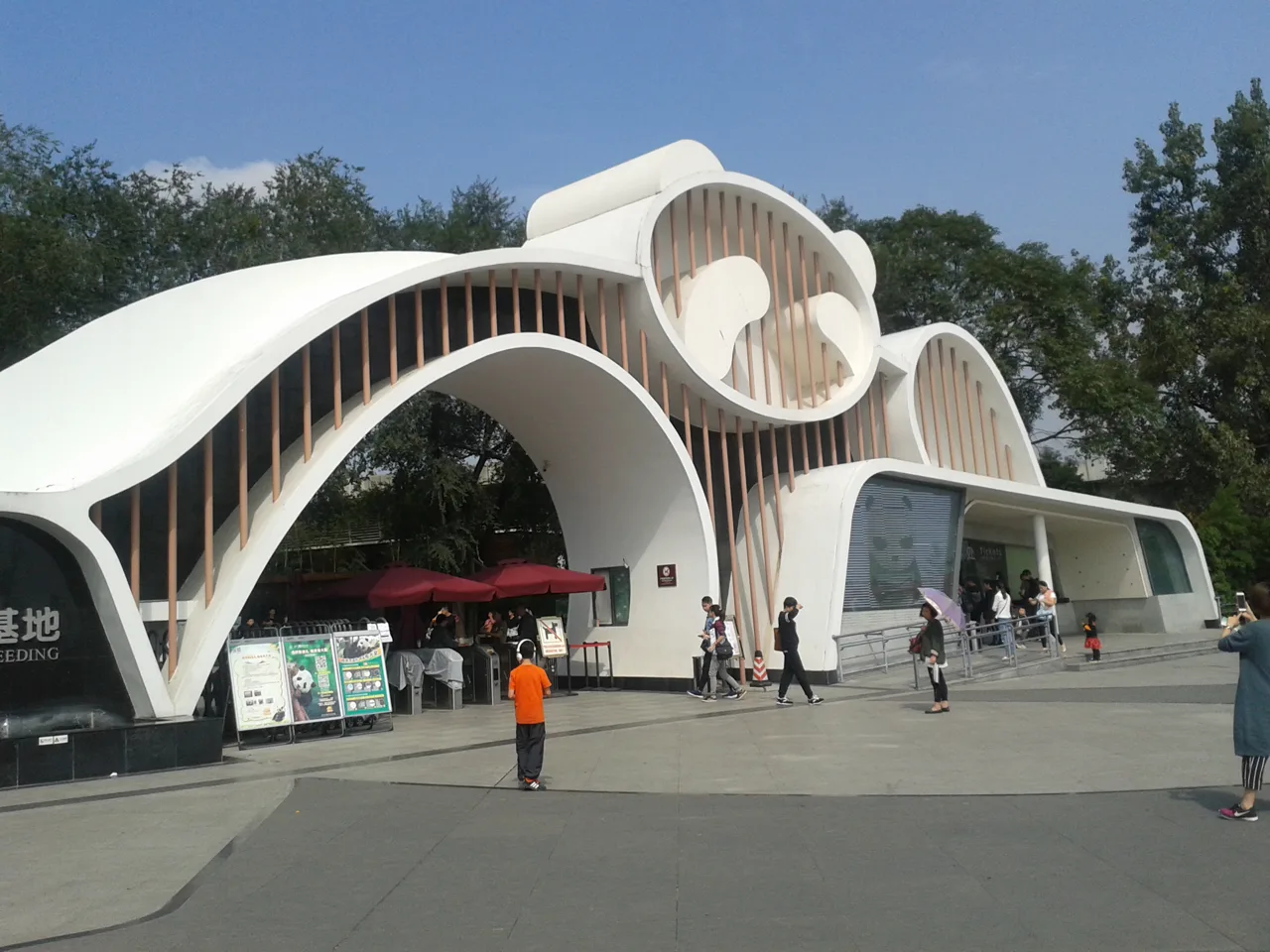
Chengdu Panda Base
The world's most successful giant panda breeding program started in 1987 with six rescued animals. There are now over 200 pandas on site, and the global wild population has nearly doubled since.
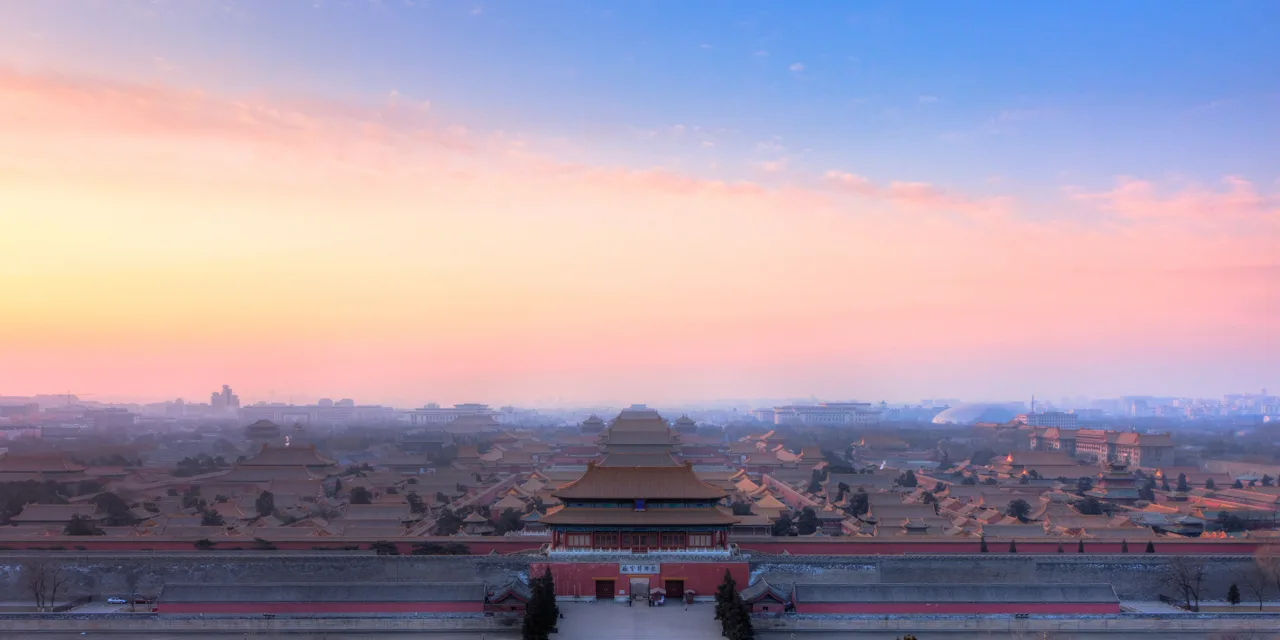
Forbidden City
For 492 years, no ordinary person entered without permission on pain of death. The Forbidden City was the center of the Chinese world, administratively, cosmologically, and physically.
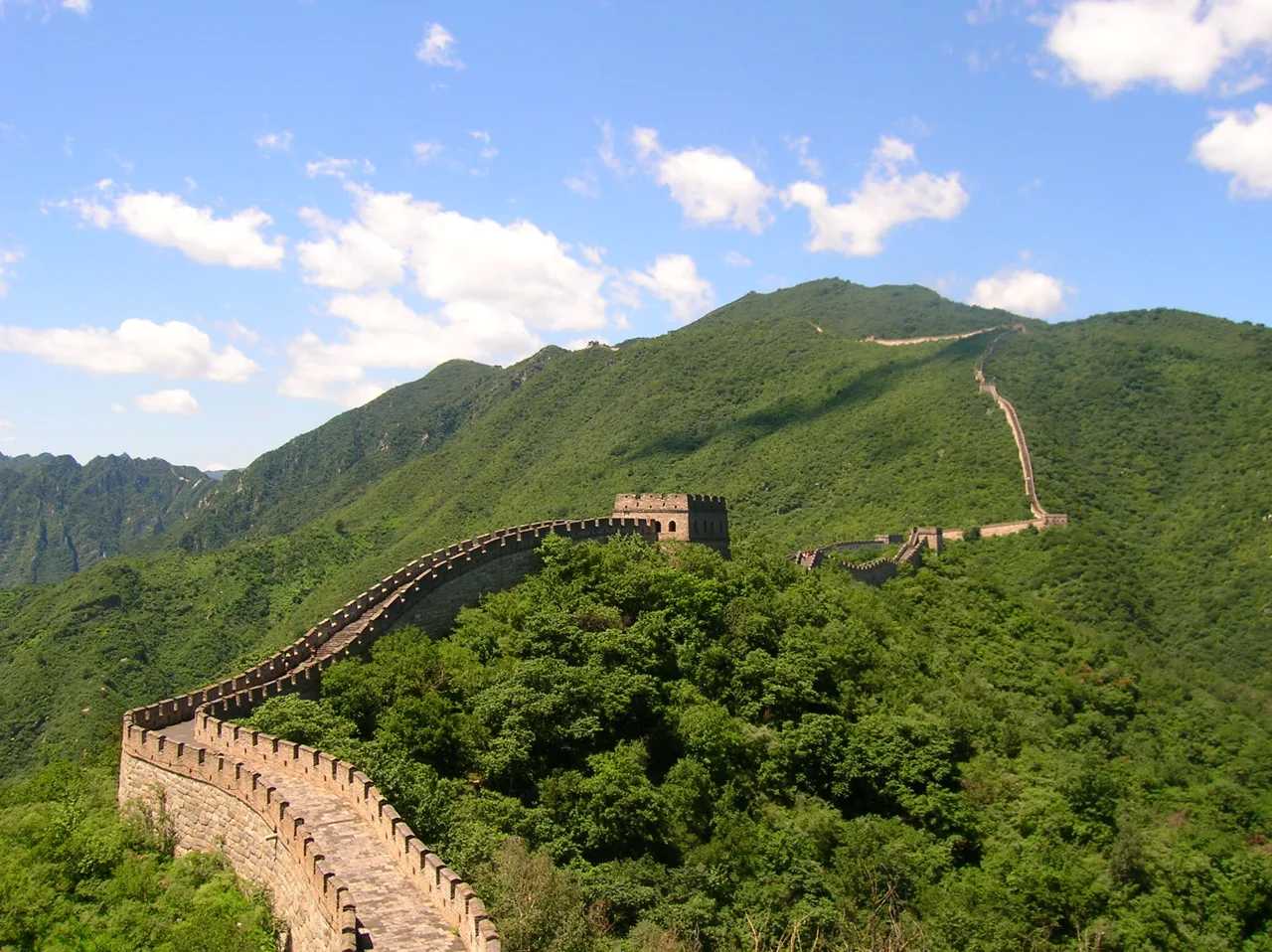
Great Wall Mutianyu
The Great Wall at Mutianyu has stood since the sixth century, runs along a mountain ridge through forested valleys, and can be descended by toboggan. It is exactly as good as it sounds.
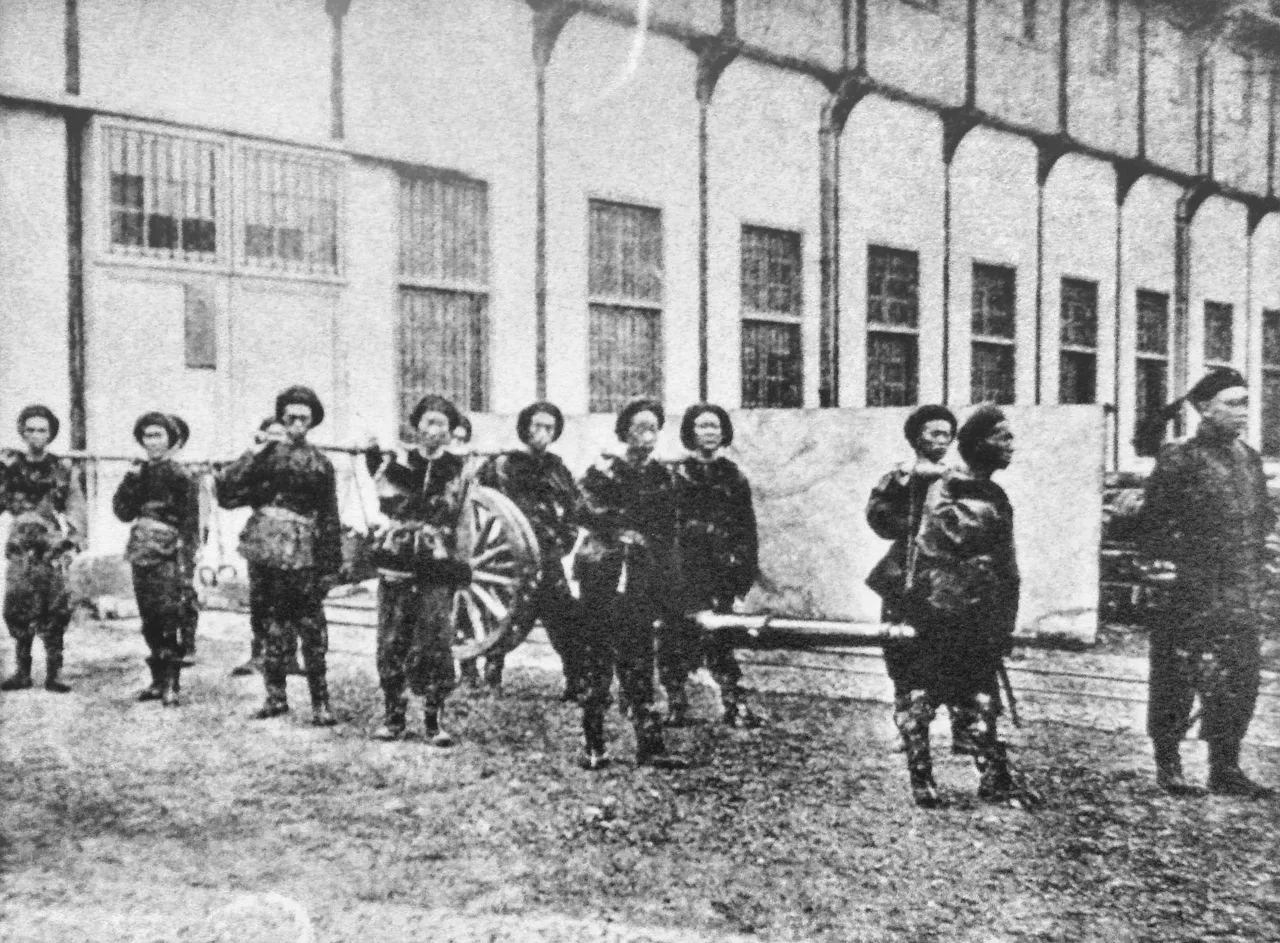
Jiangnan Shipyard
China's oldest shipyard was founded in 1865 to build Western-style warships using Chinese labor, the first major attempt to industrialize without surrendering sovereignty. The dry docks and crane towe
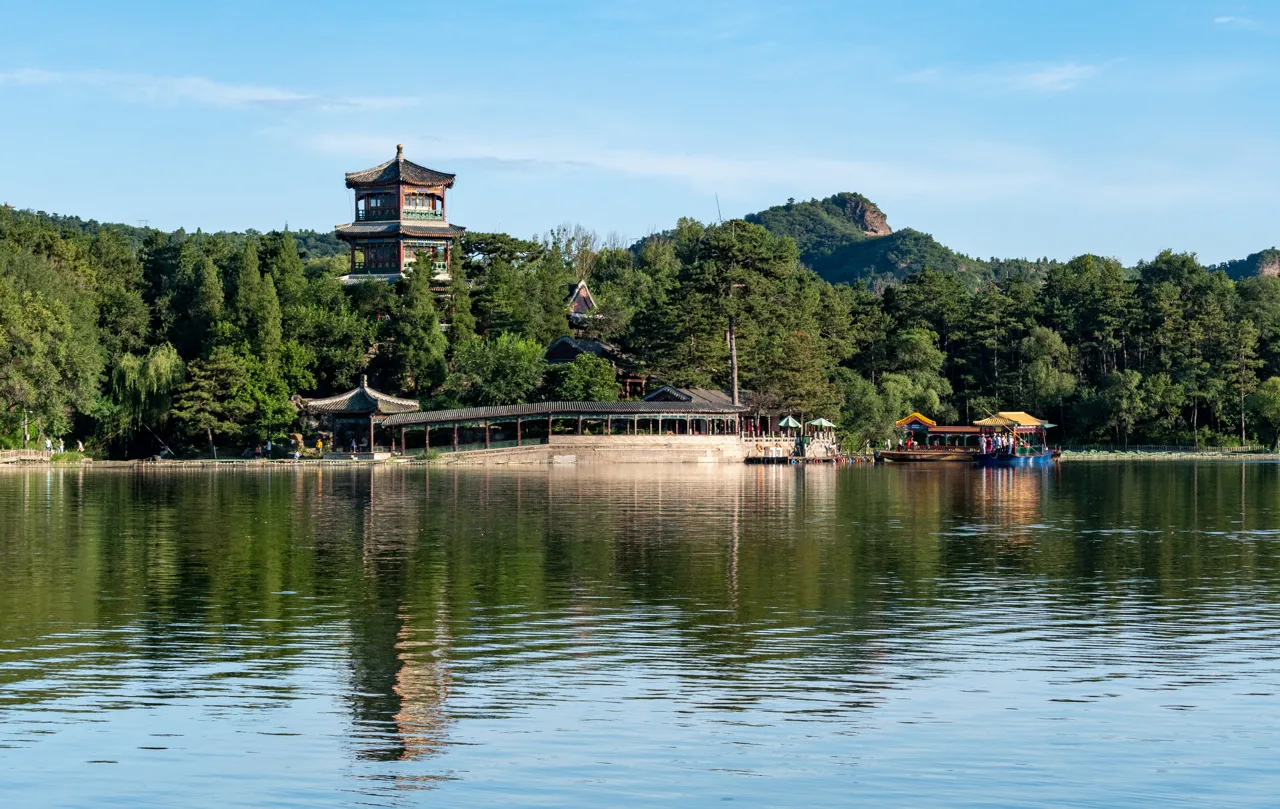
Mountain Resort and its Outlying Temples
Eighty-nine years of imperial labor transformed this mountain valley into a topographic map of the entire Chinese empire, guarded by a miniature replica of Lhasa's holiest palace.
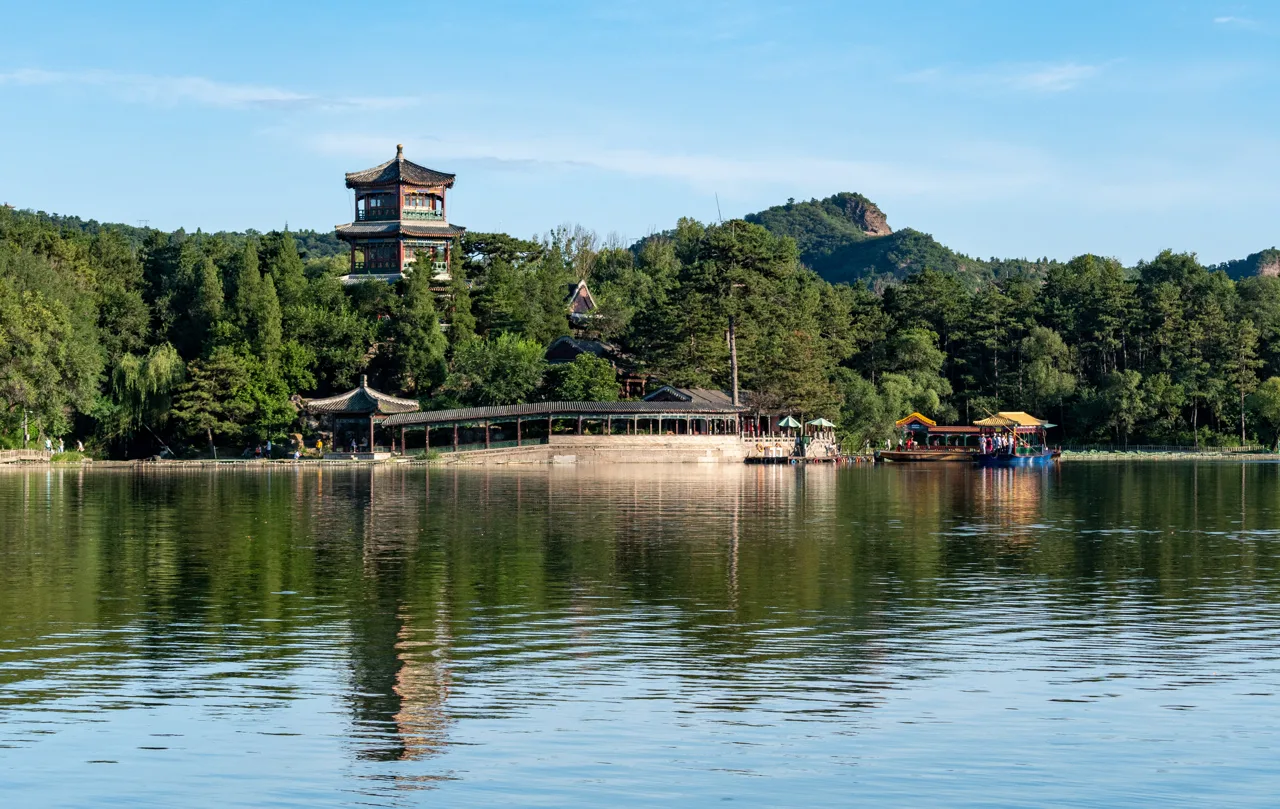
Mountain Resort Chengde
Three Qing emperors spent ninety years building a summer capital in the Hebei highlands. The outlying temples, in Tibetan, Han, and mixed styles, were built as diplomatic architecture for the peoples
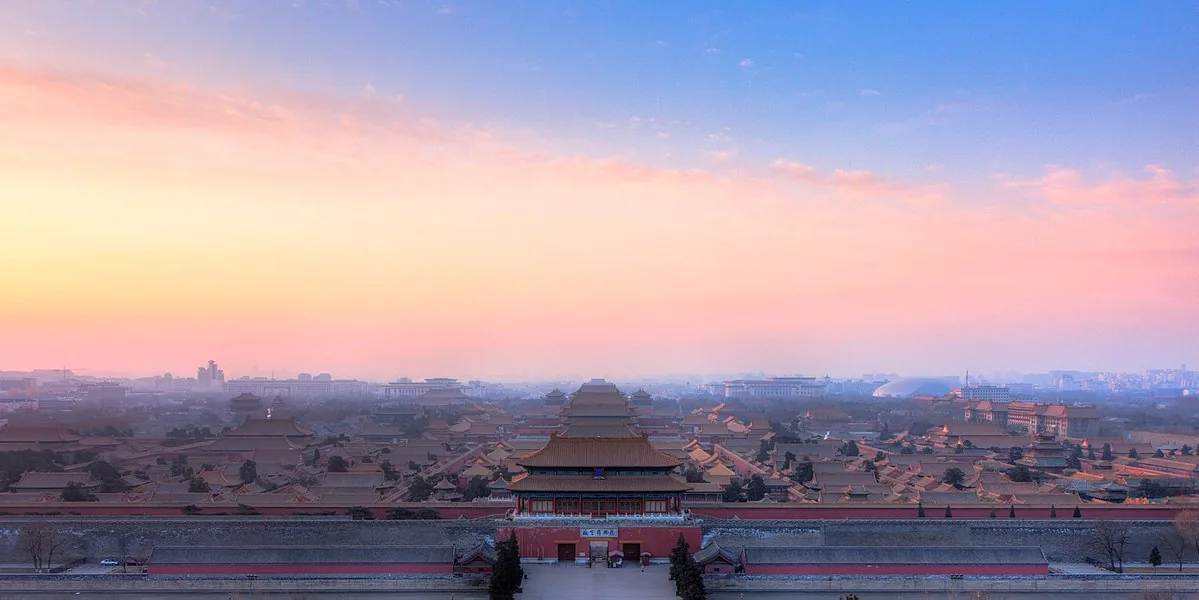
The Forbidden City
The world largest palatial complex contains 9;999 rooms of Ming and Qing dynasty timber-frame architecture; the Hall of Supreme Harmony anchors a meridian axis that defined the celestial order for five centuries; enter the Meridian Gate at 8:30 am when the sun strikes the yellow-glazed roof tiles; the smell of sun-warmed cedar and old lacquer fills the vast; silent courtyards before the wind picks up across the stone.
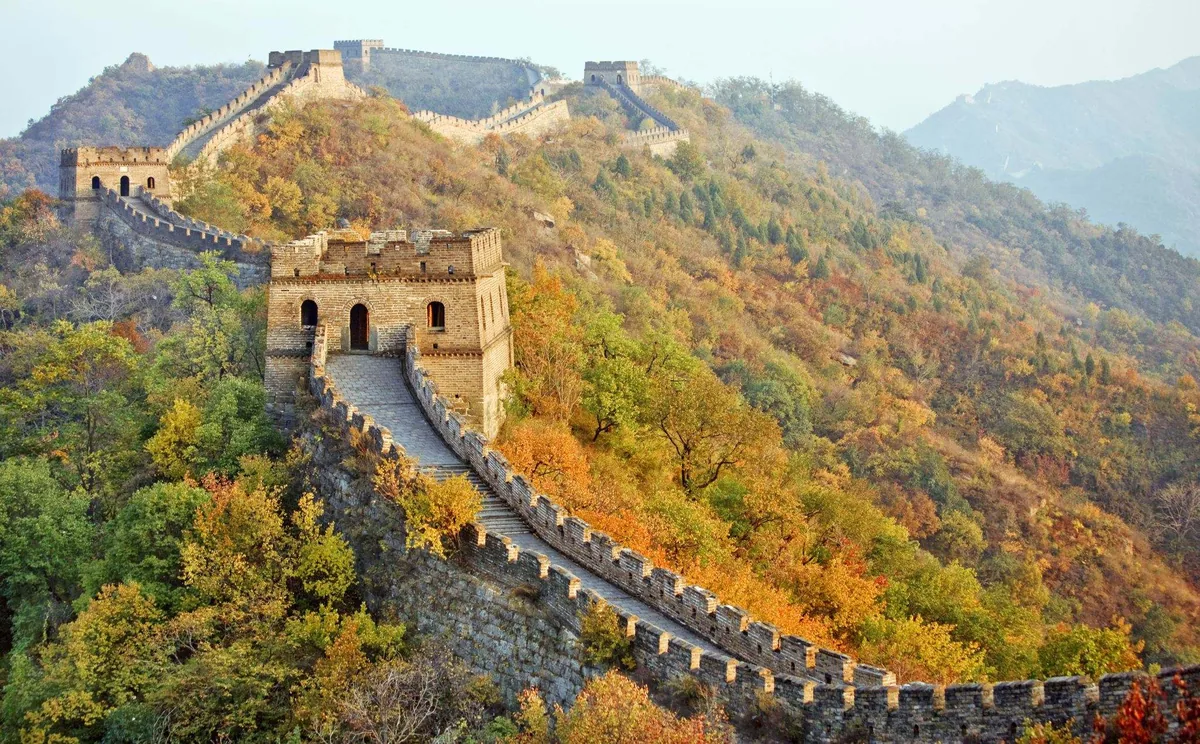
The Great Wall at Mutianyu
A 6th-century granite and brick fortification snaking along the jagged ridges of the Yan Mountains; featuring 23 uniquely preserved watchtowers that highlight Ming military engineering; climb to Tower 20 at sunrise; the pre-dawn mist clings to the pine-forested valleys while the stone ramparts glow a saturated ochre; the only sound is the rhythmic whistle of the wind through the notched battlements.
Terracotta Army
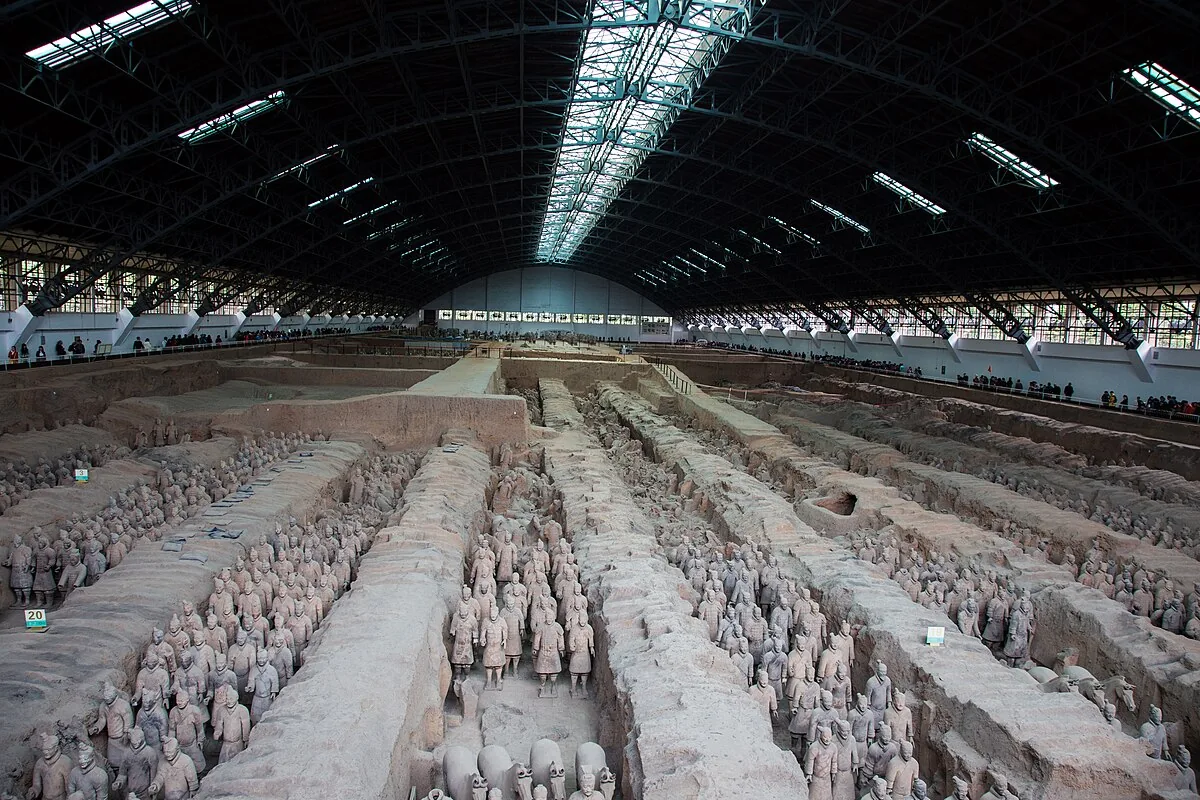
More than 8;000 life-sized funerary statues of the Qin Dynasty (210 BC) occupy three massive excavated pits; each warrior possesses unique facial features; hand-hammered bronze weaponry; and remnants of rare violet pigment; stand on the Pit 1 viewing platform at opening; the clinical light highlights the cracked clay textures and the overwhelming scale of the silent; subterranean battalion; the air remains cool and still.
Potala Palace
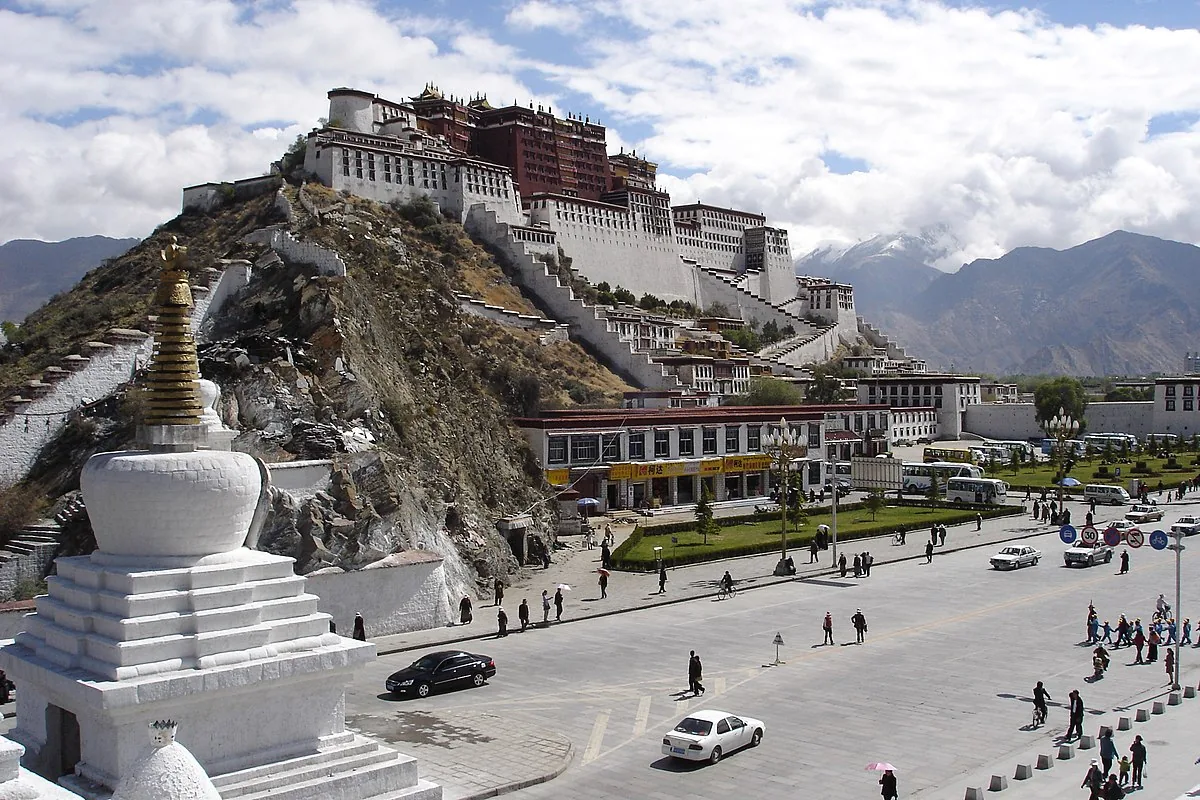
A 17th-century fortress-monastery rising thirteen storeys above the Red Hill; featuring 1;000 rooms of slanting white and crimson stone walls and gilded copper roofs; once the winter residence of the Dalai Lama; walk the kora path at 6 am with local pilgrims; the smell of yak-butter lamps and juniper incense is thick while the low-frequency chanting of monks vibrates through the 4-metre-thick foundations.
The Bund
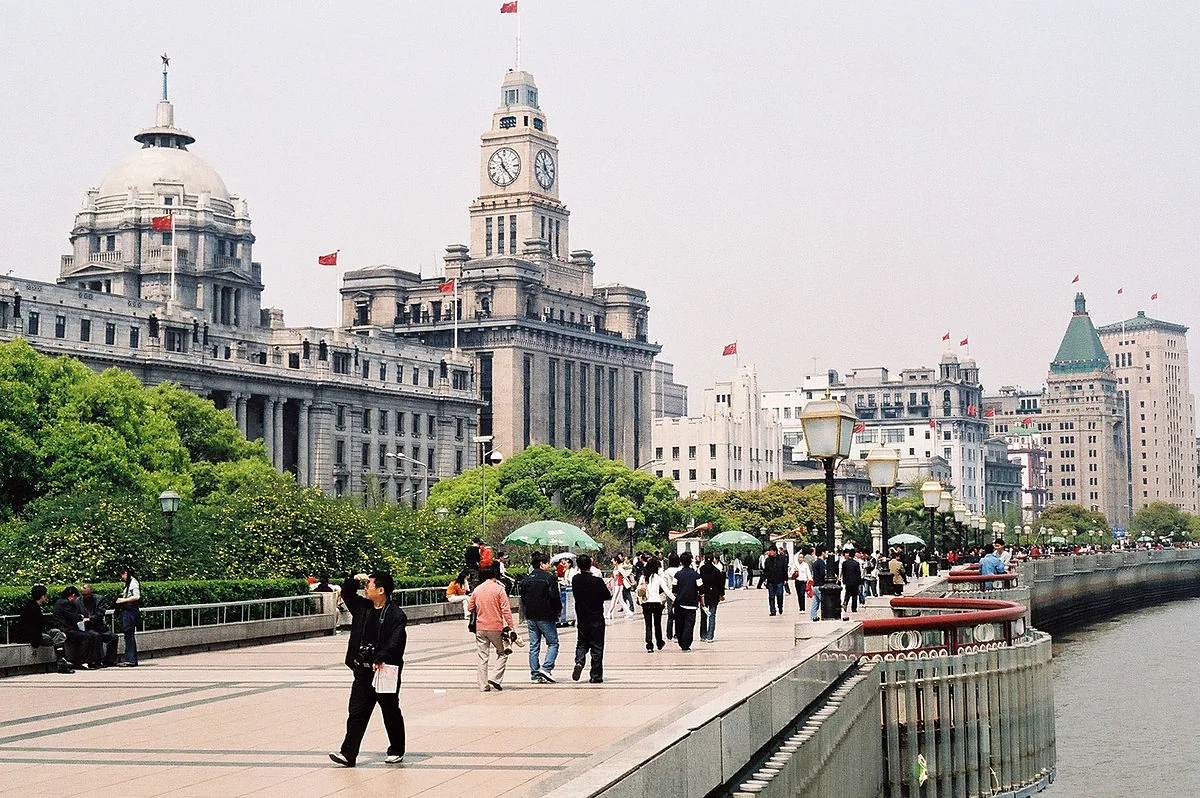
A 1.5-kilometre waterfront promenade showcasing a high-concentration of 22 Neoclassical and Art Deco bank buildings from the early 20th century; the granite facades of the Peace Hotel and Customs House stand as an architectural ledger of colonial commerce; stand at the north end at midnight; the neon grid of Pudong across the Huangpu River reflects off the water while the clock tower bells strike a heavy; metallic chime.
Wulingyuan Scenic Area
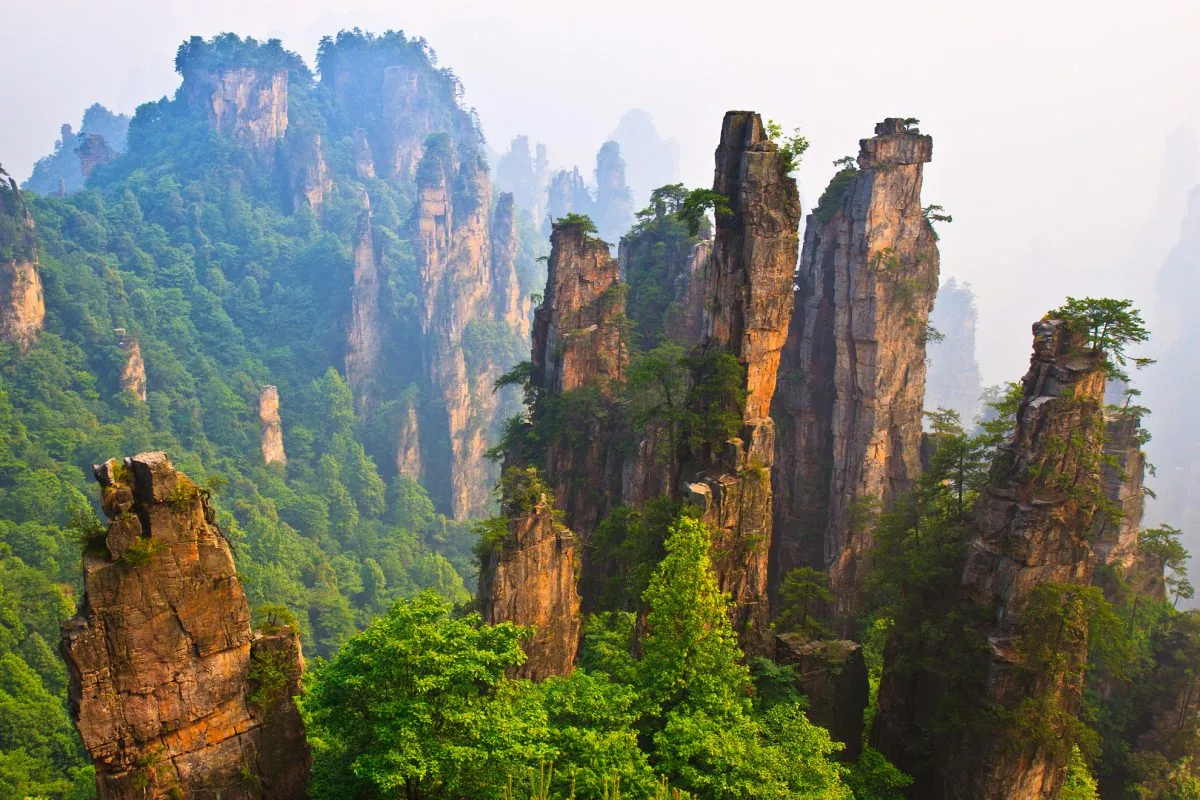
Over 3;000 quartzite sandstone pillars rise abruptly from the subtropical forest; some reaching elevations of 800 metres; these 300-million-year-old formations served as the geological blueprint for the Avatar mountains; traverse the glass-bottomed bridge at 9 am; the vertical scale is dizzying as the morning light penetrates the deep ravines; the sound of hidden waterfalls and macaques echoes off the moss-slicked cliffs.
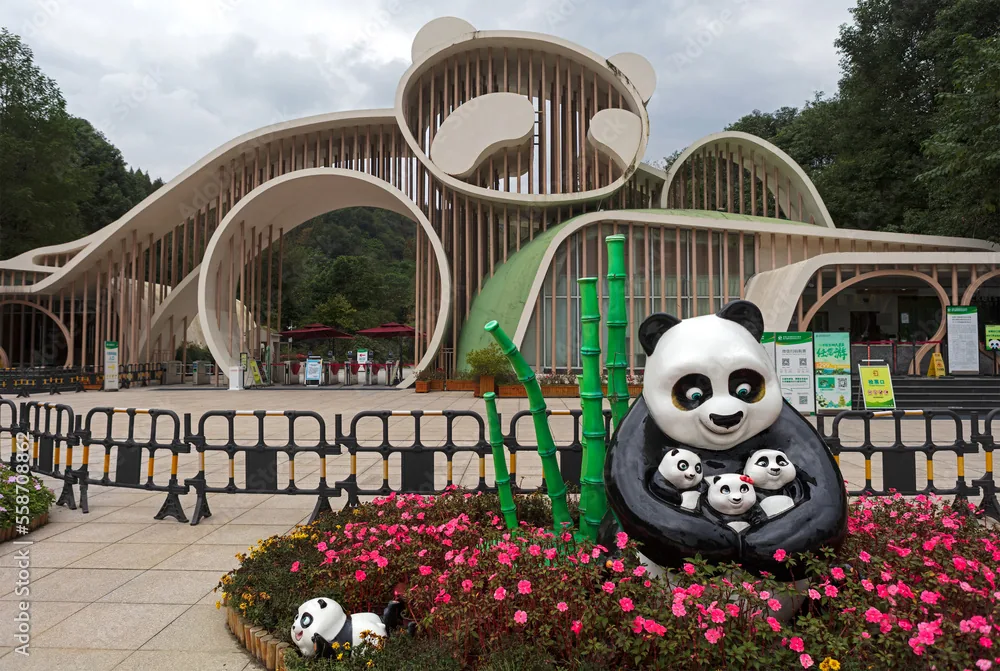
Chengdu Research Base of Giant Panda Breeding
A 100-hectare sanctuary of dense bamboo forest and man-made caves designed to replicate the Sichuan highlands; this facility preserves the world largest captive population of Ailuropoda melanoleuca; arrive at the Moonlight Nursery at 7:30 am; the air is cold and smells of fresh-cut bamboo and wet earth while the pandas are at their most active before the midday humidity settles over the greenery.
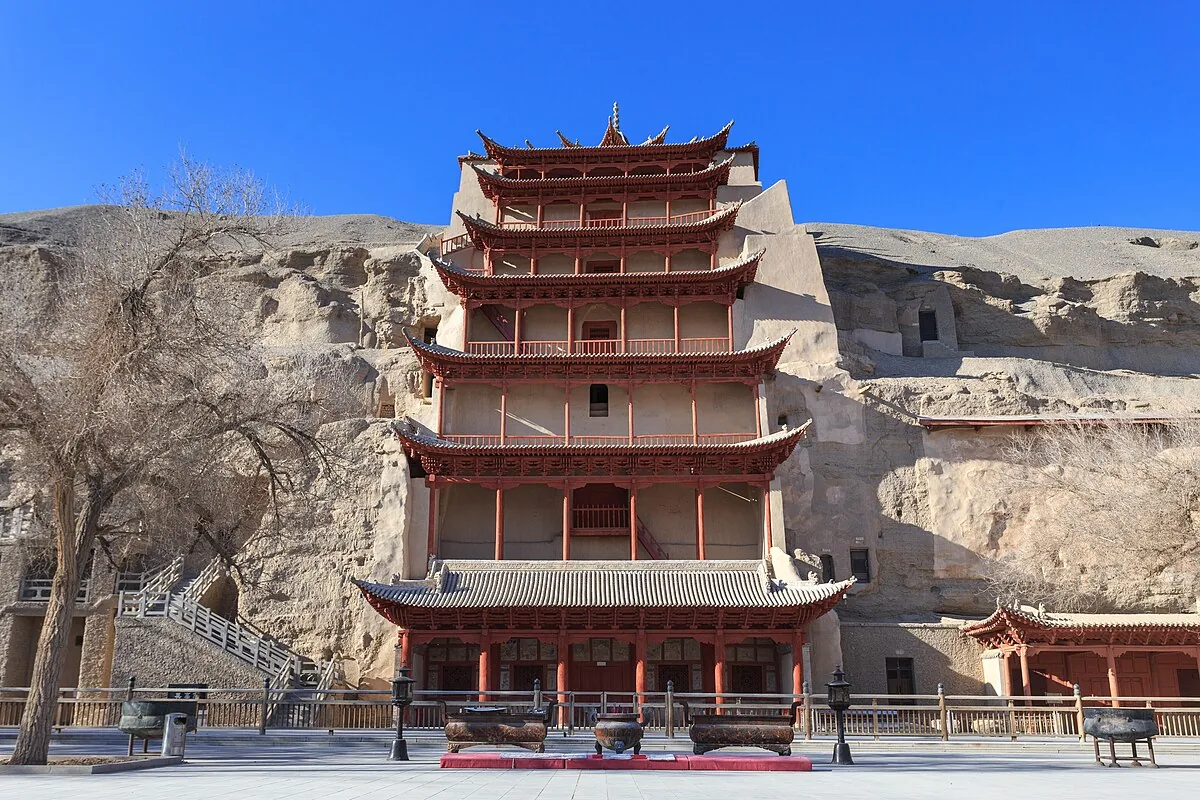
Mogao Caves
A labyrinth of 492 Buddhist grottoes carved into a sandstone cliff between the 4th and 14th centuries; housing 45;000 square metres of murals and 2;000 painted sculptures of the Silk Road era; enter Cave 96 at midday; the light through the nine-storey facade reveals the saturated mineral pigments of the Tang Dynasty; the dry desert air preserves the scent of ancient wood and sun-baked silt.
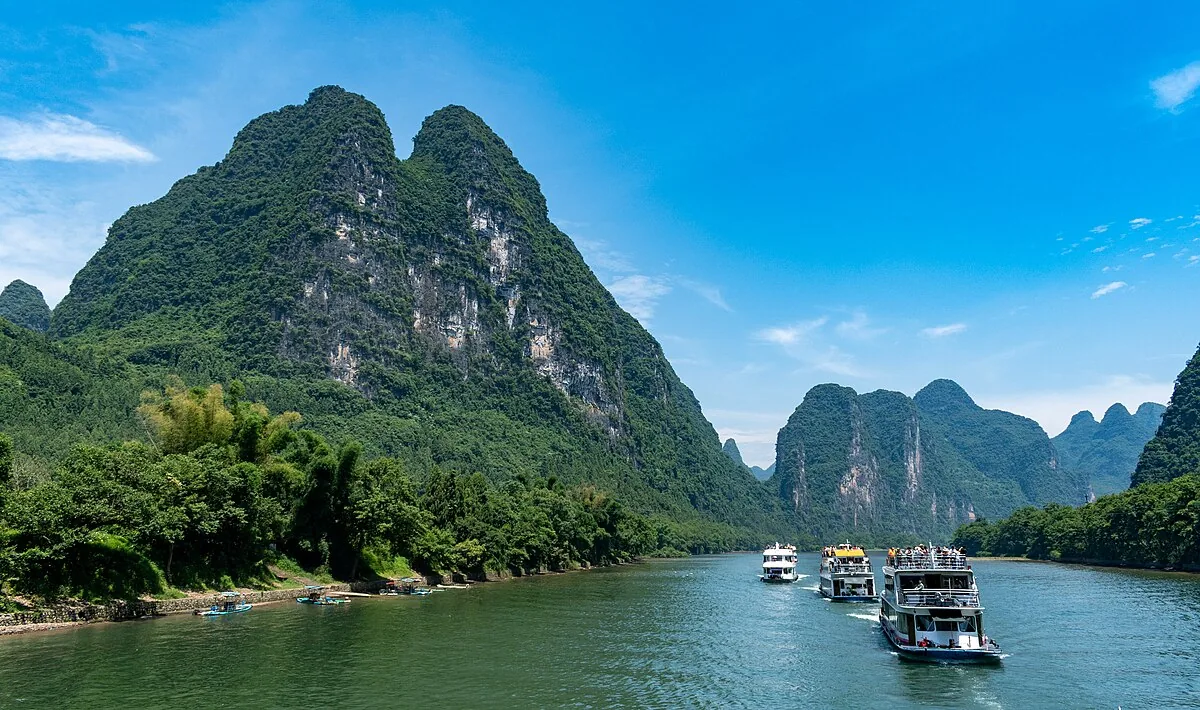
Li River
The 83-kilometre stretch of karst peaks between Guilin and Yangshuo defines the traditional Chinese landscape aesthetic; the limestone monoliths were formed over 200 million years of marine erosion; board a bamboo raft from Xingping at dawn; the river water turns the colour of brushed steel while the silhouetted peaks are reflected with absolute clarity; the only sound is the rhythmic dip of the pole.
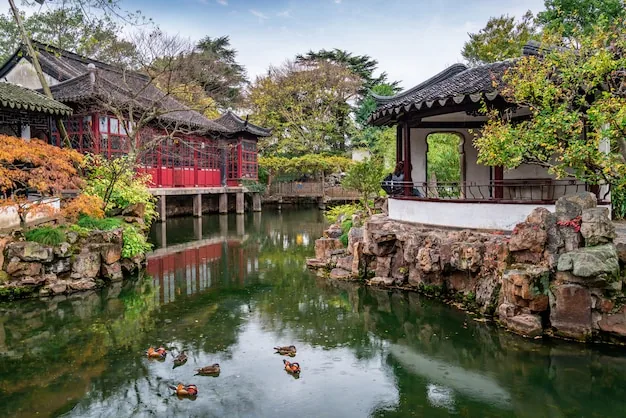
Humble Administrator's Garden
A 5.2-hectare masterpiece of Ming Dynasty landscape design featuring interconnected ponds; zigzag bridges; and intricate pavilions; the architecture prioritizes 'borrowed views' and geometric balance; visit the Hall of Distant Fragrance in mid-summer at 8 am; the scent of blooming lotuses is pervasive while the light through the latticed windows creates shifting; liquid patterns on the polished limestone floors.
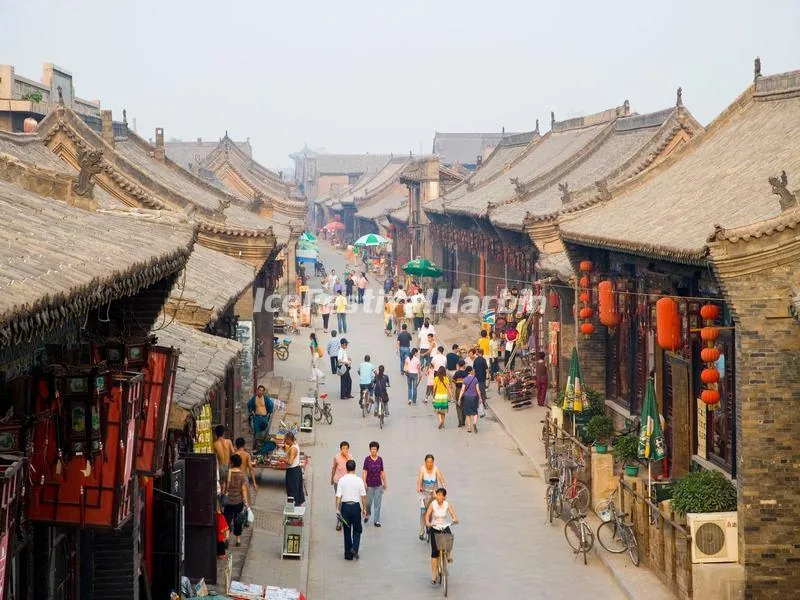
Ancient City of Pingyao
The most complete Han Chinese city from the Ming and Qing dynasties; enclosed by a 6-kilometre wall of rammed earth and brick; the district remains a functional hub of 19th-century courtyards and traditional banks; walk the North Gate ramparts at dusk; the red lanterns ignite along the narrow alleys; the smell of charcoal smoke and vinegar drifts from the kitchens while the stone streets feel heavy with age.
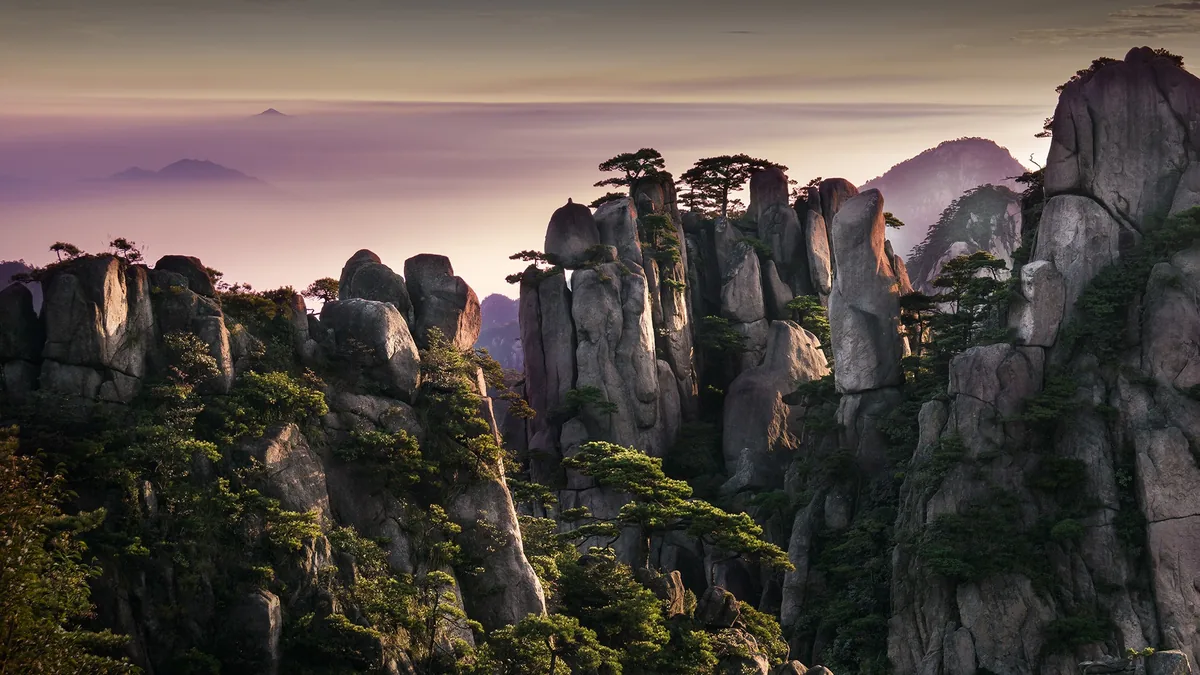
Yellow Mountain
Granite peaks rising to 1;864 metres; characterized by twisted Huangshan pines and a persistent sea of clouds that inspired centuries of Shanshui painting; the rock faces are etched with 1;000 years of inscriptions; stand at the Beginning-to-Believe Peak at sunrise; the granite turns a brilliant gold against the deep green foliage; the air is thin and carries the sharp; resinous scent of the high-altitude pines.
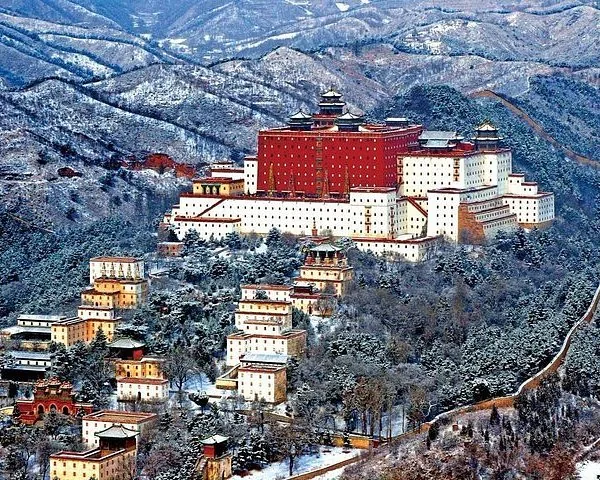
Mountain Resort and its Outlying Temples
An 18th-century Qing Dynasty summer retreat containing the world largest imperial garden and a series of Tibetan-style temples; the Puning Temple houses a 22-metre wooden Avalokitesvara; explore the palace area in late autumn; the yellow ginkgo leaves contrast with the grey stone walls while the light catches the hand-carved copper details; the atmosphere is one of vast; northern imperial solitude.
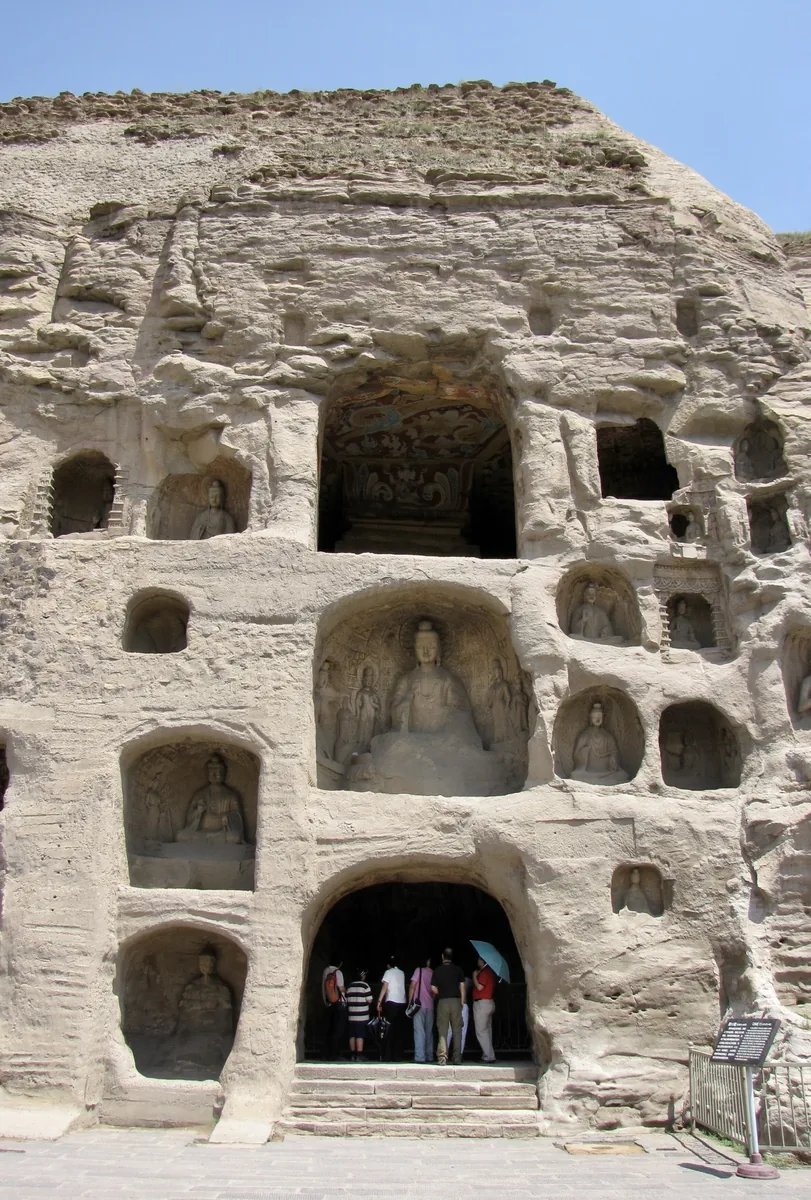
Yungang Grottoes
A 1-kilometre stretch of 252 caves carved into the Wuzhou Mountains between 460 and 494 AD; featuring 51;000 stone statues that represent the pinnacle of Northern Wei Buddhist art; enter Cave 5 at 10 am; the 17-metre seated Buddha is illuminated by high clerestory light; highlighting the intricate texture of the weathered sandstone and the remnants of vibrant blue and gold mineral paints.
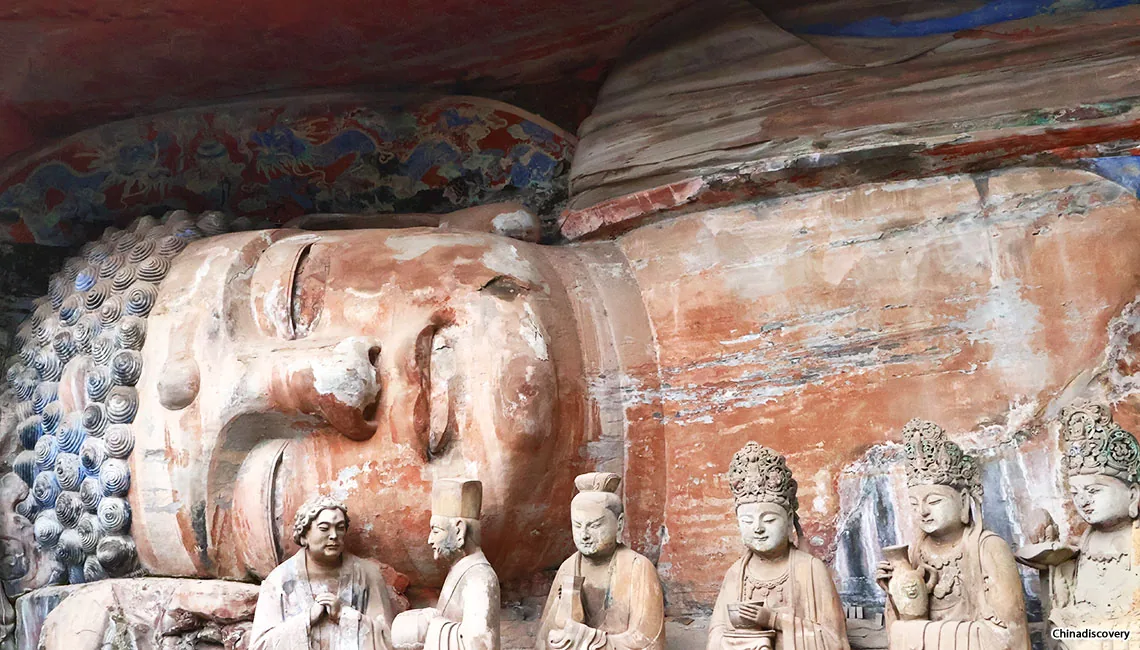
Dazu Rock Carvings
A series of steep cliffs containing 50;000 stone statues dating from the 7th century; depicting a unique fusion of Buddhist; Taoist; and Confucian philosophies; the 31-metre reclining Buddha at Baoding Mountain is a masterwork of naturalistic drainage engineering; visit the Thousand-Hand Kwan-yin at noon; the 800-year-old gold leaf glows with an intense; saturated luster against the damp; mossy rock walls.
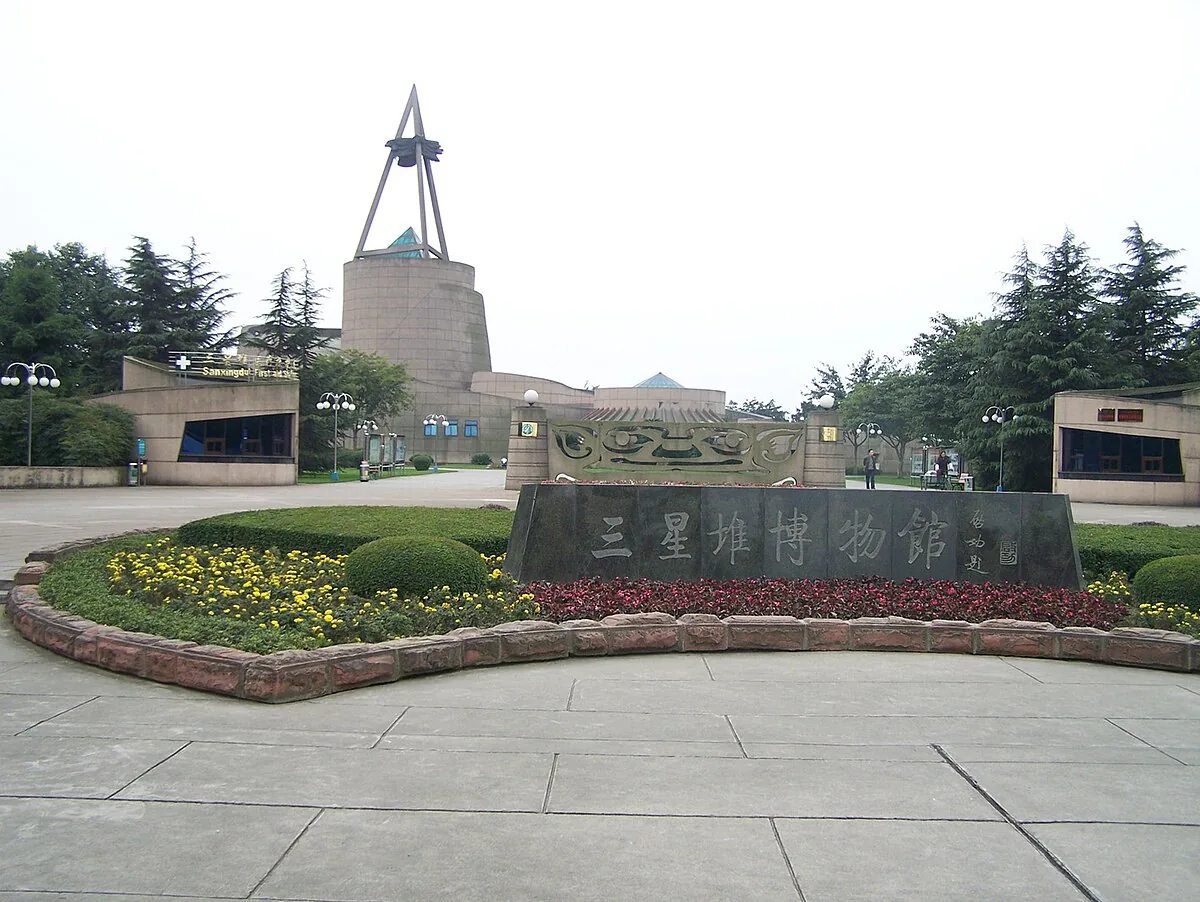
Sanxingdui Museum
A specialist repository housing the revolutionary archaeological finds from a Bronze Age civilization that disappeared 3;000 years ago; featuring 2.6-metre bronze figures and masks with protruding eyes and gold-foil coverings; the modernist gallery uses dramatic directional lighting; stand before the bronze Sacred Tree at midday; the clinical light highlights the precision of the ancient casting and the eerie; non-Han aesthetic of the artefacts.
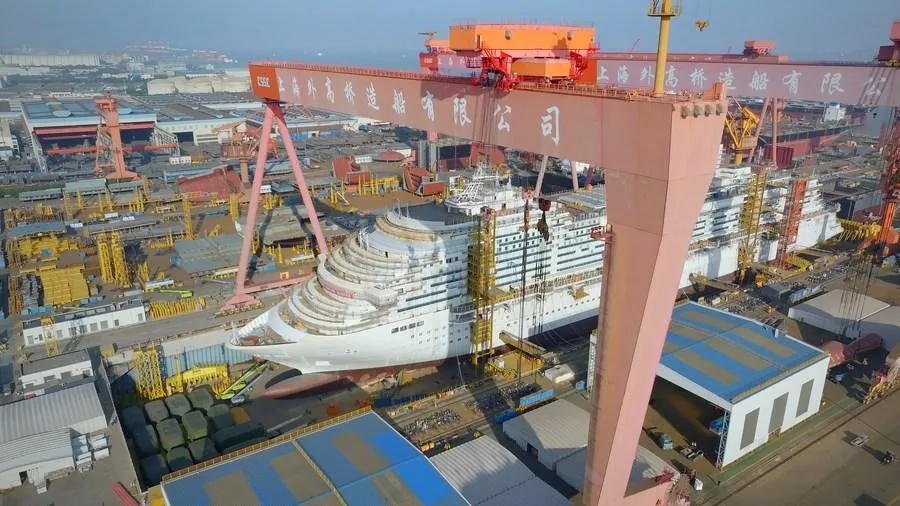
Tall Ship Shipyard
The last bastion of traditional fustian-sail and wooden-junk construction techniques dating back to the Song Dynasty; artisans still use hand-hammered iron nails and tung oil for waterproofing; visit the shipyard floor at 11 am; the deafening sound of saws and the pungent smell of resin and cedar is all-encompassing; watch as shipwrights align massive teak planks with a precision that predates modern naval architecture.
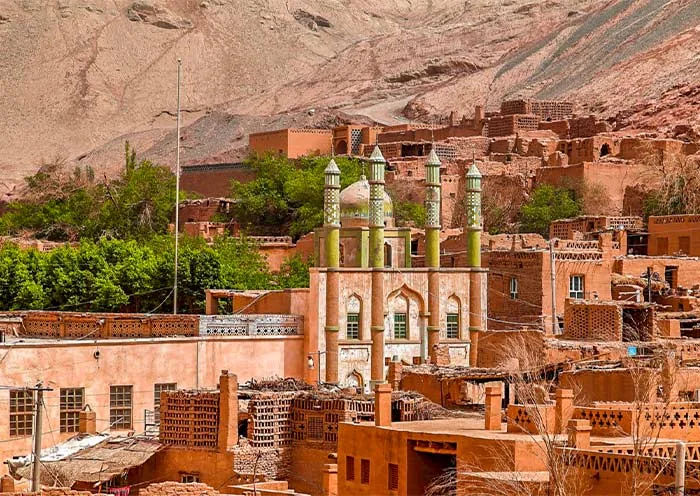
Old City of Kashgar
A 2;000-year-old Silk Road crossroads defined by Islamic mud-brick architecture; labyrinthine alleys; and the sprawling Sunday Bazaar; the district represents the soul of Uyghur culture; wander the copper-smiths street at 4 pm; the sound of hand-hammered metal is constant while the smell of roasting lamb and spices drifts from open courtyards; the setting sun turns the laterite-coloured walls a saturated; dusty crimson.
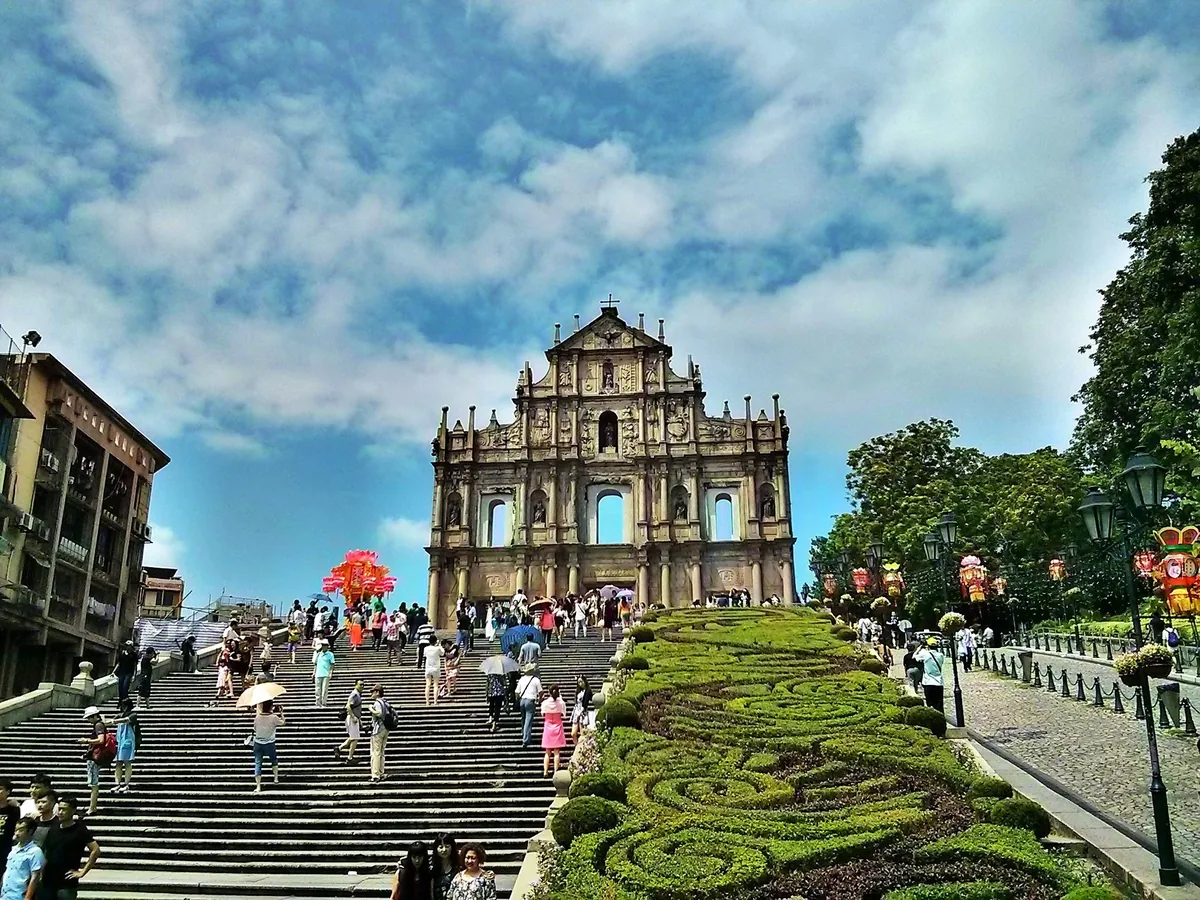
Senado Square
A wave-patterned mosaic plaza of Portuguese cobblestones surrounded by Neoclassical buildings from the 16th to 19th centuries; the ruins of St. Paul's College stand as a weathered stone facade against the skyline; walk the Largo do Senado at 7 am; the morning light catches the pastel-pink and yellow plasterwork of the colonial government buildings; the air is cool and smells of egg tarts and old stone.
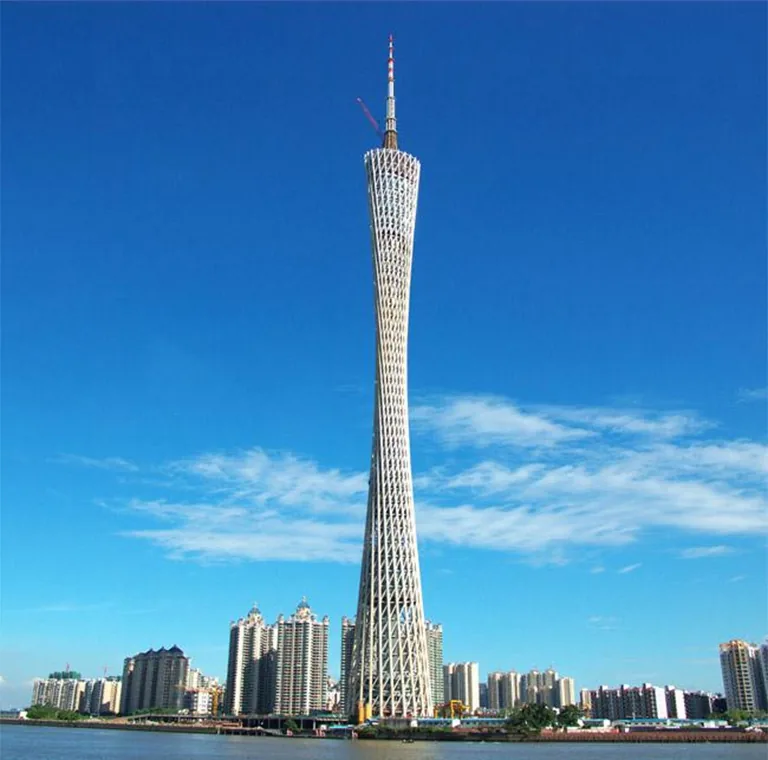
Canton Tower
A 600-metre hyperboloid structure with a twisting 'slim waist' designed by Mark Hemel; featuring the world highest horizontal ferris wheel at 450 metres; the steel lattice is illuminated by 6;000 LED lights; take the bubble tram at dusk; the Pearl River Delta becomes a sprawling grid of liquid gold and violet while the wind vibrates through the open steel frame; the scale makes the surrounding skyscrapers appear like miniatures.