“This town is so perfectly preserved that it is widely called the most beautiful colonial village in all of Colombia.”
About Barichara Old Town
Barichara was founded in 1705 and built from the warm local sandstone, developing as a colonial town in the Santander highlands. Remarkably, it retained its original architecture and streetscape almost untouched, leading to its protection as a national monument. The restored Camino Real, an old royal road of stone leading to nearby Guane, recalls the colonial-era network of paths through the region.
What Barichara Old Town actually is
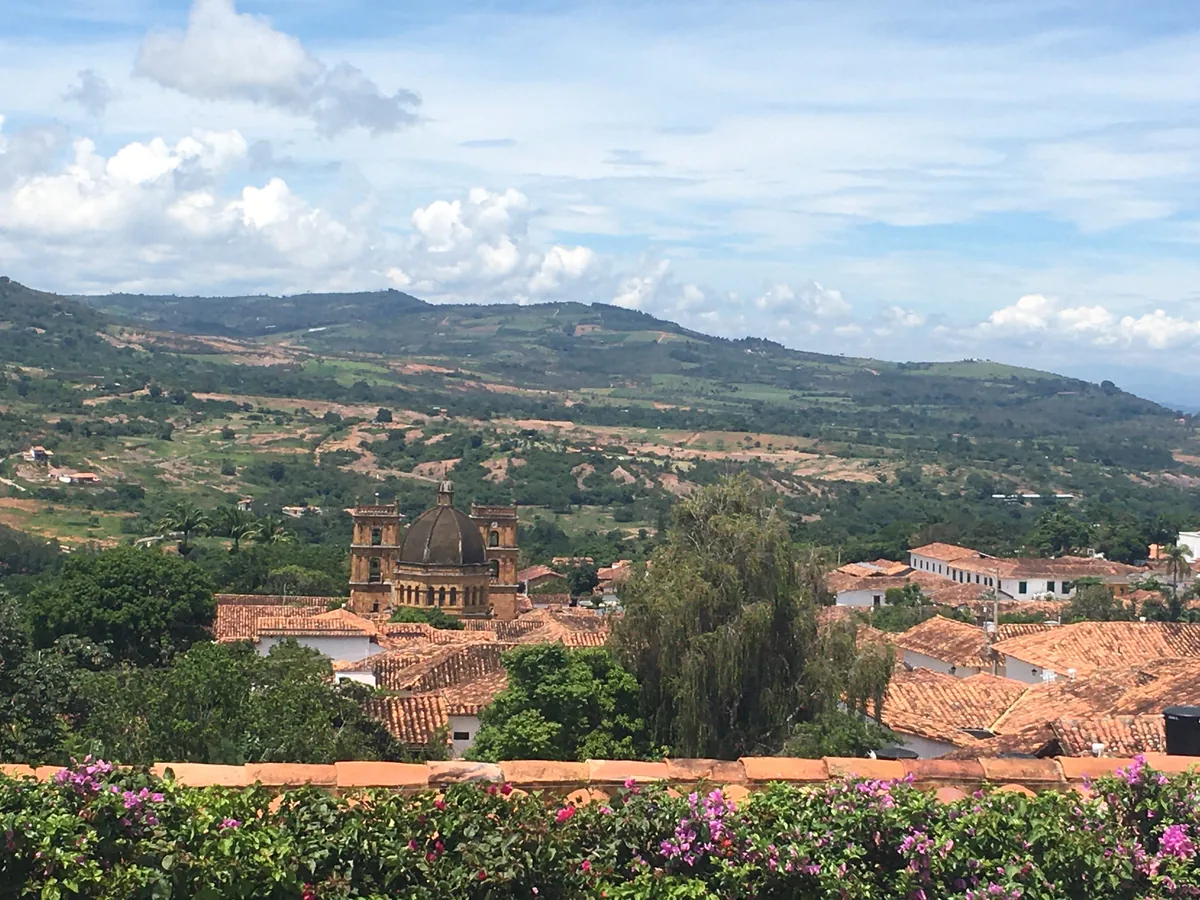
Barichara is widely considered the most beautiful and best-preserved colonial town in Colombia, a serene hillside village of whitewashed walls, ochre sandstone buildings and red-tiled roofs in the Santander region. Its perfectly maintained streets, paved with great stone slabs, and its tranquil, timeless atmosphere have made it a beloved heritage destination.
Its perfectly maintained streets, paved with great stone slabs, and its tranquil, timeless atmosphere have made it a beloved heritage destination.
Colombia's Prettiest Colonial Town
Founded in the 18th century, Barichara was built largely from the local golden sandstone, hand-carved into walls, churches and houses that glow in the sun. The town has preserved its colonial character almost entirely, with cobbled and flagstone streets, flower-filled patios and historic churches, earning recognition as a national monument. From Barichara, the old Camino Real, a restored colonial stone path, leads to the even older village of Guane.
The Experience
You wander quiet, sunlit streets of whitewashed and golden-stone houses with terracotta roofs, past colonial churches and shaded plazas, soaking up the peaceful, unspoilt atmosphere. The town is a centre for traditional crafts and fine dining, and the walk along the Camino Real to Guane offers scenic countryside. The harmony and serenity of Barichara make it a place to slow down and savour colonial Colombia.
Why It Matters
Barichara is regarded as the jewel of Colombia's colonial heritage, a near-perfectly preserved town that embodies the country's Spanish-era architecture and tranquil provincial life. As a national monument and a highlight of the Santander region, it offers an authentic and beautiful slip into the past.
Barichara is regarded as the jewel of Colombia's colonial heritage, a near-perfectly preserved town that embodies the country's Spanish-era architecture and tranquil provincial life.
Why Visit
Colombia's most beautiful colonial town, a serene hillside village of golden sandstone and whitewashed streets, with the scenic Camino Real walk to nearby Guane.
✦ Insider Tips
- 1
Wander the flagstone streets and golden-sandstone houses.
- 2
Walk the restored Camino Real path to the village of Guane.
- 3
It is widely called Colombia's prettiest colonial town.
- 4
Mornings and late afternoon give the best light.