At this jungle-backed cove you can sleep in a hammock in a thatched hut perched on a boulder above the Caribbean surf.
About Cabo San Juan del Guía
Cabo San Juan is the most famous beach in Tayrona National Park, established to protect the coastal ecosystems and the heritage of the indigenous peoples of the Sierra Nevada de Santa Marta. The area was sacred to the ancient Tayrona civilisation. Today the beach is reached on foot through the park's rainforest, with basic camping, hammocks and the landmark hilltop hut for overnight stays.
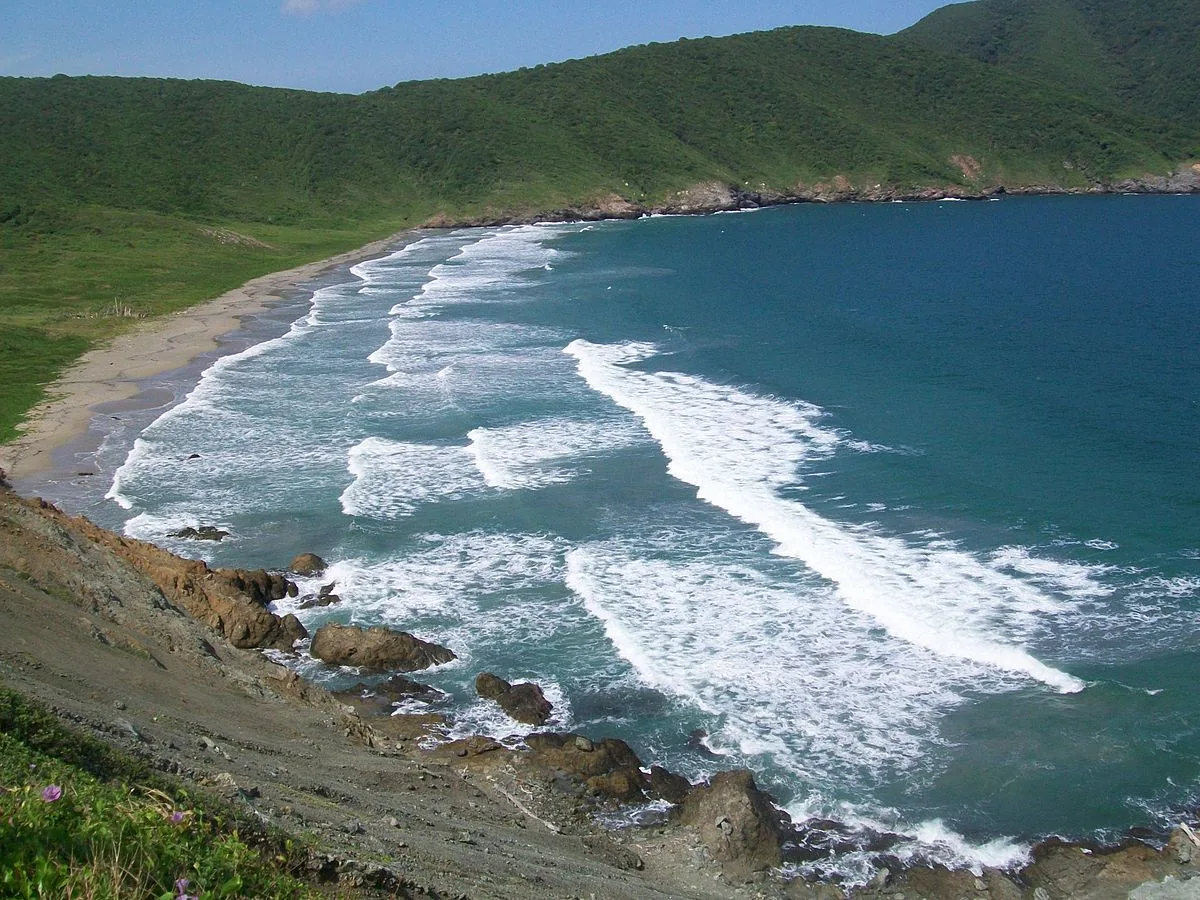
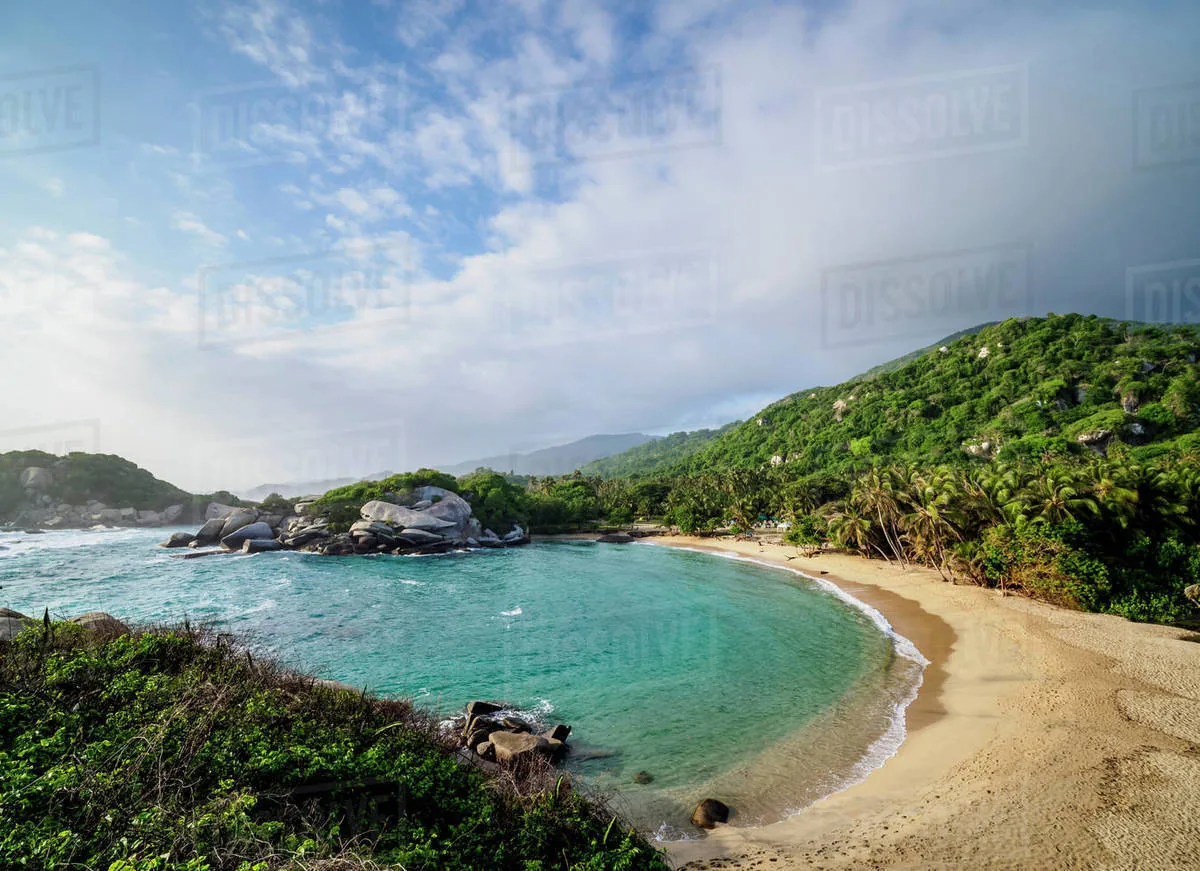
Cabo San Juan del Guia is the iconic beach of Tayrona National Park, on Colombia's Caribbean coast, a postcard cove where golden sand and turquoise water meet huge moss-covered boulders, all backed by dense jungle. Reached by a scenic hike through the rainforest, it is one of the most beautiful and celebrated beaches in the country.
Where Jungle Meets the Caribbean
Cabo San Juan lies within Tayrona National Park, a protected stretch of coast where the jungle-clad foothills of the Sierra Nevada de Santa Marta tumble down to the sea. The beach is defined by twin bays separated by a rocky outcrop topped with a famous thatched lookout hut, where hammocks offer a place to sleep overlooking the surf. Giant granite boulders, the white sand and the turquoise water set against the rainforest create a scene of striking natural beauty.
The Experience
You hike for an hour or two through humid jungle, past other beaches and indigenous heritage, to reach Cabo San Juan, where you can swim in the designated safe areas, relax on the sand among the great boulders, and sleep in a hammock in the thatched hut on the rock for an unforgettable night above the sea. The combination of effort, jungle and pristine Caribbean beach makes it deeply rewarding.
Why It Matters
Cabo San Juan and Tayrona National Park are among the most beautiful and important natural and cultural sites on Colombia's Caribbean coast, protecting pristine beaches, rainforest and the legacy of the Tayrona people. The cove is an emblem of the country's wild Caribbean and a bucket-list destination.
Why Visit
Colombia's most iconic Caribbean beach, a jungle-backed cove of golden sand and turquoise water with a famous hammock hut, in Tayrona National Park.
✦ Photo Gallery
Best Season
🌤 The drier seasons, around December to March and again in July and August, are best for the hike and the beach; the park closes for periods each year for ecological rest, so check ahead.
Quick Facts
Best time to visit
The drier seasons, around December to March and again in July and August, are best for the hike and the beach; the park closes for periods each year for ecological rest, so check ahead.
Getting there
In Tayrona, Colombia; reach Tayrona first, then continue to the site.
Location
Tayrona, Colombia
Type
attraction
Insider Tips
- 1
Sleep in a hammock in the famous hilltop hut for a night.
- 2
Swim only in the designated safe areas; currents can be strong.
- 3
Check park closure dates, as Tayrona closes periodically.