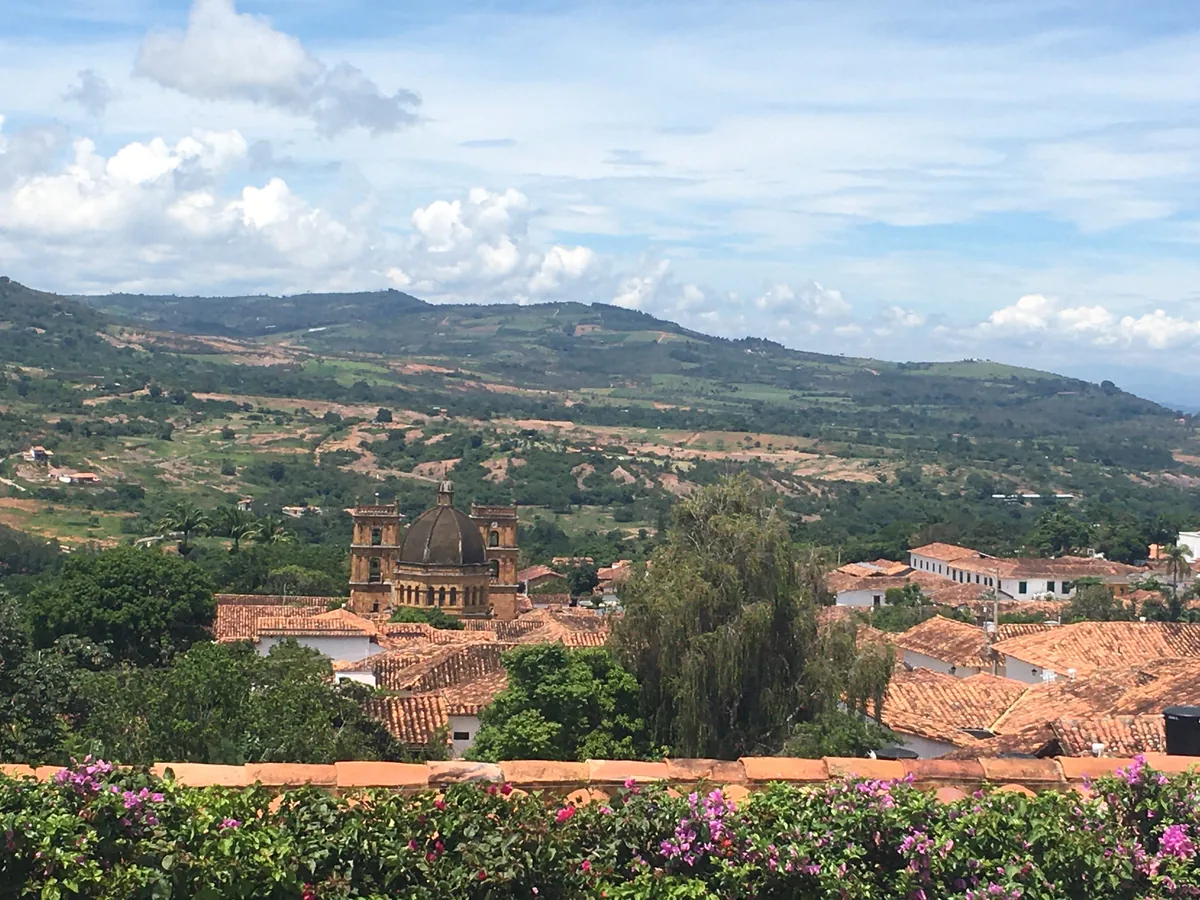
This colonial square is so vast and empty that crossing its giant cobblestones at night, the silence is profound.
About Plaza Mayor
Villa de Leyva was founded in 1572 and laid out around its enormous central plaza, which remained the heart of the town through the colonial centuries. Spared modern development, the town and its square were declared a national monument, preserving the streetscape almost intact. The plaza's great size and austere beauty have made it a favourite location for films and a symbol of colonial Colombia.
The Plaza Mayor of Villa de Leyva is one of the largest cobbled squares in the Americas, a vast open expanse paved with oversized stones and ringed by whitewashed colonial buildings in a beautifully preserved town northeast of Bogota. Its sheer scale, simplicity and colonial harmony make it one of the most striking town squares in Colombia.
“Its sheer scale, simplicity and colonial harmony make it one of the most striking town squares in Colombia.”
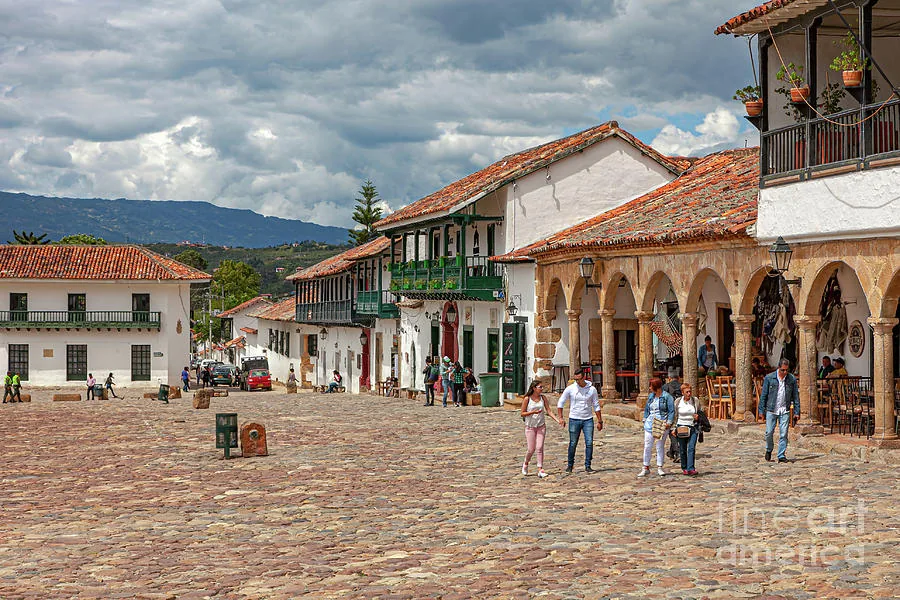
Plaza Mayor, Colombia
A Vast Square of Stone and Silence
Covering some 14,000 square metres, the Plaza Mayor is unusually huge for a small colonial town, its great expanse paved with rough, oversized cobblestones and unbroken by gardens or monuments, save a simple Mudejar-style fountain. A modest whitewashed parish church anchors one side. Set in a high, dry valley, Villa de Leyva and its square have been preserved as a national monument, retaining a serene, almost cinematic colonial atmosphere.
The Experience
You step onto the immense cobbled square, its scale immediately striking, framed by low whitewashed colonial buildings and the simple church, with the dry hills beyond. The vast, uncluttered space is unlike any other plaza, especially atmospheric early or late when it is quiet. The surrounding town of cobbled streets, colonial houses and nearby fossil and desert sites makes Villa de Leyva a rewarding destination.
Why It Matters
The Plaza Mayor is the centrepiece of Villa de Leyva, one of the best-preserved colonial towns in Colombia and a national monument. Its extraordinary scale and harmony make it an icon of the country's Spanish colonial heritage and a beloved, atmospheric destination.
Why Visit
One of the largest colonial cobbled squares in the Americas, a vast and serene plaza in the beautifully preserved town of Villa de Leyva near Bogota.
Insider Tips
- 1
Cross the vast cobbled square, one of the Americas' largest.
- 2
Visit early or late, when the plaza is quiet and atmospheric.
- 3
Explore the colonial streets and nearby fossil sites.