“While the rest of Colombia marched toward the future, the river that gave this town its life simply walked away, leaving behind a ghost of the Spanish Empire in white limestone.”
About Santa Cruz de Mompox
Mompox served as the third most important city in the colonial Kingdom of New Granada, acting as a secure vault for the treasures of the empire. Its decline began in the mid-1800s when the Magdalena River’s main channel migrated elsewhere, rendering the local port useless for large steamboats. This economic stagnation acted as an accidental preservative, shielding the town's three main parallel streets and six colonial churches from the industrial development seen elsewhere. By the time UNESCO declared it a World Heritage site in 1995, the town had spent nearly a hundred years forgotten by the outside world, maintaining an architectural purity that is now almost impossible to find in South America.
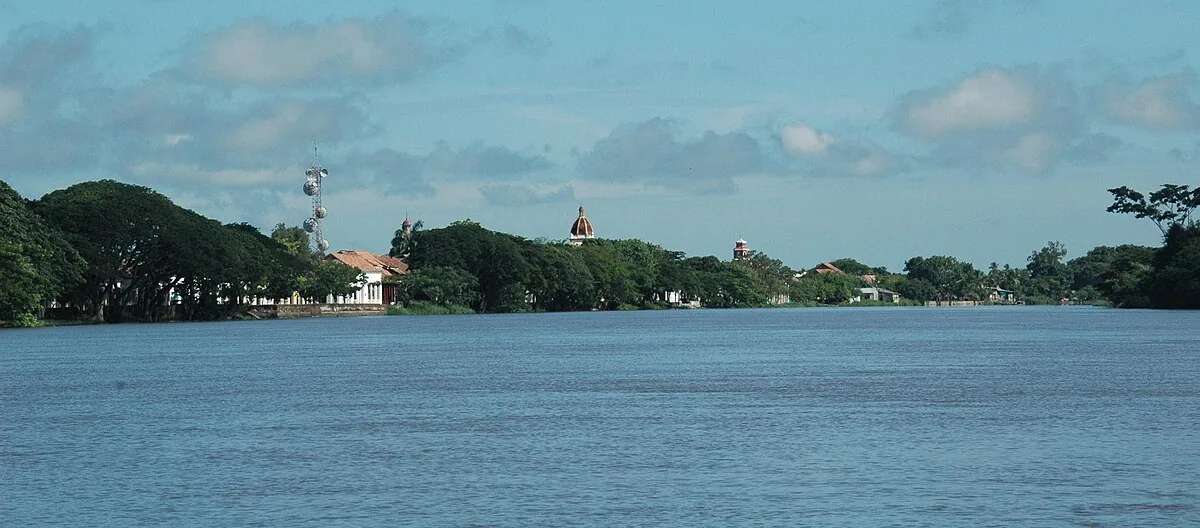
Deep within the swampy embrace of the Magdalena
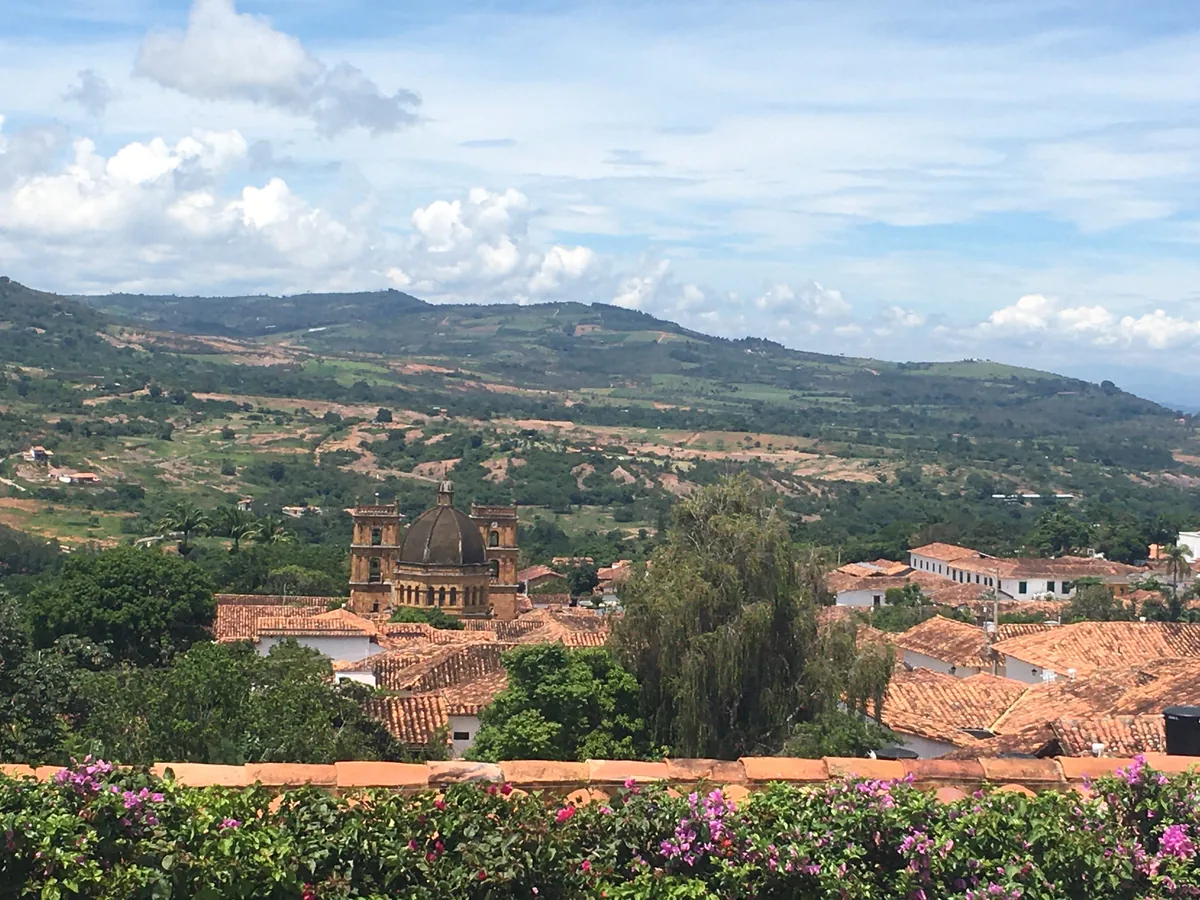
Deep within the swampy embrace of the Magdalena River valley lies a town where the clocks seemingly stopped when the river current shifted a century ago. Santa Cruz de Mompox exists in a state of limestone-white suspended animation, far removed from the frantic energy of Bogota or the cruise ship crowds of Cartagena. Its architecture is a perfectly preserved relic of Spanish colonial ambition, defined by long rows of houses with intricate wrought-iron window grilles and massive wooden doors. The heat here is thick and omnipresent, forcing a rhythm of life that prioritizes the shade of a rocking chair over the haste of the modern world. Life centers on the riverfront Albarrada, a stone walkway where the slow-moving water reflects the ochre and white facades of churches that have stood since the 16th century.
Deep within the swampy embrace of the Magdalena River valley lies a town where the clocks seemingly stopped when the river current shifted a century ago.
Founded, 1537
Founded in 1537 by Juan de Santa Cruz, Mompox became a vital safe draw for the gold and silver of the Spanish Crown, as its inland location protected it from the pirate raids that plagued the coast. The town grew wealthy on trade and artisan craftsmanship, particularly in the delicate art of silver filigree. This isolation eventually turned into a political catalyst; in 1810, Mompox was the first town in the Viceroyalty of New Granada to declare absolute independence from Spain. Simon Bolivar famously recruited hundreds of soldiers here, later stating that while he owed his life to Caracas, he owed his glory to Mompox. However, as the 19th century progressed, the Magdalena River began to silt up, and the main shipping lanes diverted to the Loba branch. The town was left behind by progress, which paradoxically preserved its colonial soul from the wrecking balls of modernization.
Walking the streets at dawn,
Walking the streets at dawn, The smell of woodsmoke and the damp, earthy scent of the river rising to meet the cooling morning air. Nearby, a bicycle bell or the rhythmic clinking of a goldsmith’s hammer in a back alleyway are often the only breaks in the heavy silence. There is a feeling of rough texture of the whitewashed walls, layered with centuries of lime, and the heat radiating off the cobblestones by mid-morning. What stands out is the way the residents move their rocking chairs onto the sidewalks as the sun sets, creating a communal living room that spans entire blocks. What most skip is the intricate cemetery, where the tombs are stacked like white marble cabinets and cats sun themselves on the graves of forgotten generals. The element that stays with you is sitting by the river at dusk, watching the massive iguanas scuttle across the rooftops while the bells of Santa Barbara ring out across the water.
Reaching Mompox still feels like
Reaching Mompox still feels like a minor expedition, which helps maintain its quiet character. Travelers typically take a bus or private car from Cartagena or Santa Marta to the town of Magangué, followed by a ferry crossing across the Magdalena River. Alternatively, small regional flights occasionally operate into the local airstrip from Medellin or Bogota, though these are subject to the whims of weather and demand. Most people find that the long overland walk through the sun-baked plains of Bolivar is a necessary rite of passage to appreciate the town’s deep-seated isolation.
Reaching Mompox still feels like a minor expedition, which helps maintain its quiet character.
The Experience
Pay attention to the light filters through the filigree window grilles, casting ornate geometric shadows across the cool tile floors of the interior courtyards. Audible: the river current is a low, constant murmur that seems to slow down your own heartbeat. There is a weight of the humidity in the afternoon, a physical presence that explains why the town remains a desert of activity between noon and four o'clock. Most visitors miss the small workshops where artisans still pull thin strands of silver through primitive dies to create jewelry that looks like frozen lace. What stays with you is the sight of the Santa Barbara church tower, with its unusual Moorish balcony, glowing against a thunderous tropical sky.
Why It Matters
Mompox is the most complete and authentic Spanish colonial town in the Americas. Beyond its architecture, it represents the birthplace of Colombian independence and the spiritual home of the silver filigree tradition. It is a living example of a riverine society that adapted to the loss of its primary industry by embracing the stillness of its own history.
Why Visit
Visit Mompox because it is the only place left where the 'Macondo' of Gabriel Garcia Marquez feels like a tangible reality rather than a literary metaphor. If Cartagena is a polished museum for the masses, Mompox is the raw, dusty, and honest heart of the Caribbean interior. It offers a level of peace and historical immersion that requires effort to reach, making the reward of its quiet plazas feel earned.
✦ Insider Tips
- 1
Ask a local to point out the 'Casa de los Apóstoles' to see some of the most impressive colonial ceiling paintings hidden behind a modest facade.
- 2
The silver filigree is significantly cheaper here than in the big cities, but ensure you buy directly from a workshop where you can see the artisan at their bench.
- 3
Rent a boat for a sunset tour of the Pijiño Marsh to see an explosion of birdlife and caimans that live just minutes from the town center.
- 4
The heat is legitimately punishing; plan to do all your walking before 10:00 AM or after 5:00 PM, and spend the midday hours in a hammock.
- 5
Try the 'queso de capa,' a local layered string cheese sold by street vendors that is a salty, creamy staple of the Mompox diet.