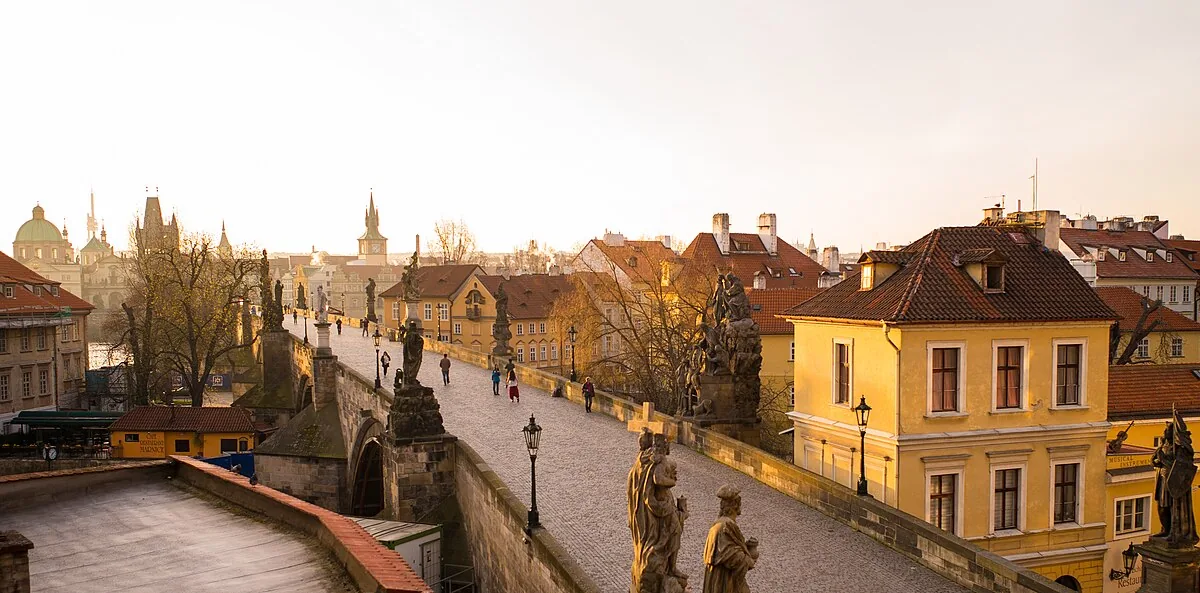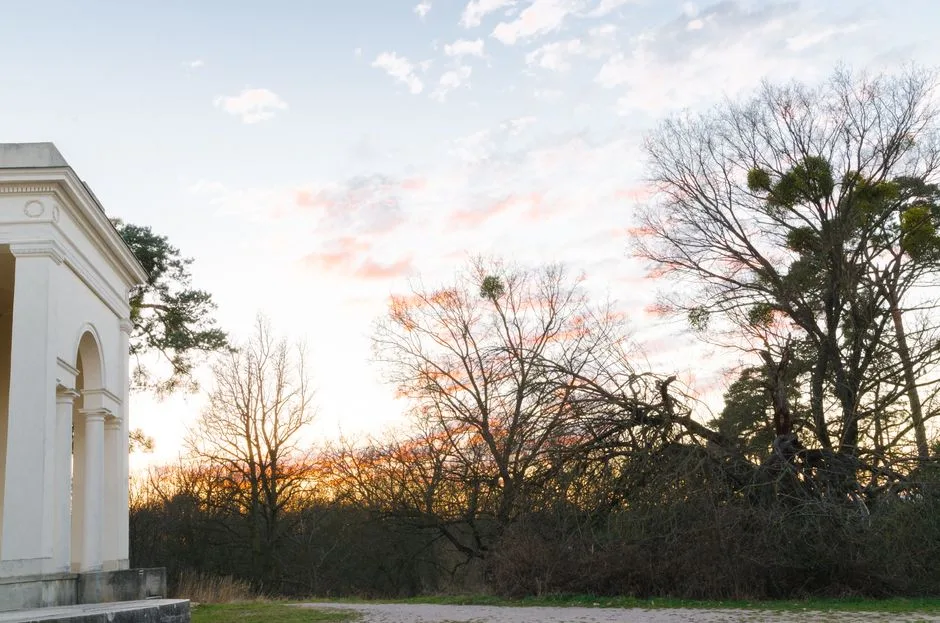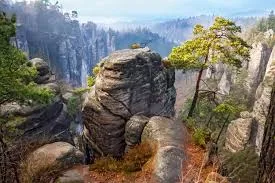
Romantic writers named it Bohemian Paradise in the early nineteenth century after finding the combination of eroded sandstone towers, ruined medieval castles, and forest exactly suited their aesthetic needs. The formations had been eroding for 90 million years before anyone noticed.
About Bohemian Paradise
Czech Republic's oldest protected landscape, established 1955. The sandstone formations developed over 90 million years of erosion. Medieval castles, Trosky, Valdštejn, Kost, were built on naturally fortified sandstone towers in the 13th and 14th centuries. The Romantic-era name was coined in the early 19th century.
Bohemian Paradise in short
Bohemian Paradise, Český ráj, is the Czech Republic's oldest protected landscape area, established in 1955, covering a region of eroded sandstone formations, medieval castle ruins, ponds, and deciduous forest in the Liberec and Jičín regions northeast of Prague. The sandstone rock towns, clusters of towers and pillars carved by water erosion over millions of years, are the landscape's defining feature, and the Prachovské skály and Hruboskalsko formations are among the most extensive sandstone tower systems in Central Europe.
The name Český ráj, Bohemian
Paradise, was coined in the early nineteenth century by Romantic-era writers and travelers who found the combination of forest, rock formations, and ruined medieval castles an ideal landscape for the era's aesthetic preoccupations. The sandstone formations had been forming for 90 million years; the castles perched on their natural rock towers, Trosky, Valdštejn, Kost, were built in the thirteenth and fourteenth centuries by Bohemian nobility who recognized the defensive value of the terrain. The Trosky Castle ruins, on twin basalt plugs rising from the landscape, are the most photographed landmark in the region and appear in Bohemian mythology as the seat of two sisters, one good, one evil, who cannot be together.
The landscape is navigated on a network of marked hiking trails connecting rock formations, ponds, and castle sites. The Hruboskalsko rock town is the largest continuous sandstone formation and the best destination for rock walking. Trosky Castle requires a short climb to the tower stumps for a view across the whole landscape. The ponds, glacial features now used for fishing and swimming, are a feature of the lower valleys. Autumn turns the forest surrounding the formations golden, which changes the experience considerably.
Jičín is the gateway town, 90 kilometers northeast of Prague. Buses run from Prague's Černý Most metro station (2 hours). Local buses and marked trail networks connect the main sites from Jičín.
The Experience
A marked hiking network through sandstone tower formations, forest, medieval castle ruins, and fishing ponds, the Hruboskalsko formation for the most extensive rock walking, Trosky Castle for the landscape overview.
Why It Matters
Bohemian Paradise is the landscape that defined Central European Romantic nature tourism and remains the most biodiverse and geologically distinctive protected area in Bohemia, a combination of natural formation and medieval human occupation that justifies the name its admirers gave it.
Why Visit
The sandstone tower landscapes of Bohemian Paradise are accessible, well-marked, and geologically spectacular in a way that mountain landscapes are not, human-scale formations you walk among rather than look at from below.
✦ Photo Gallery
Best Season
🌤 May–June for green forest; October for autumn color around the sandstone formations. Winter is quiet and the frost on the rock towers is atmospheric.
Quick Facts
Best time to visit
May–June for green forest; October for autumn color around the sandstone formations. Winter is quiet and the frost on the rock towers is atmospheric.
Getting there
In Hrubá Skála, Czechia; reach Hrubá Skála first, then continue to the site.
What's nearby
Sedlec Ossuary, Terezín Small Fortress and Old Town Square are also in the area.
Location
Hrubá Skála, Czechia
Type
attraction
Coordinates
50.5197°, 15.1706°
Insider Tips
- 1
Base in Jičín and take local buses to the different rock formation areas, trying to drive between them adds unnecessary complexity.
- 2
Trosky Castle can be climbed to the tower tops on a clear day for the best landscape overview.
- 3
The Hruboskalsko rock town requires at least 3 hours of walking to cover the main formations.