“Tatra made its first automobile in 1897, the second in continental Europe. Ferdinand Porsche borrowed its engineering logic for the Volkswagen Beetle and later paid reparations for it. The factory in Kopřivnice still makes trucks.”
About Tatra Technical Museum
Tatra began as Nesselsdorfer Wagenfabrik in 1850, producing the first Czech automobile in 1897. Hans Ledwinka's central spine chassis design of the 1920s defined the company's engineering identity. Volkswagen settled a post-WWII lawsuit over Beetle design similarities by paying Tatra reparations.
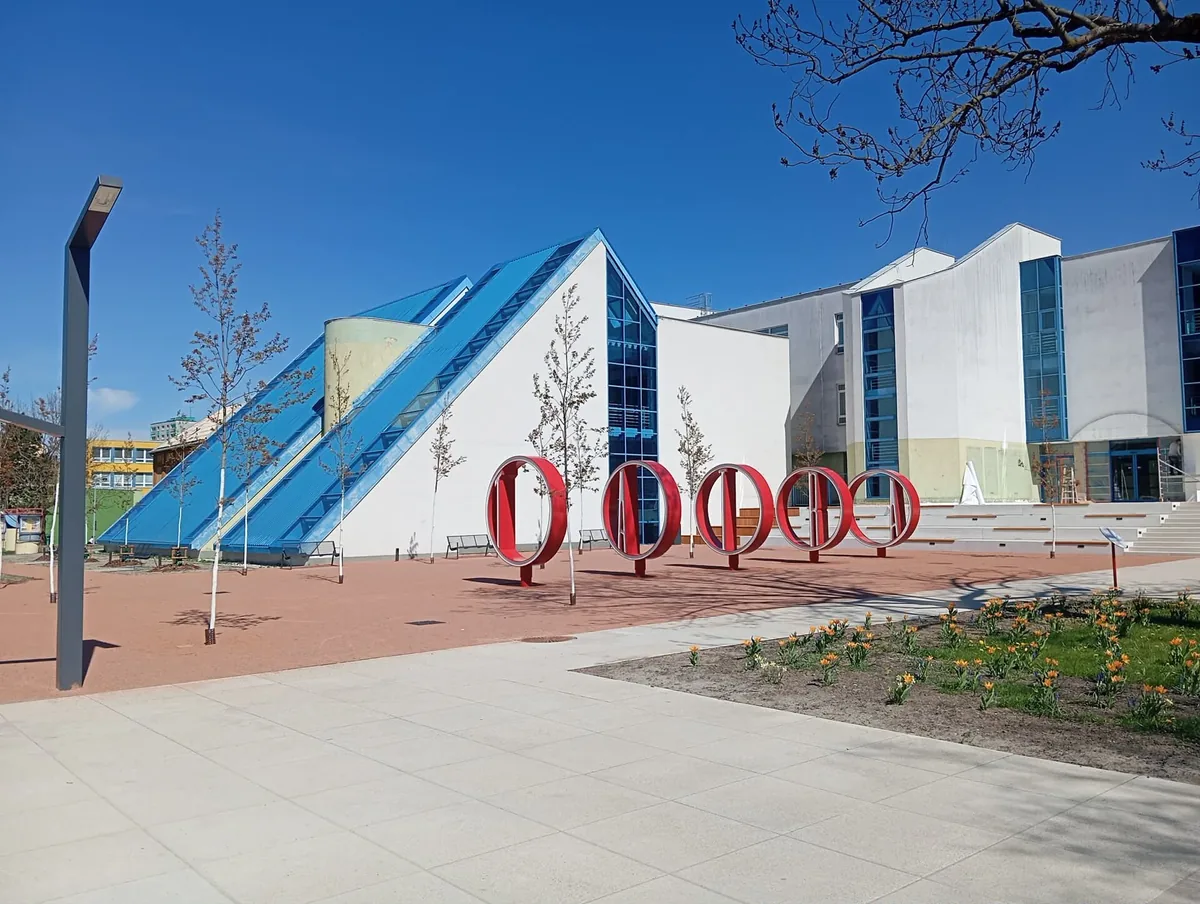
The Tatra Technical Museum in Kopřivnice, North Moravia , documents the history of Tatra, one of the oldest vehicle manufacturers in the world, producing vehicles in Kopřivnice since 1850. The museum spans the company's full production history: horse-drawn carriages, the first Czech automobile (1897), aviation engines, railway carriages, racing cars, and the air-cooled rear-engine trucks that became synonymous with the brand and were used in the Dakar Rally and by Soviet military logistics for decades. The Kopřivnice factory still produces Tatra heavy trucks.
The Tatra Technical Museum in Kopřivnice, North Moravia , documents the history of Tatra, one of the oldest vehicle manufacturers in the world, producing vehicles in Kopřivnice since 1850.
in Austrian Silesia), 1850
The Nesselsdorfer Wagenfabrik, later renamed Tatra, began making horse-drawn carriages in Kopřivnice (then Nesselsdorf in Austrian Silesia) in 1850. In 1897, the company produced the Präsident, the first automobile manufactured in what is now the Czech Republic and the second in continental Europe after Benz. The engineering philosophy that defined Tatra through the twentieth century, a central spine chassis with independently suspended air-cooled rear engine, was developed by Hans Ledwinka in the 1920s and produced vehicles of extraordinary off-road capability. Ferdinand Porsche's early Volkswagen Beetle design borrowed heavily from Ledwinka's Tatra concepts; a lawsuit after World War II was settled by Volkswagen paying reparations to Tatra. The T87 limousine of 1937 is aerodynamically more sophisticated than most cars produced a decade later.
Visiting Tatra Technical Museum
The museum covers six floors of exhibits spanning 170 years of vehicle production. The 1897 Präsident, the T87 limousine, the racing cars, and the Dakar Rally trucks are the highlights. The engineering displays explain the central spine chassis concept that made Tatra vehicles technically distinctive. The adjacent Štramberk limestone karst village, one of the most striking in Moravia, makes the journey from elsewhere in the Czech Republic worthwhile as a combined destination.
Kopřivnice is 260 kilometers east of Prague, accessible by train via Ostrava (total 4 hours) or by direct bus from Ostrava (45 minutes). Ostrava airport serves the region.
Kopřivnice is 260 kilometers east of Prague, accessible by train via Ostrava (total 4 hours) or by direct bus from Ostrava (45 minutes).
The Experience
Six floors of vehicle exhibits from the 1897 Präsident to Dakar Rally trucks, the T87 limousine, racing cars, and engineering displays explaining the central spine chassis that made Tatra technically unlike any contemporary manufacturer.
Why It Matters
Tatra is one of the world's oldest continuous vehicle manufacturers and its engineering solutions, particularly the central spine chassis and air-cooled rear engine, influenced automotive design internationally while remaining associated almost exclusively with Czech production.
Why Visit
The T87 limousine alone is worth a significant detour, a 1937 car more aerodynamically sophisticated than most vehicles made in the 1950s. The full museum history, from carriages to Dakar trucks, is the story of Central European industrial ingenuity across 170 years.
✦ Insider Tips
- 1
Take time with the T87 limousine, read the aerodynamic details before looking at the car.
- 2
The engineering displays on the central spine chassis are the key to understanding why Tatra vehicles are different; they're on the lower floors.
- 3
Combine with a visit to Štramberk village 4 kilometers away, the limestone rock tower and vernacular architecture make a full day of the journey.