“This is a Muslim fortress built by one of Saladin's commanders to check the Crusaders, not the Crusader castle most visitors assume.”
About Ajloun Castle (Qal'at ar-Rabad)
Ajloun Castle was built around 1184 by Izz al-Din Usama, a commander of Saladin, on a commanding hilltop to control the routes between Damascus and the south, protect the local iron mines, and counter the Crusaders to the west. Expanded over time, it withstood the turbulence of the era and later resisted the Mongols. Earthquakes damaged it, but much of the fortress survives and has been restored.
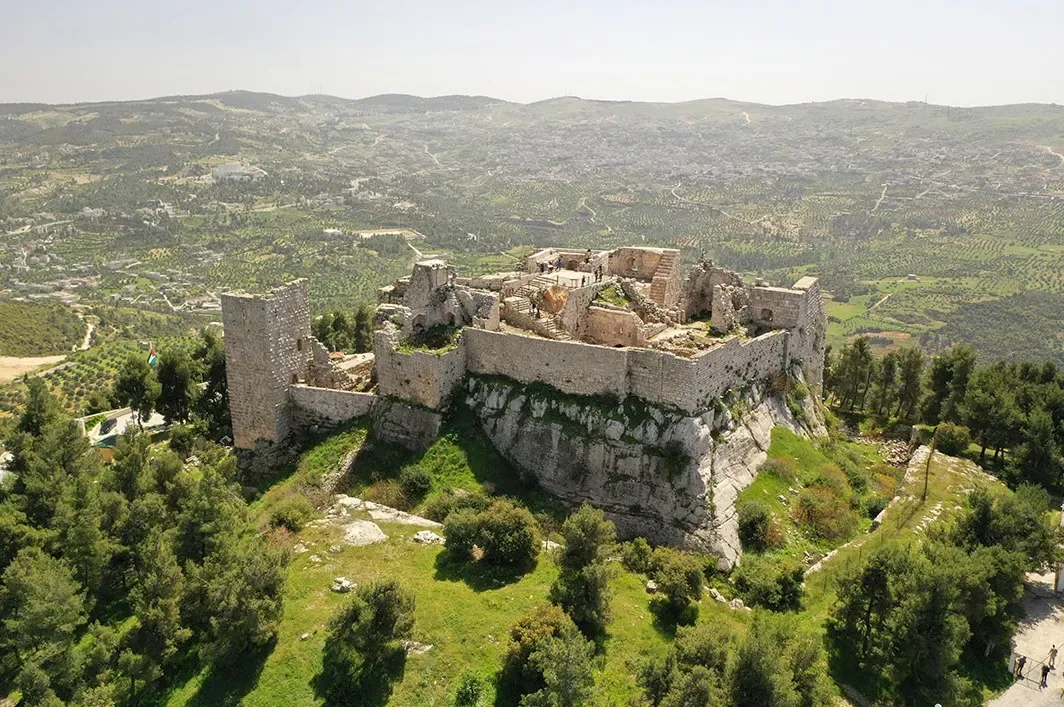
In brief
Ajloun Castle, known in Arabic as Qal'at ar-Rabad, is a hilltop Muslim fortress in the green hills of northern Jordan, built in the 12th century to help counter the Crusaders. Commanding sweeping views over the olive-clad Jordan Valley and the surrounding countryside, it is one of the best examples of medieval Islamic military architecture in the region.
Ajloun Castle, known in Arabic as Qal'at ar-Rabad, is a hilltop Muslim fortress in the green hills of northern Jordan, built in the 12th century to help counter the Crusaders.
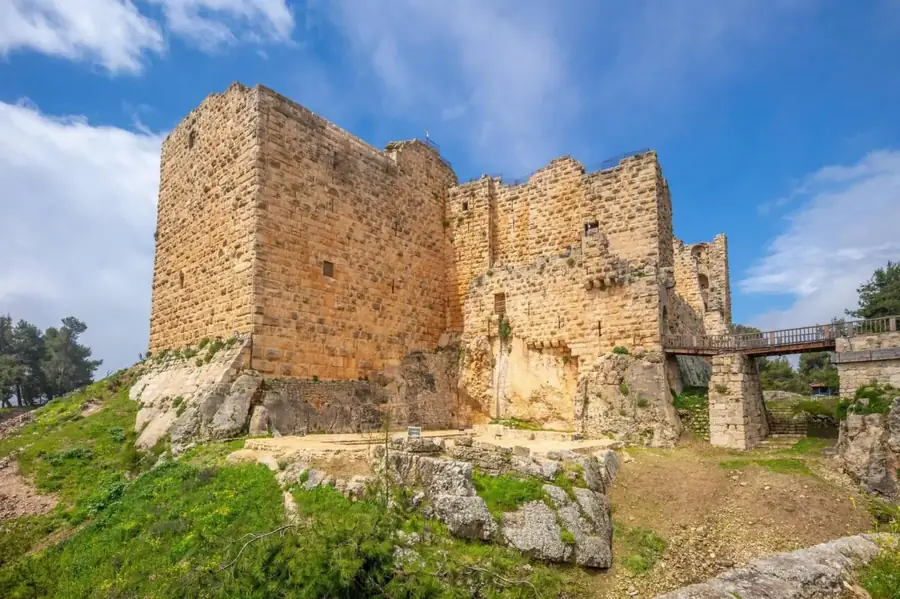
A Muslim Castle, Not a Crusader One
Unlike many famous Levantine castles, Ajloun was built by Muslims, not Crusaders. It was constructed around 1184 by a commander of Saladin, the great sultan who fought the Crusader states, to control the region, protect communication and trade routes, and guard the iron mines, while helping to check Crusader expansion from the west. Its towers, vaulted halls and dark passages dominate a strategic hilltop, and it later guarded against the Mongols too.
The Experience
Exploring, you find a genuine medieval castle of towers, drawbridge, vaulted chambers and shadowy corridors, climbing to the ramparts for a panorama over the rolling, olive-rich hills of northern Jordan. A small museum displays finds from the site. The sense of medieval military life, the atmospheric interior and the green highland views make Ajloun a rewarding and less-crowded stop.
Why It Matters
Ajloun Castle is one of the finest surviving examples of Ayyubid Islamic military architecture and an important reminder that the Crusades were a two-sided struggle. Built to oppose the Crusader states, it represents the Muslim side of that history and anchors a visit to Jordan's verdant, less-touristed north.
Ajloun Castle is one of the finest surviving examples of Ayyubid Islamic military architecture and an important reminder that the Crusades were a two-sided struggle.
Why Visit
A well-preserved 12th-century Muslim fortress built to counter the Crusaders, with atmospheric medieval interiors and sweeping views over northern Jordan's hills.
✦ Insider Tips
- 1
Remember it is a Muslim castle, built to oppose the Crusaders.
- 2
Climb to the ramparts for views over the olive-clad hills.
- 3
Explore the dark vaulted passages and towers inside.