“This peaceful valley has been continuously inhabited for around 6,000 years, through Bronze Age, Greek, Roman, Byzantine and Islamic times.”
About Ancient Pella (Tabaqat Fahl)
Pella's strategic, well-watered position in the Jordan Valley made it a place of near-continuous settlement from prehistory onward, mentioned in ancient Egyptian texts and later becoming a Greco-Roman city of the Decapolis. Tradition holds that early Christians took refuge here during the Jewish-Roman war. Excavations have revealed remains from many eras, from Bronze Age tells to Byzantine churches.
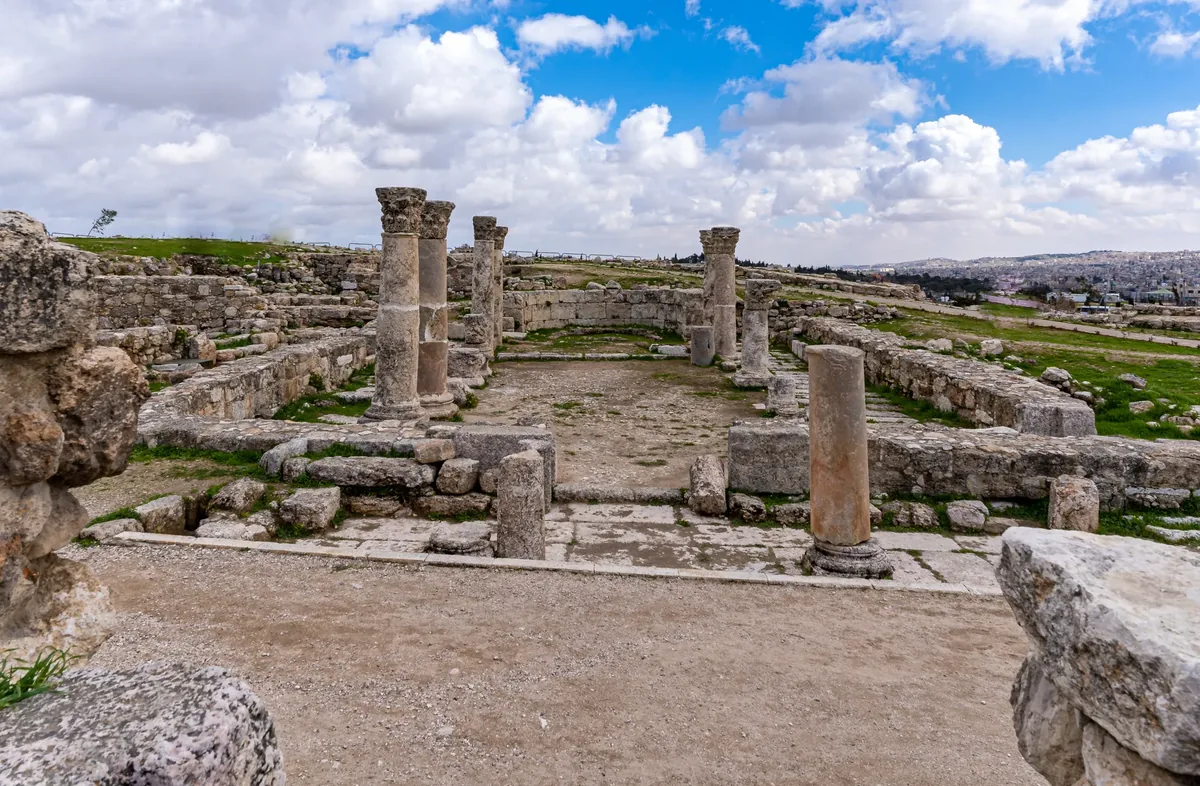
Ancient Pella, at Tabaqat Fahl in the Jordan
Valley, is one of the richest and most continuously occupied archaeological sites in the country, with evidence of human habitation stretching back some six thousand years. A city of the Decapolis set among green hills and springs, it spreads its ruins across a beautiful valley overlooking the Jordan River.
Valley, is one of the richest and most continuously occupied archaeological sites in the country, with evidence of human habitation stretching back some six thousand years.
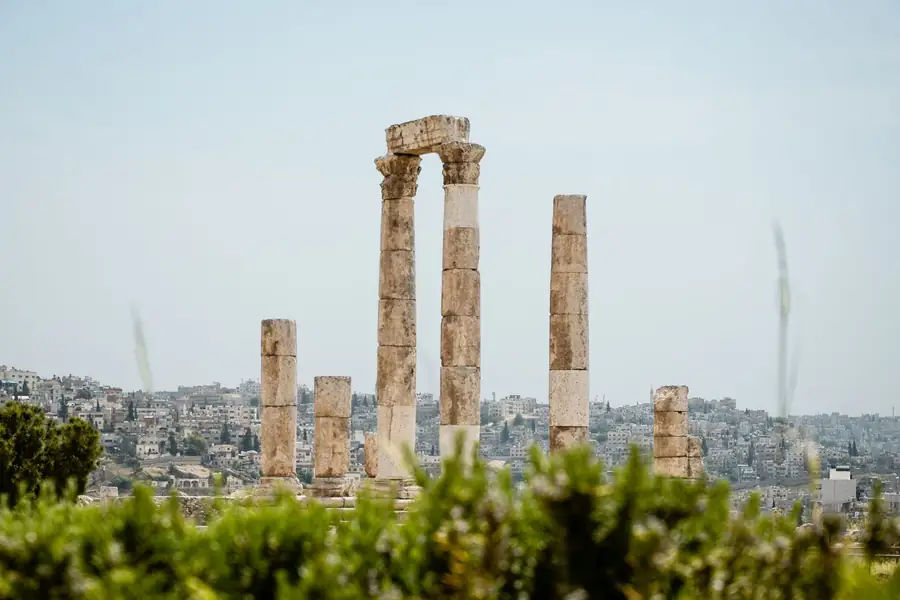
Six Thousand Years in One Valley
Few places record so long a span of human life. Pella has been inhabited from the Neolithic and Bronze Ages through Egyptian, Greek, Roman, Byzantine and Islamic times, each leaving traces in the layered ruins. It was a thriving Decapolis city in the Roman and Byzantine periods, and early Christians are said to have fled here from Jerusalem. The site's churches, civic buildings and ancient tells lie scattered across a tranquil, spring-fed valley.
The Experience
You explore an unfenced, peaceful valley dotted with ruins, the columns of a Byzantine church, civic buildings, ancient mounds and springs, set against green, rolling hills in spring. The site is quiet and atmospheric, with few visitors, and rewards a leisurely walk among layers of history. The views over the Jordan Valley and the sense of deep time make it a tranquil, evocative destination.
Why It Matters
Ancient Pella is one of Jordan's most important and longest-occupied archaeological sites, offering an almost unbroken record of human civilisation across millennia. Its Decapolis ruins, early Christian associations and beautiful setting make it a significant and serene complement to the country's better-known ancient cities.
Ancient Pella is one of Jordan's most important and longest-occupied archaeological sites, offering an almost unbroken record of human civilisation across millennia.
Why Visit
One of Jordan's longest-inhabited sites, a peaceful Decapolis ruin in the green Jordan Valley with 6,000 years of history and few crowds.
✦ Insider Tips
- 1
Wander the unfenced ruins across the spring-fed valley.
- 2
Spring brings green hills and wildflowers among the ruins.
- 3
It is quiet, with few visitors, ideal for a peaceful walk.