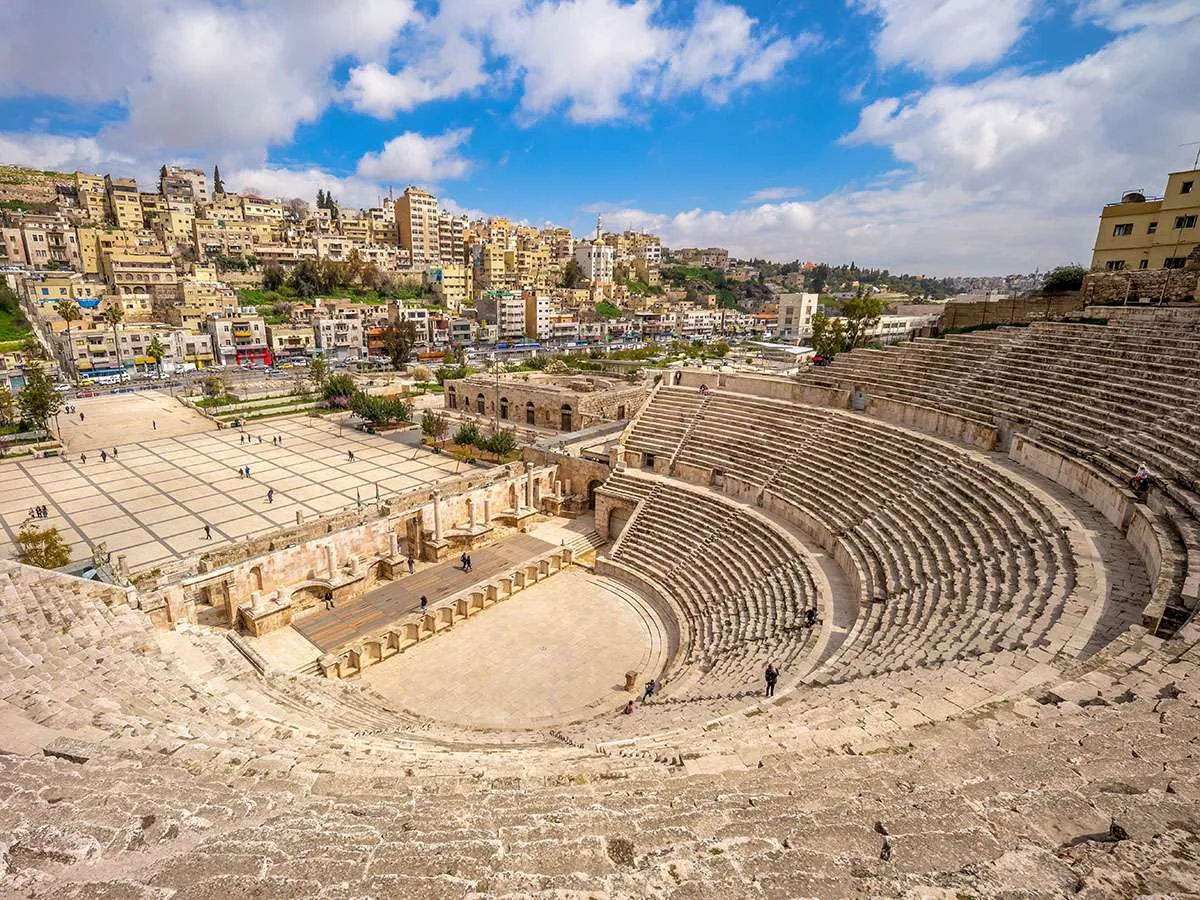
“Tradition holds that the prophet Lot sheltered in this cave after fleeing Sodom and his wife turned to a pillar of salt.”
About Lot's Cave
The cave was identified in Byzantine times as the refuge of Lot from the Genesis account, and a monastery with a church and mosaics was built around it from roughly the 5th to 8th centuries. Long lost, the complex was excavated in the 1980s and 1990s, revealing the venerated cave, mosaic floors and pilgrim remains, confirming its identification and its importance as a place of Christian pilgrimage.
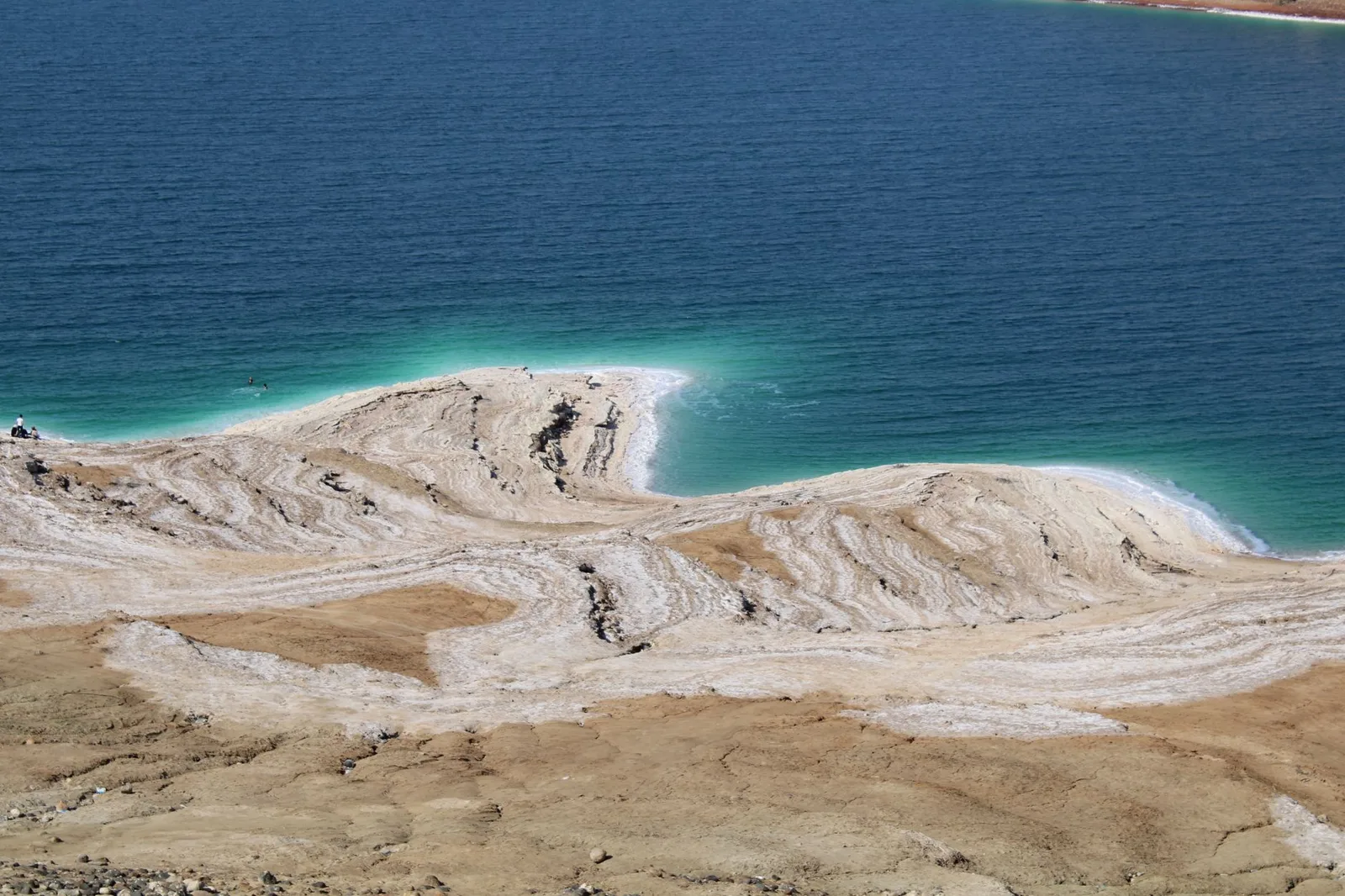
Lot's Cave is a small cave on a hillside above the southeastern Dead Sea, traditionally identified as the place where the biblical prophet Lot and his daughters took refuge after fleeing the destruction of Sodom. Around the cave lie the ruins of a Byzantine monastery built to venerate the site, making it an important and atmospheric place of religious heritage.
Around the cave lie the ruins of a Byzantine monastery built to venerate the site, making it an important and atmospheric place of religious heritage.
Refuge After Sodom's Destruction
According to the Book of Genesis, Lot escaped the divine destruction of the cities of Sodom and Gomorrah and, after his wife famously turned to a pillar of salt for looking back, sheltered in a cave with his daughters. Christians later identified this cave as the spot, and in the Byzantine period built a church and monastery around it. Excavations uncovered the monastery, mosaics and the venerated cave, confirming centuries of pilgrimage to the site.
The Experience
The route climbs a hillside above the Dead Sea plain to reach the cave and the ruins of the Byzantine monastery, with its mosaic floors, set against sweeping views over the lowest landscape on Earth. A nearby museum interprets the site and the region's deep history. The biblical associations, the ancient ruins and the dramatic setting combine for a quietly powerful visit.
Why It Matters
Lot's Cave ties the landscape of the Dead Sea to one of the most dramatic stories of the Hebrew Bible and the shared heritage of Judaism, Christianity and Islam. The Byzantine monastery built to honour it shows the long tradition of pilgrimage here, making it a significant religious and archaeological site.
Lot's Cave ties the landscape of the Dead Sea to one of the most dramatic stories of the Hebrew Bible and the shared heritage of Judaism, Christianity and Islam.
Why Visit
The cave traditionally linked to the biblical Lot, with the ruins of a Byzantine monastery and mosaics above the Dead Sea, a site of deep religious heritage.
✦ Insider Tips
- 1
Climb the hillside to the cave and the monastery ruins.
- 2
See the Byzantine mosaic floors around the cave.
- 3
Visit the nearby museum for regional context.
- 4
Go in cooler hours; the Dead Sea basin is very hot.