Millions of orange wings create a sound like falling rain in these high-altitude forests, where a four-thousand-kilometer journey ends in a silent, vibrating cluster.
About Monarch Butterfly Biosphere Reserve
For decades, the winter destination of the Monarch was the 'holy grail' of entomology, finally discovered by Ken and Catalina Brugger in 1975. The Mexican government moved quickly to protect the specific oyamel groves that provide the only viable winter habitat for the species. The reserve faces constant pressure from local agricultural needs, leading to a unique conservation model where former loggers are now paid to act as forest guardians. This delicate balance is the only thing standing between the Monarch migration and biological extinction.
High in the oyamel fir forests of Michoacán
High in the oyamel fir forests of Michoacán and the State of Mexico, the trees appear to be weeping orange. This is the Monarch Butterfly Biosphere Reserve, where hundreds of millions of butterflies arrive every winter after a 4,000-kilometer journey from Canada and the United States. The presence of the butterflies is so immense that thick pine branches often bow and snap under the collective load. In the morning chill, they remain in a state of torpor, clustered together like heavy, vibrating fruit. As the sun warms the forest, they erupt in a silent, orange explosion, filling the air with a sound like a light summer rain, the collective beat of millions of tiny wings. It is one of the most profound biological spectacles on Earth, occurring in a high-altitude sanctuary that feels closer to the sky than the earth.
Why it matters
The mystery of where the Monarchs disappeared to every winter was only solved in 1975 when researchers found these specific mountain ridges. Before that, the local Purepecha and Mazahua people had known of the phenomenon for centuries, associating the arrival of the butterflies with the return of the souls of the departed during the Day of the Dead. The reserve was officially established in 1980 and named a UNESCO World Heritage site in 2008. Protecting this land has been a complex struggle against illegal logging and climate change. The forest itself is a rare ecosystem; the oyamel trees provide the perfect microclimate, cold enough to keep the butterflies dormant to save energy, but warm enough to prevent them from freezing to death.
Climbing the steep mountain trails on horseback or
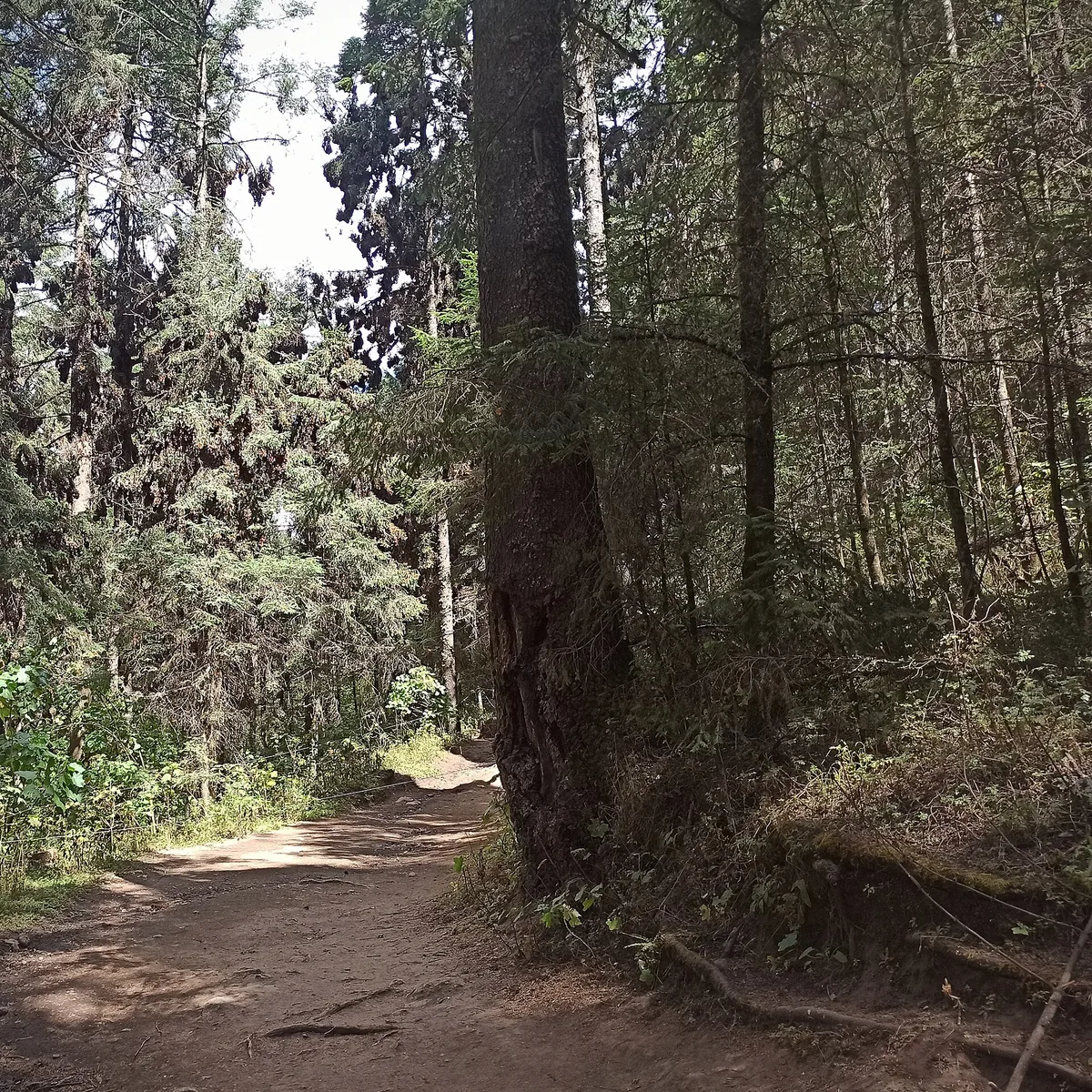
Climbing the steep mountain trails on horseback or on foot, The air grows thin and crisp, smelling of pine resin and cold earth. The forest is surprisingly quiet until the sun hits a cluster of butterflies, at which point a soft, dry whispering fills the canopy. The texture of the forest floor, covered in a delicate carpet of orange wings from those whose journey has ended. The sun’s warmth on your back as you reach the sanctuary clearing, a stark contrast to the shaded, shivering trail. People often miss the tiny mountain streams where the butterflies congregate in the thousands to drink during the warmer parts of the day. The absolute fragility of the scene, a single cold snap or a loud noise seems like it could shatter the illusion. The element that stays with you is standing in a cloud of orange as the sky disappears behind a living, flickering curtain.
The reserve is divided into
The reserve is divided into several sanctuaries, with El Rosario and Sierra Chincua being the most accessible. Most travelers base themselves in the colonial 'Magic Town' of Angangueo or the larger city of Zitácuaro. From Mexico City or Morelia, the drive is roughly three to four hours into the mountains. The final ascent to the butterflies requires a hike of several kilometers or a ride on a local horse, both of which take you to altitudes exceeding 3,000 meters. Hiring a local guide at the sanctuary entrance is mandatory and provides essential support to the communities that protect the forest.
The Experience
The thing that grabs you is is the way the light filters through the pine needles, turning the orange clusters into glowing lanterns of life. Nearby, millions of wings beating simultaneously is a low, rhythmic thrum that you feel in your chest. There is a feeling of bite of the mountain air, reminding you that these creatures survive in a very narrow temperature band. Most visitors miss the 'butterfly graveyards' where the cycle of life and death is most apparent. What sticks with you is the silence of the hike back down, as your brain tries to process the sheer scale of the migration.
Why It Matters
This reserve is the most important overwintering site for the Monarch butterfly in the world. It is a critical link in a transcontinental ecological chain and a powerful symbol of international conservation cooperation. Culturally, the butterfly has become an icon of the soul's journey in Mexican folklore and a central figure in local indigenous cosmologies.
Why Visit
Visit this reserve to see one of the few remaining truly grand migrations left on our planet. It is a humbling reminder of nature's resilience and complexity. There is no photograph or video that can prepare you for the physical sensation of being surrounded by millions of living beings in a forest that seems to breathe orange.
✦ Photo Gallery
Best Season
🌤 Late January and February are the peak months, as the butterflies are more active and the clusters have fully formed before the migration north begins in March.
Quick Facts
Best time to visit
Late January and February are the peak months, as the butterflies are more active and the clusters have fully formed before the migration north begins in March.
Getting there
In Angangueo, Mexico; reach Angangueo first, then continue to the site.
What's nearby
Jardines del Pedregal and Palacio de Bellas Artes are also in the area.
Location
Angangueo, Mexico
Type
attraction
Coordinates
19.6064°, -100.2417°
Insider Tips
- 1
Arrive at the sanctuary around 10:00 AM; the butterflies don't begin to fly until the sun warms the trees.
- 2
Maintain absolute silence near the clusters; loud noises can cause the butterflies to scatter, wasting their precious energy reserves.
- 3
Wear comfortable hiking boots with good grip, as the forest trails can be slippery and very steep.
- 4
Bring a light jacket even if it’s warm in the valley; the temperature at 3,000 meters is significantly lower.
- 5
Use a horse for the ascent if you aren't accustomed to high altitudes; it saves your breath for the final, quiet walk to the clusters.