“They built a wall to keep the pirates out, but they ended up creating a pastel-colored sanctuary that feels like a Caribbean dream frozen in the 1700s.”
About Old City of Campeche
Campeche’s walls are a physical record of 17th-century fear and 18th-century prosperity. The city was a crucial link in the Spanish Empire's trade network, often holding more wealth than it could defend. After the 1663 pirate raid, the inhabitants lived in a state of constant siege until the walls were completed in 1704. During the 19th century, the city became a rival to Mérida, with wealthy families building the baroque and neoclassical mansions that now house museums and galleries. The UNESCO designation in 1999 sparked a massive restoration project that revived the city's signature pastel palette.
Campeche is a pastel-colored fortress
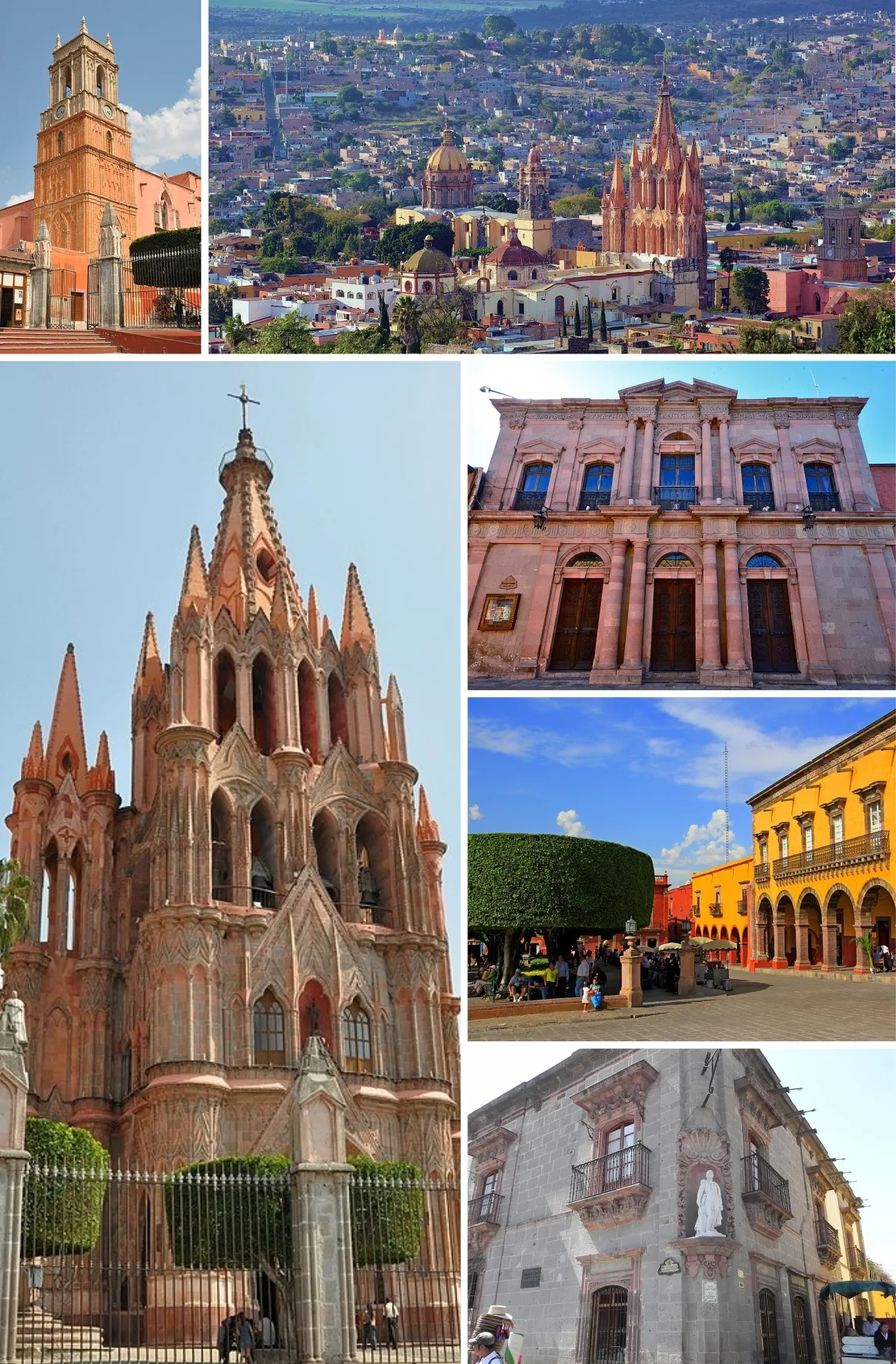
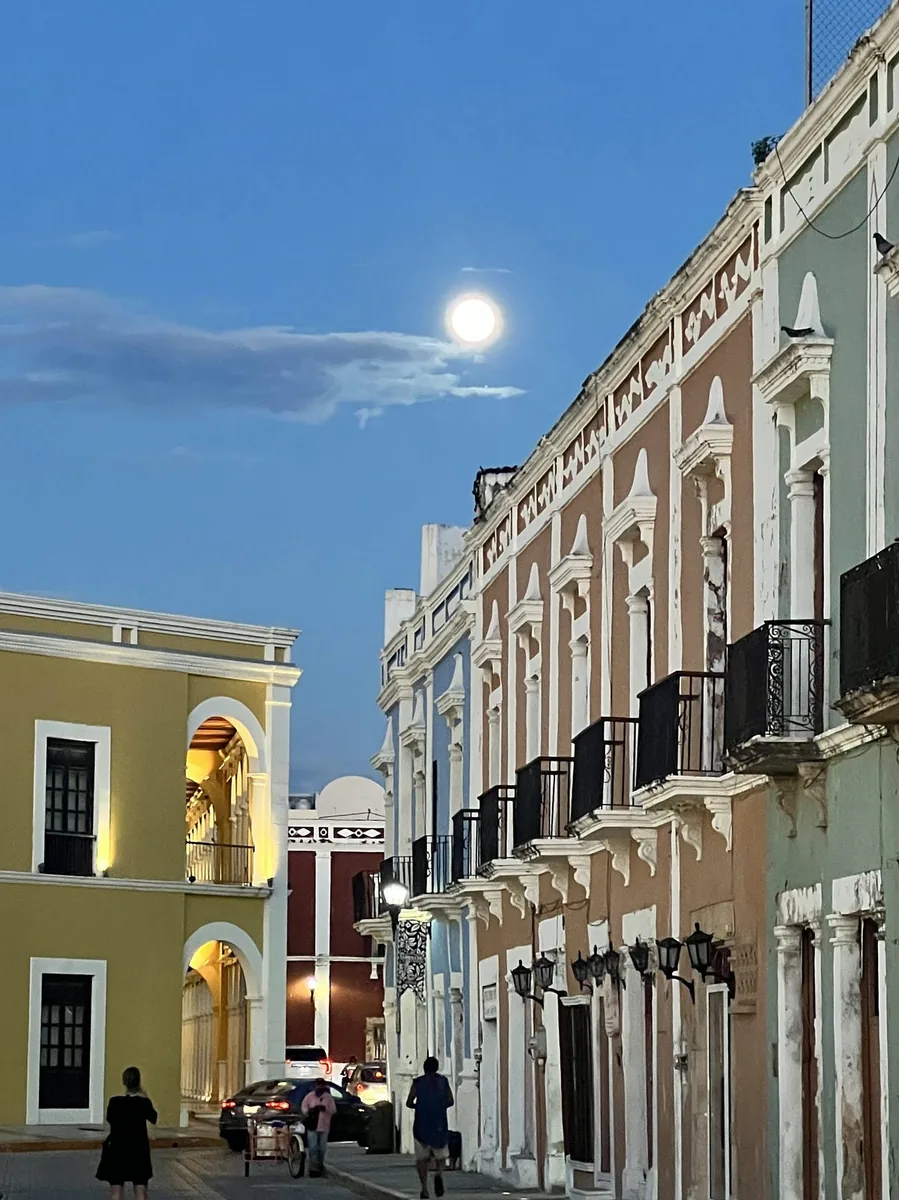
Campeche is a pastel-colored fortress city that looks as if it were plucked from the set of a maritime period drama. Surrounded by a hexagonal system of ramparts and bastions, the historic center is a UNESCO World Heritage site that was built to defend against the relentless pirate attacks of the 17th and 18th centuries. Unlike the gritty, industrial ports of the Gulf Coast, Campeche feels meticulously preserved and surprisingly quiet. Its streets are a grid of perfectly restored colonial mansions, each painted in a soft shade of lemon, mint, or terracotta. The sea wall, or Malecón, runs for kilometers along the Gulf of Mexico, providing a breezy boundary where the stone walls of the city meet the salt air. It is a city that balances its violent, swashbuckling history with an atmosphere of refined, sleepy elegance.
Campeche is a pastel-colored fortress city that looks as if it were plucked from the set of a maritime period drama.
Founded, 1540
Founded in 1540 by Spanish conquistadors on the site of a Maya village, Campeche quickly became a vital port for the export of 'logwood,' a valuable source of dye. This wealth made it a prime target for the most famous pirates in history, including Francis Drake and Henry Morgan. After a devastating massacre in 1663, the Spanish Crown finally invested in the massive defensive walls that define the city today. It took 18 years to encircle the city in stone. These walls were so effective that they were never breached by pirates again. As the age of piracy faded, Campeche transitioned into a wealthy merchant city, which is evident in the grand 'casonas' with their interior courtyards and intricate tile work that still line the Calle 59.
Walking along the top of the ramparts
Walking along the top of the ramparts at the Baluarte de San Francisco, The gulf breeze carries a heavy, humid scent of salt and tropical fruit. Audible: the city is dominated by the gentle clatter of bicycles on cobblestone and the evening call of birds in the zócalo. First, the uniform beauty of the streets, where not a single modern sign is allowed to ruin the colonial illusion. There is a feeling of solid, rough texture of the sascab, the local limestone, that makes up the city’s defenses. Often missed is the smaller bastions that have been converted into museums, focusing only on the main sea-facing gates. how the light at sunset turns the pastel buildings into a glowing, iridescent watercolor painting. The detail that stays with you is sitting in a sidewalk cafe on Calle 59 as the streetlights flicker on, turning the walled city into a safe, glowing sanctuary.
Campeche has its own international airport
Campeche has its own international airport, but many visitors arrive via a two-hour drive from Mérida or a longer journey from the ruins of Palenque. The city is a major stop on the Tren Maya line, which has revolutionized access for those coming from Cancún or Tulum. Once inside the walls, the historic center is entirely walkable and mostly pedestrian-friendly. Parking can be difficult inside the grid, so staying in one of the boutique hotels within the walls and exploring on foot is the best way to soak in the atmosphere.
Campeche has its own international airport, but many visitors arrive via a two-hour drive from Mérida or a longer journey from the ruins of Palenque.
The Experience
You notice the rhythm of the city changes at dusk, as the heat breaks and the residents emerge to walk the Malecón. Audible: traditional jarana music often spills out of the central plaza on weekend evenings. An impression of heat radiating off the stone walls long after the sun has set. Most visitors miss the San José el Alto fort on the hill, which offers a panoramic view of the entire walled city and the gulf. What sticks with you is the taste of 'pan de cazón' (shark bread) in a local market, a dish as unique as the city itself.
Why It Matters
Campeche is the most complete example of a Spanish colonial fortified city in the Americas. It is a rare urban landscape that has maintained its 16th-century grid and its 17th-century defensive perimeter. Beyond its walls, it serves as the entry point to the Chenes-style Maya ruins, a distinct architectural school found only in this region.
Why Visit
Visit Campeche to experience a different side of the Yucatán, one that is Spanish, maritime, and remarkably peaceful. It lacks the tourist frenzy of the Caribbean coast and the humidity-heavy bustle of Mérida. It is the best place in Mexico to walk through a real-life history book without the crowds.
✦ Insider Tips
- 1
Visit the Baluarte de la Soledad to see the incredible jade masks recovered from the nearby Maya city of Calakmul.
- 2
The 'Puerta de Tierra' offers a sound and light show at night that recreates the history of the pirate attacks.
- 3
Walk the Malecón at sunset for the best views and to join the local families in their daily social ritual.
- 4
Calle 59 is the primary pedestrian artery; it's the best place for dinner, but the side streets offer more authentic, cheaper cantinas.
- 5
Rent a car for a day trip to the ruins of Edzná, which are surprisingly close and often completely empty of other tourists.