It is a million acres of 'where the sky begins,' a place where you can float through Maya canals so clear the fish look like they are flying through glass.
About Sian Ka'an Biosphere Reserve
Sian Ka'an has been a sacred Maya territory for millennia, serving as a maritime gateway for the inland cities like Coba. The reserve contains over 20 archaeological sites, including the watchtower at Muyil. In the mid-20th century, the area was threatened by the rapid expansion of the 'Riviera Maya' tourism model. Its 1986 protection was a landmark event for Mexican conservation, creating a buffer zone that stopped the march of mega-resorts. It now serves as a global model for sustainable tourism, where the indigenous inhabitants act as the primary stewards of the land.
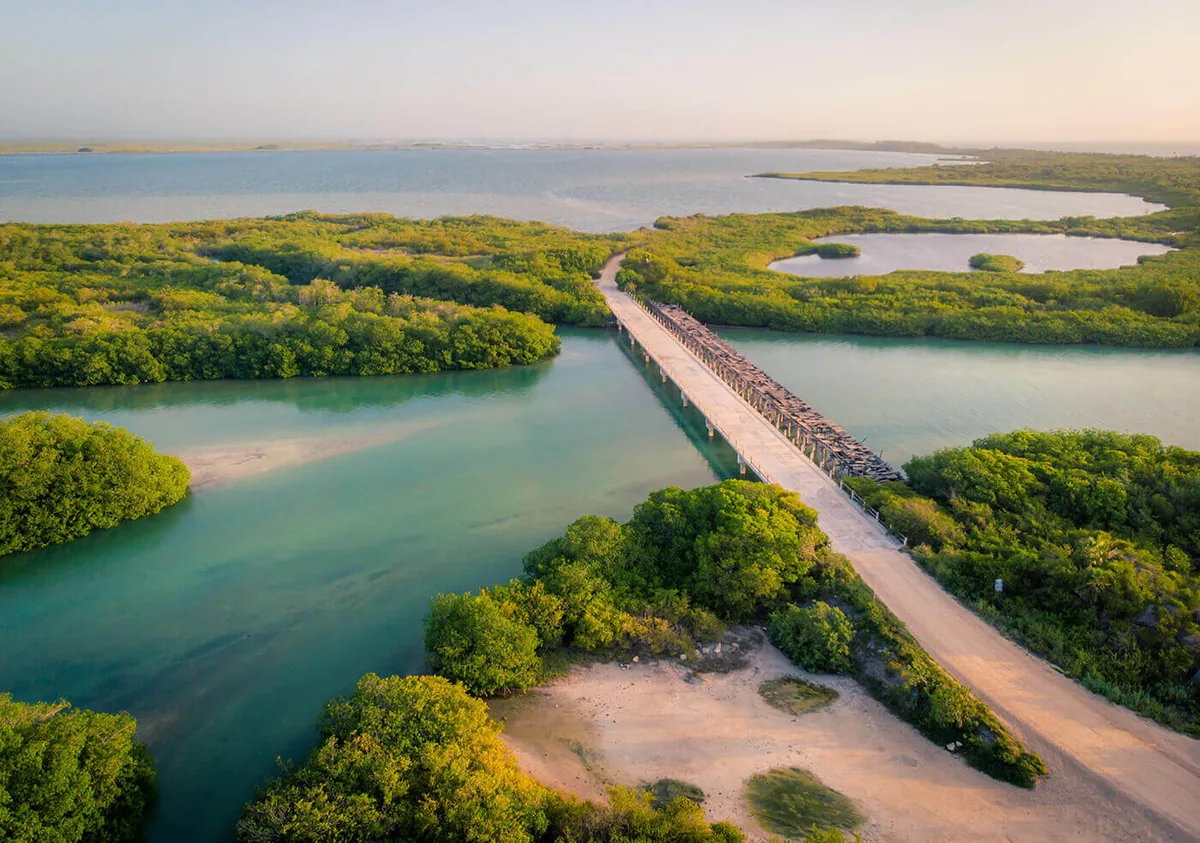
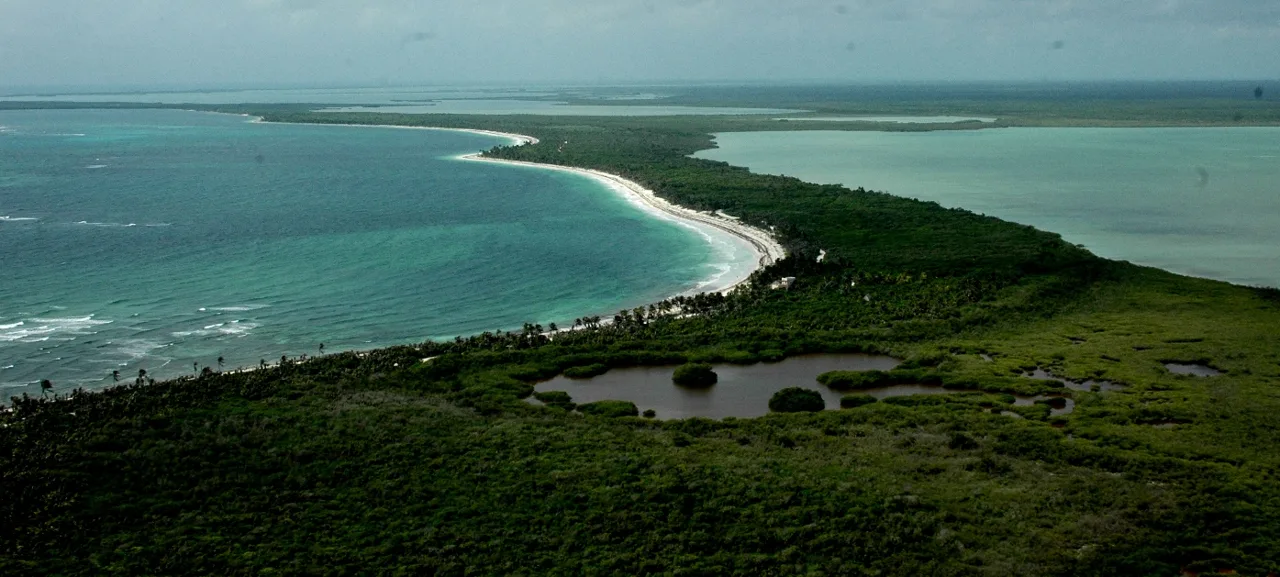
Where the limestone shelf of the Yucatán meets the turquoise Caribbean, Sian Ka’an—'Origin of the Sky' in the Maya tongue—spreads across 1.3 million acres of wild, watery solitude. This is a landscape of extremes, ranging from dense tropical forests and mangroves to a massive barrier reef. Unlike the developed corridors of Tulum or Playa del Carmen, Sian Ka’an remains a bastion of biodiversity where the human footprint is intentionally light. The reserve is a labyrinth of freshwater canals used by the ancient Maya as trade routes, connecting the inland lagoons to the open sea. Here, the water is so clear it seems invisible, and the silence is punctuated only by the splash of a manatee or the cry of a majestic osprey. It is a place of profound ecological purity, representing one of the last truly wild stretches of the Mexican coast.
“This is a landscape of extremes, ranging from dense tropical forests and mangroves to a massive barrier reef.”

Sian Ka'an Biosphere Reserve, Mexico
Sian Ka’an was established as a biosphere reserve in 1986 and became a UNESCO World Heritage site a year later. It was the first large-scale protected area in Mexico, born from a desperate need to preserve the delicate balance between the subterranean aquifer and the coastal reef. The Maya have lived here for over two thousand years, and their presence is still felt in the ruins of Muyil and the ancient canals they hand-dredged through the sawgrass. These canals were not just for transport; they were part of a sophisticated water management system that protected the inland from storm surges. Today, the reserve is managed through a partnership between the government and local Maya cooperatives, ensuring that tourism supports conservation rather than threatening it.
Floating down the Chunyaxché canal, you notice the water is surprisingly cool and the current moves with a gentle, persistent tug. The air smells of salt, crushed limestone, and the sweet, fermented scent of the mangroves. You notice the texture of the sawgrass as it brushes against the side of the boat, its edges sharp as a razor. You feel the sun’s intensity reflecting off the white sand bottom of the lagoons, making the water glow with an inner light. Most visitors overlook the 'petenes'—islands of forest that grow in the middle of the wetlands around freshwater springs. You notice the sudden flash of a roseate spoonbill’s wings against the deep green of the mangroves. The moment that stays with you is jumping into the canal and letting the current carry you for miles through a world that looks exactly as it did a thousand years ago.
There are two main gateways to the reserve. The most common is the coastal entrance just south of the Tulum beach strip, which leads to the fishing village of Punta Allen. This road is notoriously unpaved and can take three hours to navigate by Jeep after a heavy rain. The second entrance is through the ruins of Muyil, located on the main inland highway. From Muyil, you can take a boat across the lagoons and through the Maya-cut canals. For those seeking the reef and dolphins, the Punta Allen route is superior, while those interested in archaeology and the freshwater ecosystem should opt for the Muyil approach. Guided tours are highly recommended to navigate the complex permit system and support the local cooperatives.
“The most common is the coastal entrance just south of the Tulum beach strip, which leads to the fishing village of Punta Allen.”
The Experience
You notice the silence of the mangroves is actually a complex layer of tiny sounds—crabs scuttling, fish jumping, and the wind through the aerial roots. The scent of the sea becomes sharper as the freshwater lagoons transition into the saltwater estuary. You feel a deep sense of peace as you float down the ancient canal, your body weightless in the crystal stream. Most visitors miss the 'cenotes' hidden within the mangroves, deep blue eyes of water that connect to the world's largest underground river system. The moment that stays with you is seeing a wild dolphin breach the surface in the middle of a lonely, wind-swept bay.
Why It Matters
Sian Ka'an is one of the most ecologically diverse areas in the world, containing over 300 species of birds and 100 species of mammals, including the jaguar. It protects a significant portion of the Mesoamerican Barrier Reef, the second largest in the world. Its cultural value lies in the preservation of ancient Maya maritime routes and the continued traditional use of the land by local communities.
Why Visit
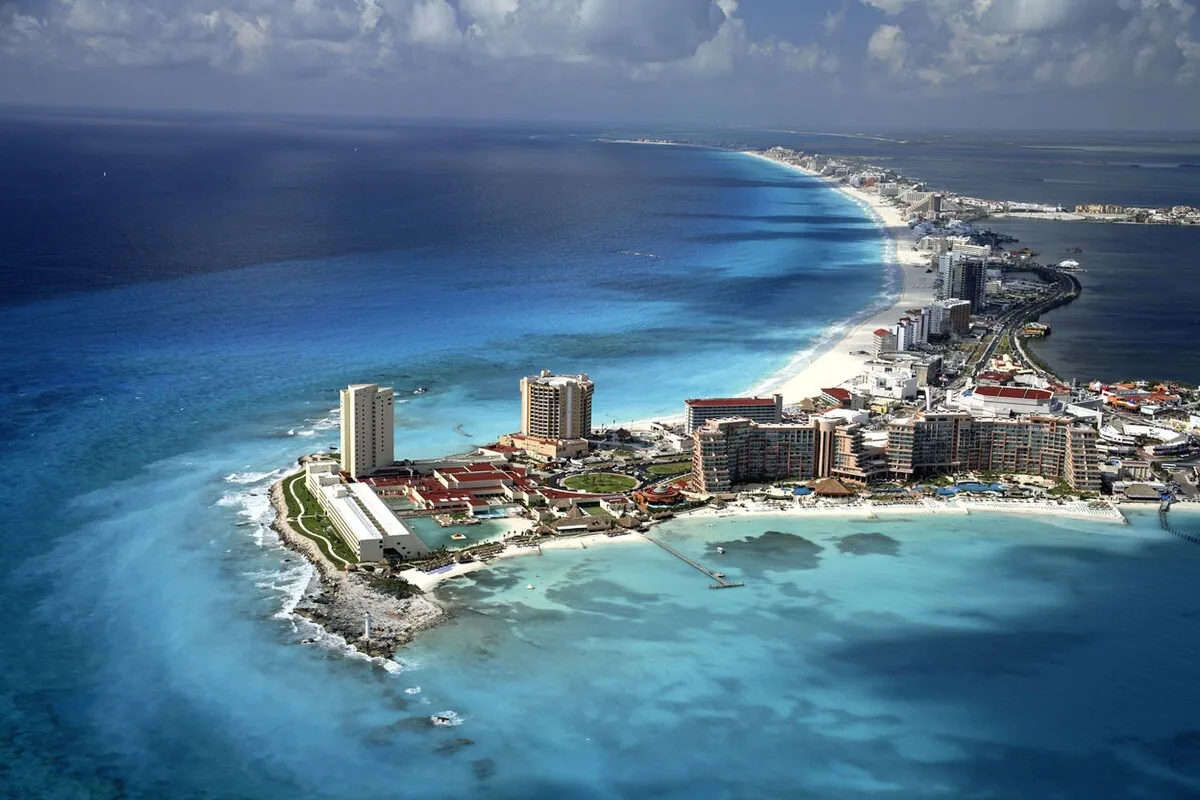
Visit Sian Ka'an to escape the 'Disney-fied' version of the Mexican Caribbean. It is the only place in the region where you can see the coastline as it was before the hotels arrived. It offers a raw, meditative connection to nature that is increasingly hard to find in the age of mass tourism.
Insider Tips
- 1
Wear a long-sleeved 'rash guard' or sun-shirt; sunscreens—even biodegradable ones—are discouraged to protect the delicate lagoon ecosystem.
- 2
The road to Punta Allen can destroy a standard rental car; if driving yourself, ensure you have a 4x4 and check the spare tire.
- 3
Bring binoculars; the reserve is a paradise for birders, and you'll want them to spot the elusive Jabiru stork.
- 4
If you take the canal float, keep your life jacket on but wear it like a diaper (legs through the armholes) to float comfortably on your back.
- 5
Book directly with the Sian Ka'an Community Tours to ensure your money stays within the local Maya community.