“Annapurna I was the first mountain over 8,000 metres ever climbed, in 1950 - three years before Everest - and it remains one of the deadliest of all the high peaks.”
About Annapurna Base Camp
The Annapurna massif has been farmed and herded for centuries by Gurung and Magar communities, many of whose men served famously as Gurkha soldiers. The 1950 French ascent of Annapurna I, recounted in Maurice Herzog's bestselling book, opened the era of 8,000-metre climbing and made the name globally known. The region was later protected within the Annapurna Conservation Area, Nepal's largest, which pioneered a model of community-managed conservation funded partly by trekking fees. Roads have since pushed into parts of the old circuit, changing the classic route, but the sanctuary and high passes remain among the country's defining trekking landscapes.
What Annapurna Base Camp actually is
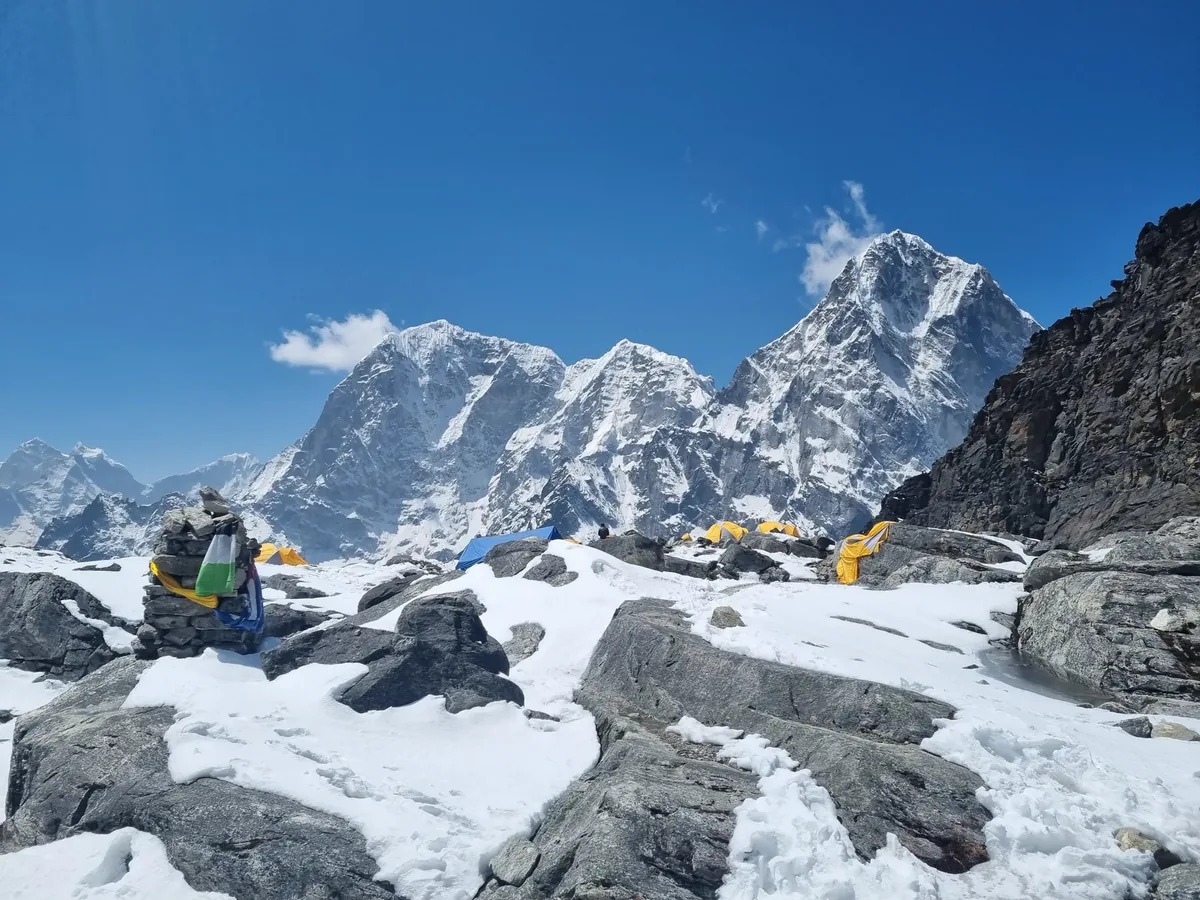
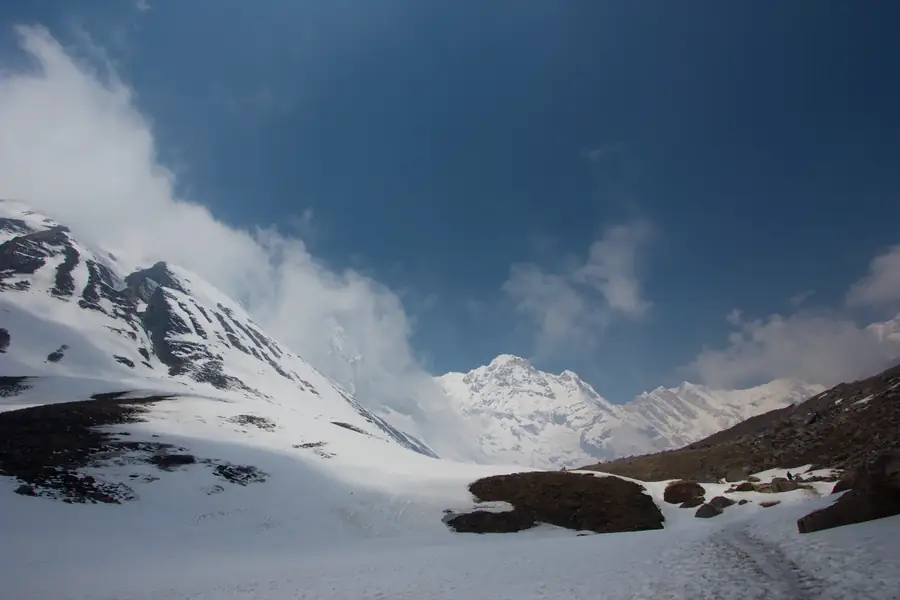
Annapurna Base Camp sits at 4,130 metres inside the Annapurna Sanctuary, a high glacial amphitheatre ringed almost completely by peaks over seven and eight thousand metres. In the bowl, you are surrounded on nearly every side by a wall of mountains, with Annapurna I, the tenth-highest peak on Earth at 8,091 metres, rising directly above. It is one of the most spectacular natural arenas accessible to ordinary trekkers.
Annapurna Base Camp sits at 4,130 metres inside the Annapurna Sanctuary, a high glacial amphitheatre ringed almost completely by peaks over seven and eight thousand metres.
A Mountain of Firsts and Dangers
Annapurna I holds a singular place in mountaineering: in 1950 it became the first peak over 8,000 metres ever climbed, by a French team led by Maurice Herzog, three years before Everest. It also remains one of the deadliest of the high peaks, with a fatality rate among climbers far higher than Everest's, a reputation that gives the sanctuary its weight.
The Trek
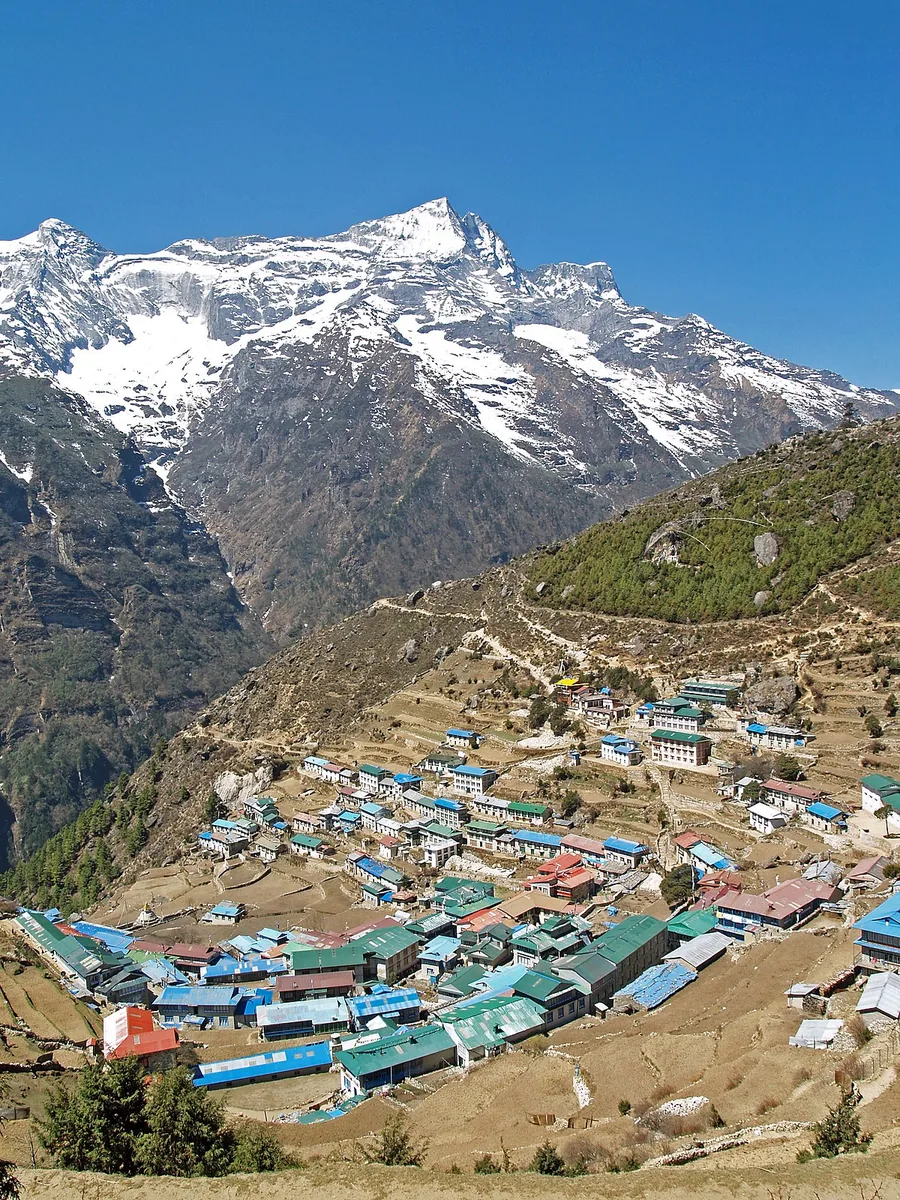
The walk into the sanctuary climbs through terraced farmland and dense rhododendron forest, past Gurung villages, before entering the narrowing gorge that guards the bowl. Unlike the long Everest approach, the Annapurna Base Camp trek can be done in a week or so, which makes it one of the most popular treks in Nepal.
The Annapurna Circuit
The wider region also hosts the classic Annapurna Circuit, which crosses the high Thorong La pass at 5,416 metres and circles the whole massif, long considered one of the world's great long-distance walks.
The Experience
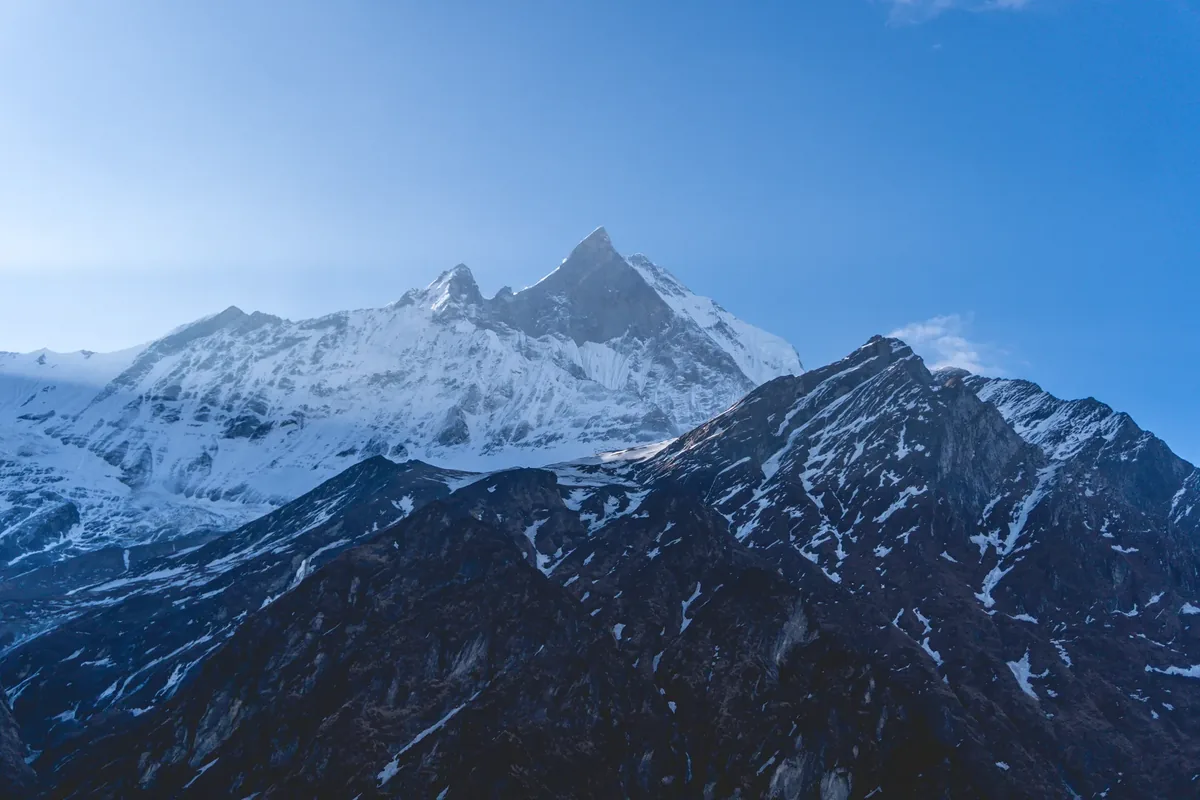
The approach is a study in contrasts: subtropical terraces and waterfalls low down, mossy rhododendron forest in the middle, then the bare, glacial world of the sanctuary itself. The moment the gorge opens into the amphitheatre, with peaks wheeling around you, is the highlight of the trek. Dawn at base camp, when the first sun strikes Annapurna and the sacred Machhapuchhre, is what most walkers remember most. The sanctuary is also avalanche-prone in sections, so guides watch conditions closely, and the sense of being deep inside the mountains gives the place a charged, serious atmosphere.
Why It Matters
Annapurna Base Camp and the surrounding conservation area form one of Nepal's most important trekking regions, centred on the first 8,000-metre peak ever climbed. The sanctuary is renowned for its near-complete ring of giant peaks, and the conservation area is a landmark in community-based environmental management.
Why Visit
It delivers a full Himalayan high-mountain arena on a shorter, more accessible trek than Everest. Time your arrival for a clear dawn in the sanctuary, respect avalanche warnings on the approach, and consider the wider circuit and Thorong La pass if you have more time.
✦ Insider Tips
- 1
The trek is shorter than Everest Base Camp but still high; pace the altitude sensibly.
- 2
Aim to be at base camp for sunrise, when the peaks and sacred Machhapuchhre light up first.
- 3
Heed avalanche advice on the gorge sections into the sanctuary, especially after snow.
- 4
Your fee funds the Annapurna Conservation Area; keep your permit handy at checkpoints.
- 5
If you have two weeks or more, consider the full Annapurna Circuit over the Thorong La pass.