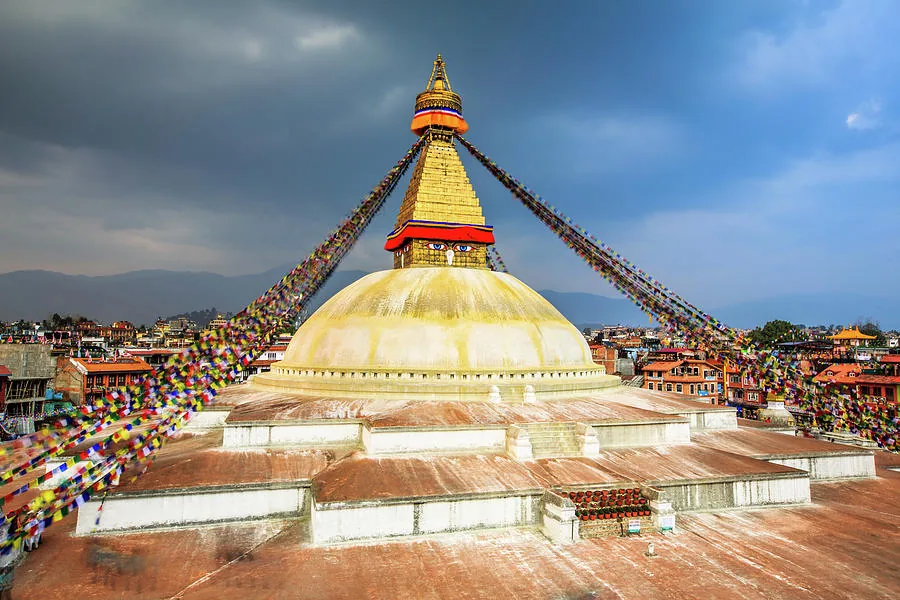
“Everest Base Camp sits at 5,364 metres, yet you cannot see Everest's summit from it - the iconic view comes from Kala Patthar, the rocky rise just above the camp.”
About Everest Base Camp
The Khumbu has been home to the Sherpa people for centuries, Tibetan Buddhists who migrated across the high passes and whose mountaineering skill became inseparable from Everest expeditions. The first confirmed ascent of the summit came in 1953, when Tenzing Norgay and Edmund Hillary reached the top from the Nepali side, and the route through base camp has carried climbers ever since. Trekking tourism followed climbing, transforming villages like Namche Bazaar into hubs of lodges and supply. The 2014 icefall avalanche and the 2015 earthquake both struck the region hard, and Sherpa communities have repeatedly rebuilt, but the trek remains the economic backbone of the Khumbu and a defining Nepali experience.
Everest Base Camp in Nepal
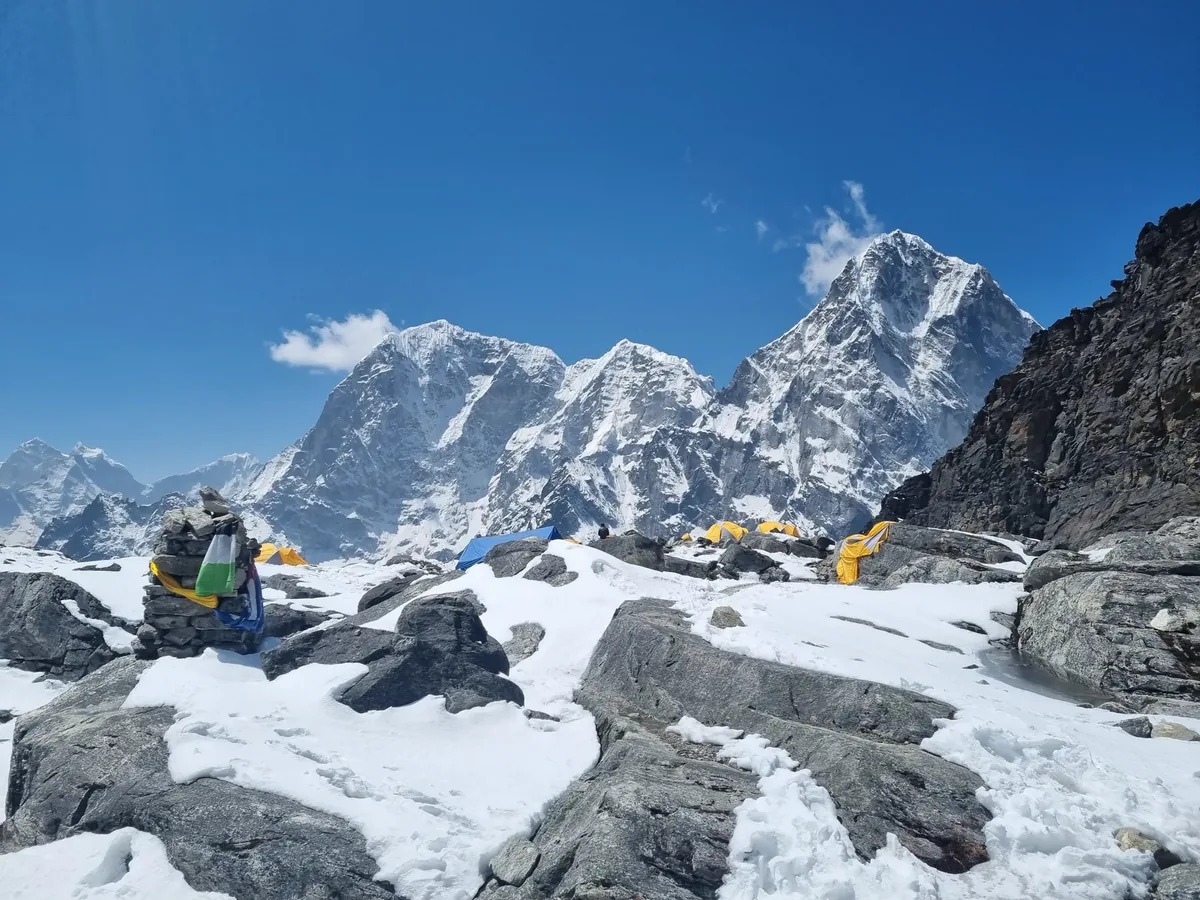
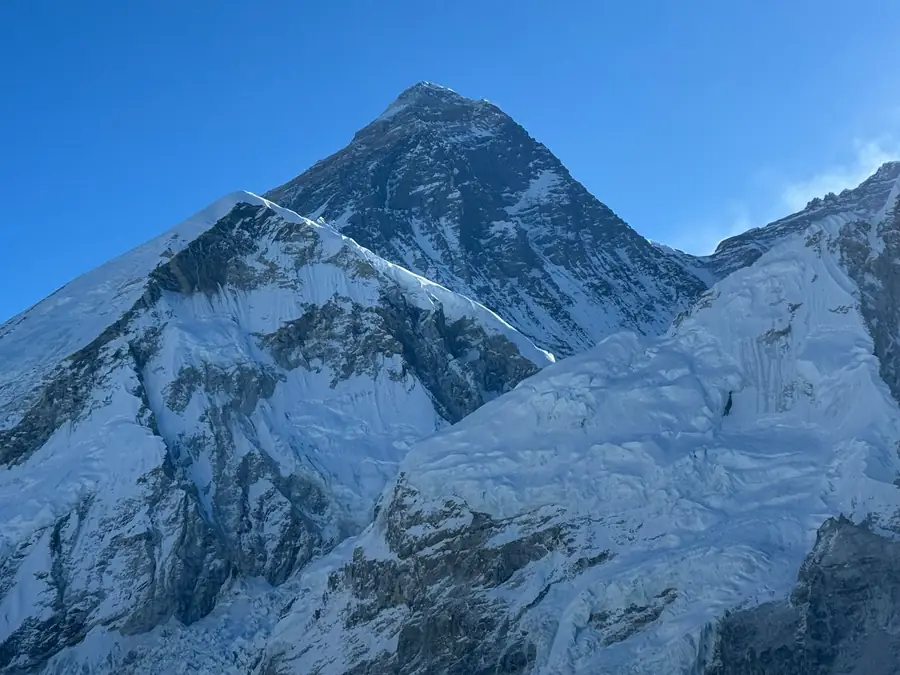
Everest Base Camp on the Nepali side sits at 5,364 metres in the Khumbu region, at the foot of the icefall that climbers must cross to begin their ascent of the highest mountain on Earth. For most trekkers, though, base camp is the destination in itself: the end of a roughly two-week walk through Sherpa country that has become one of the most famous treks in the world. You do not actually see Everest's summit from base camp; the classic view comes from nearby Kala Patthar, a 5,545-metre rise that looks straight up the mountain.
Everest Base Camp on the Nepali side sits at 5,364 metres in the Khumbu region, at the foot of the icefall that climbers must cross to begin their ascent of the highest mountain on Earth.
The Walk
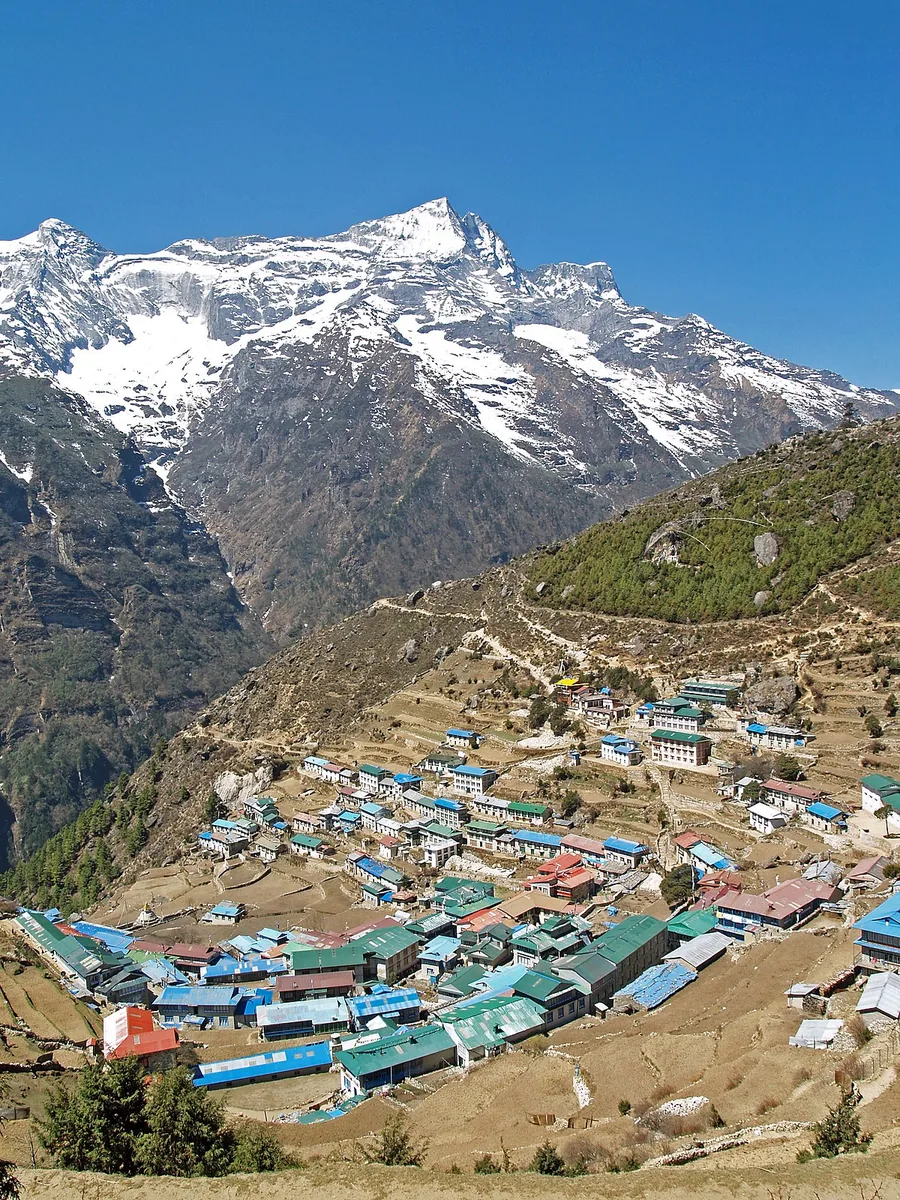
The trek almost always begins with a flight into Lukla, whose short, sloping runway clings to a mountainside and ranks among the most dramatic airstrips anywhere. From there the trail follows the Dudh Koshi river up through Namche Bazaar, the Sherpa capital and acclimatisation hub, past the hilltop monastery at Tengboche with its view of Ama Dablam, and on through villages where prayer flags, mani stones and yak trains set the rhythm.
Altitude and Acclimatisation
The single biggest challenge is not steepness but thin air. Sensible itineraries build in rest days, climb high and sleep low, and treat any sign of altitude sickness seriously. The reward for the patience is a slow, earned immersion in the high Himalaya rather than a rushed dash.
At Base Camp
In spring the camp becomes a small tent city of expeditions preparing to summit, with the Khumbu Icefall groaning and shifting above. Outside the climbing season it is a quieter scatter of rock and prayer flags, but the surrounding wall of Nuptse, Lhotse and the icefall is overwhelming in any month.
In spring the camp becomes a small tent city of expeditions preparing to summit, with the Khumbu Icefall groaning and shifting above.
The Experience
Days settle into a rhythm of walking between teahouses, drinking endless tea, and watching the peaks grow closer and higher. Namche Bazaar, set in a natural amphitheatre, is where most trekkers take a rest day and feel the altitude for the first time. Tengboche monastery, the spiritual heart of the Khumbu, frames Ama Dablam, perhaps the most beautiful mountain on the route. The final push to base camp and the pre-dawn climb of Kala Patthar are cold and breathless, but standing in sight of the Khumbu Icefall, with Everest finally revealed, is the payoff that has drawn walkers here for decades.
Why It Matters
Everest Base Camp is the starting point for the highest mountain on Earth and the centre of Sherpa mountaineering culture, lying within Sagarmatha National Park, a UNESCO World Heritage Site. The trek to it is one of the world's most renowned, and the region is central to both the history of high-altitude climbing and Nepal's tourism economy.
Why Visit
It is the closest most people will come to the roof of the world, and the passage through Sherpa villages and monasteries is as rewarding as the destination. Allow a full two weeks with acclimatisation days, climb Kala Patthar for the actual Everest view, and travel with reputable guides and porters.
✦ Insider Tips
- 1
Climb Kala Patthar at dawn for the true view of Everest's summit, which base camp itself hides.
- 2
Lukla flights are weather-dependent and often delayed; leave buffer days at the end of your trip.
- 3
Use licensed guides and porters, and carry insurance that explicitly covers high-altitude rescue.
- 4
Watch for altitude sickness symptoms and descend immediately if they worsen; it is the real danger.