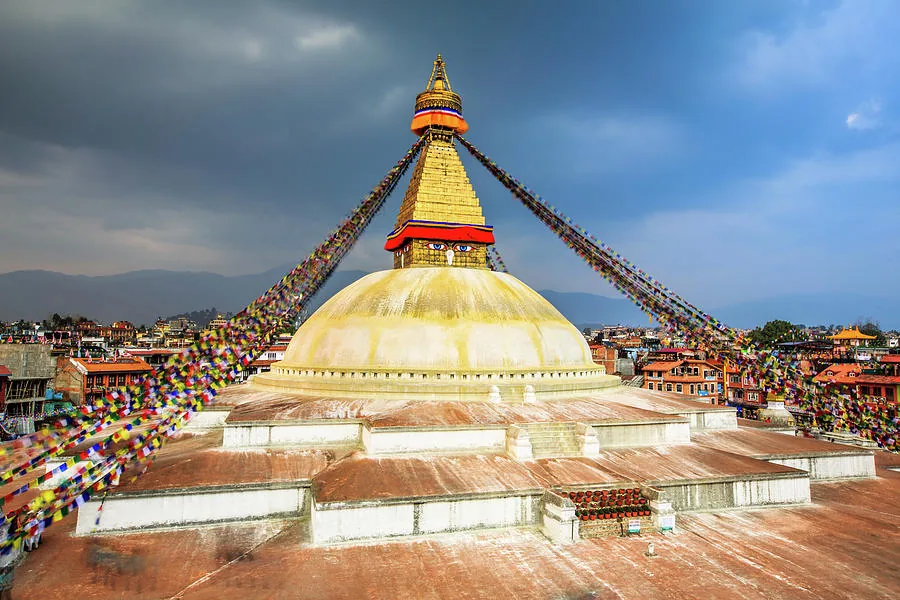
“Kathmandu Durbar Square is home to a living goddess - the Kumari, a young girl worshipped as a deity, who appears at the carved window of her palace courtyard.”
About Kathmandu Durbar Square
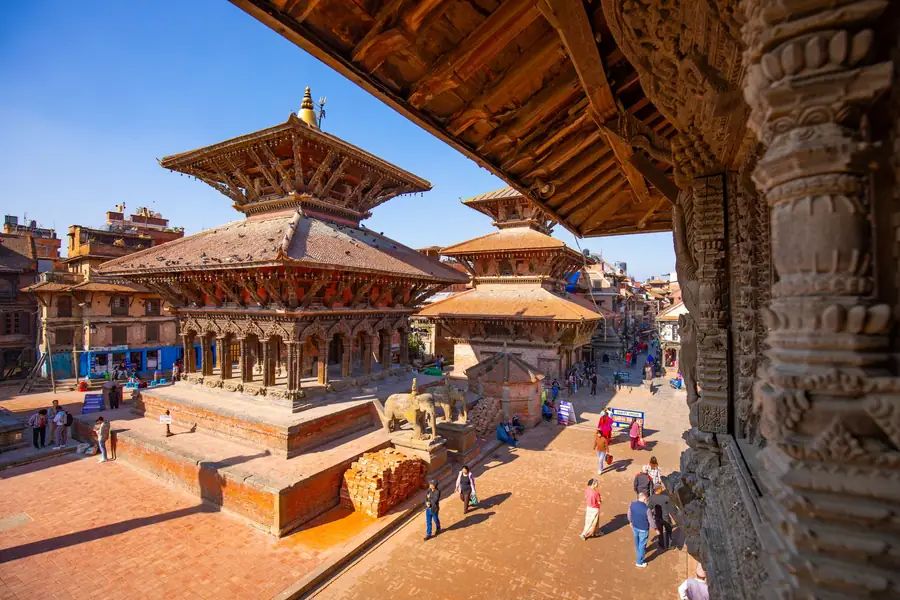
The square took shape under the Malla kings who ruled the Kathmandu Valley from the medieval period, each dynasty adding temples and palace wings in a centuries-long flourish of Newar art. After the valley's unification into modern Nepal in the eighteenth century, the Hanuman Dhoka palace remained a coronation site for the monarchy. The square was inscribed, with the valley's other Durbar Squares, as a UNESCO World Heritage Site. The 2015 earthquake caused severe damage, collapsing landmark temples, and the long, careful rebuilding using traditional materials continues to shape what visitors see today.
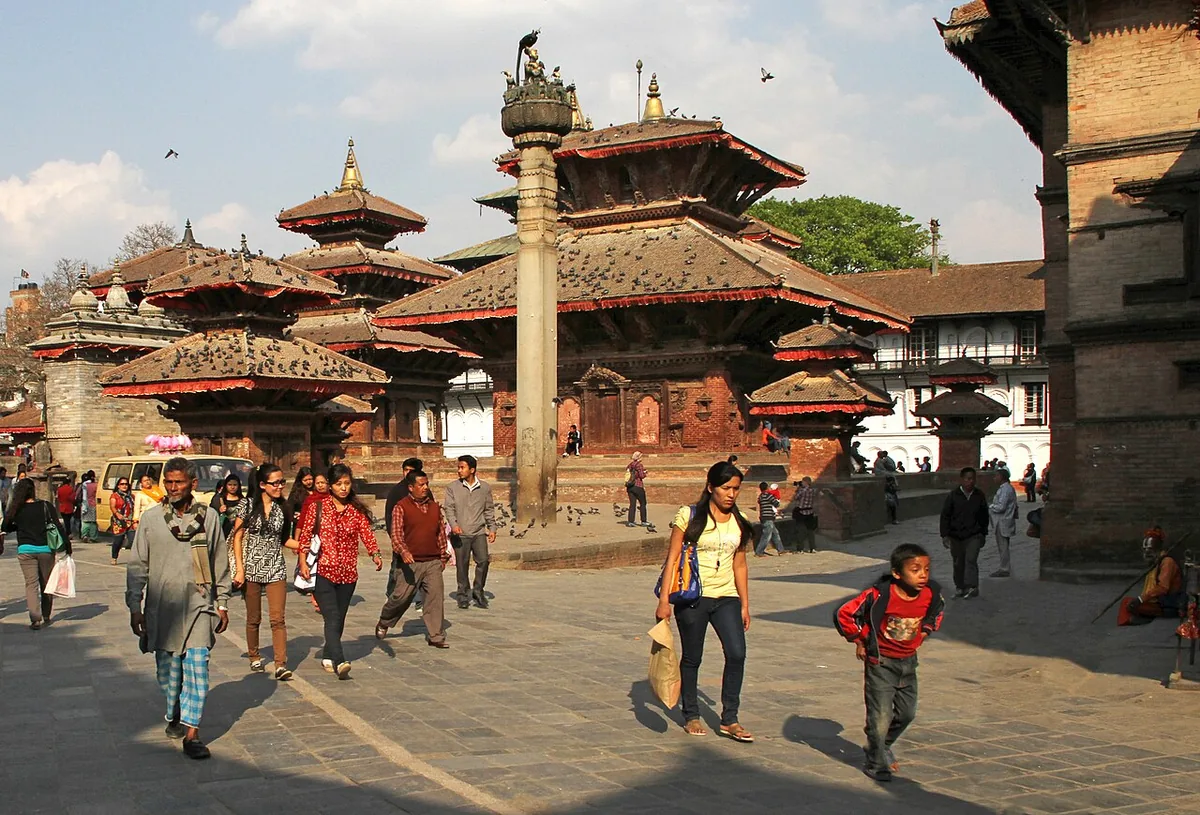
Kathmandu Durbar Square is the historic royal heart of the Nepali capital, a dense cluster of palaces, courtyards and pagoda temples in front of the old Hanuman Dhoka palace, where kings were once crowned. Built and rebuilt over centuries by the Malla kings and their successors, it is the showcase of Newar architecture, the intricate woodcarving and tiered temples that define the Kathmandu Valley.
Built and rebuilt over centuries by the Malla kings and their successors, it is the showcase of Newar architecture, the intricate woodcarving and tiered temples that define the Kathmandu Valley.
The Living Goddess
The square's most extraordinary resident is the Kumari, a young girl chosen to be the living embodiment of a goddess and housed in the Kumari Ghar, an ornately carved courtyard building. She appears at a window to visitors and is carried through the city in festivals, one of the most unusual living religious traditions anywhere.
Earthquake and Recovery
The 2015 earthquake hit the square hard, toppling or cracking several of its temples and reducing some to rubble. Reconstruction has been painstaking, reusing original timbers and traditional techniques, and the square today is a mix of restored monuments, scaffolded work and survivors.
Wandering the Square
Beyond the headline buildings, the area rewards slow wandering: hidden courtyards, shrines slick with offerings, the towering Taleju Temple, and the everyday life of vendors, pilgrims and pigeons that fills the space.
The Experience
You step from the traffic of central Kathmandu into a concentrated open-air museum of tiered temples, carved struts and palace gates guarded by a fierce Hanuman statue and stone lions. The Kumari Ghar courtyard, with its astonishing woodwork, is a highlight, and if you are lucky the Kumari herself appears briefly at her window, where photography is forbidden. The atmosphere is devotional and chaotic at once: worshippers ringing temple bells, sellers of marigold garlands, sadhus posing for coins, and the gaps and scaffolding that tell the story of the earthquake and its slow repair.
Why It Matters
Kathmandu Durbar Square is the ceremonial and architectural heart of the old capital and a key part of the Kathmandu Valley UNESCO World Heritage Site, preserving the finest concentration of Newar palace and temple architecture and the unique living tradition of the Kumari.
Why Visit
It is the best single place to grasp the artistry and religious life of the Kathmandu Valley, layered with royal history and an extraordinary living goddess. Visit early to beat crowds and heat, hire a local guide to decode the temples, and respect the no-photography rule at the Kumari's window.
✦ Insider Tips
- 1
Visit early in the day to see the square before crowds, heat and traffic build.
- 2
Never photograph the Kumari when she appears at her window; it is strictly forbidden.
- 3
Hire a knowledgeable local guide to make sense of the densely packed temples and shrines.
- 4
Keep your combined valley ticket, which also helps fund the ongoing earthquake restoration.
- 5
Combine it with Patan and Bhaktapur Durbar Squares for the full Newar architectural picture.