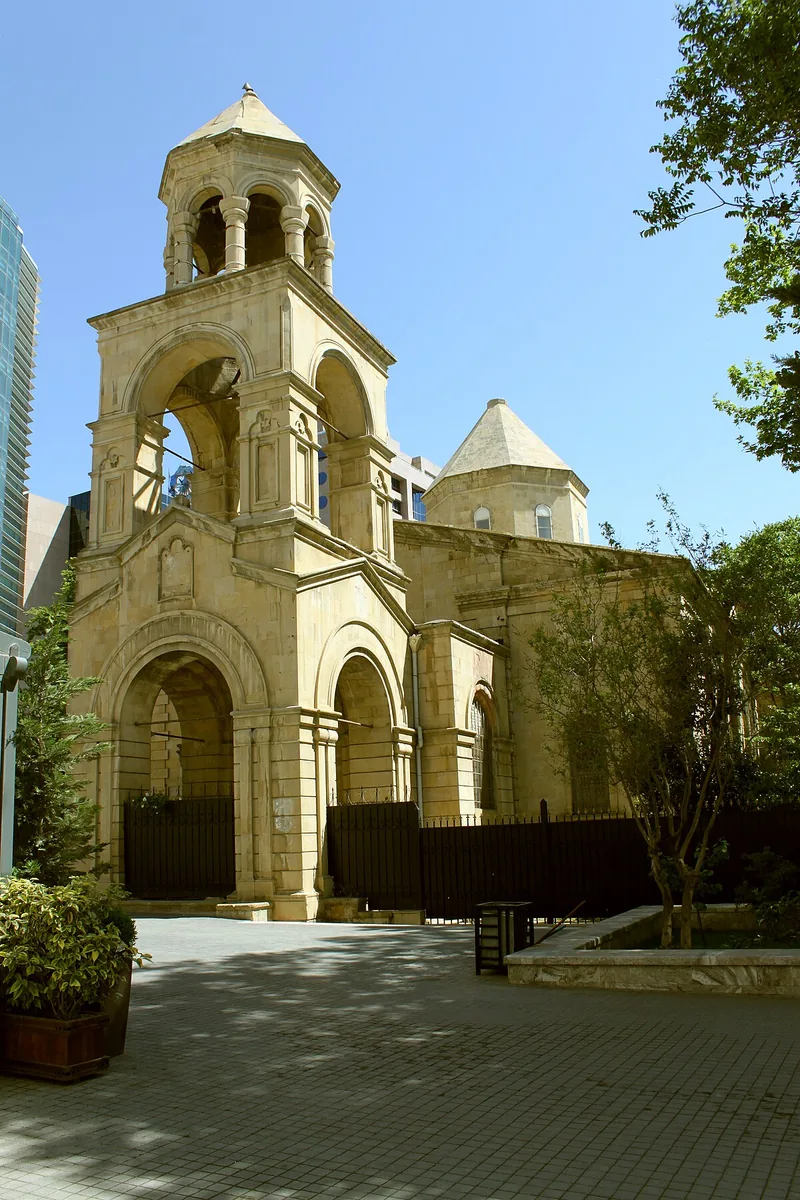
Designed by the man who built much of early Singapore, this circular church was funded by a tiny community of just a few dozen families who went on to build the city's most famous hotel.
About Armenian Church
The church's construction was a monumental feat for such a small congregation, taking only a year to complete from the laying of the foundation stone in 1835. Over the years, the building's spire was twice replaced due to structural issues and lightning strikes, eventually resulting in the current tower designed by Maddock in the 1850s. During the Japanese occupation, the church was used as a shelter, and though the congregation dwindled as the community emigrated after the war, the building has been lovingly maintained by a trust as shaped by the Armenian contribution to the region.
Armenian Church in short
Tucked away on Armenian Street, the oldest Christian church in the city functions as a serene, white-washed monument to a community that punch far above its weight in shaping modern Singapore. Built in 1835, the Church of Saint Gregory the Illuminator is a masterpiece of colonial neoclassical architecture, featuring a circular interior and grand Tuscan columns. The building is surrounded by a peaceful memorial garden where the tombstones of prominent Armenian families tell the story of the merchants and pioneers who helped build the nation. It is a place of profound quietude, offering a spiritual and historical anchor in the midst of the lively Civic District.
“Tucked away on Armenian Street, the oldest Christian church in the city functions as a serene, white-washed monument to a community that punch far above its weight in shaping modern Singapore.”
Armenian Church, Singapore
George Drumgoole Coleman, Singapore's first government
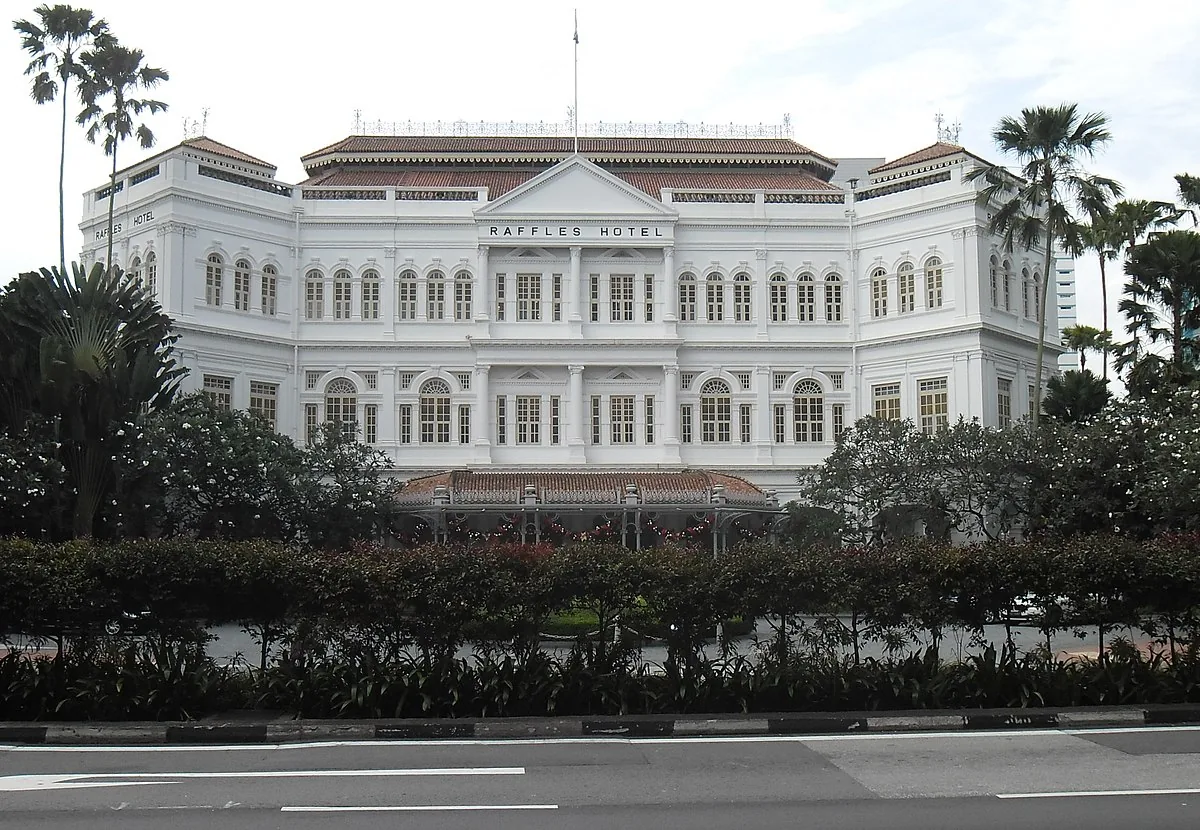
George Drumgoole Coleman, Singapore's first government architect, designed the church for the small but influential Armenian community, which numbered only a few dozen families at the time. Despite their small size, the Armenians were responsible for landmarks like the Raffles Hotel and the Straits Times newspaper. Coleman drew inspiration from the Mother Church of Holy Etchmiadzin in Armenia, but adapted the design to the tropics by adding wide verandas and shutters for ventilation. The church was funded entirely by the community, reflecting their success and their commitment to their faith in a distant land. It was gazetted as a National Monument in 1973, ensuring its survival even as the city around it was transformed.
The air inside the circular sanctuary
The air inside the circular sanctuary is remarkably still, holding a faint scent of old wood and incense. From somewhere comes the muffled sounds of the city through the thick walls, which creates a sense of being in a protective bubble. The light is soft and diffused, illuminating the simple altar and the commemorative plaques that line the walls. Inside the garden, The elaborate tombstones of the Sarkies brothers and Agnes Joaquim, the woman who bred the national flower, the Vanda Miss Joaquim. The cemetery is no longer for burials, but is a 'Garden of Memories' where the silence is broken only by the chirping of birds and the rustle of the surrounding trees.
City Hall MRT station
City Hall MRT station is the nearest rail link, about a five-minute walk away. The church is located on the corner of Armenian Street and Hill Street, directly opposite the Peranakan Museum. It is a perfect stop on a walking tour of the Civic District, situated within easy reach of the National Museum and the Singapore Management University campus.
“City Hall MRT station is the nearest rail link, about a five-minute walk away.”
The Experience
The sense of intimate history as you stand in the center of the sanctuary, which is unusually small and circular compared to the grand cathedrals nearby. The white-washed walls reflect the afternoon sun, making the interior feel bright and hopeful rather than somber. What registers is the craftsmanship in the wooden pews and the intricate moldings on the ceiling, which have been preserved through nearly two centuries of tropical humidity. It is a place that invites you to sit for a moment and reflect on the generations of travelers who found a home on this small island.
Why It Matters
This church is more than a place of worship; it is a monument to the multiculturalism that defines Singapore. It proves that even the smallest minority can leave a permanent and beautiful mark on a nation’s history, and serves as one of the finest surviving examples of George Coleman's architectural legacy.
Why Visit
The peace. In a city that is constantly moving, the Armenian Church offers a rare, static moment of beauty. It is the kind of place where you can feel the weight of nearly two hundred years of history in the cool of the stone and the silence of the garden.
Insider Tips
- 1
The church is often quietest in the mid-afternoon on weekdays, making it the best time for peaceful reflection.
- 2
Check out the tombstones in the garden; they are fascinating mini-biographies of the people who built early Singapore.
- 3
Donations for the upkeep of the monument are welcomed at the small box near the entrance, as the congregation is no longer active.
- 4
The church is a popular spot for quiet weddings on weekends, so be prepared to find parts of the garden closed off.
- 5
Look for the Vanda Miss Joaquim orchids planted in the garden, a tribute to the Armenian woman who discovered the hybrid.