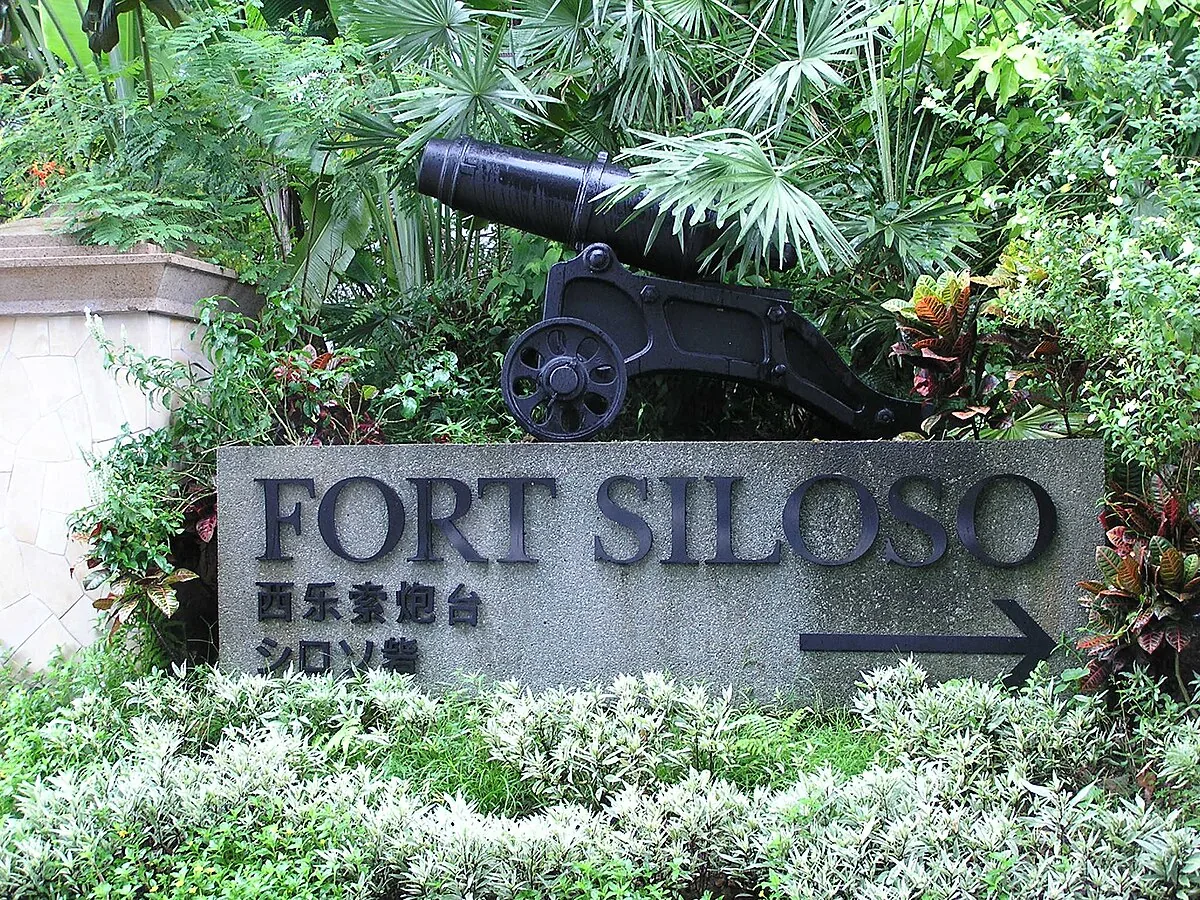
“While the rest of the city races toward the future, these eighty-two hectares of prime real estate remain dedicated to the slow, rhythmic pulse of 160-year-old tropical trees.”
About Singapore Botanic Gardens
Lawrence Niven transformed the site from a disused plantation into an ornamental park between 1860 and 1875. The gardens played a pivotal role in the 1920s when researchers successfully pioneered orchid hybridization techniques that launched a global industry. Throughout the Japanese Occupation, the grounds were preserved by Japanese scientists who recognized the immense value of the botanical collection, ensuring the survival of heritage trees that still stand today.
Singapore Botanic Gardens in short
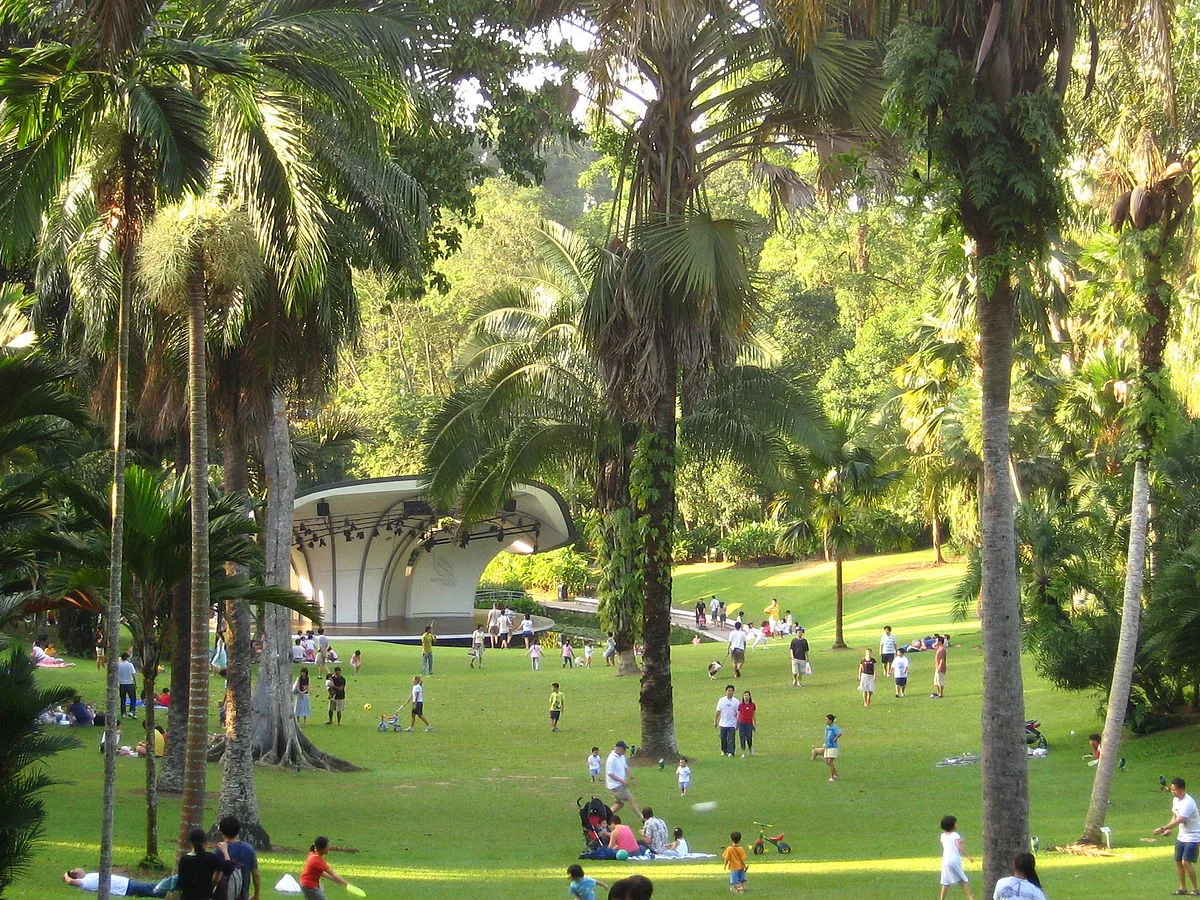
Rainforest remnants and Victorian-era landscapes coexist within this 82-hectare sanctuary, located just a stone's throw from the luxury shopping malls of Orchard Road. Established in 1859, the gardens serve as a living record of the region's colonial and botanical history. Giant Tembusu trees, with their low-hanging branches, provide shade for families lounging on the grass near Swan Lake. Unlike the high-tech marvels found at the coast, this park feels organic and deeply rooted in the soil. It is a place of winding gravel paths, white gazebos, and the heavy scent of tropical blossoms that have greeted visitors for over a century and a half.
Rainforest remnants and Victorian-era landscapes coexist within this 82-hectare sanctuary, located just a stone's throw from the luxury shopping malls of Orchard Road.
a botanical garden, 1822
Sir Stamford Raffles first conceived of a botanical garden in 1822, but the current site was developed later by an agri-horticultural society. Under the direction of Henry Nicholas Ridley in the late 19th century, the gardens became the center of a global economic shift. Ridley perfected the technique of 'herringbone' tapping for rubber trees here, which catalyzed the rubber boom in Malaya and changed the world's industrial landscape. The layout still reflects the English Landscape Movement style, characterized by rolling lawns and carefully placed clusters of trees. In 2015, it became Singapore's first UNESCO World Heritage site, cementing its status as more than just a park.
Early morning brings a specific energy
Early morning brings a specific energy as the humidity begins to rise and the local community gathers for Tai Chi beneath the trees. The National Orchid Garden sits at the highest point, featuring over 1,000 species and 2,000 hybrids that create a riot of color against the deep green foliage. You will likely encounter monitor lizards sunning themselves near the Eco-Lake or hear the raucous calls of parakeets in the canopy. The ginger garden, with its cooling waterfall and broad leaves, offers a sensory retreat where the air smells faintly of spice. It is a place that rewards slow movement and quiet observation rather than frantic sightseeing.
The Botanic Gardens MRT station provides
The Botanic Gardens MRT station provides immediate access to the Bukit Timah Gate at the northern end of the park. If you prefer to start at the historic Tanglin Core, take a bus or taxi to the Napier Road entrance. The gardens are roughly linear, so entering at one end and exiting at the other allows you to see the full progression from modern educational zones to the historic heart of the site.
The Botanic Gardens MRT station provides immediate access to the Bukit Timah Gate at the northern end of the park.
The Experience
The air feels ten degrees cooler under the dense canopy of the 6-hectare primary rainforest fragment, where the sunlight filters through in thin, dusty needles. First, the transition from the manicured beauty of the Orchid Garden to the wilder, tangled edges near the Evolution Garden. On Saturday evenings, the Symphony Lake often hosts outdoor performances, where the music carries across the water to people spread out on picnic blankets under a darkening equatorial sky.
Why It Matters
This is the only tropical botanic garden on the UNESCO World Heritage list. It represents a rare successful transplant of British landscape design into an equatorial environment and served as the literal birthplace of the modern rubber industry, which reshaped the economy of Southeast Asia.
Why Visit
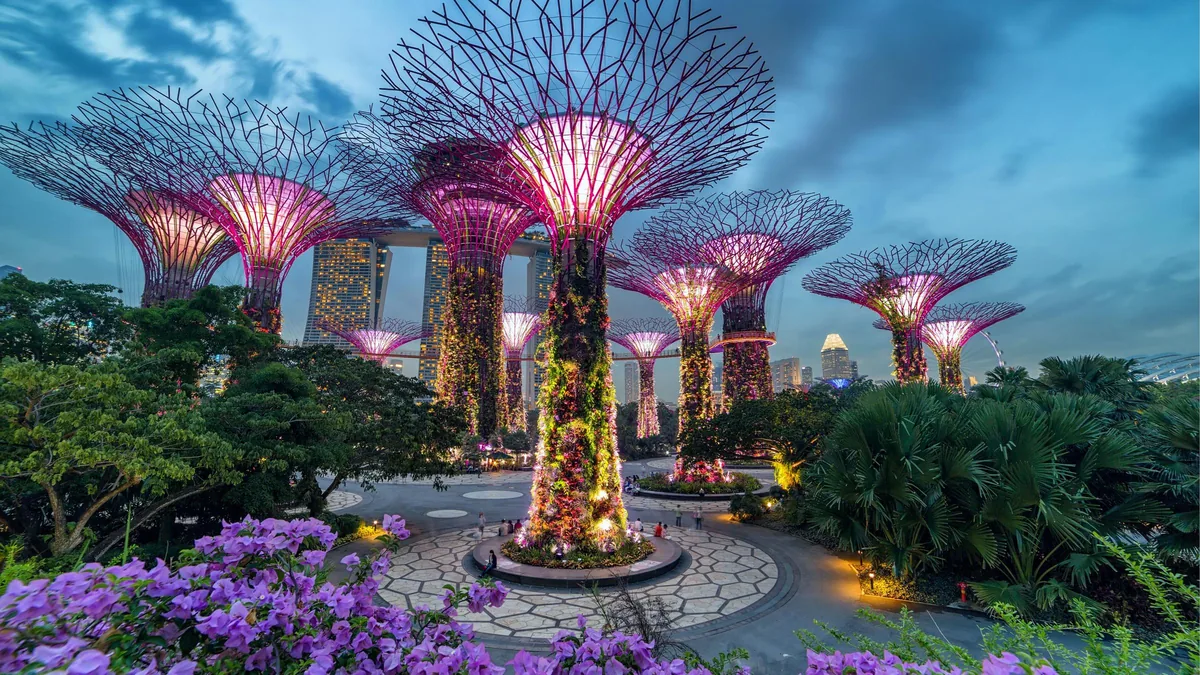
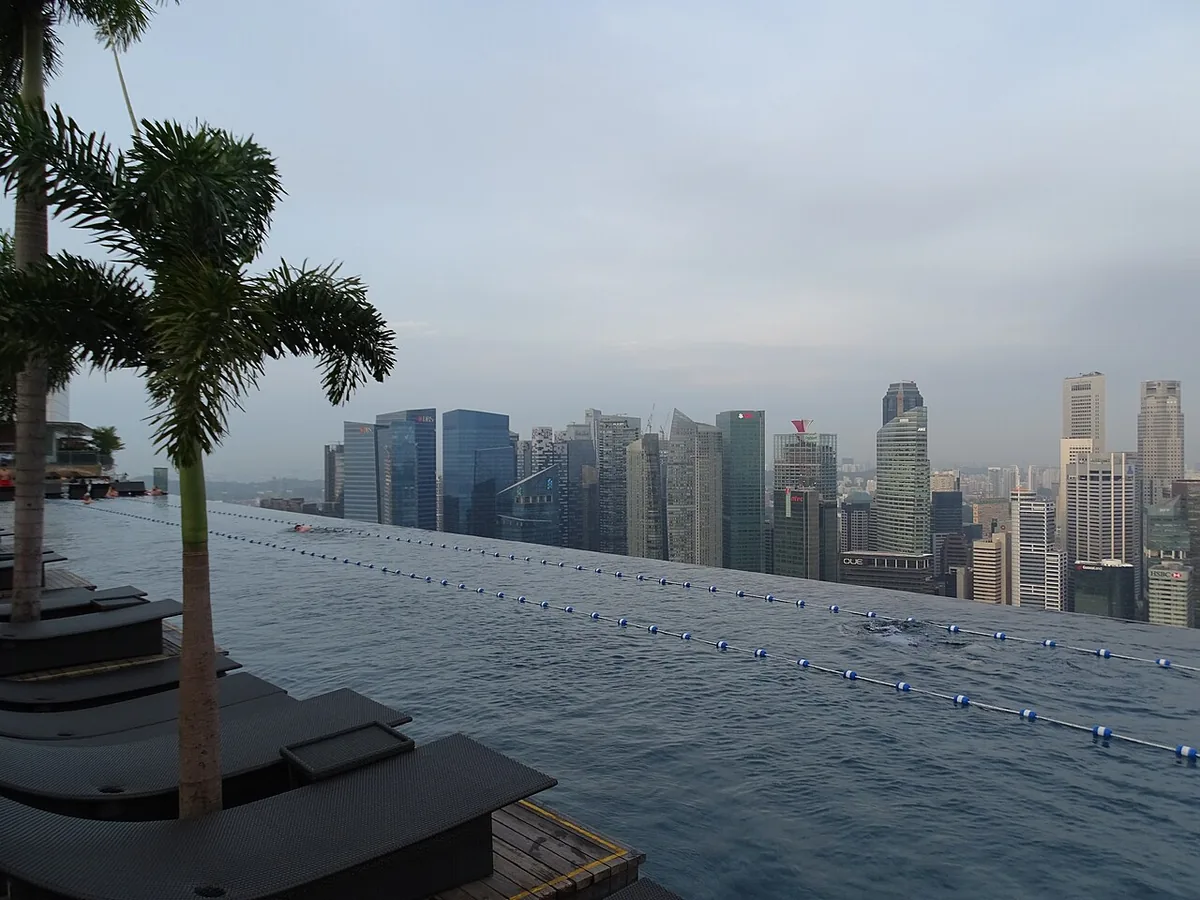
The soul of Singapore. While Marina Bay is the city's glossy business card, the Botanic Gardens are its back porch, a place of genuine local life where you can see the very trees that funded the city's rise to prominence.
✦ Insider Tips
- 1
The National Orchid Garden charges a small fee, but seniors and students receive a significant discount if they show identification.
- 2
Locate the Heritage Tree labeled 'Tembusu' near the lawn; its distinctive low branch was once featured on the Singapore five-dollar note.
- 3
The Learning Forest features elevated boardwalks that allow you to walk through the freshwater swamp habitat without getting your boots muddy.
- 4
Bring a picnic to the Bandstand area around 5:30 PM to enjoy the Victorian architecture as the golden hour light hits the white wood.
- 5
Use the 'Tyersall' entrance for the quickest access to the most impressive tropical displays if you are short on time.