One of the most biodiverse coastal habitats in Southeast Asia was saved from being buried under landfill by a group of weekend birdwatchers and a lucky tide.
About Chek Jawa Wetlands
For decades, the area was the private playground of a few local villagers and the residents of 'House No. 1,' a colonial-era bungalow that features the island's only remaining working fireplace. The discovery of the 'Neptune’s Cup' sponge here, thought to be extinct globally for over a century, changed the scientific community's understanding of the region's marine health. Since its protection in 2001, the wetlands have become a vital research site for understanding how mangroves protect shorelines from erosion in the face of rising sea levels.
What Chek Jawa Wetlands actually is
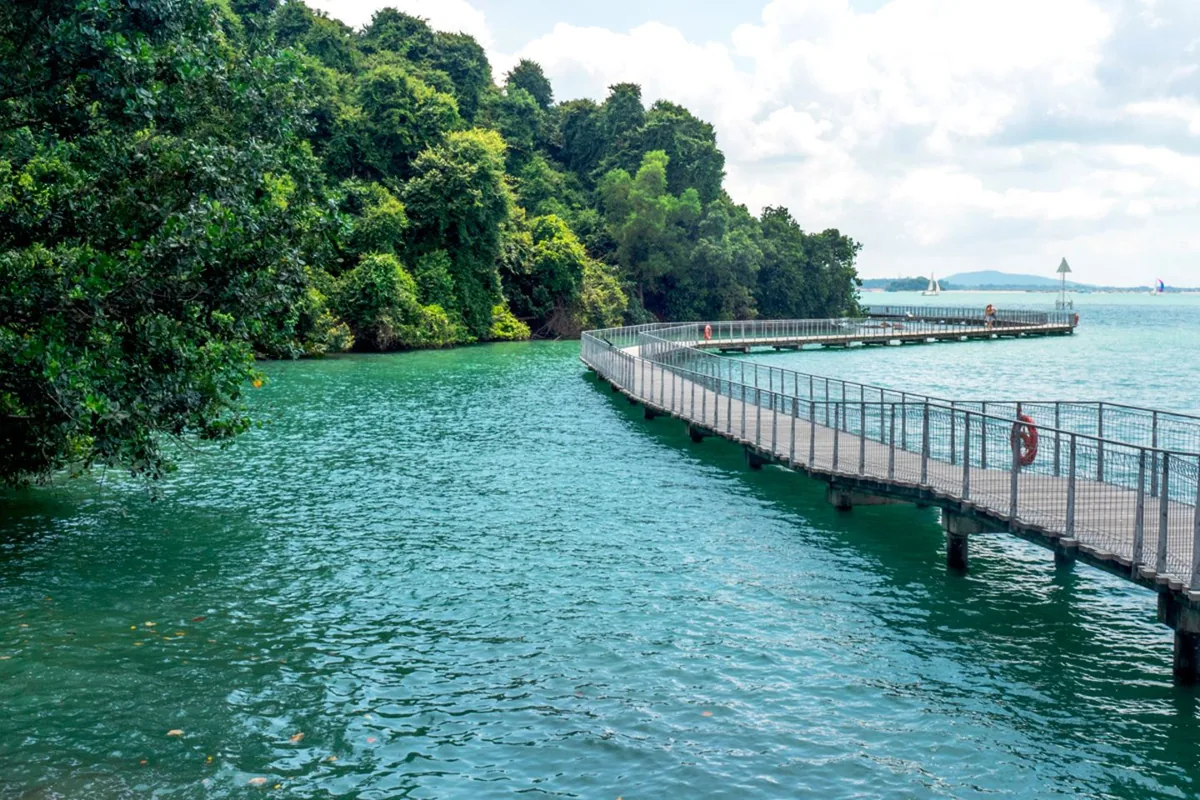
Six distinct ecosystems converge on a hundred-hectare patch of coastline at the eastern tip of Pulau Ubin, creating a biological crossroads that was nearly lost to history. Coastal forests, mangroves, sandy beaches, mudflats, coral rubble, and seagrass lagoons coexist here in a rare environmental harmony. During low tide, the receding water reveals a hidden world of peacock anemones, sea stars, and rare sponges that cling to the exposed reef. A looping boardwalk allows visitors to hover over the fragile terrain without crushing the life beneath, while a twenty-meter viewing tower offers a panoramic look at the Johor Strait and the dense canopy of the island.
The wetlands remained largely unknown to the general
The wetlands remained largely unknown to the general public until 2000, when a land reclamation project threatened to bury the entire area under tons of sand. A group of volunteer biologists and nature lovers conducted an emergency survey, discovering an incredible wealth of biodiversity that no one realized existed in Singapore’s backyard. Their passionate public campaign convinced the government to defer the reclamation plans indefinitely in 2001, marking a watershed moment for environmental activism in the nation. The site was subsequently developed into a managed reserve, preserving the old Tudor-style cottage, built in the 1930s as a holiday retreat, as a visitor center that still stands on the shoreline today.
It smells of salt and decomposing mangrove
It smells of salt and decomposing mangrove leaves, a sharp, earthy scent that signals you have left the manicured city behind. The rhythmic 'pop' of snapping shrimp and the distant, melodic whistle of a straw-headed bulbul. Along the boardwalk at low tide, The frantic scurrying of fiddler crabs with their oversized claws and the slow, deliberate movement of mudskippers navigating the silt. The light at dawn is ethereal, filtering through the tangled roots of the mangroves to illuminate the shallow pools where carpet anemones sway in the current. It is a place of quiet observation, where the complexity of life is laid bare on the muddy floor.
Reaching the wetlands requires a two-step
Reaching the wetlands requires a two-step journey: first, a ten-minute bumboat ride from Changi Point Ferry Terminal to Pulau Ubin. Once on the island, you can rent a bicycle at the main village and cycle the four-kilometer trail to the eastern end, or hire a local van for a bumpy but quick ride. The cycling route is hilly and unpaved in sections, so a moderate level of fitness is helpful for those navigating the jungle paths on two wheels.
The Experience
What you hear is the wind through the seagrass lagoons is the only thing that breaks the silence of the mudflats. The isolation of the island as the city skyline appears like a distant mirage across the water. First, the way the light changes as you climb the Jejawi Tower, revealing the intricate patterns of the mangrove rivers snaking through the forest. It is a moment of profound stillness that makes you forget you are in one of the most densely populated countries on earth.
Why It Matters
This site is the crown jewel of Singapore's natural heritage. It represents the successful intersection of grassroots activism and government policy, proving that even a small nation can find room to preserve complex, non-human worlds alongside industrial development.
Why Visit
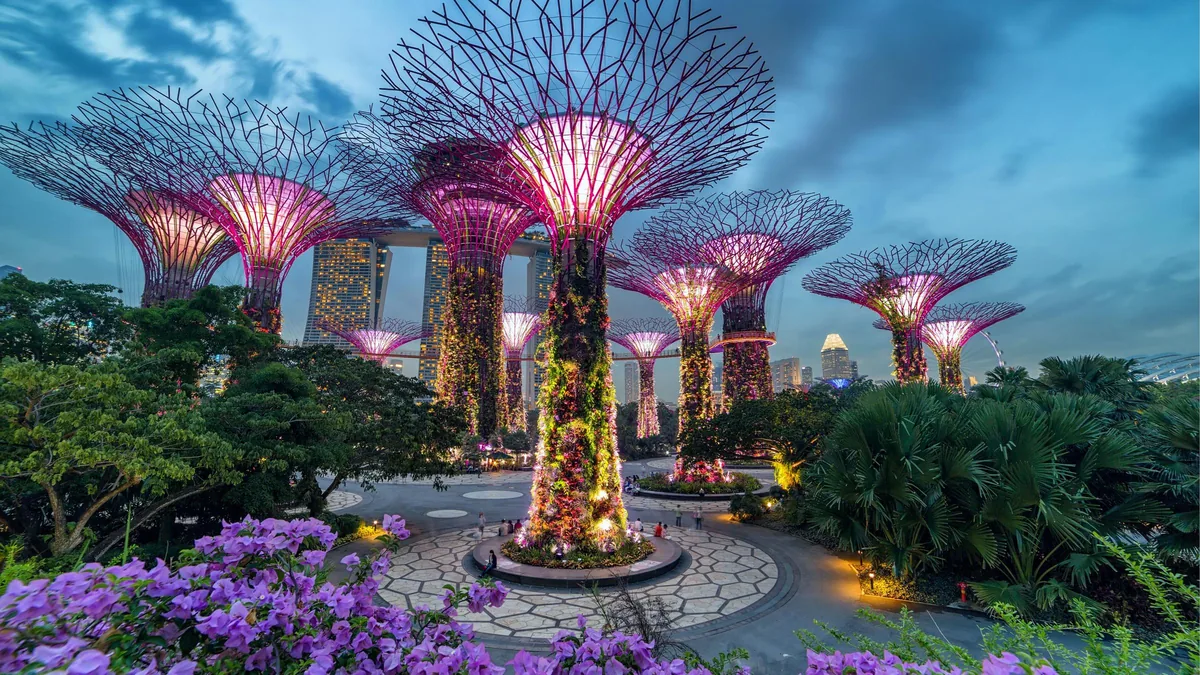
What matters is that this is the wild, unscripted version of Singapore. While the mainland has the Supertrees and the domes, Chek Jawa has the raw, unpredictable beauty of a real reef and a forest that has never known a gardener's shears.
✦ Photo Gallery
Best Season
🌤 The experience depends entirely on the tides rather than the months; check the local tide tables and aim for a morning when the tide is 0.5 meters or lower to see the marine life.
Quick Facts
Best time to visit
The experience depends entirely on the tides rather than the months; check the local tide tables and aim for a morning when the tide is 0.5 meters or lower to see the marine life.
Getting there
In Pulau Ubin, Singapore; reach Pulau Ubin first, then continue to the site.
Location
Pulau Ubin, Singapore
Type
attraction
Insider Tips
- 1
Check the National Parks Board website for tide times before traveling; the most interesting marine life is completely invisible during high tide.
- 2
The House No. 1 visitor center is a rare example of 1930s Tudor-style architecture in the tropics and is worth a stop for the fireplace alone.
- 3
Bring plenty of mosquito repellent, as the mangrove sections of the boardwalk are home to some of the island's most determined insects.
- 4
Look for the wild boars that often roam the paths near the entrance; they are generally harmless but should be given a wide berth.