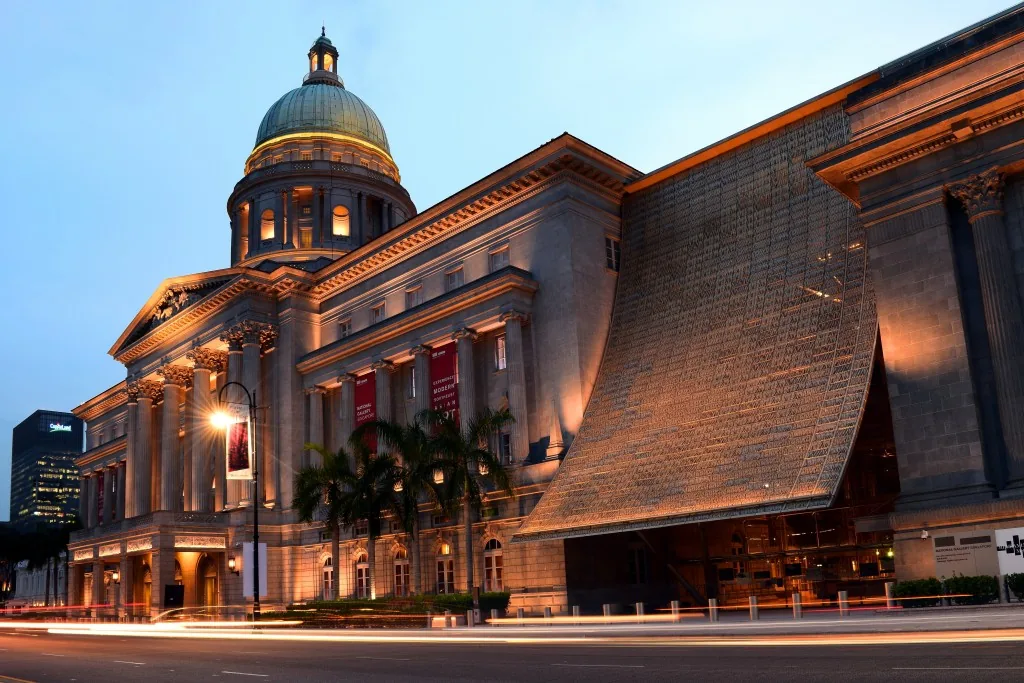
“Hidden behind the palm trees and rollercoasters of a modern resort island lies a network of tunnels where the British Empire’s confidence famously turned to dust in 1942.”
About Fort Siloso
Named after the Malay word for 'rock,' the fort was part of a triad of defenses including Fort Connaught and Fort Serapong. Engineers carved the batteries directly into the hillside, creating a maze of magazines and barracks that could withstand heavy bombardment. During the Japanese occupation, the site was known as Syonan-to and served as a grim detention center for Allied soldiers, many of whom left inscriptions on the walls that can still be found by sharp-eyed visitors today.
What Fort Siloso is
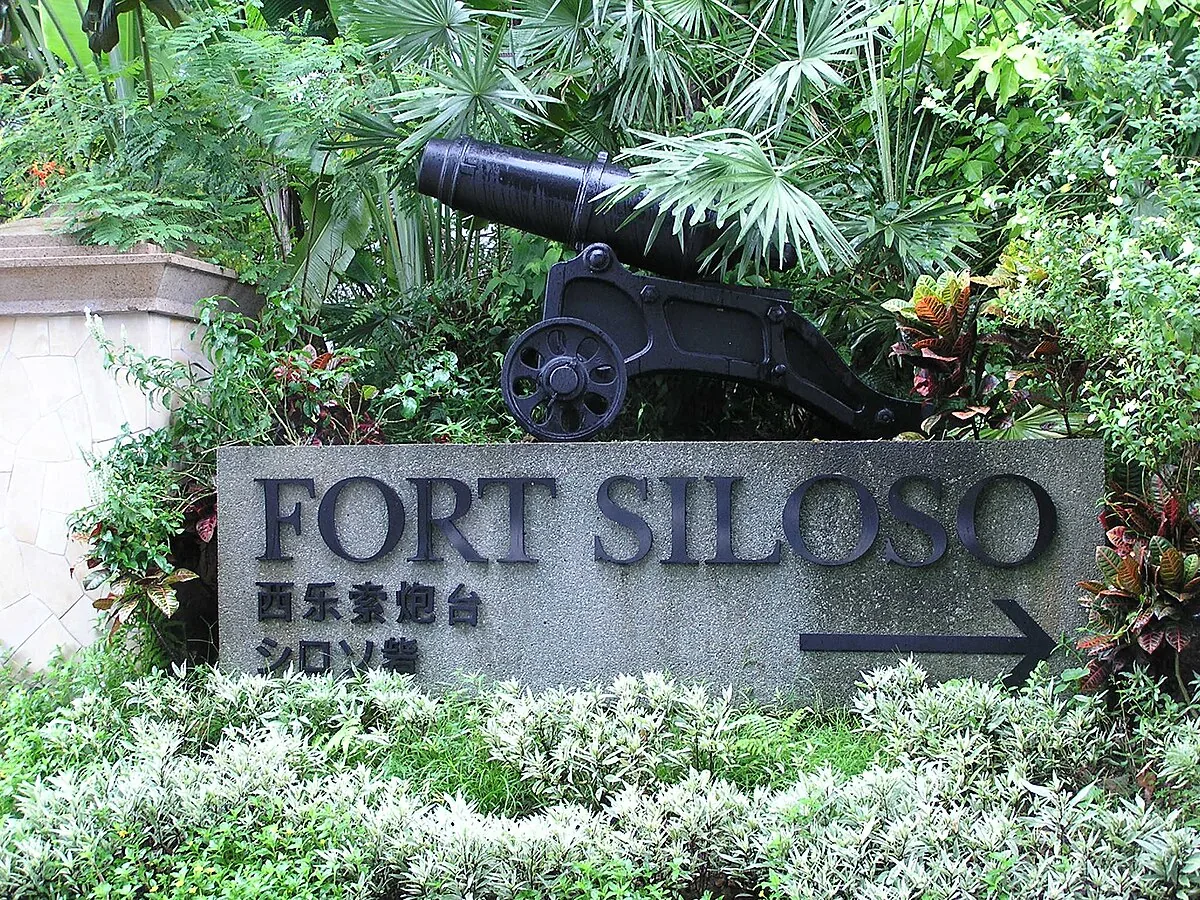
Perched on the western tip of Sentosa Island, this coastal battery is the last preserved coastal fortification from a network that once defended the British Empire’s most valuable Far East port. Unlike the manicured theme parks that dominate the rest of the island, Fort Siloso is a place of rusted iron, damp concrete bunkers, and heavy silence. It preserves a collection of 19th and 20th-century artillery, including massive 6-inch guns that were meant to sink enemy ships but ultimately faced the wrong way when the threat arrived by land. It is a haunting, tangible reminder of the day the 'impregnable fortress' of Singapore finally fell.
Perched on the western tip of Sentosa Island, this coastal battery is the last preserved coastal fortification from a network that once defended the British Empire’s most valuable Far East port.
The British built the fort
The British built the fort in the 1880s to protect the narrow western entrance to Keppel Harbour against potential naval raids. Over the decades, it was upgraded with subterranean magazines and sophisticated fire control systems. However, during the Battle of Singapore in 1942, the guns were largely ineffective against the Japanese forces moving south through the Malayan jungle. After the surrender, the fort became a prisoner-of-war camp. It was later used by the British again during the Konfrontasi period in the 1960s before being decommissioned and turned into a military museum in 1974.
The journey begins on the Fort Siloso Skywalk
The journey begins on the Fort Siloso Skywalk, an eleven-story high bridge that takes you through the jungle canopy with sweeping views of the industrial shipyards across the water. Once inside the fort grounds, the temperature seems to drop entering the tunnels where ammunition was once stored. You will see wax figures in the Surrender Chambers that recreate the tense atmosphere of 1942 and 1945. The sound of cicadas is constant, punctuated only by the occasional distant horn of a passing tanker. It is a gritty, unvarnished look at history that feels worlds away from the neon lights of the nearby resorts.
Take the Sentosa Express monorail to Beach Station
Take the Sentosa Express monorail to Beach Station and then transfer to the free Sentosa Beach Shuttle or the Bus A. Alternatively, the most dramatic entrance is via the Fort Siloso Skywalk, which you can reach by taking a lift near the Shangri-La Rasa Sentosa resort. Walking the skywalk is free and provides the best context for how the fort commanded the sea lanes.
Take the Sentosa Express monorail to Beach Station and then transfer to the free Sentosa Beach Shuttle or the Bus A.
The Experience
The smell of damp earth and old metal greets you as you descend into the battery command post. The mass of the weight of the low concrete ceilings and the claustrophobia of the narrow corridors where soldiers lived during the Blitz. From the Gun Point, the sun beats down on the black steel barrels while you look out over the turquoise water, realizing how deceptive the tropical beauty must have been to those waiting for an invasion that came from the opposite direction.
Why It Matters
This is Singapore’s only remaining coastal battery, serving as a visceral classroom for the nation’s history of vulnerability and resilience. It remains a physical rebuttal to the myth of colonial invincibility and a site of memory for the thousands of lives changed by the events of the Second World War.
Why Visit
You should visit for the perspective. While the rest of Singapore celebrates its rapid ascent, Fort Siloso asks you to pause and consider the cost of that progress and the fragility of peace. It offers a rare, somber counterpoint to the city's relentless shine.
✦ Insider Tips
- 1
The Skywalk lift often has a queue, but there is a hidden staircase behind the tower that is much faster and provides better views.
- 2
Look for the original graffiti scratched into the bricks by British soldiers in the 1930s near the engine room.
- 3
The 'Surrender Chambers' show features moving audio-visual elements; wait for the next cycle to start rather than joining halfway through.
- 4
Carry water, as the vending machines inside the fort grounds are notoriously temperamental and often empty.
- 5
Combine your visit with a walk along the coastal trail to see the remnants of the old pier where supplies were once landed.