“This single building was so successful it revived an entire declining industrial city, an effect now named after it.”
About Guggenheim Museum Bilbao
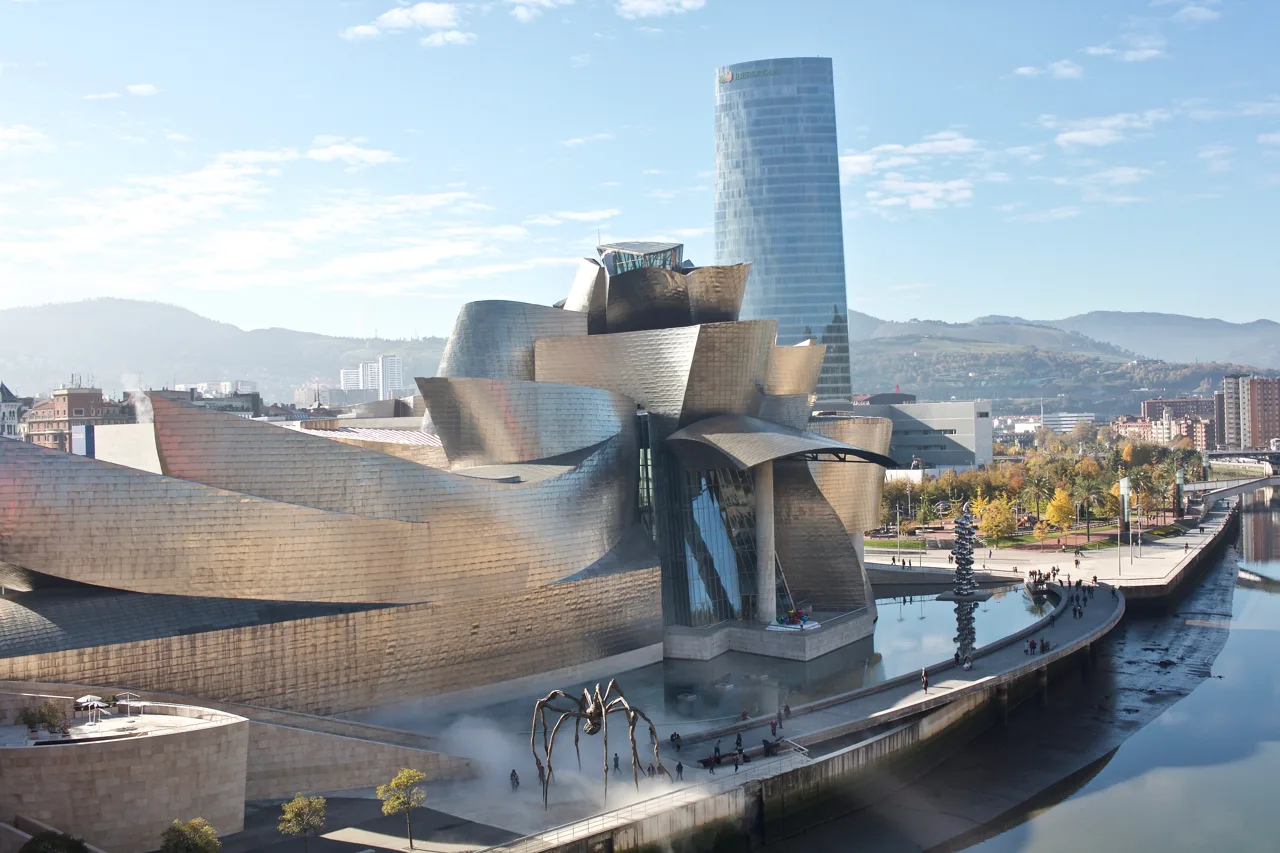
The Guggenheim Bilbao opened in 1997 as part of a plan to regenerate Bilbao, a port and steel city in decline. Frank Gehry's radical titanium-clad design became a global sensation, and its dramatic success in attracting tourism and investment coined the term the 'Bilbao effect', inspiring cities worldwide to commission landmark architecture. It houses modern and contemporary art and large-scale installations.
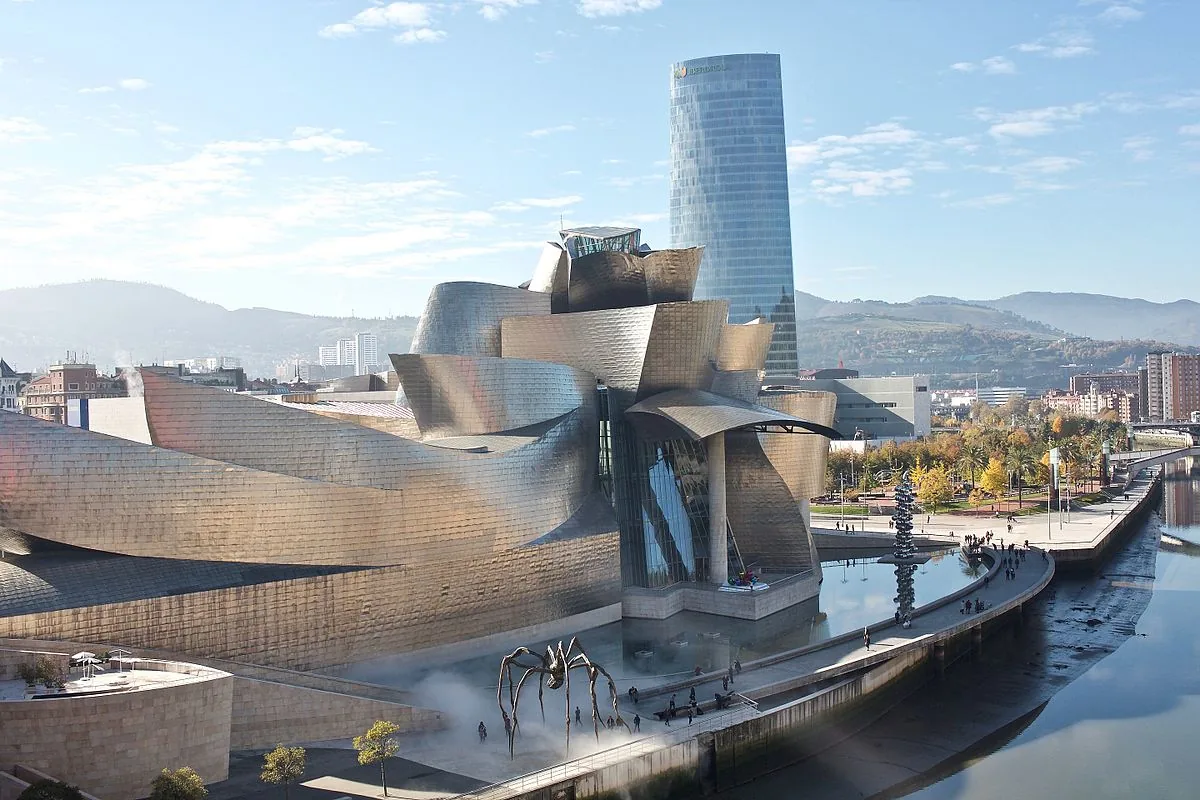
What Guggenheim Museum Bilbao is
The Guggenheim Museum Bilbao is a museum of modern and contemporary art on the riverfront of Bilbao in the Basque Country, and one of the most celebrated buildings of the late 20th century. Designed by Frank Gehry and clad in shimmering titanium, its swirling, sculptural form is so iconic that it transformed the fortunes of an entire city.
The Guggenheim Museum Bilbao is a museum of modern and contemporary art on the riverfront of Bilbao in the Basque Country, and one of the most celebrated buildings of the late 20th century.
The Building That Saved a City
When it opened in 1997, Gehry's titanium-clad masterpiece, with its ship-like curves rippling beside the Nervion River, became an instant icon and triggered what is now called the 'Bilbao effect': a single spectacular building so successful that it regenerated a declining industrial city, drawing millions of visitors and reshaping how cities use architecture for renewal. The 33,000 thin titanium plates that cover it catch and reflect the changing Basque light.
The Experience
You approach a building that seems to be in motion, its curving titanium surfaces shimmering and changing colour with the light and weather, guarded by Jeff Koons's giant flower 'Puppy' and a towering spider sculpture. Inside, vast galleries hold monumental works, including Richard Serra's huge steel sculptures. The architecture is the star, but the art and the riverside setting complete a landmark cultural experience.
Why It Matters
The Guggenheim Bilbao is one of the most influential buildings of modern times, a masterpiece of contemporary architecture that redefined the role of cultural landmarks in urban renewal. As the engine of Bilbao's transformation and a temple of modern art, it holds a unique place in architectural and cultural history.
The Guggenheim Bilbao is one of the most influential buildings of modern times, a masterpiece of contemporary architecture that redefined the role of cultural landmarks in urban renewal.
Why Visit
Frank Gehry's titanium-clad architectural icon in Bilbao, the building that revived a city, with monumental modern art and giant outdoor sculptures.
✦ Insider Tips
- 1
The building itself is the main attraction; walk all around it.
- 2
See Koons's 'Puppy' and the giant spider sculpture outside.
- 3
Don't miss Richard Serra's huge steel works inside.
- 4
The titanium glows beautifully at sunrise and sunset.