All landmarks and tourist attractions in Spain
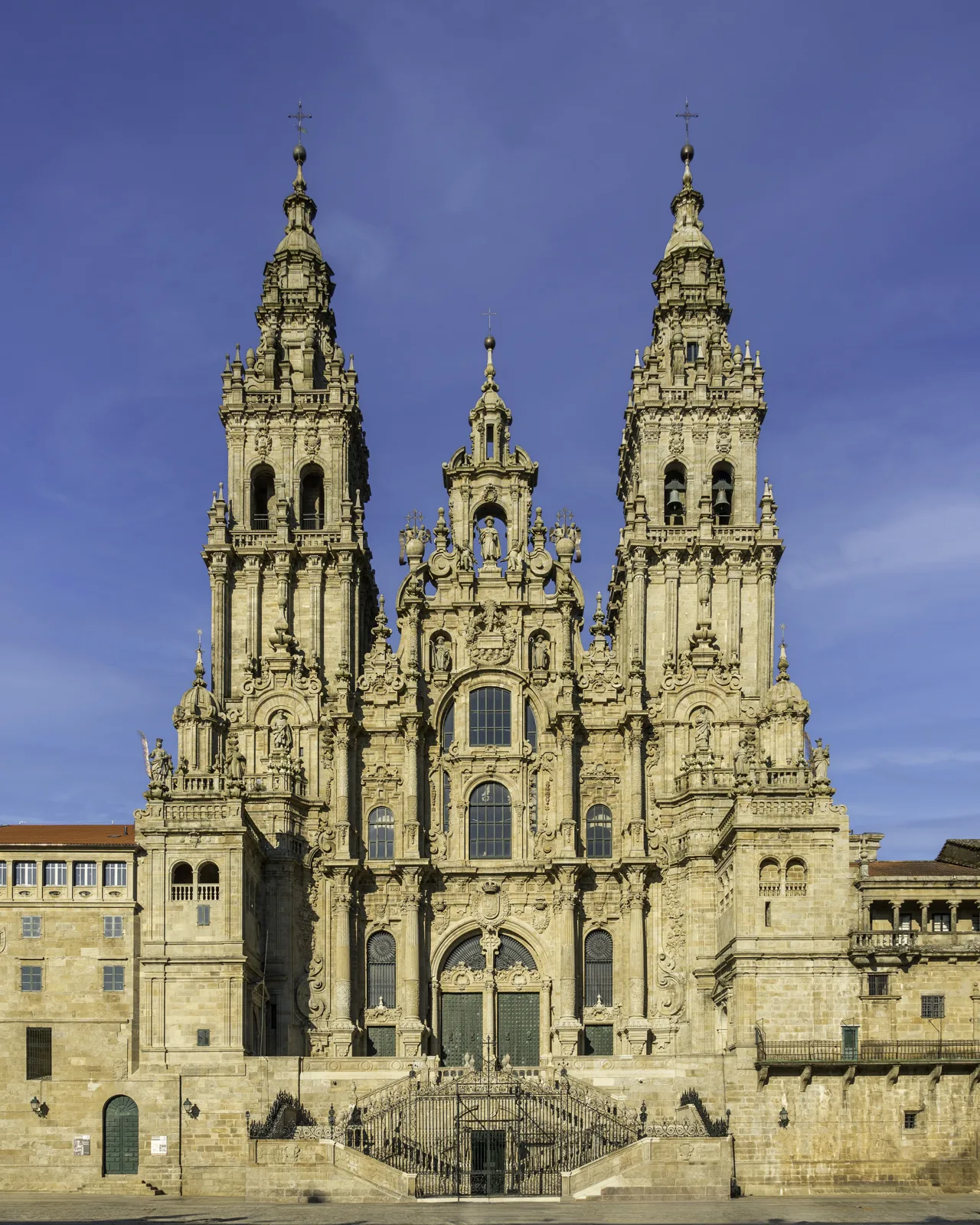
Catedral Santiago Compostela
Pilgrims have been arriving at this Galician cathedral over the claimed tomb of Saint James since the ninth century, and the emotional intensity of the Plaza del Obradoiro when a Camino group complete
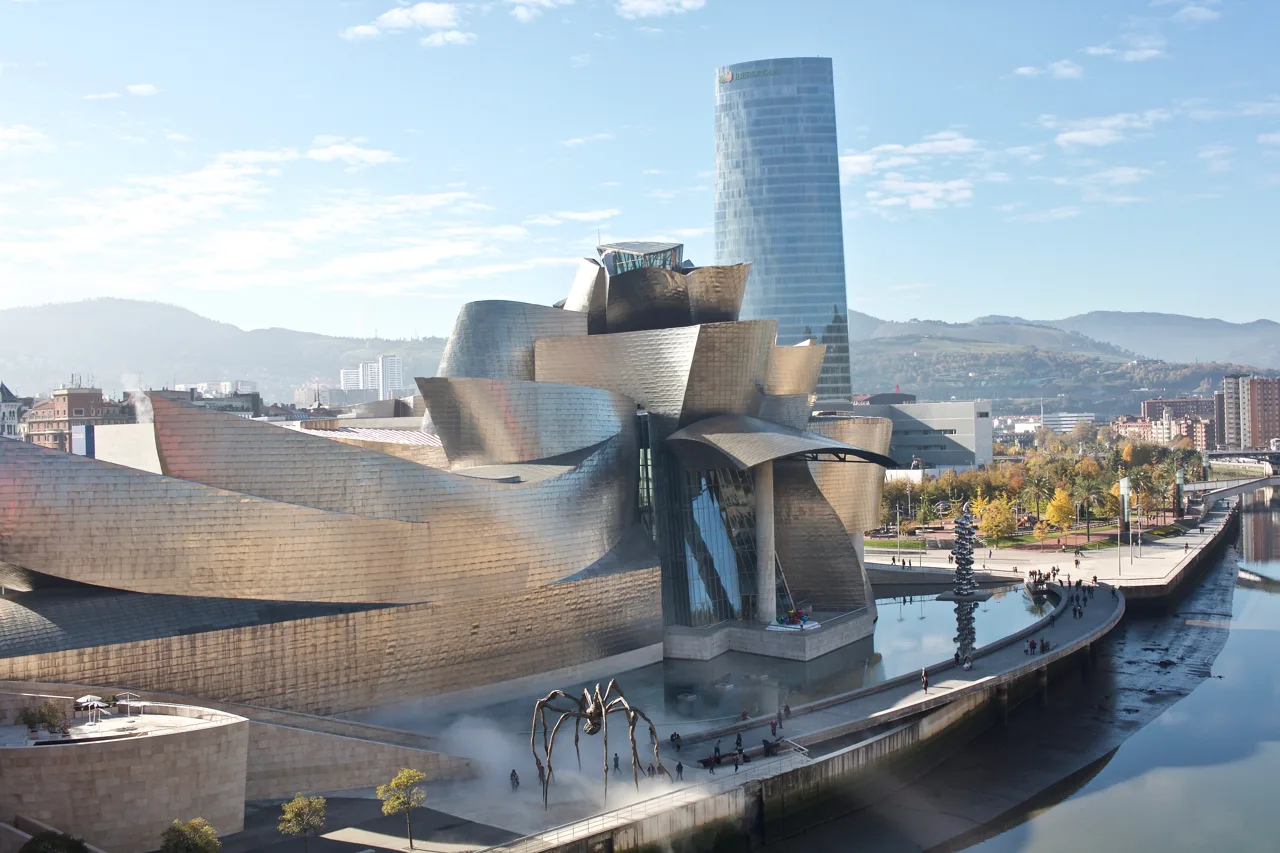
Guggenheim Bilbao
Frank Gehry's titanium-clad museum on Bilbao's former industrial waterfront became so successful at regenerating a depressed city that its impact entered urban planning vocabulary as 'the Bilbao effec
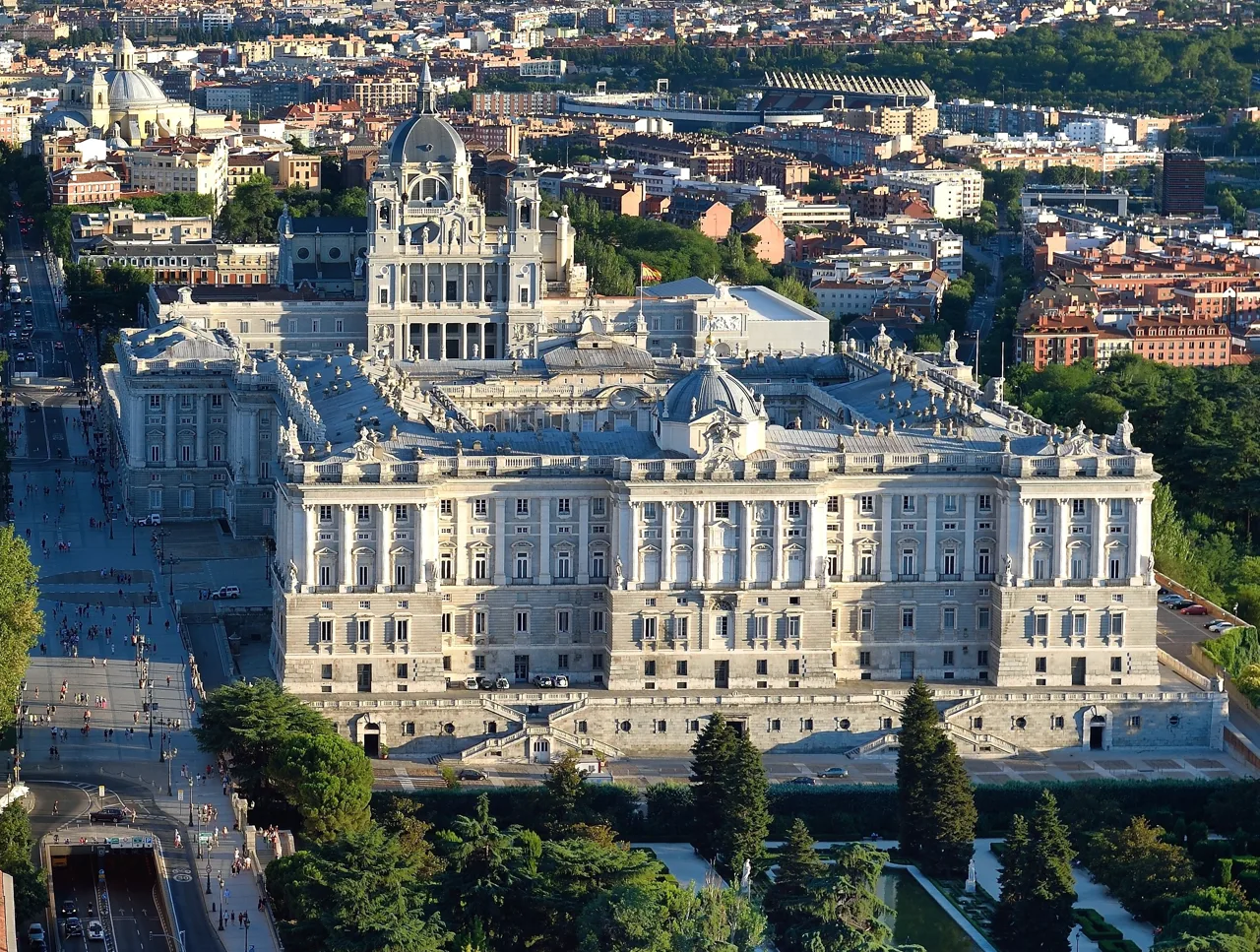
Royal Palace Madrid
The largest royal palace in Western Europe by floor area was built as a Bourbon dynastic statement after the original Alcázar burned in 1734, and the Throne Room ceiling was painted by Tiepolo.
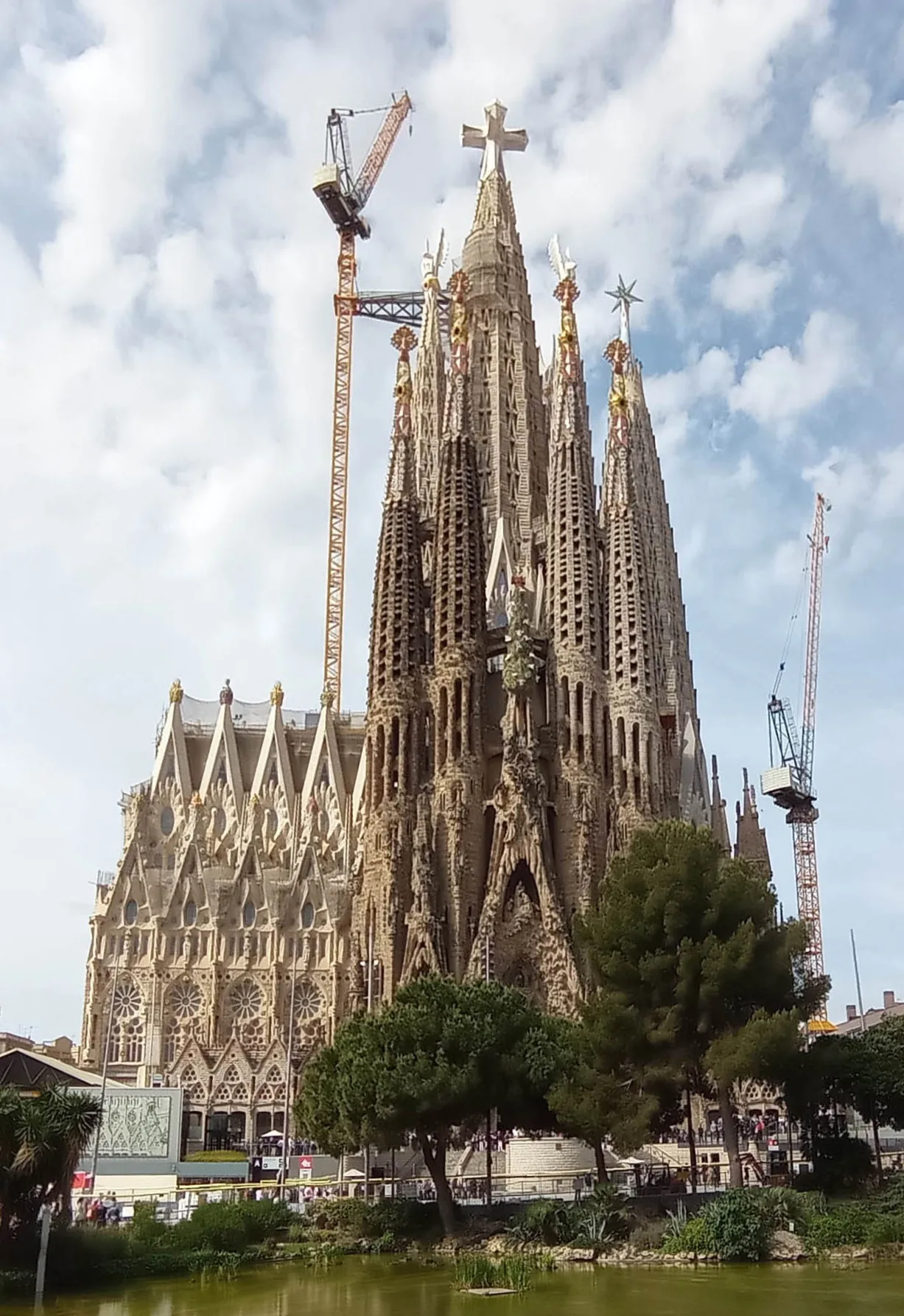
Sagrada Familia
Under continuous construction since 1882, this Barcelona basilica by Antoni Gaudí remains unfinished, and its interior, a forest of branching stone columns filtering colored light, is unlike any other
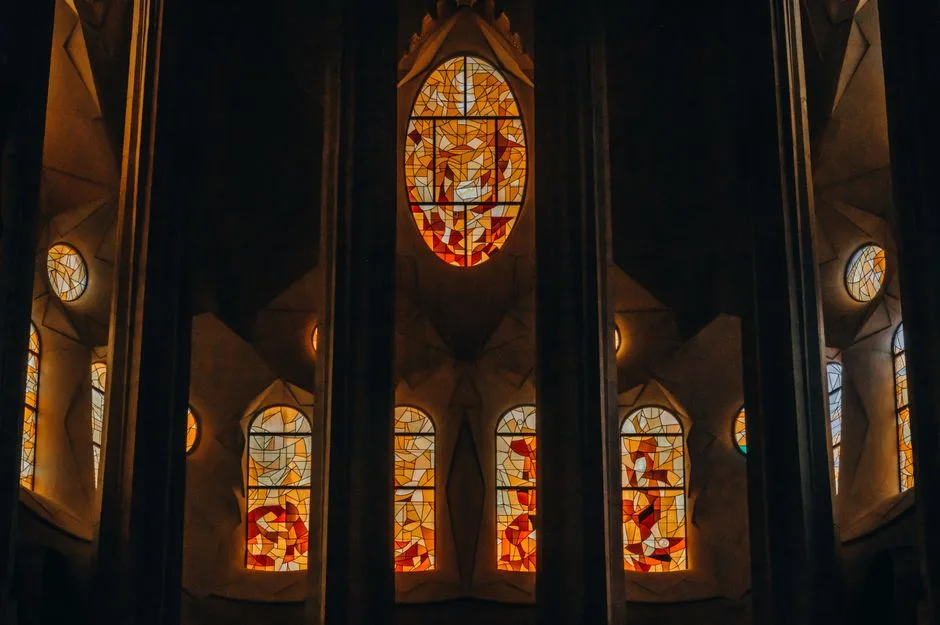
La Sagrada Família
Antoni Gaudí’s unfinished Modernista masterpiece has been under construction since 1882; the hyper-hyperboloid structures and forest-like columns rise toward 172 metres; arrive at 4 pm when the western stained glass floods the nave in scorching oranges and reds; the sound of masonry drills provides a constant percussive reminder that the structure is a living; breathing organism.
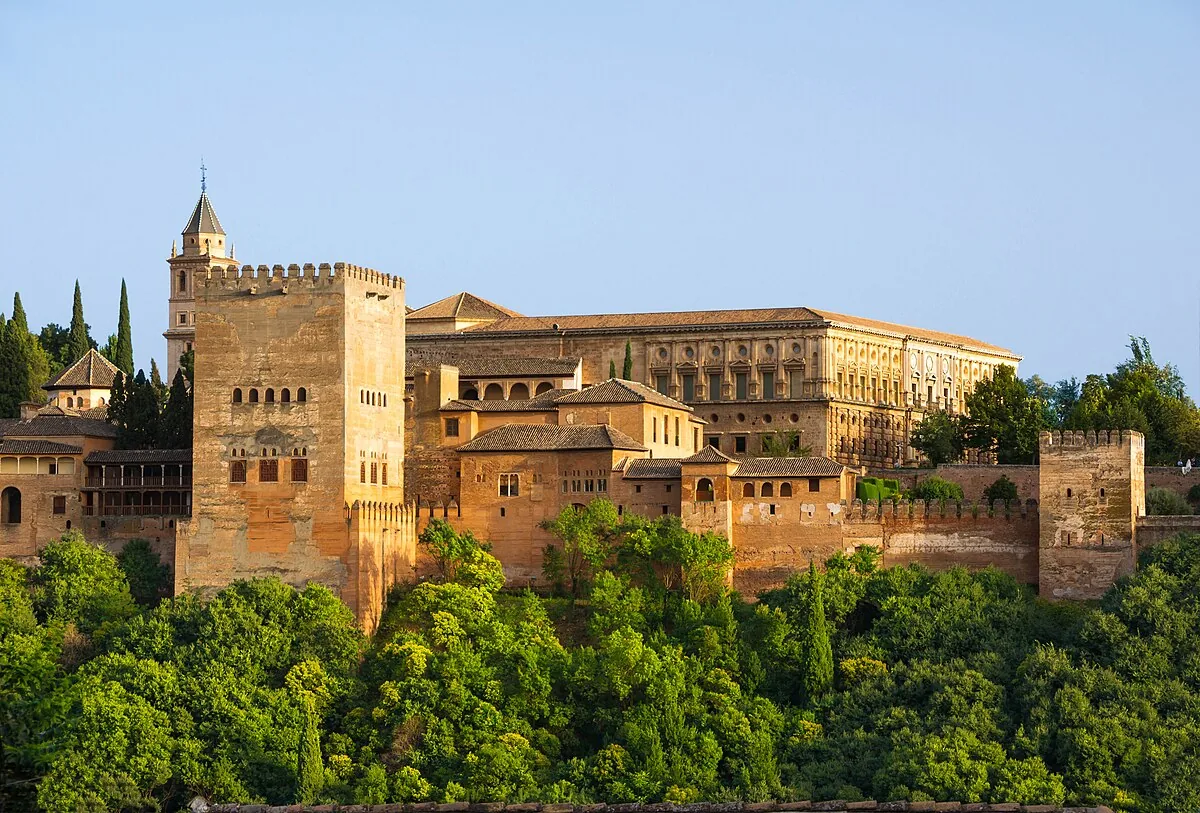
Alhambra
A 13th-century Nasrid citadel where the stucco walls are inscribed with infinite Arabic calligraphy; the Court of the Lions features 124 slender marble columns and a hydraulic system that predates modern plumbing; watch the sun-bleached limestone turn deep ochre from the San Nicolás viewpoint at dusk; the scent of jasmine from the Generalife gardens intensifies as the Sierra Nevada shadows lengthen.
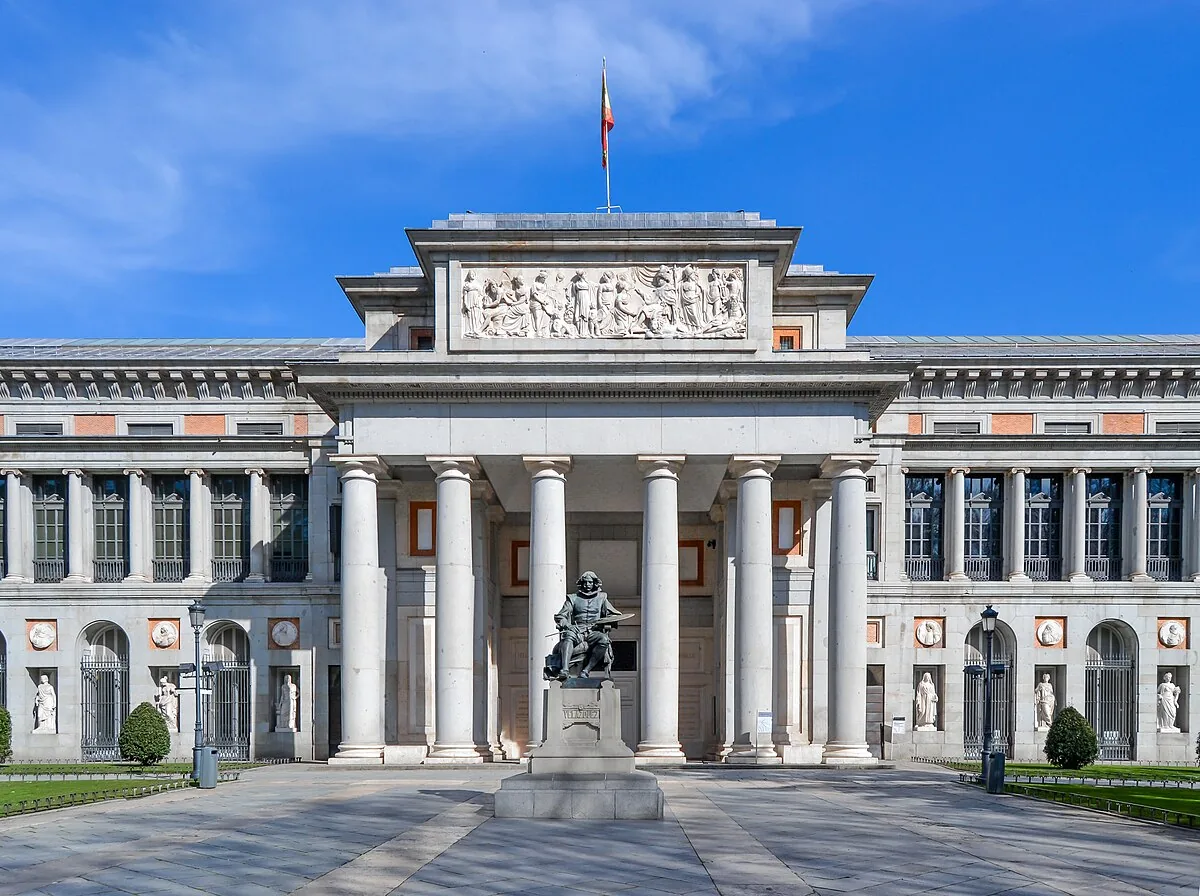
Museo del Prado
Spain's premier national art gallery houses the definitive collection of European masters from the 12th to the 19th century; stand before Velázquez’s Las Meninas to observe the complex spatial geometry; the natural light in the central gallery hits Goya’s Black Paintings with a particular severity at noon; enter through the Jerónimos entrance to avoid the primary morning surge of crowds.
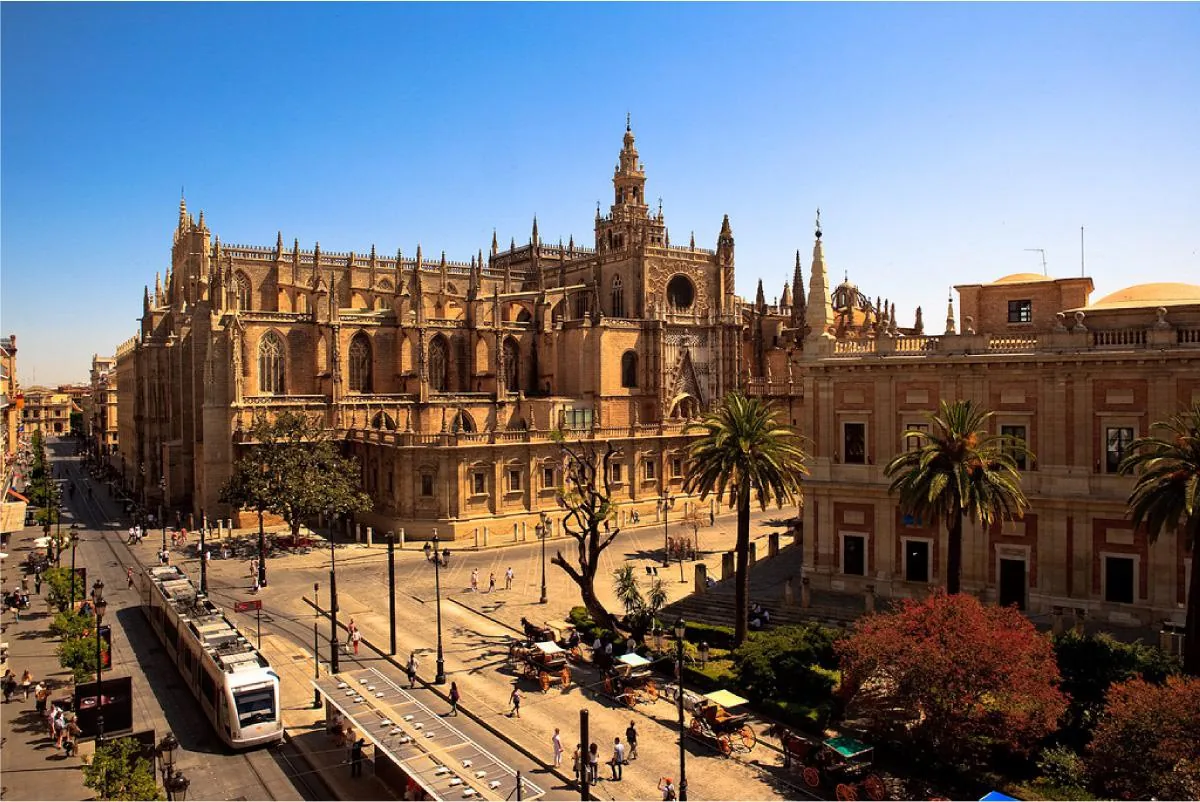
Catedral de Sevilla
The world’s largest Gothic cathedral was built over a 12th-century Almohad mosque; its Giralda bell tower rises 104 metres with ramps designed for an imam to ascend on horseback; the 15th-century main altarpiece contains over two tons of gold; climb the tower just before the bells toll to hear the mechanical roar echoing across the tiled rooftops of the Santa Cruz quarter.
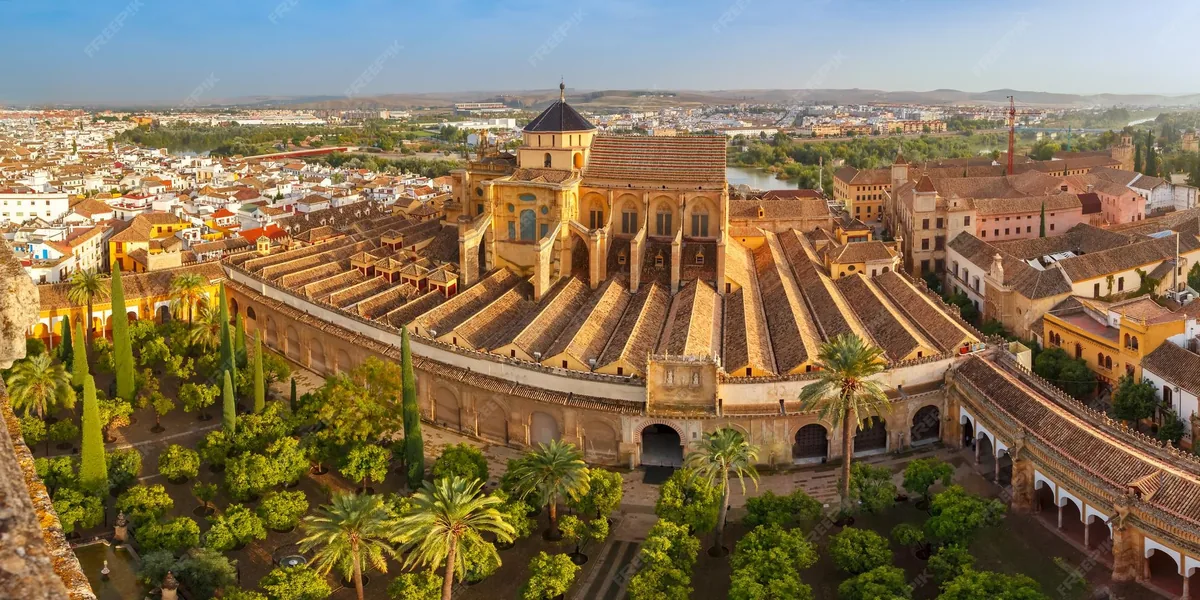
Mezquita-Catedral de Córdoba
An 8th-century forest of 856 jasper and marble columns supporting two-tiered red-and-white striped arches; the central Renaissance cathedral was inserted into the heart of the mosque in 1523; the Mihrab’s gold mosaics capture the low morning sun through high clerestory windows; the orange trees in the Patio de los Naranjos offer a citrus-heavy fragrance that defines the entrance ritual.
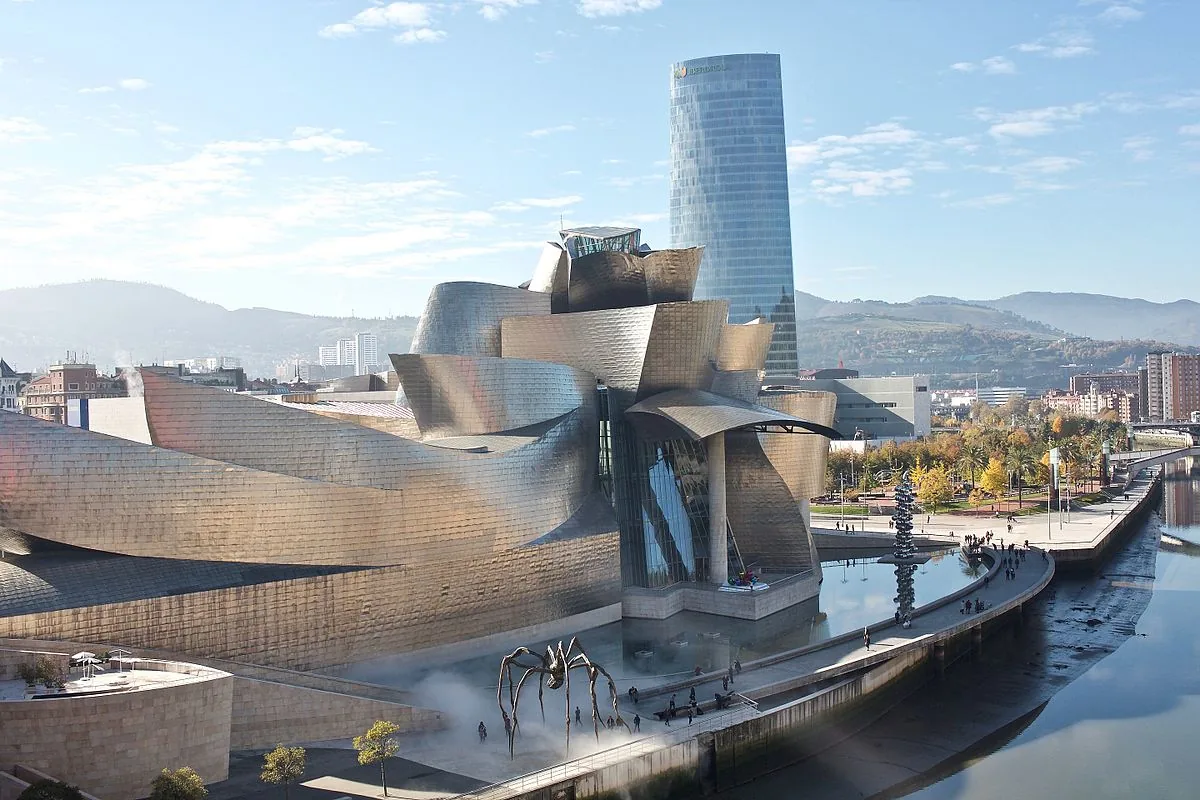
Guggenheim Museum Bilbao
Frank Gehry’s 1997 titanium-clad masterpiece anchored the city’s industrial rebirth along the Nervión River; the 33,000 thin titanium plates ripple like fish scales under the Basque grey sky; walk the perimeter at sunrise when the metallic surface reflects the river's mercury-like texture; the 13-metre-tall topiary 'Puppy' by Jeff Koons guards the entrance with a rotating seasonal floral coat.
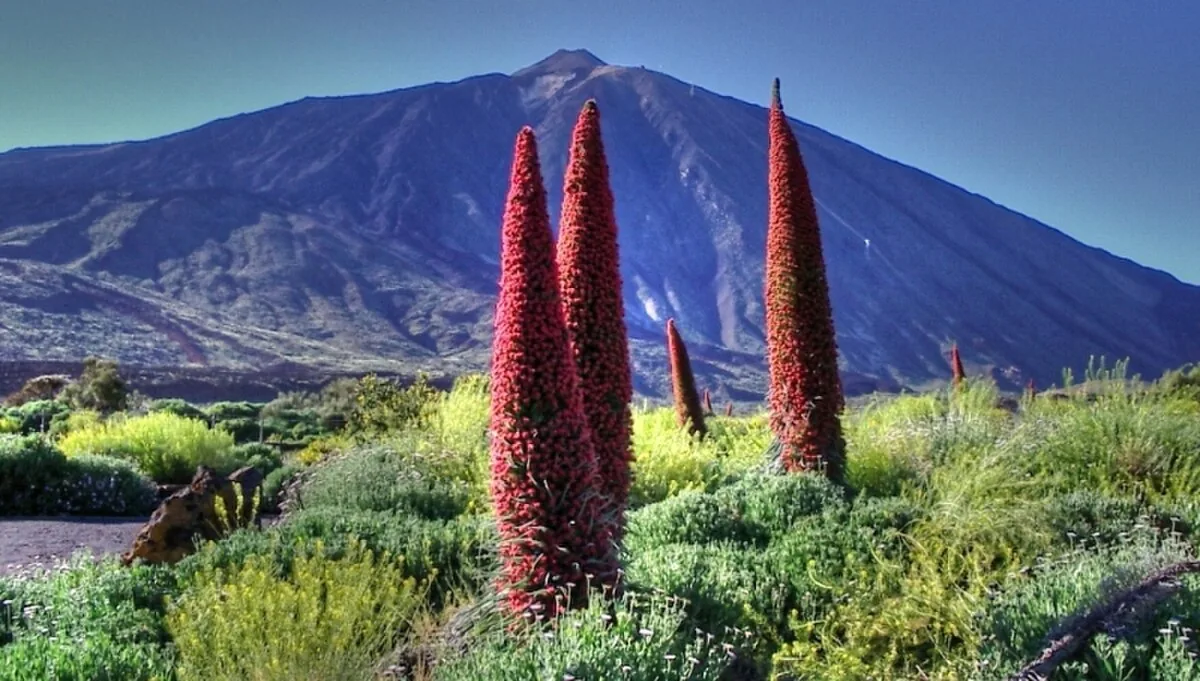
Teide National Park
Spain’s highest peak rises 3,718 metres above the Atlantic from a 16-kilometre-wide volcanic caldera; the Mars-like landscape of Las Cañadas features twisted phonolite rock formations and obsidian flows; ascend by cable car at first light to see the triangular shadow of the volcano projected 40 kilometres across the ocean; the silence at the crater rim is broken only by volcanic fumaroles.
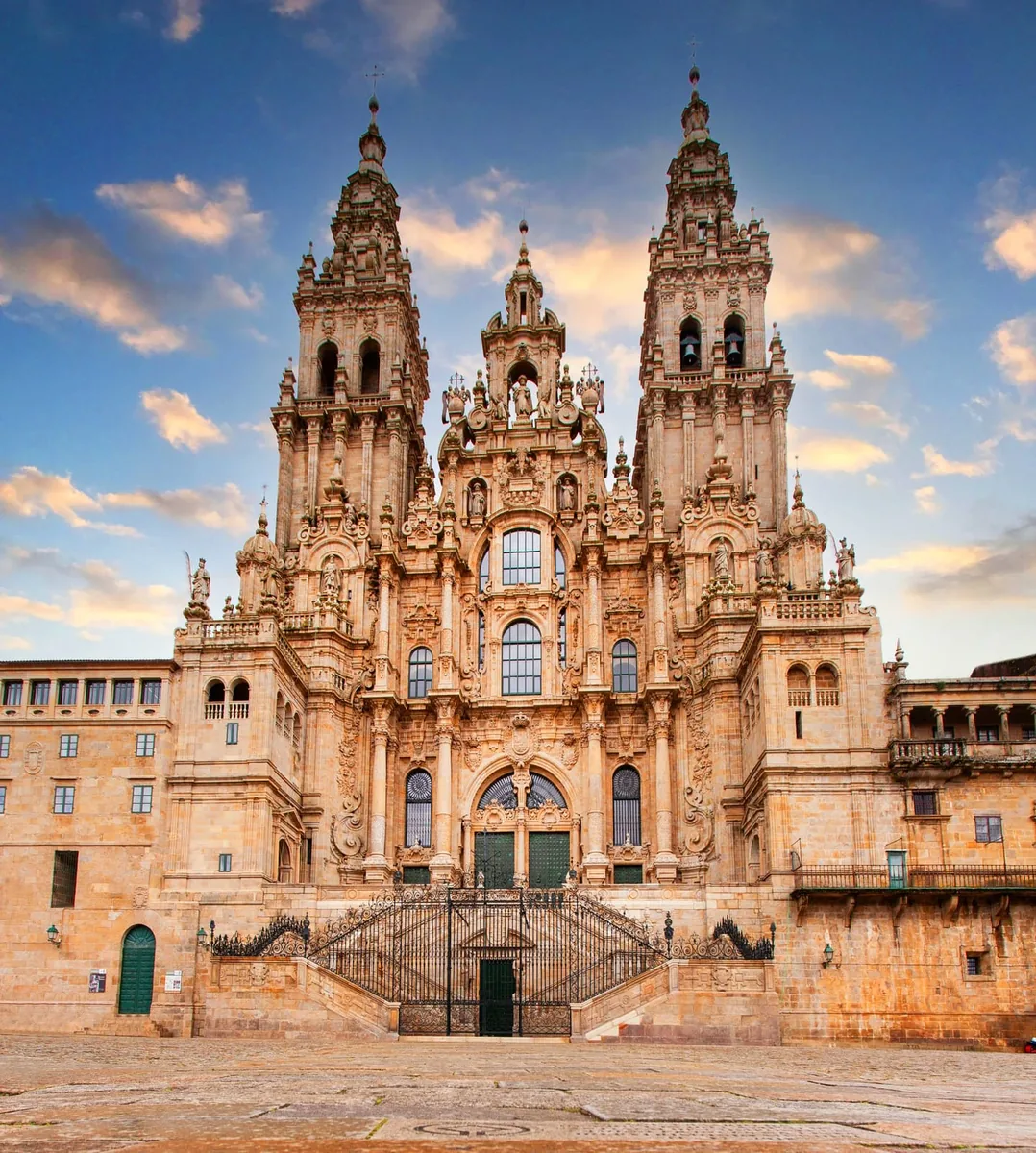
Catedral de Santiago de Compostela
The Romanesque terminus of the Way of Saint James features the 12th-century Portico de la Gloria; the botafumeiro censer swings in a massive 65-metre arc through the transept during high feast days; watch the granite facade of the Praza do Obradoiro turn silver under the Galician rain; the sound of heavy hiking boots on the stone floor remains the site’s permanent soundtrack.
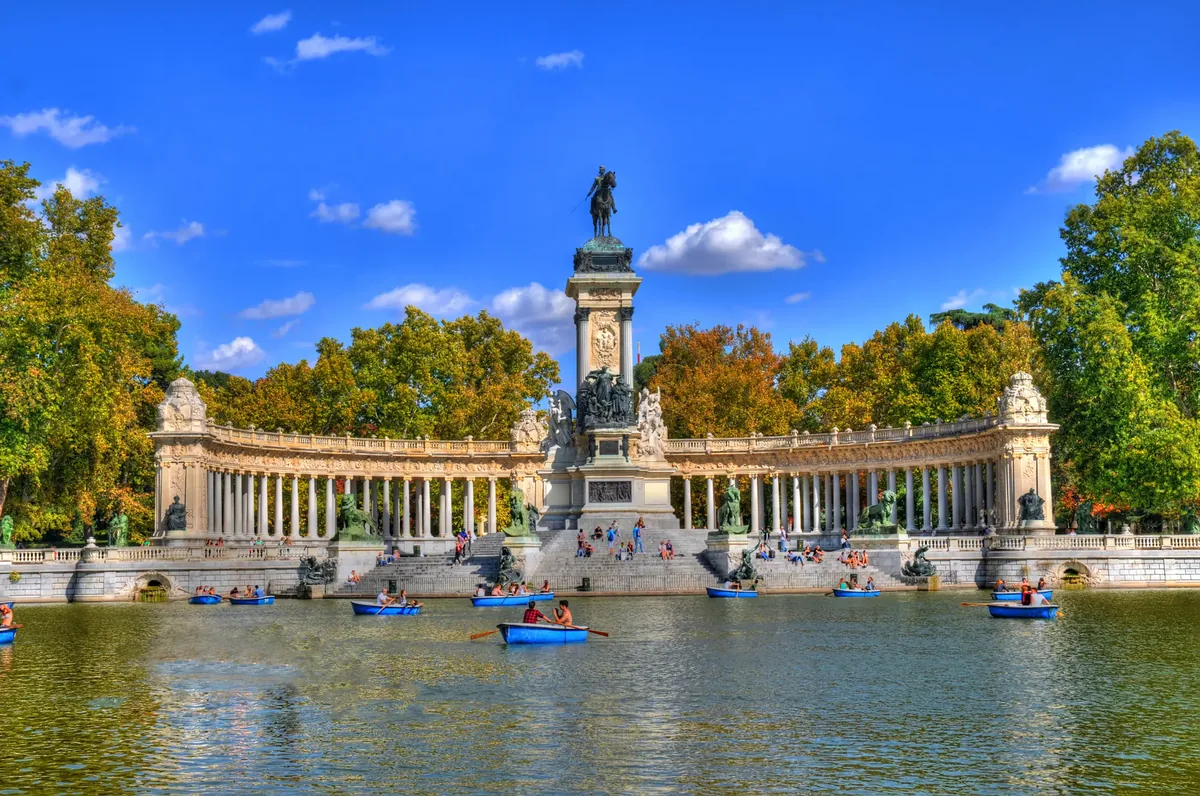
Parque del Buen Retiro
A 125-hectare royal park featuring the 1887 Palacio de Cristal; a cast-iron and glass conservatory that sits over a cypress-lined lake; row a wooden boat across the Estanque Grande toward the monument of Alfonso XII; the scent of blossoming horse chestnuts peaks in May; the park serves as the city’s lungs where the murmur of Sunday strolls drowns out the Gran Vía traffic.
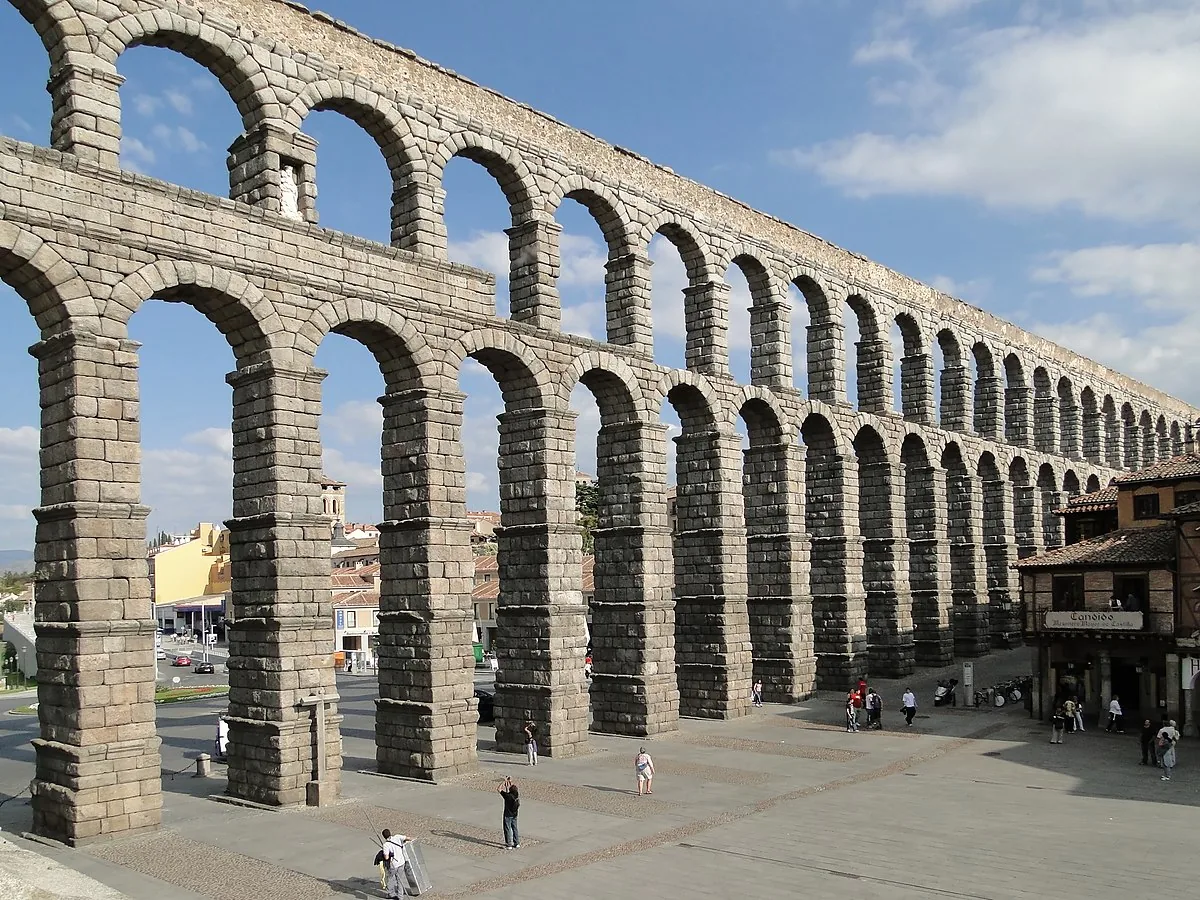
Aqueduct of Segovia
A 1st-century Roman engineering feat constructed of 20,400 granite blocks held together without a single drop of mortar; the 813-metre-long structure reaches a height of 28 metres at the Plaza del Azoguejo; stand beneath the double-tiered arches at dawn when the granite takes on a blue-grey hue; the precision of the joints is best appreciated from the Postigo del Consuelo stairs.
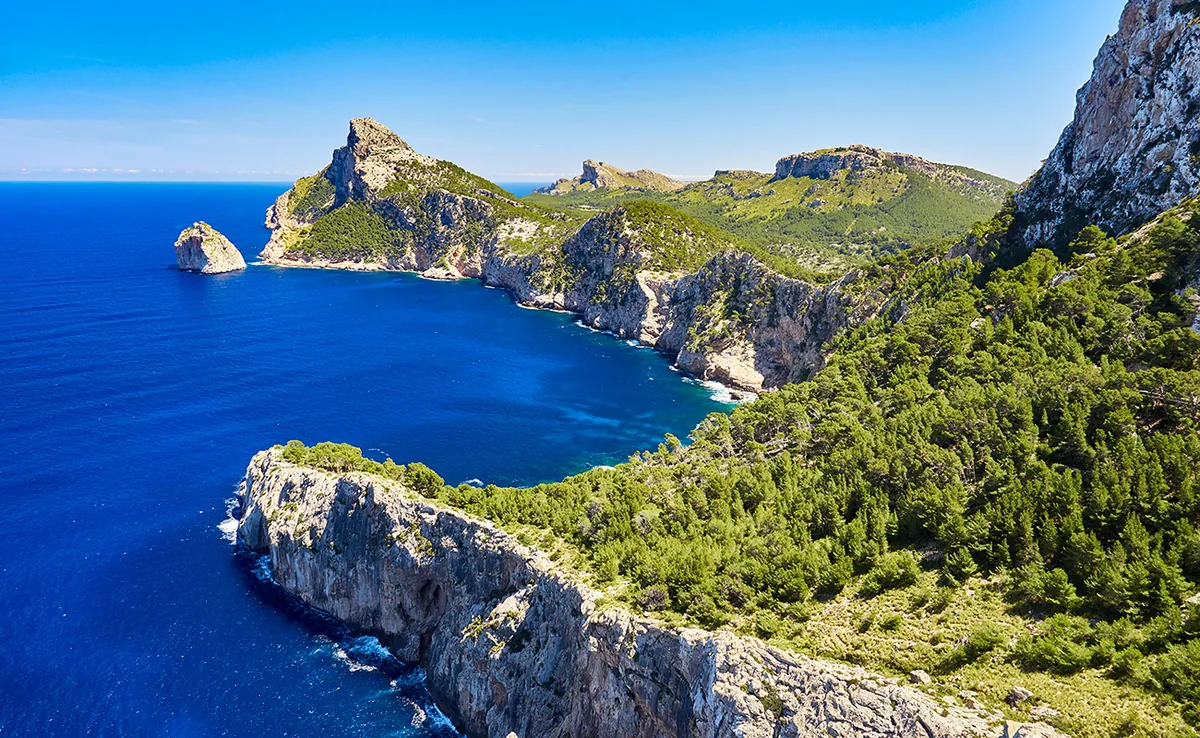
Serra de Tramuntana
A limestone mountain range where dry-stone terracing has shaped the landscape since the 13th-century Moorish occupation; the GR221 trail winds through ancient olive groves and moss-slicked basalt crags; descend into the village of Deià as the sun drops behind the Teix massif; the light turns the Mediterranean turquoise to deep navy; the air smells of pine needles and sea salt.
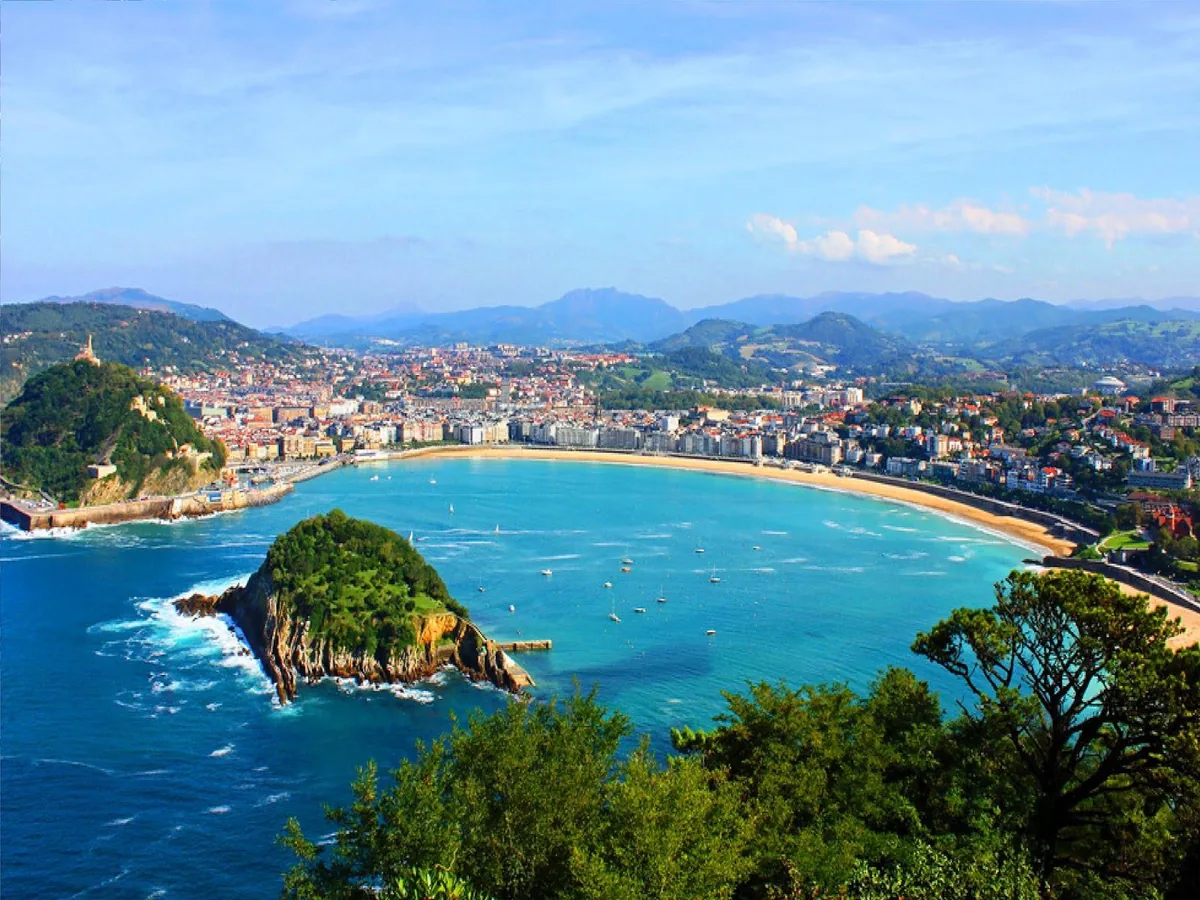
La Concha
A perfectly symmetrical shell-shaped bay flanked by Mount Urgull and Mount Igueldo; the ornate 19th-century white railings line a promenade that defined European seaside luxury; walk the shoreline at low tide when the wet sand reflects the Belle Époque facades like a mirror; the sound of the Atlantic swells hitting the stone sea wall is a constant rhythmic pulse.
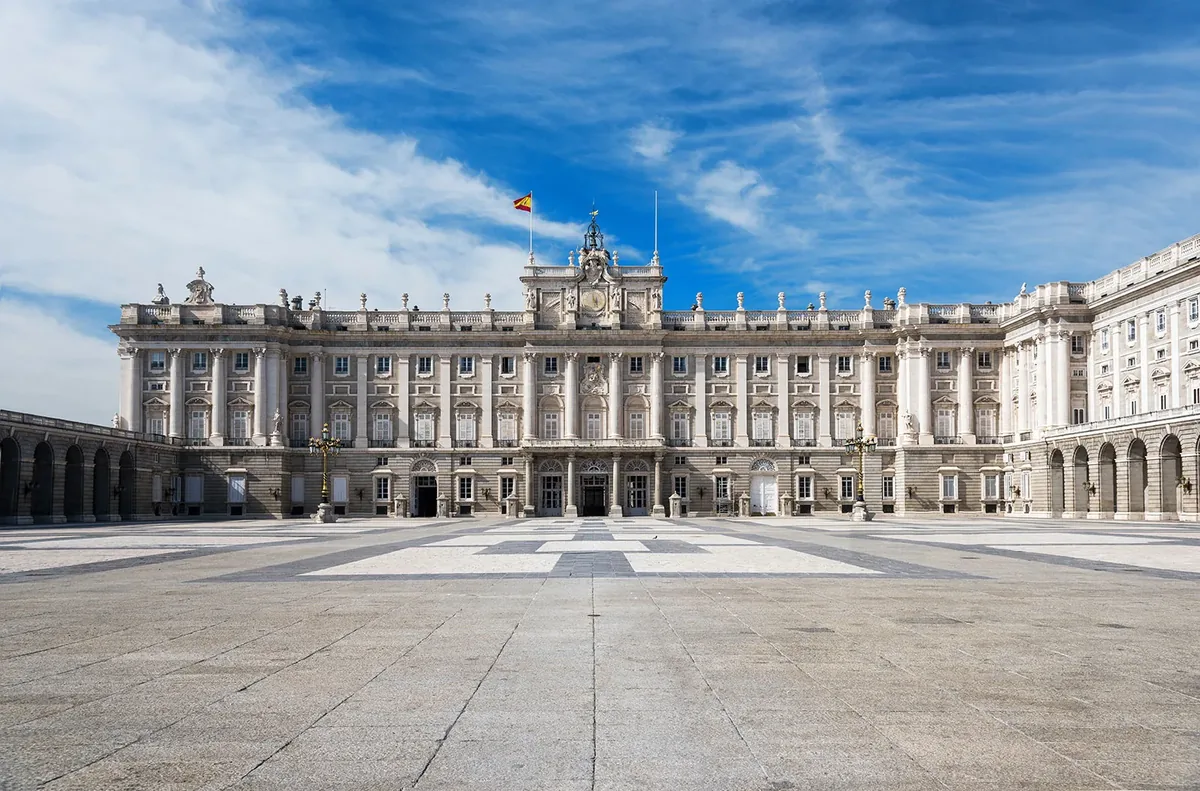
Royal Palace of Madrid
The largest functioning royal palace in Europe features 3,418 rooms and a 1764 neoclassical facade of Colmenar stone; the Throne Room’s ceiling by Tiepolo and the Royal Armory’s 16th-century steel suits define Spanish imperial scale; watch the changing of the guard at the Prince’s Gate; the hoofbeats of the cavalry horses echo off the sun-bleached limestone of the Plaza de la Armería.
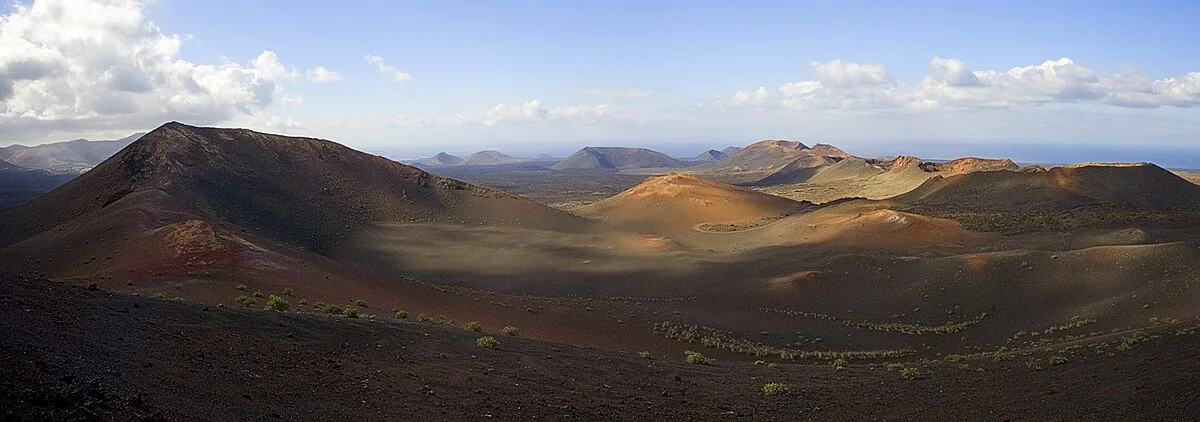
Timanfaya National Park
A dormant volcanic terrain formed by the six-year eruption of 1730; the red-and-black lapilli fields are so heat-retentive that dry brush ignites instantly when tossed into a crevice; the El Diablo restaurant uses geothermal heat to grill meat over an open pit; the landscape lacks all vegetation; creating a desolate scale that looks like the surface of a cooled star.
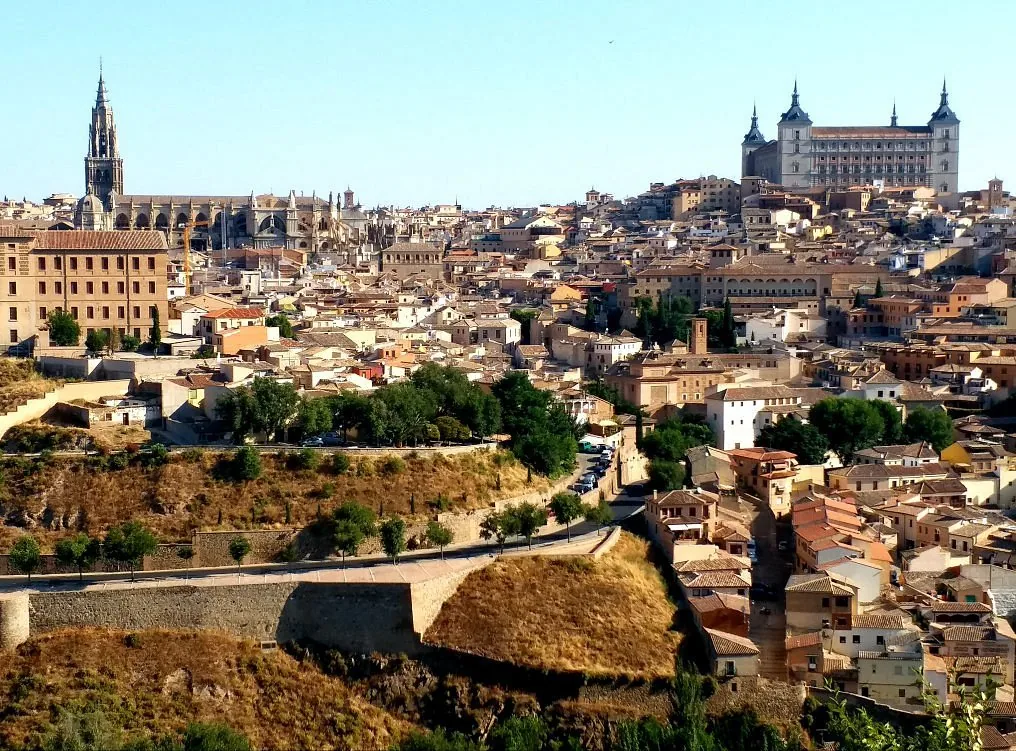
Casco Histórico de Toledo
The 'City of Three Cultures' is a labyrinth of Sephardic synagogues; Visigothic lintels; and Mudéjar brickwork enclosed by 3rd-century Roman walls; the 13th-century High Gothic cathedral sits at the highest point; walk the Calle del Comercio at sunset when the shops displaying hand-hammered Damascene steel begin to shutter; the sound of the Tagus River rushing through the gorge below provides a distant roar.
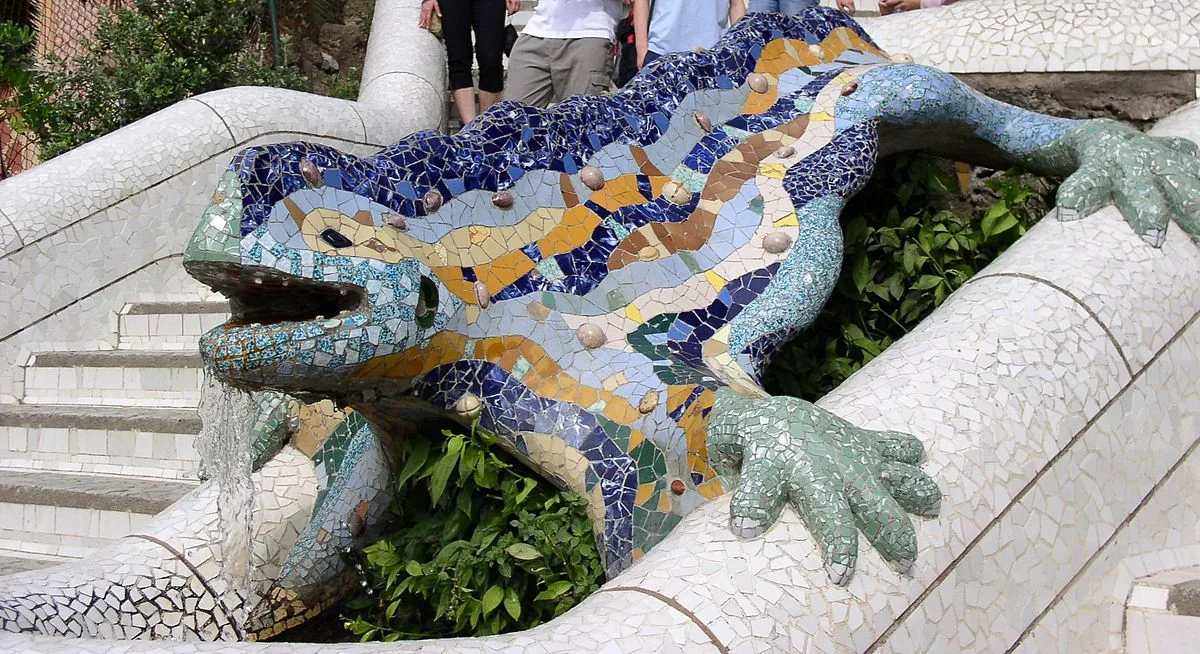
Park Güell
Antoni Gaudí’s failed garden city project features a serpentine bench covered in trencadís ceramic mosaics; the Doric columns of the hypostyle room support a plaza with sweeping views of the Mediterranean; arrive at 8 am before the heat haze obscures the Sagrada Família on the horizon; the vivid broken-tile patterns appear most saturated when dampened by the early morning humidity.
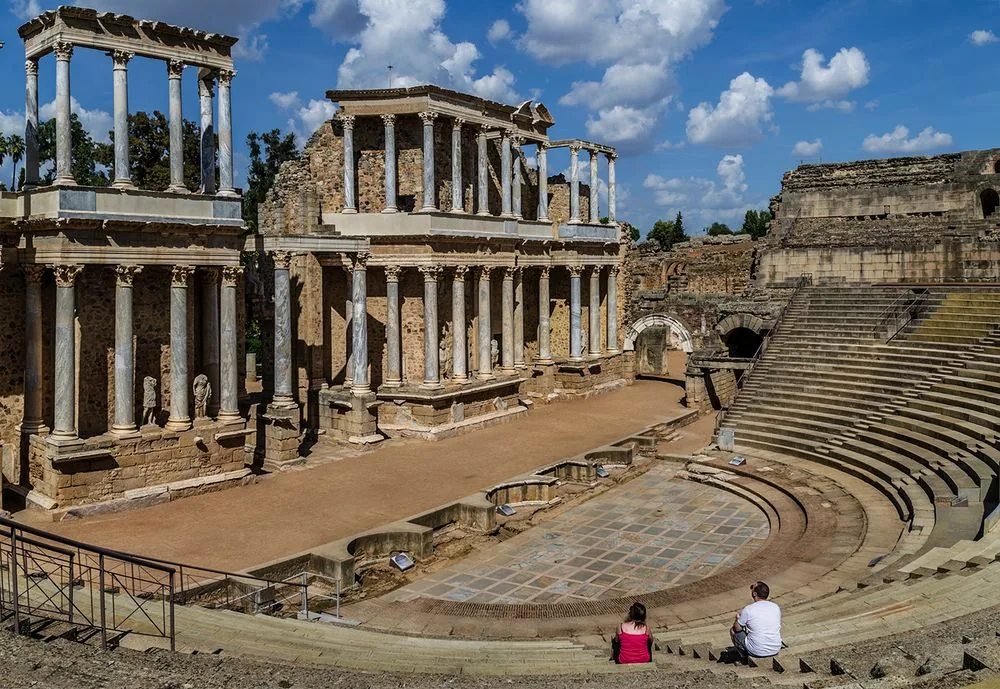
Teatro Romano de Mérida
Commissioned by Agrippa in 16 BC; this Roman theatre features a stunning scaenae frons with two tiers of Corinthian columns; the marble statues of Ceres and Pluto stand against the sun-baked backdrop of the Extremaduran plains; attend a performance during the July festival when the ancient acoustics carry unamplified voices to the furthest stone tiers; the granite seats retain the day's heat long after midnight.
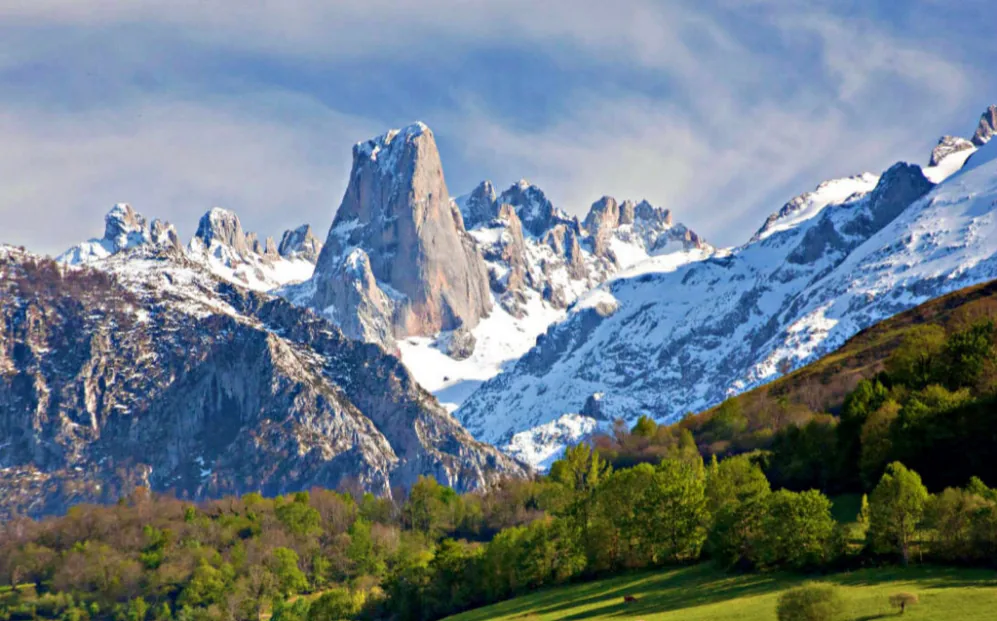
Picos de Europa
The jagged limestone spires of the Cantabrian Mountains reach 2,650 metres just 20 kilometres from the sea; the Cares Gorge trail cuts through 1,000-metre vertical walls of sun-bleached rock; the pre-dawn light turns the Naranjo de Bulnes peak a soft salmon pink; the sound of cowbells from the high summer pastures echoes through the glacial valleys; the air is perpetually sharp and carries the scent of damp slate.
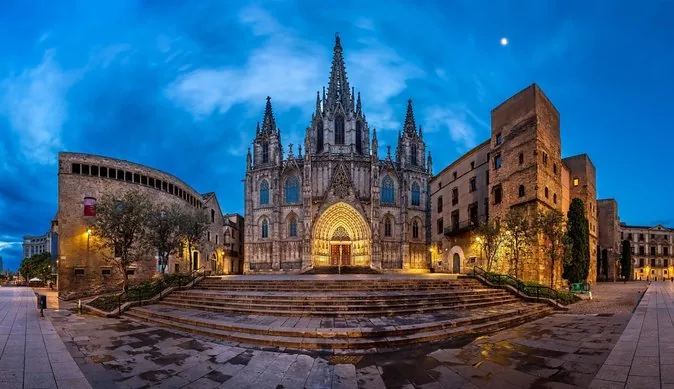
Barri Gòtic
The Roman and medieval core of the city features 4th-century defensive walls and the 13th-century cathedral; the Plaça del Rei serves as a cold; stone-walled courtyard where the Counts of Barcelona once held court; enter the hidden courtyard of the Temple of Augustus at noon; the four 17-metre Roman columns are tucked inside a medieval building; the stone remains damp and cool even in July.
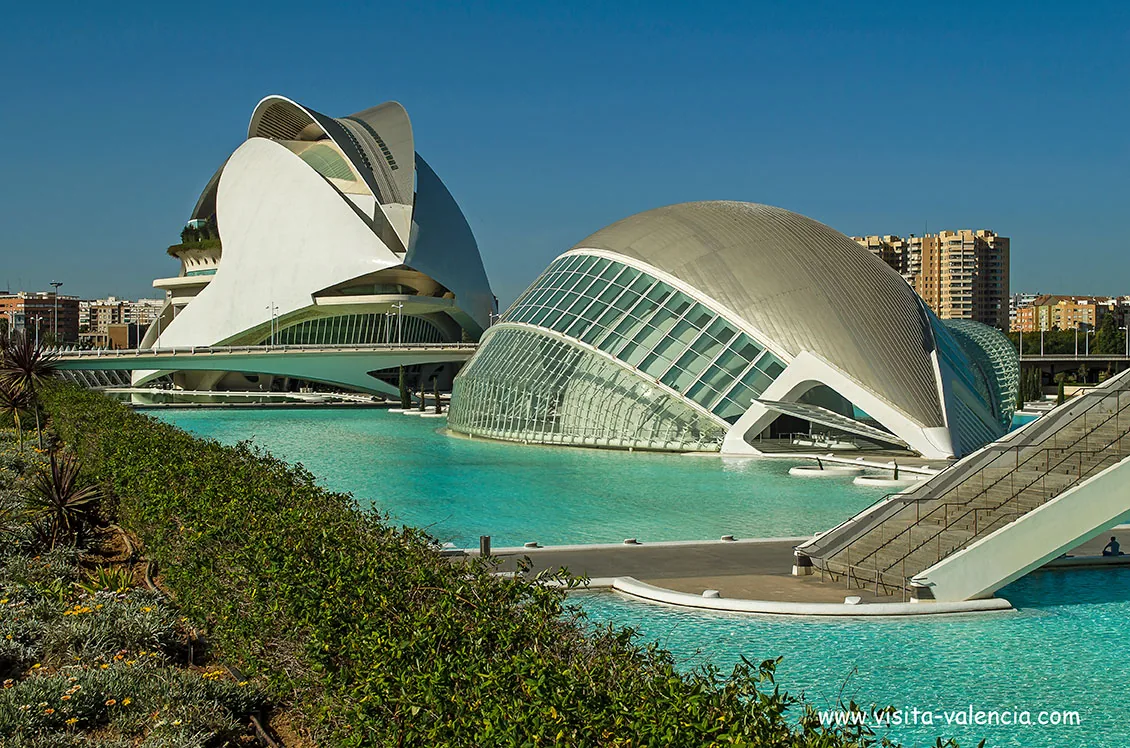
Ciudad de las Artes y las Ciencias
Santiago Calatrava’s futuristic complex of white concrete and crushed tile sits in the drained bed of the Turia River; the Hemisfèric resembles a giant human eye that opens over a reflective pool; walk the Umbracle at dusk when the blue LED lights contrast with the stark white ribs of the structure; the scale is designed to make the human form feel like a biological insect within a skeletal machine.
Casco Historico Toledo
Toledo's rocky promontory holds Roman, Visigothic, Moorish, Jewish, and Gothic Christian monuments within a kilometer of each other, and El Greco lived and worked here for the last thirty-seven years
Ciudad Artes Ciencias
Santiago Calatrava's white concrete complex was built in the diverted riverbed of a river that flooded Valencia catastrophically in the 1960s, and the Hemisfèric eye building reflected in its surround
Mezquita Catedral Cordoba
A tenth-century Umayyad mosque and a sixteenth-century Gothic cathedral occupy exactly the same building in Córdoba, and Charles V reportedly regretted approving the insertion when he saw the result.
Teatro Romano Merida
A Roman theater built in 16 BCE by Marcus Agrippa has been staging classical drama every summer since 1933, in the original stone seating, in front of the reconstructed two-story column facade.